
Mucocutaneous plasmacytoma is a generally benign skin tumor arising from plasma cells, most often found along mucous membranes and skin junctions in dogs. Common locations include the lips, ear margins, and edges of the mouth. While the word “cancer” can be alarming, the prognosis for dogs diagnosed with this condition is excellent, especially when the tumor is detected and treated early.
What is Mucocutaneous Plasmacytoma in Dogs?
Plasma cells are specialized white blood cells that produce antibodies to help the immune system fight infection. In rare cases, these cells can multiply abnormally and form a tumor known as a plasmacytoma. Canine mucocutaneous plasmacytoma is a type of plasma cell tumor in dogs that develops specifically at or near the mucous membrane and skin boundaries.
Unlike more aggressive forms of cancer, this tumor is usually benign and does not commonly spread to other organs or tissues. It typically appears as a raised, hairless nodule with a pink or reddish hue. The surface may look smooth or slightly irregular. Because of its benign nature, this condition is considered distinct from multiple myeloma, a serious malignant plasma cell cancer, though veterinary testing is needed to confirm the diagnosis.
Symptoms of Mucocutaneous Plasmacytoma in Dogs
The signs of mucocutaneous plasmacytoma can vary depending on the tumor’s size and location, but most dogs present with one or more of the following:
- A small, raised lump on the lip, ear, or around the mouth
- Pink or red nodules that may appear smooth or ulcerated
- Bleeding or crusting on the surface of the growth
- Swelling or thickening of skin at mucocutaneous junctions
- Persistent licking, scratching, or pawing at the affected area
- Irritation or discomfort around the tumor site
- Occasional ulceration if the tumor grows larger or is repeatedly traumatized
Most tumors are solitary, meaning only one growth appears at a time, which is a reassuring sign that the tumor is likely benign. If multiple growths are present, further diagnostic investigation is warranted.
Causes and Risk Factors
The exact cause of mucocutaneous plasmacytoma in dogs is not fully understood. It is believed to result from abnormal and uncontrolled growth of plasma cells in the skin or mucous membranes. Research suggests that immune system changes may trigger abnormal cell proliferation, though no single cause has been confirmed.
Several risk factors have been identified. Age is a significant factor, the condition is most commonly seen in middle-aged to older dogs, typically those over seven years old. Changes in immune system function that come with aging may play a role. Genetic predisposition also appears to be a factor, as certain breeds are reported more frequently, including the Cocker Spaniel, Airedale Terrier, and Kerry Blue Terrier. However, any breed can develop this tumor, so all dogs should be monitored with routine skin checks.
Where Do These Tumors Commonly Appear?
Mucocutaneous plasmacytomas occur at areas where skin meets mucous membranes, regions known as mucocutaneous junctions. These transition zones are rich in plasma cells and appear to be particularly susceptible to tumor development. The most frequently affected locations include the lips, edges of the oral cavity, eyelids, external ear canal, face, anus, and the genital region. Because these areas experience more immune activity and cellular turnover than standard skin, they are more prone to abnormal plasma cell proliferation.
Diagnosis of Mucocutaneous Plasmacytoma in Dogs
Accurate diagnosis is essential before beginning any treatment. A veterinarian will start with a thorough physical examination to assess the tumor’s size, location, and appearance. While the clinical features may be suggestive, laboratory testing is required for a definitive diagnosis.
The most common diagnostic approach is fine needle aspiration (FNA), a minimally invasive procedure in which a small needle is used to collect cells from the tumor. These cells are then examined under a microscope through cytology to look for plasma cell characteristics. For a more definitive diagnosis, a biopsy may be performed, followed by histopathology, the detailed examination of tissue samples by a veterinary pathologist.
Additional tests, such as blood work and imaging, may be ordered to rule out malignant plasma cell diseases like multiple myeloma or systemic plasmacytosis. Early and accurate diagnosis ensures the most appropriate treatment plan is put in place.
Treatment Options for Mucocutaneous Plasmacytoma
The primary and most effective treatment for mucocutaneous plasmacytoma is surgical removal. In the majority of cases, complete excision of the tumor is curative, meaning no further treatment is required. Surgery is typically straightforward given the accessible locations these tumors tend to occupy, and most dogs recover well within a short period following the procedure.
In situations where surgery is not feasible, due to the tumor’s location or the dog’s overall health, alternative treatment options may be considered. Cryotherapy (freezing the tumor with liquid nitrogen) and laser removal are less invasive approaches that may be used for small or superficial tumors. In rare cases where tumors are extensive or recur after surgery, radiation therapy may be recommended by a veterinary oncologist.
Regardless of the treatment chosen, routine follow-up appointments are important to monitor the site for any signs of recurrence and to ensure the dog’s overall health is maintained.
Prognosis and Recovery
The prognosis for dogs diagnosed with mucocutaneous plasmacytoma is excellent in most cases. When the tumor is completely removed through surgery, recurrence is uncommon, and the dog is generally considered cured. Unlike malignant cancers, this tumor type rarely metastasizes (spreads to other parts of the body), which significantly improves the overall outcome.
Recovery following surgical removal is typically quick, with most dogs returning to normal activity within one to two weeks. Owners should monitor the surgical site for any signs of swelling, discharge, or regrowth, and schedule regular follow-up visits with their veterinarian to ensure continued health.
Pictures of Mucocutaneous Plasmacytoma in Dogs
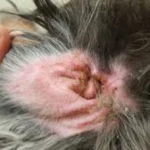
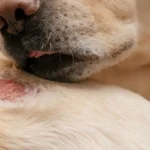
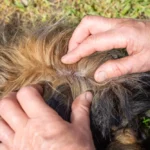
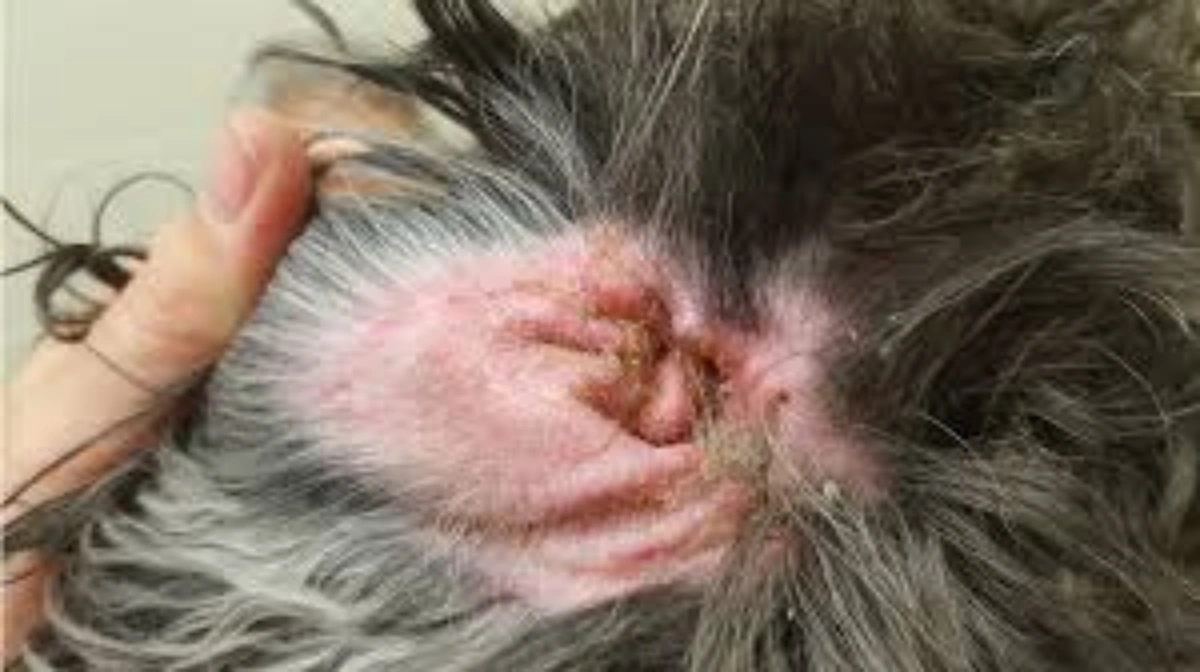
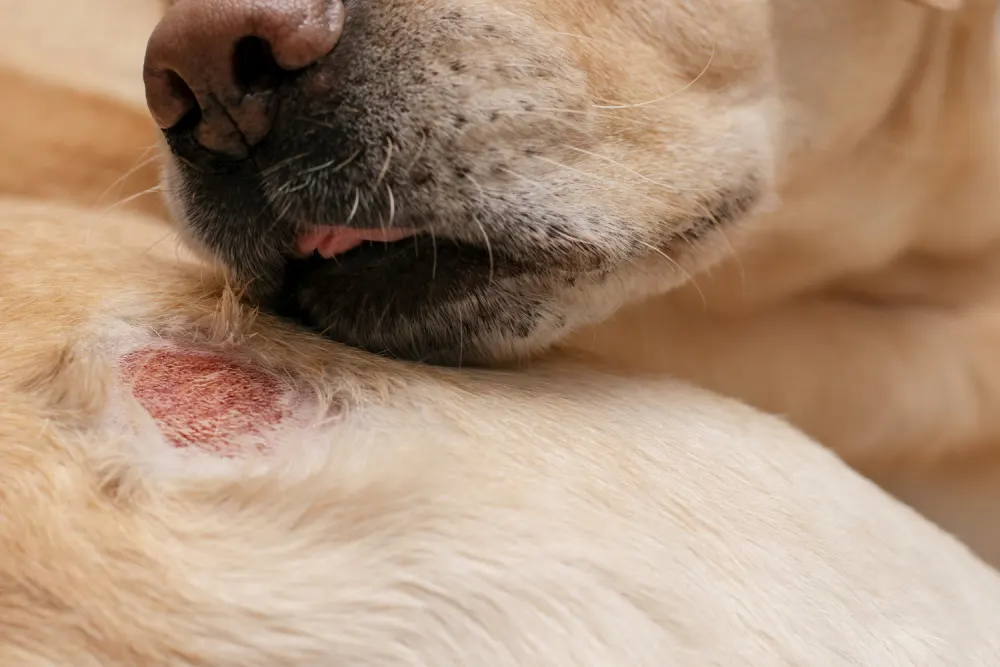
The images below show typical presentations of mucocutaneous plasmacytoma in dogs, illustrating the raised, pink-to-red nodular appearance characteristic of these tumors.
When Should You See a Vet?
Any new skin lump on your dog warrants veterinary attention, even if it appears small or painless. You should consult your vet promptly if a lump grows quickly, bleeds, changes shape or color, ulcerates, or causes your dog discomfort. Early diagnosis is the single most important factor in achieving the best possible outcome. Because mucocutaneous plasmacytoma can resemble other more serious tumors, including malignant ones, professional evaluation is always the right step. Never attempt to monitor or treat a skin lump at home without veterinary guidance.
Prevention and Monitoring
There is currently no known way to prevent mucocutaneous plasmacytoma from developing. However, regular skin checks at home, ideally during grooming sessions, can help owners detect any new lumps or changes early. Routine veterinary wellness exams, typically once or twice per year, are especially important for middle-aged and older dogs. Early detection through consistent monitoring gives dogs the best chance at a straightforward and successful treatment outcome.
Conclusion
Mucocutaneous plasmacytoma in dogs is a generally benign skin tumor that, when detected early and treated appropriately, carries an excellent prognosis. Surgical removal is highly effective and often curative, with a low risk of recurrence. The key to the best outcome is early detection, so make regular skin checks and veterinary visits a part of your dog’s routine care. If you notice any new or changing skin lump on your dog, do not wait; consult your veterinarian promptly.
Related Videos