Rabies is one of the most feared infectious diseases in the world, and for good reason. Once clinical symptoms appear in any mammal, including dogs and humans, survival is virtually impossible. India carries one of the highest rabies burdens globally, accounting for a significant proportion of human rabies deaths worldwide each year. The most effective and only reliable defence is timely, consistent vaccination of every pet dog, without exception.
What is Rabies in Dogs?
Rabies is a viral illness that proves fatal for almost all dogs it afflicts. Thankfully, pet owners can take steps to prevent their dogs from contracting the rabies virus by administering a canine rabies vaccine.
The rabies virus targets the central nervous system (CNS), spreading via nerves from the site of infection to the brain. Afflicted animals suffer paralysis that invariably affects the respiratory system, ultimately resulting in death.
Rabies can impact any mammal, including humans. Animals that harbor and transmit viruses like rabies are referred to as reservoirs for the disease. Possible reservoirs include skunks, weasels, and bats. Dogs and humans are moderately susceptible to all strains of the virus and are not considered reservoir hosts.
Why Rabies Vaccination is Non-Negotiable in India
India’s large population of free-roaming street dogs, combined with high human and pet dog density in urban and semi-urban areas, creates a sustained transmission risk that is unlike the situation in countries where rabies has been controlled or eliminated. A pet dog that is not vaccinated is not only at personal risk but also represents a potential transmission link between wildlife or street dog populations and human beings.
Rabies vaccination in India is not simply a health recommendation. It is a legal requirement under the Prevention of Cruelty to Animals Act and municipal bylaws in most states, and a valid vaccination certificate is required for dog registration, travel, and boarding. Keeping vaccination records current and accessible is the responsibility of every pet owner.
Rabies Vaccination Schedule for Dogs in India
| Vaccination | Recommended Age or Timing |
|---|---|
| First rabies dose | 12 to 16 weeks of age (3 to 4 months) |
| Annual booster | Every 12 months without fail |
| Post-exposure booster | Immediately following a bite from an unknown or unvaccinated animal, even in a vaccinated dog |
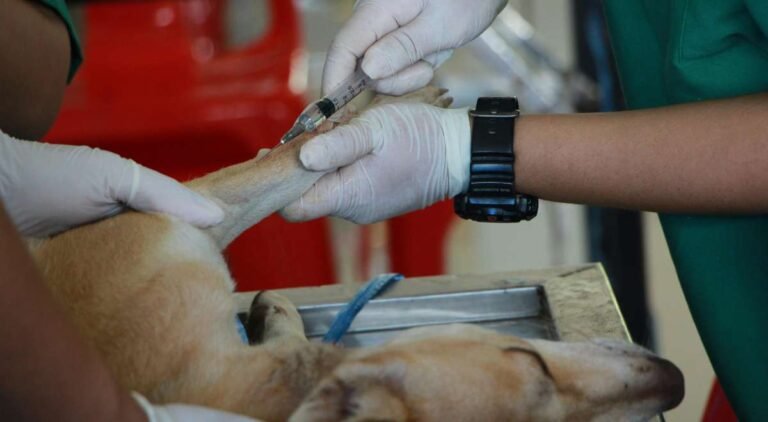
Alongside rabies vaccination, all dogs require a complete core vaccine protocol beginning from 6 to 8 weeks of age, covering Distemper, Parvovirus, Adenovirus, and Parainfluenza. These are administered as a combination vaccine in a series of doses through the puppy stage, followed by regular boosters in adulthood.
Always retain the original vaccination certificate issued by the veterinarian. Photocopies are not accepted as legal proof of vaccination in most jurisdictions.
Related Videos



Recognising Rabies Symptoms in Dogs
Rabies progresses through distinct stages, and the behavioural changes are often the first visible signs:
- Prodromal phase (2 to 3 days): Personality changes, unusual anxiety or affection, fever, and behavioural shifts that seem out of character.
- Furious phase: Aggression, restlessness, hypersensitivity to light and sound, unprovoked biting, and disorientation. This is the stage most commonly associated with rabies in public perception.
- Paralytic phase: Progressive paralysis beginning at the site of the bite, leading to inability to swallow, excessive drooling, jaw drop, and ultimately respiratory failure.
A dog showing any combination of sudden unexplained behavioural change, aggression, and neurological signs after potential exposure to an unknown animal must be isolated immediately and assessed by a veterinarian. Do not attempt to handle a suspected rabid animal without protective equipment.
Dog Bite Protocol: What to Do Immediately
If your dog is bitten by a street dog, an unknown animal, or any animal whose vaccination status cannot be confirmed, follow these steps without delay:
- Wash the wound immediately and thoroughly with soap and running water for a minimum of 15 minutes. This single step significantly reduces viral load at the wound site.
- Seek veterinary care promptly for wound assessment, appropriate wound management, and professional advice on post-exposure risk.
- Administer a rabies booster even if your dog is currently vaccinated. A post-exposure booster reinforces immune protection and is standard protocol following any potential rabies exposure.
- Monitor your dog under veterinary guidance for the observation period recommended based on the nature of the exposure.
If a human is bitten by a dog of unknown vaccination status, immediate medical attention and post-exposure prophylaxis (PEP) is essential and must not be delayed.
VOSD Advance PetCare™ Public Health Model
VOSD Advance PetCare™ approaches rabies prevention as both an individual pet health responsibility and a broader public health commitment:
- Accessible vaccination clinics: Regular vaccination drives ensure that annual rabies boosters and core vaccines are available and documented for every patient.
- Vaccination record management: Maintaining accurate, up-to-date vaccination certificates for legal compliance, boarding, travel, and emergency reference.
- Responsible ownership education: Guiding pet owners on the legal obligations, public safety implications, and practical steps involved in maintaining a complete and current vaccination record.
- Community disease control support: Participating in and promoting mass vaccination initiatives that reduce overall rabies transmission risk within the wider canine population.
Related Products



Diagnosis & treatment
Diagnosing rabies in a living animal is not possible with certainty; it is crucial to closely observe signs and interpret symptoms accurately. If a veterinarian suspects rabies based on the dog’s symptoms, a diagnosis can be confirmed by testing the brain tissue postmortem. The brain tissue undergoes examination through a technique known as direct fluorescent antibody testing.
There exists no treatment for rabies in dogs, and humane euthanasia is advised if the disease is strongly suspected.