
Immune-mediated polyarthritis in dogs is a condition that is frequently mistaken for something simpler, a sprain, a sore leg, or a passing bout of stiffness, before the true cause is identified. It is an autoimmune joint disease in which the immune system mistakenly attacks the lining of multiple joints simultaneously, causing painful inflammation that can affect several limbs at once. While it may not be the first diagnosis a pet parent thinks of when their dog starts limping, immune-mediated polyarthritis in dogs is more common than many realise, particularly in the Indian context where tick-borne diseases are a significant trigger.
The encouraging news is that many dogs with immune-mediated polyarthritis respond well to treatment and go on to live comfortable lives with the right management in place. Early recognition and prompt veterinary assessment make a meaningful difference to how quickly and completely a dog can recover.
What Is Immune-Mediated Polyarthritis in Dogs?
Immune-mediated polyarthritis in dogs, often referred to as IMPA, is a condition in which the immune system produces an inflammatory response within the synovial membrane, which is the tissue lining the inside of the joints. Instead of targeting foreign agents, the immune system directs this response against the dog’s own joint tissues, causing fluid accumulation, swelling, heat, and pain across multiple joints.
The word polyarthritis means inflammation affecting more than one joint. This is what distinguishes IMPA from conditions affecting a single joint. In a dog with immune-mediated polyarthritis, the lameness often shifts from one leg to another as different joints flare up, which is one of the more recognisable patterns of the condition.
Types of Immune-Mediated Polyarthritis in Dogs
IMPA in dogs is broadly divided into two categories, and the distinction has practical implications for treatment.
| Type | Description | Common Triggers | Treatment Focus |
|---|---|---|---|
| Primary (Idiopathic) IMPA | No identifiable underlying cause | Unknown; possibly genetic predisposition | Immunosuppressive therapy |
| Secondary IMPA | Triggered by an identifiable underlying condition | Tick-borne infections, other systemic infections, cancer, medications | Treat underlying cause plus immunosuppression |
Primary IMPA is the more common form overall. Secondary IMPA is particularly relevant in India due to the prevalence of tick-borne diseases that can trigger immune-mediated joint inflammation as a consequence of systemic infection.
Symptoms of Immune-Mediated Polyarthritis in Dogs
The symptoms of immune-mediated polyarthritis in dogs can be subtle at first and may come and go, which is one reason the condition is sometimes diagnosed late. Knowing what to look for helps pet parents seek veterinary advice before the condition becomes more advanced.
- Shifting lameness that moves between different legs over hours or days
- Stiffness, particularly when rising after rest
- Swollen, warm, or painful joints, most commonly in the wrists, ankles, and knees
- Reluctance to walk, run, climb stairs, or jump
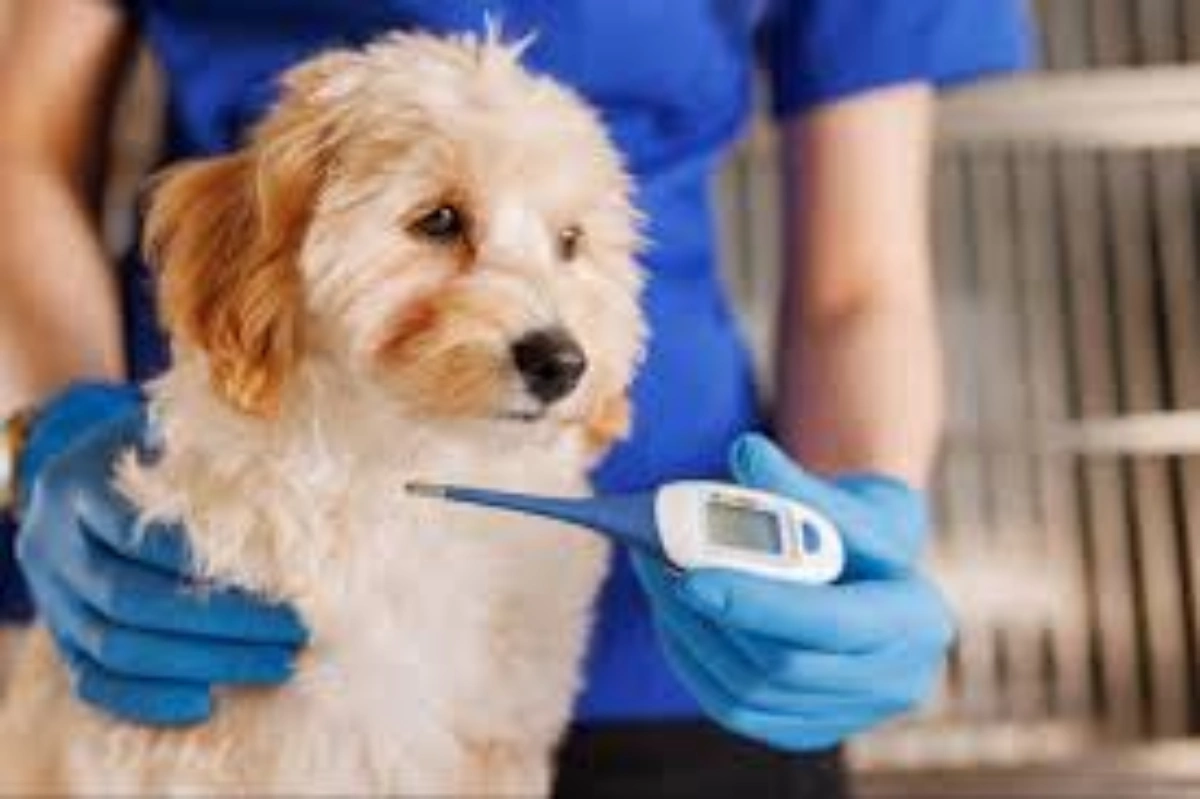
- Persistent or recurring fever without an identifiable infectious cause
- Lethargy and reduced interest in normal activity
- Reduced appetite
- An overall appearance of generalised discomfort rather than a clearly isolated injury
Early Signs Pet Parents Often Miss
In the early stages of immune-mediated polyarthritis in dogs, the signs can be easy to overlook or attribute to minor causes. Some of the subtler indicators include the following.
- A slight hesitation before going up or down stairs that was not there before
- Walks becoming shorter or slower without an obvious reason
- The dog choosing not to jump onto a favourite sofa or into the car
- A mild mood change, becoming less playful or more withdrawn
- Brief episodes of limping that seem to resolve, then return in a different leg
At VOSD, we often see dogs brought in with a history of recurring fever and limping that shifts between limbs, having previously been treated for suspected tick fever or musculoskeletal injury without sustained improvement. In several of these cases, immune-mediated polyarthritis in dogs turned out to be the underlying cause, and appropriate immunosuppressive treatment brought meaningful relief. A dog that keeps relapsing without a clear explanation always warrants a more thorough investigation.
Causes and Triggers of Immune-Mediated Polyarthritis in Dogs
Understanding what drives immune-mediated polyarthritis in dogs helps pet parents appreciate why diagnosis can take time and why identifying any underlying trigger is an important part of treatment.
Primary Causes
In many cases of IMPA, no specific trigger can be identified. This is referred to as idiopathic or primary immune-mediated polyarthritis in dogs. The immune system appears to begin attacking the joints spontaneously, possibly due to a combination of genetic predisposition and environmental factors that are not yet fully understood.
Secondary Causes
When an identifiable cause is found, it is usually one of the following.
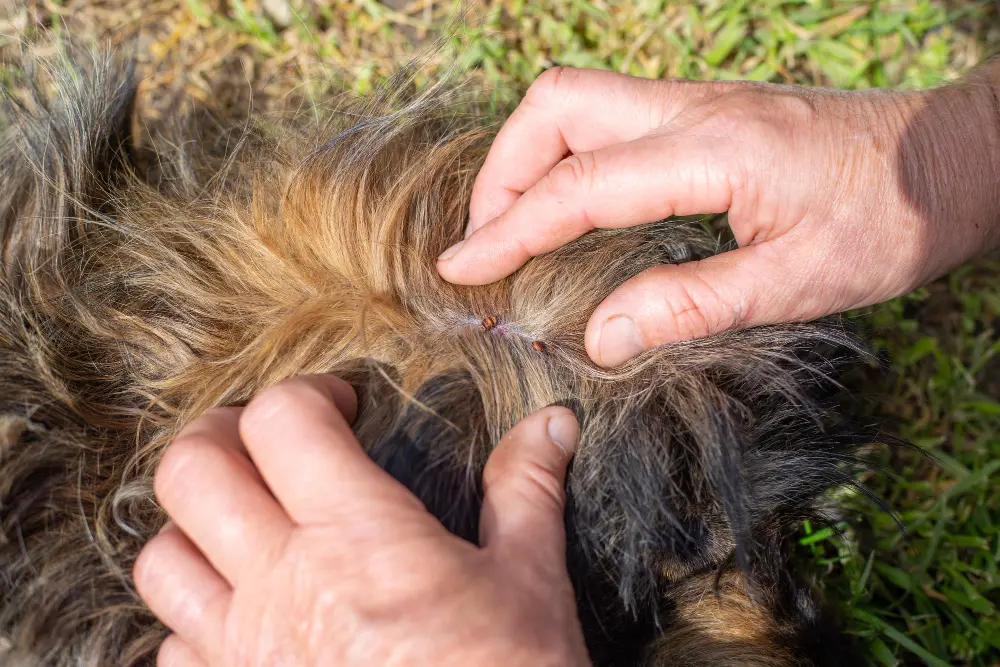
- Tick-borne infections: Ehrlichiosis, Anaplasmosis, and other tick-borne diseases are among the most significant and common triggers of secondary immune-mediated polyarthritis in dogs in India. These infections provoke a systemic immune response that can spill over into joint inflammation.
- Other systemic infections: Bacterial or fungal infections elsewhere in the body can trigger reactive joint inflammation as the immune system responds.
- Cancer: Lymphoma and other cancers can trigger paraneoplastic immune-mediated joint disease in some dogs.
- Medications: Certain drugs have been associated with drug-induced immune-mediated reactions including polyarthritis, though this is less common.
- Gastrointestinal disease: In some dogs, chronic intestinal disease is associated with secondary IMPA through ongoing immune stimulation.
Indian Context: Common Triggers
In India, tick-borne diseases are the most practically important secondary trigger for immune-mediated polyarthritis in dogs. Dogs with outdoor access, or those in rescue settings with high tick exposure, are at elevated risk. The monsoon and post-monsoon seasons, when tick populations are highest, are periods during which secondary IMPA cases are more likely to be seen.
Delayed diagnosis is also a relevant factor in India, where access to specialist diagnostics varies by region. A dog that has been treated repeatedly for suspected infection without improvement, or whose lameness keeps returning, may be waiting longer than necessary for the correct diagnosis.
Related Videos


Diagnosis of Immune-Mediated Polyarthritis in Dogs
Diagnosing immune-mediated polyarthritis in dogs requires a stepwise approach, as the condition shares symptoms with several other conditions including tick fever, septic arthritis, and orthopaedic injuries.
- Physical examination: Your veterinarian will assess all joints for warmth, swelling, and pain on manipulation. A full body examination looks for fever, lymph node enlargement, and other signs of systemic disease.
- Joint fluid analysis (arthrocentesis): This is the most important diagnostic test for immune-mediated polyarthritis in dogs. A fine needle is used to collect a small sample of fluid from affected joints. In IMPA, the fluid contains large numbers of white blood cells without bacteria, which distinguishes it from septic (infectious) arthritis.
- Blood tests: A complete blood count may show elevated white cell counts or anaemia. Biochemistry assesses organ function. Tick-borne disease testing is a routine part of the workup in India.
- X-rays: Radiographs of affected joints are taken to rule out bone changes, erosive joint disease, or orthopaedic injury. In non-erosive IMPA, the most common form, joint X-rays typically appear normal despite the presence of significant inflammation.
- Further screening: Depending on findings, additional tests for underlying infections, cancer, or gastrointestinal disease may be recommended to identify any secondary trigger.
Treatment and Management of Immune-Mediated Polyarthritis in Dogs
Treatment for immune-mediated polyarthritis in dogs is tailored to the type and severity of the condition. It is a long-term commitment rather than a short course of medication.
- Immunosuppressive therapy: Prednisolone is the standard first-line treatment for immune-mediated polyarthritis in dogs. It is started at an immunosuppressive dose and gradually tapered as the dog responds. Additional immunosuppressive agents such as azathioprine or leflunomide may be added in dogs that do not respond adequately to prednisolone alone.
- Treating the underlying cause: In secondary IMPA, identifying and treating the trigger is essential. For tick-borne disease, doxycycline is the standard treatment and joint inflammation often improves significantly as the infection resolves. Without addressing the underlying cause, immunosuppressive treatment alone may provide only partial or temporary improvement.
- Pain management: Non-steroidal anti-inflammatory drugs are not typically used alongside corticosteroids due to the risk of gastrointestinal complications, but your veterinarian may recommend appropriate supportive pain management during flare-ups.
- Regular monitoring: Blood tests are performed periodically to monitor for side effects of immunosuppressive medications, assess organ function, and guide dose adjustments. Joint reassessment helps confirm ongoing response to treatment.
- Activity modification: During active flare-ups, restricting strenuous exercise reduces joint stress. Gentle, controlled movement on flat surfaces is preferable to complete rest, which can lead to muscle loss.
Joint support is an important part of long-term care for dogs managing immune-mediated polyarthritis. VOSD Joint Care Supplement is formulated to support joint comfort and mobility and is a practical addition to the long-term care plan for dogs with IMPA. Always discuss with your veterinarian before introducing any supplement alongside immunosuppressive medications.
Related Products





Prognosis: What to Expect
The prognosis for immune-mediated polyarthritis in dogs is generally encouraging, particularly for the non-erosive form which is the most common type.
- Many dogs with primary IMPA achieve good remission with prednisolone and maintain comfortable joint function with ongoing low-dose maintenance therapy.
- Dogs with secondary IMPA caused by a treatable infection often respond very well once the underlying infection is addressed, with joint inflammation resolving as the immune system returns to normal.
- Relapses can occur, particularly if medication is reduced too quickly or if a new trigger arises. Regular monitoring allows relapses to be caught and addressed early.
- The erosive form of IMPA, which is less common, carries a more guarded prognosis as joint damage can accumulate over time despite treatment.
Home Care and Lifestyle Support
Consistent home care is an essential part of managing immune-mediated polyarthritis in dogs alongside veterinary treatment.
- Provide soft, supportive bedding that is easy to get on and off, away from cold floors and draughts.
- Use ramps instead of stairs where possible to reduce joint strain during recovery.
- Administer all medications consistently and never stop corticosteroids or immunosuppressive drugs abruptly without veterinary guidance.
- Keep a simple daily log of your dog’s lameness, activity level, and appetite to share with your veterinarian at follow-up appointments.
- Offer a nutritious, balanced diet and maintain a healthy body weight to reduce the load on inflamed joints.
- Maintain a consistent tick prevention routine, particularly for dogs in India with any outdoor access.
- Attend all scheduled veterinary follow-ups and blood test monitoring appointments without delay.
When to See a Vet
Seek veterinary attention if your dog shows any of the following signs.
- Lameness that shifts between different legs over hours or days
- Fever alongside any joint swelling or reluctance to move
- Stiffness that is consistently worse after rest
- A dog already diagnosed with IMPA whose symptoms are worsening despite ongoing medication
- Any sudden increase in lameness, pain, or lethargy in a dog being managed for immune-mediated polyarthritis
Immune-mediated polyarthritis in dogs is a condition that can significantly affect a dog’s comfort and quality of life, but it is one that responds well to treatment in many cases when identified at the right time. The shifting lameness and accompanying fever that characterise immune-mediated polyarthritis in dogs are signals worth investigating promptly rather than waiting out. In India, tick-borne diseases make regular prevention an important part of reducing the risk of secondary IMPA. Whether the condition is primary or triggered by an underlying infection, consistent management and regular veterinary monitoring give dogs the best chance of living comfortably. If your dog is showing unexplained lameness, stiffness, or recurring fever, do not delay seeking veterinary advice. Immune-mediated polyarthritis in dogs is always more manageable when diagnosed and treated early.