
Supraventricular tachycardia in dogs is a cardiac rhythm disorder in which the heart beats abnormally and persistently fast due to electrical disturbances originating in the upper chambers of the heart. While an elevated heart rate is normal during excitement or exercise, supraventricular tachycardia (SVT) produces a rapid rate that is sustained, inappropriate for the circumstances, and reduces the heart’s ability to pump blood efficiently. The condition is uncommon in dogs but requires veterinary attention when present. Early diagnosis and appropriate management give dogs the best chance of remaining comfortable and active.
If your dog has been showing signs of weakness, rapid breathing, or unexplained fatigue, understanding supraventricular tachycardia in dogs is an important step towards getting the right care.
What Is Supraventricular Tachycardia in Dogs?
Supraventricular tachycardia in dogs refers to a group of abnormal heart rhythms that originate above the ventricles, specifically in the atria or in the atrioventricular (AV) node that sits between the upper and lower chambers of the heart. The term supraventricular simply means arising from above the ventricles.
In a healthy dog, the heart rate is controlled by a natural pacemaker called the sinoatrial (SA) node, which generates regular electrical impulses at an appropriate rate. In SVT, abnormal electrical activity in the upper chambers overrides the SA node and drives the heart at a significantly faster rate than the body requires. This fast rate reduces the time the heart has to fill between beats, which in turn reduces the volume of blood pumped with each contraction and ultimately compromises circulation to the organs and tissues.
Supraventricular tachycardia in dogs can occur in brief episodes or may be sustained over longer periods. Sustained episodes are more likely to cause noticeable symptoms and require prompt veterinary management.
How the Normal Canine Heart Rhythm Works
Understanding why SVT is disruptive requires a brief look at how a healthy dog’s heart rhythm is maintained. The heart has its own internal electrical system that generates and conducts impulses in a precise sequence:
- The sinoatrial (SA) node in the right atrium generates an electrical impulse that spreads across both atria, causing them to contract and push blood into the ventricles.
- The impulse reaches the AV node, which briefly delays it before passing it down specialised fibres into the ventricles.
- The ventricles contract together, pumping blood to the lungs and the rest of the body.
- The heart then rests briefly before the next impulse is generated.
This coordinated sequence allows the heart to fill adequately between beats and pump efficiently. When abnormal electrical signals in the atria or AV node trigger the heart at a far faster rate than normal, this filling time is lost and the heart’s output per beat falls, which is the fundamental problem in supraventricular tachycardia in dogs.
Symptoms of Supraventricular Tachycardia in Dogs
The symptoms of supraventricular tachycardia in dogs arise from the reduced cardiac output associated with an excessively fast heart rate. They can vary from mild to severe depending on the rate, duration of the episode, and the dog’s underlying health. Common signs include:
- Weakness or sudden episodes of wobbliness
- Significant exercise intolerance, tiring very quickly or refusing to walk
- Rapid or laboured breathing, even at rest
- Restlessness or apparent anxiety without an obvious trigger
- Fainting or collapse, particularly triggered by excitement or exertion
- Pale or greyish gums indicating reduced circulation
- A visibly fast heartbeat that can sometimes be felt through the chest wall
- Lethargy and reduced interest in food or normal activities
Symptoms may appear suddenly and then resolve, which can make SVT easy to overlook initially. A dog that recovers quickly from a fainting episode may appear entirely normal between episodes, but the underlying condition persists and requires investigation. Any episode of fainting, collapse, or sudden unexplained weakness in a dog should be assessed by a veterinarian.
Related Videos


Causes of Rapid Heart Beat in Dogs
Supraventricular tachycardia in dogs can arise from a range of underlying causes. Identifying the cause is important because it directly influences the treatment approach and prognosis. Common contributing factors include:
- Underlying structural heart disease: Conditions such as dilated cardiomyopathy, valvular disease, or congenital heart defects can create the electrical environment in which SVT develops.
- Myocarditis: Inflammation of the heart muscle, caused by infection or immune-mediated disease, can disrupt normal conduction pathways.
- Electrolyte imbalances: Abnormal levels of potassium, calcium, or magnesium directly affect the electrical properties of heart muscle cells and can trigger arrhythmias.
- Systemic illness: Conditions such as hyperthyroidism, anaemia, sepsis, or significant metabolic disease can cause secondary tachycardia.
- Certain medications or toxins: Some drugs and toxic substances can stimulate abnormal heart rhythms as a side effect or toxic response.
- Stress or pain: Severe acute stress or pain can transiently elevate heart rate, though true sustained SVT from stress alone is less common.
- Idiopathic causes: In some dogs, no specific underlying cause is identified despite thorough investigation.
The following table summarises how different underlying causes tend to influence the approach to managing supraventricular tachycardia in dogs:
| Underlying Cause | Typical Management Approach | Likelihood of Resolution |
|---|---|---|
| Electrolyte imbalance | Correct electrolytes with IV fluids or supplementation | Often resolves once corrected |
| Structural heart disease | Anti-arrhythmic medication plus heart disease management | Managed long term, not cured |
| Myocarditis (infection or inflammation) | Treat underlying infection plus rhythm control | May improve with treatment |
| Systemic illness (e.g. anaemia, sepsis) | Treat primary condition; SVT often secondary | Often improves as primary illness resolves |
| Medication or toxin effect | Remove or adjust offending drug; supportive care | Often resolves after removal |
| Idiopathic (no cause found) | Anti-arrhythmic medication and long-term monitoring | Managed with medication |
Diagnosing Supraventricular Tachycardia in Dogs
Confirming a diagnosis of supraventricular tachycardia in dogs requires targeted cardiac testing rather than clinical assessment alone, as the symptoms overlap with many other conditions. The diagnostic process typically involves:
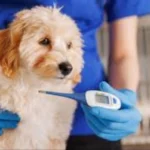
- Physical examination: The veterinarian will assess heart rate and rhythm using a stethoscope. A very fast and sustained heart rate during examination is a significant indicator and will prompt further investigation.
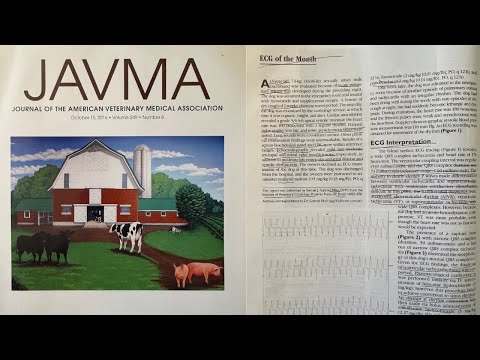
- Electrocardiogram (ECG): This is the definitive test for diagnosing SVT. The ECG records the electrical activity of the heart and clearly identifies the origin and pattern of the abnormal rhythm. In supraventricular tachycardia in dogs, the ECG shows narrow, rapid complexes originating above the ventricles, which distinguishes SVT from ventricular tachycardia, a different and often more immediately dangerous arrhythmia.
- Echocardiography: An ultrasound examination of the heart evaluates its structure and function, identifies any underlying structural disease, and assesses whether the fast heart rate has already begun to affect cardiac muscle performance.
- Chest X-rays: Radiographs help assess heart size and identify any fluid accumulation in the lungs associated with reduced cardiac output.
- Blood tests: A full biochemistry panel including electrolytes, thyroid function, and complete blood count helps identify systemic conditions contributing to the arrhythmia.
- Holter monitoring: A portable ECG device worn over 24 to 48 hours captures intermittent episodes of SVT that may not be present during a brief clinic visit. This is particularly useful when symptoms are episodic.
The table below compares the key features that distinguish supraventricular tachycardia from other common canine arrhythmias on ECG:
| Arrhythmia Type | Origin | ECG Appearance | Typical Heart Rate |
|---|---|---|---|
| Supraventricular tachycardia (SVT) | Atria or AV node | Narrow QRS complexes, rapid and regular | 180 to 300+ beats per minute |
| Ventricular tachycardia (VT) | Ventricles | Wide, bizarre QRS complexes | 150 to 300+ beats per minute |
| Atrial fibrillation | Atria (chaotic) | Irregular rhythm, no distinct P waves | Variable, often 150 to 250+ |
| Sinus tachycardia | SA node (normal but fast) | Normal QRS, identifiable P waves | 160 to 220 (in response to stimulus) |
Treatment for Supraventricular Tachycardia in Dogs
Treatment for supraventricular tachycardia in dogs is guided by the severity of the episode, the dog’s clinical stability, and the underlying cause. Treatment goals are to slow or normalise the heart rate, maintain adequate circulation, and address the cause where identifiable.
- Emergency stabilisation: In dogs presenting with acute, sustained SVT and haemodynamic compromise, intravenous medications are used to rapidly slow the heart rate and restore more effective cardiac output. This is carried out in a clinic or emergency veterinary setting with continuous ECG monitoring.
- Vagal manoeuvres: In some cases, applying brief pressure to the eyeballs (ocular pressure) or carotid sinus can trigger the vagus nerve and transiently slow SVT enough to break the arrhythmia. This is performed by a veterinarian and is not appropriate for home use.
- Anti-arrhythmic medications: Oral medications such as diltiazem, atenolol, sotalol, or digoxin may be prescribed for long-term rhythm control depending on the specific arrhythmia type and the dog’s overall cardiac status. The choice of drug depends on the SVT subtype and any concurrent heart disease.
- Treatment of underlying causes: Correcting electrolyte imbalances, treating infections, adjusting offending medications, or managing systemic illness often leads to improvement or resolution of SVT.
- Long-term monitoring: Dogs with persistent SVT require regular ECG monitoring, clinical reassessment, and periodic blood tests to ensure that medications remain effective and that the underlying condition is being appropriately managed.
Dogs managing supraventricular tachycardia in dogs often experience periods of anxiety related to restricted activity, frequent veterinary visits, and the unsettling nature of episodic symptoms. A calm, consistent home environment helps reduce unnecessary cardiac stimulation.
Always consult your veterinarian before introducing any supplement alongside cardiac medication, as some ingredients can interact with anti-arrhythmic drugs.
Related Products
Prognosis for Dogs With Supraventricular Tachycardia
The prognosis for supraventricular tachycardia in dogs depends significantly on the underlying cause and how well the arrhythmia responds to treatment. The following general picture applies:
- Dogs with SVT secondary to a treatable and reversible cause, such as an electrolyte imbalance or a medication effect, often have an excellent prognosis once the underlying issue is resolved.
- Dogs with SVT associated with structural heart disease have a prognosis that depends on the nature and severity of their primary cardiac condition. SVT adds to the cardiac burden but can often be managed alongside the primary disease with appropriate medication.
- Dogs with idiopathic SVT that responds well to anti-arrhythmic medication can live comfortably for extended periods with regular monitoring and medication adherence.
- Dogs in whom SVT is poorly controlled or in whom the underlying disease progresses significantly have a more guarded outlook.
Regular veterinary follow-up, including ECG monitoring and blood tests, is essential for all dogs with a confirmed diagnosis of supraventricular tachycardia in dogs.
Caring for a Dog With a Heart Rhythm Disorder
Day-to-day care at home plays an important role in the wellbeing of a dog living with supraventricular tachycardia in dogs. Practical steps that make a meaningful difference include:
- Administer all prescribed medications consistently at the correct times each day. Missing doses of anti-arrhythmic drugs can allow the arrhythmia to return.
- Avoid situations that cause intense excitement or sustained physical exertion, both of which can trigger or worsen SVT episodes.
- Monitor your dog’s resting respiratory rate and energy levels daily. A significant change is worth noting and reporting to your veterinarian.
- Ensure fresh water is always available and offer a balanced, nutritious diet. Discuss any dietary supplements or changes with your vet before implementing them.
- Keep a brief diary of any episodes of weakness, fainting, or abnormal breathing, including the time, duration, and what the dog was doing beforehand. This information is very useful for your veterinary team.
- Attend all scheduled follow-up appointments, even when your dog appears to be doing well.
When Should You Seek Veterinary Help?
Contact your veterinarian promptly or go directly to an emergency clinic if your dog experiences any of the following:
- Fainting or collapse, even if the dog appears to recover quickly
- Severe difficulty breathing or open-mouth breathing at rest
- Sudden significant weakness or inability to stand
- Pale, grey, or bluish gums
- A sustained rapid heartbeat that you can feel or see through the chest wall
- A sudden worsening of previously stable symptoms
A dog that has already been diagnosed with supraventricular tachycardia in dogs and is on medication should be seen as an emergency if any of the above signs occur, as they may indicate that the arrhythmia is no longer adequately controlled.
Supporting Rescue Dogs With Cardiac Conditions
Rescue organisations across India sometimes encounter dogs with undetected cardiac conditions, including heart rhythm disorders such as SVT. These dogs may have been living with intermittent weakness or episodes of collapse that went unnoticed or were attributed to other causes. Routine cardiac screening during intake examinations, including auscultation and ECG where indicated, helps identify these conditions early.
Dogs with diagnosed cardiac arrhythmias can often be successfully rehomed with appropriate disclosure, medication, and monitoring protocols in place. With the right veterinary support and compassionate caregiving, many dogs with supraventricular tachycardia in dogs live well and comfortably for extended periods. Rescue work reminds us that a cardiac diagnosis is not the end of a dog’s story. It is simply the beginning of a different and very manageable chapter of care.
Summary
Supraventricular tachycardia in dogs is an uncommon but important cardiac condition that causes the heart to beat too fast for efficient function. Recognising the symptoms, seeking prompt veterinary assessment, and following a consistent treatment and monitoring plan are the most important steps a pet parent can take. Many dogs with supraventricular tachycardia in dogs go on to live comfortable, active lives with appropriate medical management. If your dog is showing signs of weakness, fainting, rapid breathing, or exercise intolerance, please do not delay in seeking veterinary advice. Early evaluation and diagnosis open the door to effective management and a better quality of life for your dog.