It can start with something that seems fairly ordinary, your dog is a little quieter than usual, not finishing meals, perhaps vomiting once or twice. But when these signs persist or worsen, and your dog begins to look uncomfortable around the abdomen, it is worth taking seriously. Bile leakage in dogs, a condition where bile escapes into the abdominal cavity and causes inflammation, is one of those situations where early veterinary involvement genuinely changes the outcome. The earlier it is identified and treated, the better the chances of a good recovery.
What is Bile Leakage in Dogs?
Bile is a digestive fluid produced by the liver and stored in the gallbladder. It is released into the small intestine to help break down fats during digestion. Under normal circumstances, bile stays within the bile ducts and gallbladder where it belongs.
Bile leakage in dogs occurs when bile escapes from the gallbladder or bile ducts into the abdominal cavity. This leakage, whether due to a rupture, injury, or obstruction, causes the bile to come into contact with the lining of the abdomen. Bile is highly irritating to the surrounding tissue, which triggers a significant inflammatory response. This condition is known medically as bile peritonitis.
Think of it this way: digestive fluid that is perfectly useful inside the digestive tract becomes a source of serious irritation when it leaks where it should not be. The body responds with inflammation, and without treatment, the condition worsens over time.
Symptoms of Bile Leakage in Dogs
The symptoms of bile leakage in dogs can develop gradually or appear more suddenly depending on the cause and severity of the leak. Here is what to watch for:
- Abdominal pain, which may show as a tense or rigid belly, hunched posture, or reluctance to be touched around the abdomen
- Vomiting, often repeated and not resolving with basic home care
- Complete or partial loss of appetite
- Lethargy and reduced activity levels
- Fever, which may only be detected through a veterinary examination
- Jaundice, visible as yellowing of the whites of the eyes, gums, or skin, particularly noticeable in dogs with lighter colouring
- Signs of dehydration such as dry gums, reduced skin elasticity, or sunken eyes
- A progressively distended or swollen abdomen as fluid accumulates
Jaundice is a particularly important sign to note. If your dog’s eyes or gums have a yellowish tint alongside abdominal discomfort, do not wait. This indicates that the liver or bile system is significantly affected and needs veterinary assessment without delay.
How Bile Leakage Typically Presents
One reason bile peritonitis can be difficult to identify early is that the initial symptoms can look very similar to a routine stomach upset. A dog that vomits once or twice and seems off their food does not immediately suggest something as specific as bile leakage. The signs often begin mildly and worsen progressively over hours to days.
| Stage | What You Might Notice | Action |
|---|---|---|
| Early | Mild lethargy, reduced appetite, occasional vomiting | Monitor closely, consult vet if not improving within 12 to 24 hours |
| Progressing | Persistent vomiting, visible abdominal discomfort, reluctance to move | Contact vet the same day |
| Advanced | Yellow eyes or gums, swollen abdomen, weakness, fever | Seek veterinary attention immediately |
If your dog seems uncomfortable around the belly and is not improving with rest and a light diet, trust your instinct and get them checked. These signs can sometimes look like a simple stomach issue in the beginning, but if your dog seems increasingly uncomfortable or stops eating entirely, early veterinary involvement is always the right choice.
Causes of Bile Leakage in Dogs
Several underlying conditions or events can lead to bile leakage in dogs. Understanding the causes helps put the condition in context and explains why it can affect dogs of varying ages and backgrounds.
- Gallbladder rupture: This is one of the most common causes of bile peritonitis. The gallbladder can rupture due to a mucocoele, which is an abnormal accumulation of mucus that causes the gallbladder to over-distend, or due to inflammation and infection of the gallbladder wall known as cholecystitis. When the gallbladder ruptures, bile spills directly into the abdominal cavity.
- Trauma: Road accidents, falls from height, and blunt abdominal injuries are common in Indian dogs, particularly rescued street dogs. Trauma can damage the gallbladder, liver, or bile ducts and cause bile to leak into surrounding tissue. This is why any dog that has been involved in an accident should be assessed by a vet even if they appear superficially uninjured.
- Liver disease: Severe liver conditions can compromise the integrity of bile ducts and the surrounding hepatic tissue, increasing the risk of bile leakage over time.
- Bile duct obstruction: When the bile duct becomes blocked, pressure builds within the system. If the obstruction is not relieved, it can lead to rupture of the gallbladder or bile ducts, resulting in leakage into the abdomen.
- Surgical complications: In rare cases, bile leakage can occur following abdominal surgery involving the liver, gallbladder, or bile ducts. This is uncommon but is something your vet will monitor for carefully after any relevant procedure.
- Parasites and infections: Certain parasitic or bacterial infections affecting the liver and biliary system can weaken the walls of the gallbladder or bile ducts and contribute to leakage in severe cases.
In rescue dogs or dogs with a history of untreated illness, bile leakage may sometimes be identified later than in dogs with regular veterinary care. This is not a reflection of poor care by whoever is looking after the dog — many of these cases arise from conditions that developed silently over time.
Related Videos


When Should You Seek Immediate Help?
Bile leakage in dogs is a condition that worsens with time. If you notice any of the following signs, contact your vet the same day rather than monitoring at home:
- Your dog’s abdomen appears visibly swollen or feels tense and painful to the touch
- Yellowing of the eyes, gums, or skin is visible
- Vomiting continues despite withholding food
- Your dog is significantly weaker than normal or reluctant to stand or walk
- Your dog collapses or cannot bear weight
- A recent road accident or abdominal injury has occurred, even if the dog appeared fine initially
Abdominal injuries from road accidents deserve special mention. Dogs can appear relatively stable immediately after trauma and deteriorate over the following twelve to twenty-four hours as internal leakage and inflammation develop. Always have a dog assessed by a vet after any significant accident, regardless of how they seem on the outside.
Diagnosis: How Vets Identify Bile Leakage
Diagnosing bile leakage in dogs involves several steps, as many of the initial symptoms overlap with other abdominal conditions. Your vet will take a systematic approach:
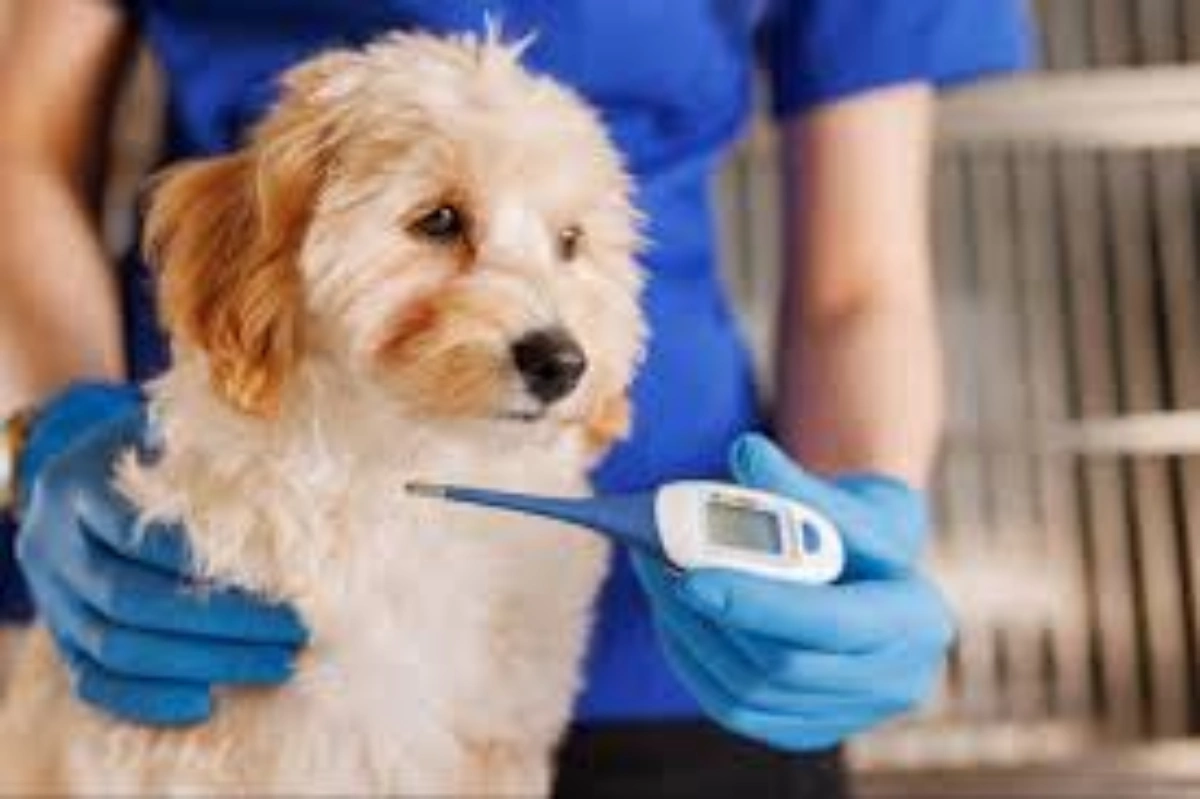
- Physical examination: The vet will palpate the abdomen carefully, check for pain, tenderness, and distension, and assess the gums and eyes for signs of jaundice. Vital signs including temperature, heart rate, and respiratory rate will also be checked.
- Blood tests: Liver enzyme levels, bilirubin levels, and other markers in the blood can indicate whether the liver and biliary system are under stress. Elevated bilirubin is a strong indicator that bile is not flowing normally within the body.
- Ultrasound: This is typically the most informative imaging tool for identifying bile leakage. An ultrasound can visualise the gallbladder, identify rupture or abnormal distension, and detect free fluid in the abdominal cavity which may be bile-stained.
- Abdominal fluid analysis: If free fluid is found in the abdomen, a small sample may be drawn using a fine needle and analysed to confirm whether it contains bile. This is one of the most definitive steps in confirming bile peritonitis.
- X-rays: Abdominal X-rays can support the diagnosis by showing abnormal fluid accumulation or gas patterns that suggest peritonitis.
Be prepared for the diagnostic process to take some time if your dog is unwell. Your vet will prioritise stabilisation alongside investigation and will update you as findings become clear.
Treatment for Bile Leakage in Dogs
Once bile leakage in dogs is confirmed, treatment involves two phases: stabilising the patient and addressing the underlying source of the leak.
1. Stabilisation: Before surgery can be considered, the vet will work to bring your dog into a safer condition. This typically includes intravenous fluids to address dehydration and shock, broad-spectrum antibiotics to reduce the risk of peritoneal infection, pain management, and supportive care for any organ dysfunction.
2. Surgery: In most confirmed cases of bile peritonitis, surgery is required. The goal of surgery is to identify the source of the leak, repair or remove the damaged structure such as the gallbladder, and thoroughly flush the abdominal cavity to remove as much bile as possible. The technical term for gallbladder removal is cholecystectomy. In some cases, bile duct repair or reconstruction may also be needed.
3. Post-operative intensive care: After surgery, dogs are monitored closely in the clinic. This includes watching for complications such as continued infection, liver function changes, and fluid balance. The length of hospitalisation depends on how the dog responds to surgery and their condition going in.
This is a serious condition that requires hospital-level care. There is no effective home treatment for bile peritonitis, and delaying surgery once it is recommended significantly reduces the chances of a good outcome.
Prognosis and Recovery
The outlook for dogs with bile leakage depends largely on how quickly the condition is identified and treated. Dogs that receive timely surgical intervention while still in a reasonably stable condition have a significantly better chance of full recovery than those where treatment is delayed.
For many dogs, the recovery period following surgery lasts several weeks. Energy levels and appetite may return slowly, and some dogs will need ongoing liver support or dietary management depending on the extent of the underlying condition. With consistent post-operative care and regular follow-up with the vet, many dogs go on to live well after treatment.
Post-Treatment Care at Home
Once your dog is discharged from the clinic, home care plays an important role in recovery from bile leakage treatment:
- Controlled, gentle diet: Your vet will advise on an appropriate post-operative diet. This is typically low in fat and easy to digest. Avoid any rich, oily, or heavily seasoned food during the recovery period.
- Medication compliance: Give all prescribed medications at the correct dose and complete the full course. Antibiotics, liver support medications, and pain relief are commonly prescribed after surgery for bile peritonitis.
- Wound monitoring: Check the surgical site daily for any signs of redness, swelling, or discharge and report anything unusual to your vet promptly.
- Restricted activity: Keep your dog calm and limit movement for the duration recommended by your vet. Avoid stairs, jumping, and vigorous activity until the surgical site has fully healed.
- Monitoring appetite and energy: A gradual improvement in appetite and energy over the first week is a positive sign. Let your vet know if your dog remains uninterested in food or seems unusually weak beyond the initial recovery period.
- Follow-up appointments: These are important for monitoring liver function and confirming that recovery is progressing as expected. Do not skip these visits even if your dog appears to be doing well.
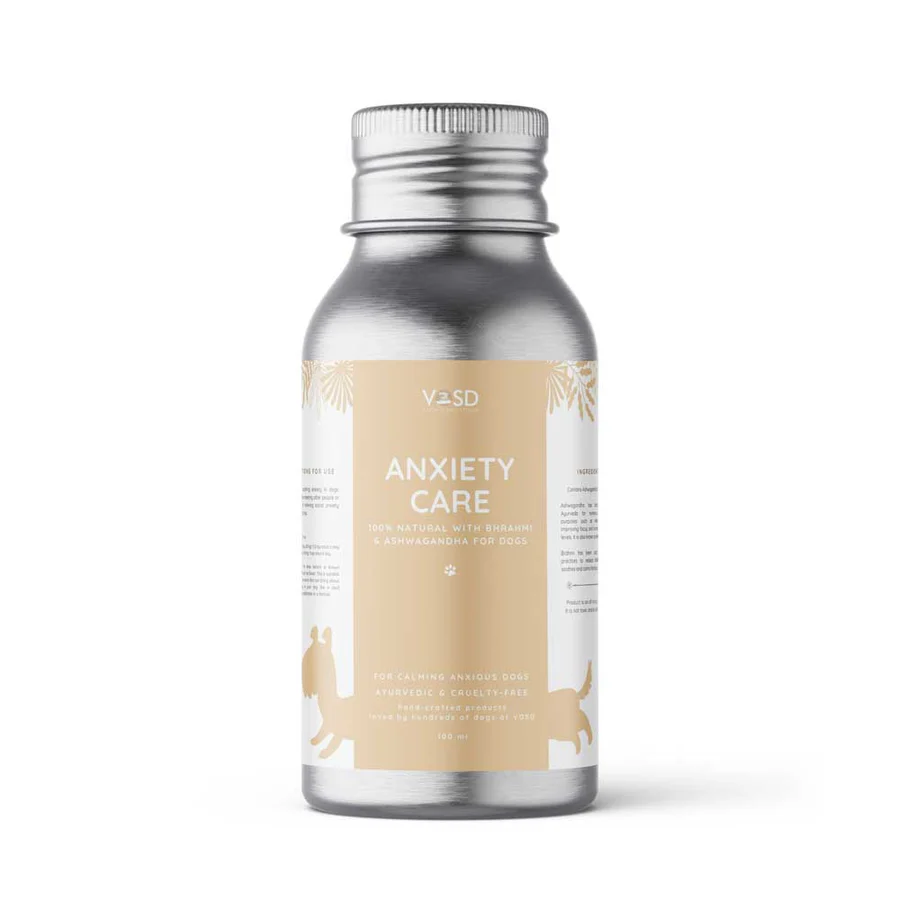
Supporting your dog’s general wellbeing during recovery, including managing any anxiety from the change in routine and activity restriction, can also help the healing process. VOSD Anxiety Care may be helpful for dogs that show signs of stress during the recovery period at home. Always speak to your vet before starting any new supplement for a dog that has recently had surgery.
Related Products
Prevention and Risk Awareness
Not all cases of bile leakage in dogs can be prevented, particularly those arising from genetic predispositions or spontaneous gallbladder disease. However, there are practical steps that support early detection and reduce risk:
- Schedule regular veterinary check-ups at least once a year, twice for senior dogs. Routine blood tests can detect liver and biliary abnormalities before they progress to a crisis
- Do not dismiss persistent vomiting, reduced appetite, or unexplained lethargy. These are worth investigating even when the dog seems otherwise acceptable in themselves
- Protect dogs from road accidents and falls where possible, particularly dogs that spend time outdoors in Indian urban environments
- Dogs with known liver conditions or a history of gallbladder disease should be monitored more closely and seen by a vet at the first sign of any digestive or abdominal symptoms
Being observant and acting early when something seems off is the most effective tool a pet parent has. Bile leakage in dogs that is caught and treated before it has progressed significantly gives your dog a real chance at a full recovery.