
Strongyloidiasis in dogs is an intestinal parasitic infection that tends to fly under the radar compared to more commonly discussed worm infections, but it is a genuine concern, particularly for puppies, rescued dogs, and dogs living in damp or overcrowded conditions. In many rescue cases across India, persistent diarrhoea in young dogs that does not respond to standard deworming points back to this specific parasite.
The reassuring part is that strongyloidiasis in dogs is very much treatable when identified correctly, and with good hygiene practices and regular veterinary care, it is also largely preventable.
What Is Strongyloidiasis in Dogs?
Strongyloidiasis in dogs is caused by a small parasitic roundworm called Strongyloides stercoralis. Unlike many other intestinal worms, Strongyloides has a unique and somewhat complex lifecycle that allows it to multiply inside the host without reinfection from the outside environment, which is part of what makes it harder to clear in some cases.
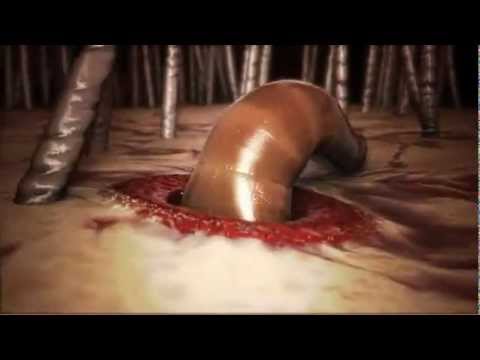
Adult female worms live embedded in the lining of the small intestine, where they produce eggs that hatch into larvae. These larvae are passed in the faeces and can develop in soil into infective forms that penetrate directly through the skin of a new host. In dogs with compromised immunity, larvae can also migrate through the body’s own tissues in a process called autoinfection, leading to more widespread illness.
| Feature | Detail |
|---|---|
| Causative organism | Strongyloides stercoralis (parasitic roundworm) |
| Primary site of infection | Small intestine |
| Most affected | Puppies, immunocompromised dogs, dogs in damp or overcrowded conditions |
| Transmission routes | Skin penetration from contaminated soil, ingestion, mother to puppy |
| Key concern | Persistent diarrhoea, poor growth, potential systemic spread |
How Do Dogs Get Strongyloidiasis?
Strongyloidiasis in dogs can be acquired through several routes, many of which are directly relevant to Indian conditions during and after the monsoon season when moisture creates ideal conditions for larval survival in soil.
- Skin penetration from contaminated soil: This is the most common and distinctive route of Strongyloides infection. Infective larvae present in damp, faecally contaminated soil can actively burrow through a dog’s skin during contact with the ground. Dogs that sleep on bare damp earth, walk through contaminated areas, or live in shelters with poor drainage face regular exposure through this route. The larvae then migrate through the body to eventually reach the intestine.
- Ingestion of contaminated material: Dogs can also swallow infective larvae through contaminated food, water, or by licking soil or surfaces where infected faeces have been deposited. In multi-dog households and rescue kennels, this route is particularly relevant where faecal contamination of shared spaces is difficult to fully control.
- Mother to puppy transmission: An infected mother dog can pass Strongyloides larvae to her puppies through her milk during nursing. This is why entire litters sometimes show signs of infection from a very young age, even before they have had significant independent outdoor exposure. This vertical transmission route is one of the key reasons puppies are disproportionately affected by strongyloidiasis.
- Autoinfection in immunocompromised dogs: Dogs with weakened immunity due to illness, malnutrition, or medication can experience internal reinfection where larvae produced in the intestine re-enter the body’s tissues without passing through an external environmental stage. This can cause strongyloidiasis to persist and worsen even without new environmental exposure.
Symptoms of Strongyloidiasis in Dogs
The symptoms of strongyloidiasis in dogs range from mild digestive disturbance to significant systemic illness in severe or untreated cases. The presentation depends on the dog’s age, immune status, and the burden of infection.
Digestive signs:
- Persistent diarrhoea, sometimes watery, that does not resolve with standard treatment
- Blood or mucus in the stools in more severe cases
- Vomiting in some dogs, particularly puppies
- Loss of appetite and reduced interest in food
- Gradual weight loss or failure to gain weight in growing puppies
- A pot-bellied appearance in puppies with significant worm burden
Skin signs at larval entry sites:
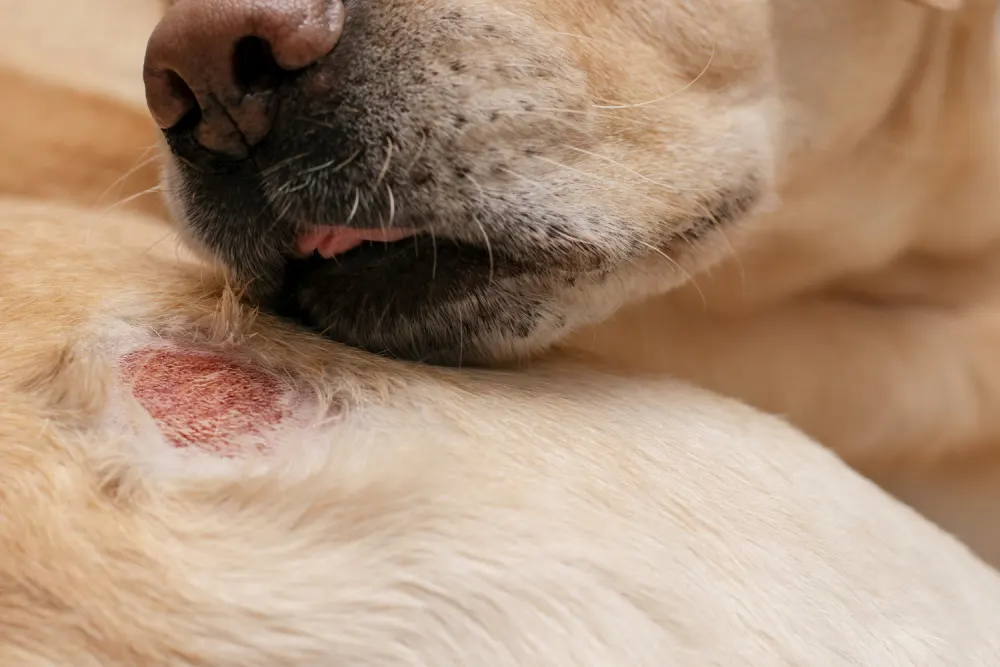
- Mild redness, irritation, or itching at the paws, belly, or any area with frequent ground contact
- These skin signs are often subtle and easily missed, particularly in dogs with darker or thicker coats
General signs:
- Lethargy and reduced activity, particularly in puppies
- Poor coat condition and a dull, rough appearance to the fur
- Dehydration in dogs with significant ongoing diarrhoea
Signs of severe or disseminated infection:
- Coughing or respiratory signs if larvae migrate through the lungs during the body migration phase
- Fever and systemic illness in dogs with immune compromise and widespread larval migration
If your dog or a puppy in your care has had loose stools for more than three to four days despite basic management, or if a puppy is consistently underweight and growing poorly compared to its littermates, these are signs worth investigating with a vet rather than managing at home.
Related Videos


When to See a Vet
Contact your vet if your dog shows any of the following:
- Diarrhoea lasting more than three days despite basic dietary management
- Blood or mucus in the stools
- Persistent vomiting alongside loose stools
- Visible weight loss or failure to grow normally in a puppy
- Signs of dehydration such as dry gums, sunken eyes, or skin that does not spring back when gently pinched
- Any coughing or breathing changes in a dog with gastrointestinal symptoms
Strongyloidiasis in dogs does not resolve on its own and requires specific antiparasitic medication. Routine deworming products used at home do not reliably treat Strongyloides, which is another reason why veterinary diagnosis and targeted treatment matter.
Diagnosis of Strongyloidiasis in Dogs
Diagnosing strongyloidiasis in dogs requires specific stool examination techniques, as Strongyloides larvae are identified differently from the eggs of other common intestinal worms. This is one reason why the infection is sometimes initially missed.
- Stool examination: A fresh stool sample examined using specialised techniques such as the Baermann method, which allows larvae to migrate out of the stool into water for easier detection, is the most reliable way to identify Strongyloides. Standard faecal float tests used for other worms may miss it. Your vet may ask for multiple samples collected on different days, as larval shedding can be intermittent.
- Clinical signs and history: The combination of persistent diarrhoea, poor body condition, known exposure to damp or contaminated environments, and the dog’s age are all relevant to the diagnostic picture. A history of rescue from a shelter, kennel, or street environment with poor hygiene strengthens the suspicion of strongyloidiasis.
- Response to targeted treatment: In some cases, particularly where repeated stool testing has been inconclusive, a vet may make a working diagnosis based on the clinical picture and assess the response to specific antiparasitic treatment as additional confirmation.
- Blood tests: A complete blood count may show eosinophilia, an increase in a particular type of white blood cell that commonly rises in response to parasitic infections, providing supportive evidence of an active parasitic burden.
Treatment of Strongyloidiasis in Dogs
Treatment of strongyloidiasis in dogs is effective when the correct medications are used and the full course is completed. Standard deworming products used routinely for roundworms and hookworms are often not sufficient against Strongyloides, which is why veterinary guidance matters here.
- Specific antiparasitic medications: Ivermectin and fenbendazole are the most commonly used medications for strongyloidiasis in dogs. Your vet will prescribe the appropriate drug, dose, and duration based on the dog’s weight, age, and severity of infection. Both require a prescription and should not be dosed based on internet guidelines, as incorrect dosing can cause serious side effects particularly in certain breeds.
- Repeat treatment courses: Because of the autoinfection potential of Strongyloides, a single treatment course may not be sufficient. Your vet may recommend repeat courses and follow-up stool testing to confirm the infection has been fully cleared.
- Supportive care for dehydrated or nutritionally depleted dogs: Dogs with significant diarrhoea may need oral rehydration support or intravenous fluids in more severe cases. High-quality, easily digestible nutrition during the recovery period supports intestinal healing and immune recovery.
- Treatment of the environment: Because Strongyloides larvae can survive in soil and on surfaces, treating the dog without addressing the living environment can lead to rapid reinfection. Clean and dry living spaces, regular removal of faeces, and avoiding damp, contaminated ground are all part of a complete management plan.
Prognosis and Recovery
The prognosis for strongyloidiasis in dogs treated with appropriate medication is generally good, particularly for otherwise healthy adult dogs. Puppies with significant infections who are malnourished or immunocompromised require more careful management but can recover fully with committed care.
| Condition at Diagnosis | Prognosis | What to Expect |
|---|---|---|
| Mild infection in healthy adult dog | Excellent | Full recovery with one to two treatment courses |
| Moderate infection in puppy | Good | Recovery with targeted treatment and nutritional support |
| Severe infection with dehydration or weight loss | Fair to good | Requires hospitalisation support alongside antiparasitic treatment |
| Disseminated infection in immunocompromised dog | Guarded | Extended treatment needed; outcome depends on immune status |
In rescue settings, we regularly see puppies with significant strongyloidiasis recover well once they receive the correct medication, adequate nutrition, and a clean living environment. Recovery takes consistency rather than complexity.
Caring for a Dog with Strongyloidiasis at Home
Daily care at home during and after treatment for strongyloidiasis in dogs makes a meaningful difference to how quickly the dog recovers and whether reinfection occurs:
- Remove all faeces from the living area at least twice daily. Strongyloides larvae develop in faeces and become infective in the environment within hours in warm, moist conditions.
- Keep bedding clean and dry. Wash bedding in hot water regularly during the treatment period and allow it to dry fully before reuse.
- Avoid damp, bare earth surfaces for the dog to rest or sleep on during recovery. Raised bedding or dry mats reduce skin contact with potentially contaminated ground.
- Feed small, frequent, easily digestible meals during the diarrhoea phase. Plain cooked chicken and rice, or a veterinary gastrointestinal diet, is gentle on the recovering intestine.
- Ensure fresh water is available at all times. Dogs with diarrhoea lose fluids rapidly and need consistent access to clean drinking water.
- In multi-dog households, isolate the affected dog from others during treatment and disinfect shared spaces regularly to reduce cross-contamination risk.
- Give all medication on schedule without missed doses. Follow-up stool testing as directed by your vet confirms that the infection has been fully cleared before you stop treatment.
Related Products

Prevention of Strongyloidiasis in Dogs
Preventing strongyloidiasis in dogs is largely a matter of consistent hygiene and regular veterinary parasite management:
- Follow a regular deworming schedule as recommended by your vet. Discuss whether your dog’s specific lifestyle and environment warrant testing for Strongyloides specifically, as standard deworming may not cover it.
- Keep living areas clean, dry, and well-drained. During the monsoon season, this requires extra attention as warm, wet conditions accelerate larval development in soil and on surfaces.
- Dispose of dog faeces promptly and hygienically. Do not allow faeces to accumulate in gardens, kennels, or common areas.
- Avoid allowing dogs to drink from stagnant puddles, open drains, or other potentially contaminated water sources, particularly in the monsoon months.
- For dogs in multi-pet households or rescue environments, screen new arrivals for intestinal parasites before introducing them to the resident population.
- Support your dog’s immune health through good nutrition, regular vaccination, and prompt management of any illness that might compromise immunity and increase vulnerability to autoinfection.
Risk to Humans
Strongyloides stercoralis is a zoonotic parasite, meaning it can, in some circumstances, infect humans. Children who play in contaminated soil, immunocompromised individuals, and people with frequent bare-skin contact with areas where infected dogs defecate carry the highest risk. For healthy adults with normal hygiene practices, the risk is low but not zero.
Practical precautions that protect both your dog and your family:
- Wash hands thoroughly after handling a dog undergoing treatment for strongyloidiasis or after cleaning its living area
- Avoid walking barefoot in areas where the dog defecates
- Dispose of faeces hygienically and promptly
- Keep children away from areas where infected faeces may have been deposited until the environment has been cleaned and the dog’s infection has been cleared
Strongyloidiasis in dogs is a manageable parasitic infection that responds well to the right treatment when it is correctly identified. The challenge lies in recognising it, as its symptoms are common to many gastrointestinal conditions and standard deworming does not reliably address it. For pet parents in India, particularly those caring for puppies, rescued dogs, or dogs in damp and multi-dog environments, awareness of strongyloidiasis in dogs is a practical and genuinely useful piece of knowledge.
Consistent hygiene, regular veterinary assessment, and targeted antiparasitic treatment when needed are the three pillars of managing this condition effectively. Early action when diarrhoea or poor growth is noticed, rather than waiting to see if things improve, is what makes the biggest difference to outcomes.