Healthy gums are pink. Not bright red. Not deep crimson. A consistent, salmon pink that lines the teeth evenly and blanches briefly when pressed.
When gums turn red, something has changed. And that change is almost always worth investigating.
Red gums in dogs are one of the most visible early warning signs of dental disease, and in some situations, a signal of something far more urgent. The difficulty is that the causes range from common gingivitis to heatstroke to systemic disease, and the appropriate response is very different depending on which one is present.
Learning to look at your dog’s gums and to recognise what the colour is telling you is one of the most practical things a pet parent can do.
What Do Red Gums in Dogs Mean?
Gum colour reflects the state of the tissue’s blood supply and inflammation level. Pink gums indicate healthy, well-perfused tissue with no significant inflammatory activity. When gums turn red, it means blood flow to the tissue has increased, typically as a consequence of inflammation, infection, or a physiological response to stress or disease.
The shade of red matters.
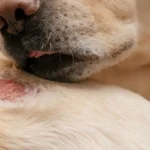
A red line running along the gum margin where the gum meets the teeth is one of the earliest visible signs of gingivitis, the mildest form of gum disease. This type of redness is localised, typically not an emergency, and in early stages is fully reversible with proper dental care.
Bright red or cherry red gums affecting the entire mouth are a different situation entirely. This pattern can indicate overheating, heatstroke, carbon monoxide exposure, or toxin ingestion, all of which require immediate veterinary attention.
The location, intensity, and context of gum redness all contribute to what it means for your dog.
Symptoms Associated with Red Gums in Dogs
Red gums rarely appear in complete isolation. Recognising the full picture of associated signs helps establish urgency and guide the veterinary conversation.
Common Clinical Signs
- A red or inflamed line along the gum margin, particularly where gum meets teeth
- Swelling or puffiness of the gum tissue
- Bleeding gums, either spontaneously or when touched
- Persistent bad breath that worsens over time
- Excessive drooling, sometimes with blood-tinged saliva
- Difficulty eating, dropping food, or reluctance to chew
- Pawing at the mouth or rubbing the face
- Loose teeth in more advanced cases
Redness typically begins at the gum line and spreads as the underlying condition progresses. A dog that had a faint red line at the last veterinary visit and now has swollen, bleeding gums has moved from early gingivitis toward active periodontal disease. The progression is not always rapid, but it is consistent when the underlying cause is not addressed.
Causes of Red Gums in Dogs
Causes span from the common to the critical. Identifying which is present drives everything that follows.
Gingivitis and Periodontal Disease (Most Common)
This is the most frequent cause of red gums in dogs and the one most directly within a pet parent’s ability to prevent. Plaque, the sticky bacterial film that accumulates on teeth daily, triggers an immune response in the surrounding gum tissue. The gums become inflamed, red, and swollen along the margin.
Left unaddressed, gingivitis progresses to periodontal gum disease in dogs, where the infection spreads below the gum line and begins destroying the ligaments and bone that hold the teeth in place. By this stage, the redness is accompanied by deeper inflammation, bleeding, recession, and often significant pain.
Gingivitis is reversible. Periodontal disease is not. That distinction makes early intervention enormously important.
Heatstroke or Overheating (Emergency Cause)
Bright red gums in a dog that is panting heavily, appears distressed, or has been exposed to high temperatures are a medical emergency. During heatstroke, the body attempts to compensate for dangerously elevated core temperature by dramatically increasing blood flow to the mucous membranes, producing the characteristic bright red colouration.
This is not a dental problem. It is a systemic crisis. A dog showing bright red gums alongside heavy panting, confusion, weakness, or collapse requires immediate emergency veterinary care. Do not wait.
Injury, Trauma, or Oral Irritation
Localised redness around a specific area of the mouth often points toward a physical cause: a cut from chewing a sharp object, a burn from hot food, a foreign body lodged in the gum tissue, or an abrasion from vigorous chewing. This type of redness is typically limited to one area and accompanied by obvious localised swelling or a wound.
Toxins and Poisoning
Certain chemical exposures and toxin ingestions can cause red or inflamed gums as part of a broader systemic reaction. If redness appears suddenly alongside other signs such as vomiting, tremors, excessive salivation, or altered behaviour, poisoning must be considered, and veterinary care must be sought immediately.
Blood and Circulatory Disorders
Redness that presents as spotted or speckled discolouration, known as petechiae, rather than uniform redness, suggests a blood or clotting disorder. Petechiae are small, pinpoint haemorrhages in the tissue caused by platelet dysfunction or clotting failure. Conditions affecting blood viscosity or clotting, including blood thickening disorders in dogs, can manifest in gum appearance. This presentation requires urgent blood testing and systemic evaluation.
Systemic Diseases (Advanced Cases)
Some systemic conditions can produce gum redness or colour changes as a secondary sign. Hypertension, metabolic disease, immune-mediated conditions, and certain infections can all affect gum tissue. Blood-related deficiencies in dogs can alter gum colour significantly, producing pale, red, or mottled appearances depending on the specific deficiency and its severity.
When gum redness appears alongside signs of broader systemic illness, weight loss, lethargy, or changes in drinking and urination, the investigation must extend well beyond the mouth.
Related Videos


How Veterinarians Diagnose Red Gums in Dogs
The diagnostic goal is to identify the cause of the redness, not simply to describe it. The examination and any further testing are directed toward understanding what is driving the change.
Oral Examination
The veterinarian examines the entire mouth, assessing gum colour, the distribution of redness, the presence and extent of plaque and tartar, gum pocket depth, and signs of bleeding on contact. The pattern of redness, whether it is localised or generalised, and whether it is accompanied by swelling or recession, all inform the working diagnosis.
Blood Tests and Systemic Evaluation
When the redness is generalised, bright, or accompanied by signs of systemic illness, blood tests are essential. A complete blood count and biochemistry panel assess organ function, red and white blood cell status, platelet counts, and clotting function. These results identify or rule out systemic disease as the underlying driver.
Dental X-rays
Where periodontal disease is suspected as the cause, dental radiographs assess the extent of bone loss below the gum line, detect root involvement, and identify hidden infection. The visible degree of gum redness often underrepresents the actual depth of disease when periodontal involvement is significant.
Treatment for Red Gums in Dogs
Treatment is entirely determined by the underlying cause. There is no single approach that applies across the spectrum of conditions that produce red gums.
Dental Cleaning and Plaque Removal
When gingivitis or early periodontal disease is the cause, professional dental cleaning under anaesthesia is the cornerstone of treatment. Scaling removes tartar from above and below the gum line, root planing removes bacterial deposits from root surfaces, and polishing reduces future plaque adhesion.
In genuinely early gingivitis, thorough professional cleaning combined with consistent at-home brushing can fully resolve the gum redness and restore healthy tissue. This is one of the few dental conditions where the clock can genuinely be turned back, provided the intervention comes early enough.
Medications (Antibiotics and Anti-inflammatory)
Where bacterial infection is established or the inflammatory response requires direct management, antibiotics and anti-inflammatory medications are prescribed. Oral antiseptic rinses or gels are often used alongside systemic medication to reduce bacterial load at the gum surface.
Immunosuppressive medications may be required in cases where an immune-mediated process is contributing to the gum inflammation.
Emergency Treatment (Heatstroke and Toxicity)
When bright red gums indicate heatstroke or toxic exposure, the priority is immediate stabilisation. For heatstroke, this means rapid cooling, intravenous fluid support, and monitoring of organ function. For toxin exposure, decontamination and specific antidotes or supportive care are administered depending on the substance involved.
These situations cannot be managed at home and should never be treated as something that can wait until a regular appointment.
Related Products



Prognosis and Complications
Mild gingivitis caught early carries an excellent prognosis. With proper treatment and consistent at-home care, the gums return to normal colour and function, and the disease does not progress.
Untreated gingivitis progresses to periodontal disease, which is irreversible. Bone loss, tooth loss, chronic pain, and systemic bacterial spread are the documented consequences of long-term, unmanaged gum infection.
Systemic causes of red gums carry a prognosis that depends entirely on the underlying condition. Heatstroke managed promptly often carries a good outcome. Advanced systemic disease identified late carries a more guarded prognosis.
Preventing Red Gums in Dogs
The majority of red gum cases caused by dental disease are preventable.
Regular Dental Hygiene
Brushing your dog’s teeth two to three times per week is the most impactful preventive measure available. It removes the plaque that drives inflammation before it can harden into tartar and before the bacteria can establish the infection that causes gum redness. Starting this habit early makes it sustainable long term.
Routine Veterinary Checkups
Annual professional dental examinations detect early gum changes before they become clinical disease. A faint red line along the gum margin identified at a routine check is a simple problem to address. The same dog two years later, with established periodontal disease and bone loss, is a far more complex one.
Monitoring Gum Colour Regularly at Home
Make checking your dog’s gums a regular part of handling and grooming. Lift the lip, look at the gum colour, and assess whether anything has changed since the last time you looked. Salmon pink, consistent, and without obvious redness or swelling is what you are looking for. Any deviation from that is worth noting and raising with your vet at the earliest opportunity.
When to See a Veterinarian
Seek immediate veterinary care if your dog shows any of the following:
- Bright red gums alongside heavy panting, weakness, or collapse (possible heatstroke)
- Spotted or speckled red discolouration on the gums (possible clotting disorder)
- Sudden onset of gum redness alongside vomiting, tremors, or behavioural change (possible toxin exposure)
- Bleeding gums that do not settle
- Refusal to eat combined with visible gum inflammation
- Any gum colour you have not seen before and cannot explain
Do not delay a veterinary assessment for gum changes that concern you. In dental disease, the difference between early and late intervention is the difference between a reversible condition and permanent damage.