
Immune-mediated thrombocytopenia (ITP) in dogs is a serious autoimmune condition in which the dog’s own immune system mistakenly identifies and destroys platelets, the blood cells responsible for clotting. This canine thrombocytopenia can lead to life-threatening internal or external bleeding if not diagnosed and treated promptly. ITP is one of the most common platelet disorders in dogs, and recognizing the early signs can make all the difference in saving your dog’s life. Whether you’re a concerned pet parent or a caregiver, understanding this condition is critical.
What is ITP in Dogs?
Platelets, also known as thrombocytes, are tiny blood cells that play a vital role in blood clotting. When a dog gets injured, platelets rush to the wound site, clump together, and form a plug to stop bleeding. In a dog with immune-mediated thrombocytopenia, the immune system produces antibodies that mistakenly attack and destroy these platelets, often faster than the bone marrow can replace them. The result is a dangerously low platelet count, leaving the dog vulnerable to spontaneous bleeding, even without any injury. This condition is not contagious but can progress rapidly without medical intervention.
Types of ITP in Dogs
There are two main types of ITP in dogs:
- Primary ITP (Idiopathic): The immune system attacks platelets for no identifiable underlying reason. This is the most common form and is considered a true autoimmune disease.
- Secondary ITP: Platelet destruction is triggered by an underlying cause, such as:
- Tick-borne infections (e.g., Ehrlichia, Rocky Mountain Spotted Fever)
- Certain medications or vaccines
- Cancer or tumors (e.g., lymphoma)
- Other autoimmune diseases (e.g., lupus)
Identifying the type is essential, as secondary ITP requires treating the root cause alongside managing platelet levels.
Symptoms of ITP in Dogs
Low platelet levels in dogs can cause a wide range of bleeding-related symptoms. These signs may appear suddenly and escalate quickly:
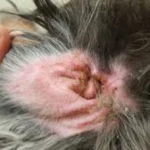
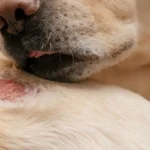
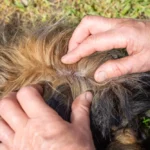
- Petechiae: Tiny, pinpoint red or purple spots on the skin, gums, or whites of the eyes, one of the most recognizable signs of ITP
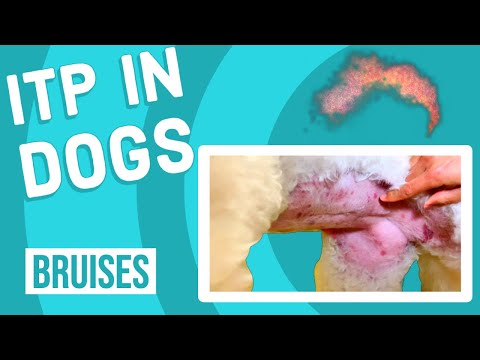
- Bruising (Ecchymosis): Unexplained bruises appearing on the belly, inner thighs, or gums
- Nosebleeds (Epistaxis): Frequent or prolonged bleeding from the nose
- Blood in urine (Hematuria): Urine appearing pink, red, or brown
- Blood in stool (Melena/Hematochezia): Black, tarry, or visibly bloody stools
- Prolonged bleeding from minor wounds: Cuts or injections that won’t stop bleeding
- Lethargy and weakness: The dog appears tired, uninterested, or reluctant to move
- Pale gums: Indicating possible internal bleeding or anemia
- Vomiting blood: A serious sign requiring immediate veterinary attention
Emergency Signs, Seek Immediate Vet Care If You Notice: Collapse, uncontrolled bleeding, bloody vomit, or sudden extreme weakness. These indicate a life-threatening platelet crisis.
Causes of ITP in Dogs
Understanding why platelets drop in dogs helps guide the right treatment. The most common causes of ITP in dogs include:
- Autoimmune Dysfunction: The immune system malfunctions and generates antibodies against the dog’s own platelets. This is the hallmark of primary ITP.
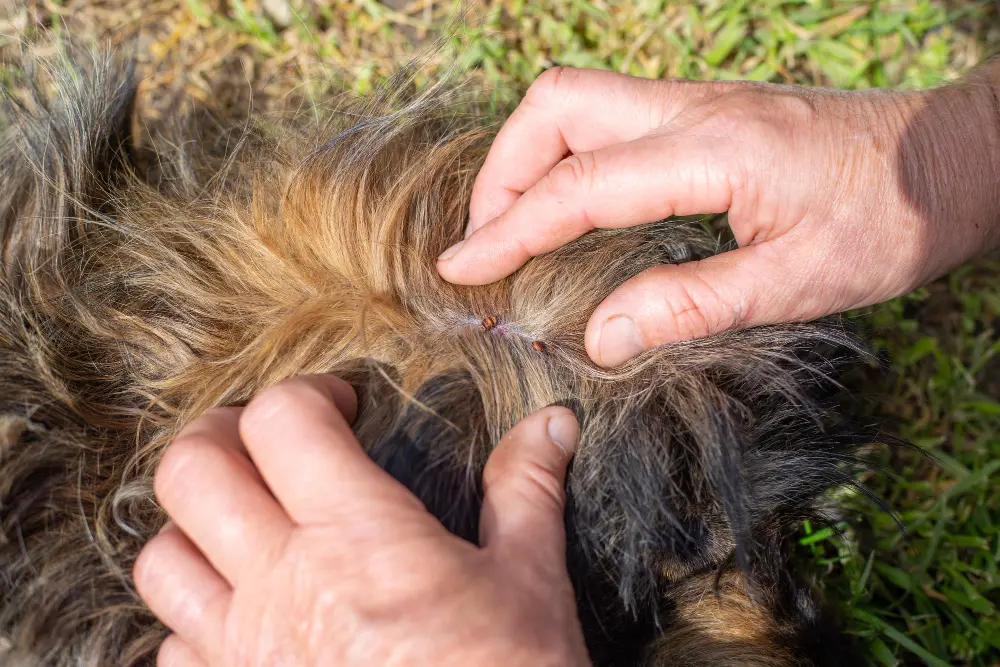
- Tick-Borne Diseases: Infections like Ehrlichiosis, Anaplasmosis, and Rocky Mountain Spotted Fever are major triggers of secondary ITP, particularly in dogs with outdoor exposure.
- Medications and Vaccines: Certain drugs (sulfonamides, chemotherapy agents) and, rarely, vaccines can provoke an immune reaction that reduces platelets.
- Cancer: Lymphoma and other malignancies can suppress platelet production or trigger immune-mediated destruction.
- Other Infections: Viral infections (e.g., parvovirus) or bacterial sepsis can also lead to reduced platelet counts.
- Other Immune Diseases: Conditions like systemic lupus erythematosus (SLE) can accompany or cause ITP.
Risk Factors
Certain dogs are more predisposed to developing ITP:
- Breeds: Cocker Spaniels, Poodles, Old English Sheepdogs, and German Shepherds show higher incidence
- Age: Middle-aged to older dogs are more commonly affected
- Sex: Female dogs, particularly intact females, are diagnosed with primary ITP more frequently than males
- Lifestyle: Dogs with heavy tick exposure or those on long-term medications carry elevated risk
Related Videos


Diagnosis of ITP in Dogs
Diagnosing thrombocytopenia in dogs involves several steps to confirm low platelet counts and identify the underlying cause:
- Complete Blood Count (CBC): The first and most important test. A normal platelet count in dogs ranges from 200,000 to 500,000 per microliter. In ITP, counts often fall below 50,000, and may drop under 20,000 in severe cases.
- Blood Smear Examination: A microscopic review of the blood to assess platelet size and morphology, and to rule out platelet clumping (which can falsely lower counts).
- Coagulation Tests (PT/PTT): To evaluate overall clotting ability and differentiate ITP from other bleeding disorders like DIC (Disseminated Intravascular Coagulation).
- Tick-Borne Disease Panel: Screens for infections like Ehrlichia and Anaplasma that commonly cause secondary ITP.
- Bone Marrow Aspiration: Recommended in refractory or atypical cases to evaluate platelet production and rule out cancer.
- Antinuclear Antibody (ANA) Test: Used to detect lupus or other systemic autoimmune conditions.
- Abdominal Ultrasound/X-rays: To look for tumors, enlarged lymph nodes, or organ abnormalities that suggest secondary causes.
A thorough diagnostic workup is essential before beginning immunosuppressive treatment.
Treatment of ITP in Dogs
Treatment for ITP in dogs aims to suppress the immune system’s attack on platelets and address any underlying cause. The approach depends on severity:
- Corticosteroids (Prednisone/Dexamethasone): The first line of treatment. High doses suppress the immune response and reduce platelet destruction. Most dogs respond within 1-2 weeks.
- Immunosuppressants: In cases that don’t respond to steroids, drugs like azathioprine, cyclosporine, or mycophenolate mofetil are added to the protocol.
- Vincristine: A low-dose chemotherapy drug that stimulates rapid platelet release from the bone marrow, often used in acute, life-threatening cases.
- Blood or Platelet Transfusions: Used when platelet counts drop to dangerously low levels or when active bleeding cannot be controlled. Provides temporary stabilization.
- Hospitalization: Severely affected dogs may need IV fluids, oxygen support, and close monitoring in a veterinary ICU setting.
- Treating Underlying Causes: If secondary ITP is confirmed, antibiotics (for tick disease), discontinuation of causative drugs, or cancer therapy are prioritized.
- Long-Term Management: Some dogs require months of tapering steroid therapy. Regular CBC monitoring is essential to track platelet counts and adjust medication.
Home Care & Management
Once your dog is stable and recovering, home care plays a key role:
- Prevent injuries: Restrict vigorous activity, jumping, and rough play during recovery to avoid trauma-induced bleeding
- Monitor closely: Watch daily for new petechiae, unusual bruising, nosebleeds, or changes in stool/urine color
- Medication adherence: Never skip or abruptly stop steroids; always follow the vet’s tapering schedule
- Soft diet if needed: Avoid hard chews or bones that could injure the gums and cause bleeding
- Follow-up appointments: Regular blood tests are essential to monitor platelet recovery and avoid relapse
Prognosis & Life Expectancy
The outlook for dogs with ITP varies based on how quickly treatment begins and whether an underlying cause is identified. With prompt and appropriate treatment, approximately 70-90% of dogs with primary ITP achieve remission. However, relapses are common; around 30-40% of dogs experience at least one recurrence, requiring renewed treatment. Secondary ITP carries a more guarded prognosis, largely dependent on the underlying disease (e.g., cancer vs. a treatable infection). Dogs diagnosed early, treated aggressively, and monitored regularly have the best chance at a long, good-quality life. Keeping a realistic but hopeful perspective is important; many dogs live normal lives after successful treatment.
When to See a Vet
Do not wait if your dog shows any of the following signs; these are emergencies:
- Uncontrolled or spontaneous bleeding from any body part
- Collapse or sudden inability to stand
- Rapid or labored breathing combined with pale gums
- Blood in vomit or large amounts of blood in stool
- Sudden extreme lethargy or loss of consciousness
If you notice any of these signs, take your dog to an emergency veterinary clinic immediately. Early intervention can be life-saving in acute ITP crises.
Prevention Tips
While primary ITP cannot always be prevented, you can reduce the risk of secondary ITP and support your dog’s immune health:
- Tick prevention: Use vet-approved tick preventatives year-round, especially in tick-endemic areas
- Vaccination awareness: Discuss vaccine schedules with your vet, avoid unnecessary over-vaccination in predisposed breeds
- Regular vet checkups: Routine blood work can catch early platelet changes before symptoms appear
- Prompt treatment of infections: Address any infections quickly to prevent immune complications
- Healthy lifestyle: A balanced diet and a stress-reduced environment support overall immune function