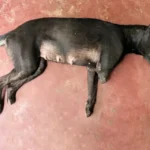

Often, we see dogs come in with swollen legs or a distended abdomen and owners are at a loss to explain it, especially when the dog has been eating. When chronic diarrhoea, gradual weight loss, and this kind of fluid accumulation appear together, intestinal protein loss in dogs is a condition that deserves serious consideration. It can be easy to attribute these symptoms to other causes, but identifying what is actually happening allows for the right treatment to begin and makes a real difference to the dog’s long-term wellbeing.
What is Intestinal Protein Loss in Dogs?
Intestinal protein loss in dogs, also known as protein-losing enteropathy or PLE, occurs when proteins, particularly albumin, leak out of the intestines into the gut rather than being absorbed into the bloodstream. Albumin is one of the most important proteins in the body. It maintains the balance of fluid between blood vessels and surrounding tissues, supports immune function, and carries essential nutrients and medications through the bloodstream.
When albumin levels in the blood fall, the body loses its ability to hold fluid in the right places. Fluid shifts out of blood vessels and into tissues and body cavities, causing the visible swelling that is one of the most recognisable signs of this condition. At the same time, the dog’s overall nutritional and immune status suffers, making recovery from illness harder and leaving the body progressively weaker without intervention.
How Intestinal Protein Loss Affects the Body
Think of albumin as one of the body’s key structural building blocks for maintaining normal fluid balance. When the gut leaks it away faster than it can be replaced, several things happen simultaneously. Fluid accumulates in the abdomen, around the lungs, or in the legs. The immune system loses a key component of its defence capacity. Wound healing slows. Medications that bind to albumin for transport around the body become less effective. The overall effect is a dog that looks increasingly unwell over time, often without an immediately obvious single cause.
Symptoms of Intestinal Protein Loss in Dogs
The symptoms of intestinal protein loss in dogs develop gradually and are often attributed to other causes before the correct diagnosis is made. Here is what to watch for:
- Swelling of the abdomen, which may feel fluid-filled and soft rather than firm
- Swelling of the legs or paws, particularly below the elbows and knees
- Weight loss that continues despite the dog eating a reasonable amount
- Chronic or intermittent diarrhoea that does not fully resolve with standard treatment
- Lethargy and progressive reduction in energy and activity
- Dull, dry, or poor-quality coat that does not reflect the diet being offered
- Reduced appetite over time as the condition progresses
- Occasional difficulty breathing if fluid accumulates around the lungs
The swelling, or oedema, is often what brings owners to the vet, as it is visible and clearly not normal. But the other signs, particularly the chronic diarrhoea and gradual weight loss, may have been present for some time before the swelling becomes obvious.
Causes of Intestinal Protein Loss in Dogs
Intestinal protein loss in dogs is not a disease in itself but a consequence of an underlying condition affecting the intestinal lining. Several conditions can cause it:
- Intestinal parasites: In India, heavy or chronic parasite burdens from roundworms, hookworms, whipworms, or giardia are among the most common contributors to protein loss in dogs, particularly in rescued strays and dogs without a consistent deworming history. Hookworms in particular cause blood and protein loss from the intestinal wall.
- Inflammatory bowel disease: Chronic inflammation of the intestinal lining damages the normal absorption barrier, allowing proteins to leak into the gut. IBD is one of the more commonly identified underlying causes of protein-losing enteropathy in dogs.
- Lymphangiectasia: This is a condition where the lymphatic vessels in the intestinal wall become dilated and dysfunctional, causing protein-rich lymph to leak directly into the gut. It is one of the specific diagnoses made when intestinal protein loss in dogs is confirmed.
- Severe or chronic infections: Bacterial infections of the gut, including Helicobacter and certain forms of bacterial enteritis, can damage the intestinal lining sufficiently to cause protein loss over time.
- Intestinal tumours: Both benign and malignant growths in the intestinal wall can disrupt the integrity of the mucosa and contribute to protein leakage. This is less common but important to rule out during investigation, particularly in older dogs.
- Poor early nutrition: Dogs with a prolonged history of malnutrition, as is common in many rescued street dogs in India, may have a compromised intestinal lining that is more susceptible to protein loss when any additional insult occurs.
| Underlying Cause | Common in Which Dogs | Treatable? |
|---|---|---|
| Intestinal parasites | Rescued street dogs, undewormed dogs | Yes, with appropriate deworming |
| Inflammatory bowel disease | Any dog, more common in middle age | Manageable long-term |
| Lymphangiectasia | Any breed, some genetic predisposition | Manageable with diet and medication |
| Chronic gut infections | Dogs with poor sanitation exposure | Yes, with targeted treatment |
| Intestinal tumours | Older dogs | Depends on type and stage |
Related Videos


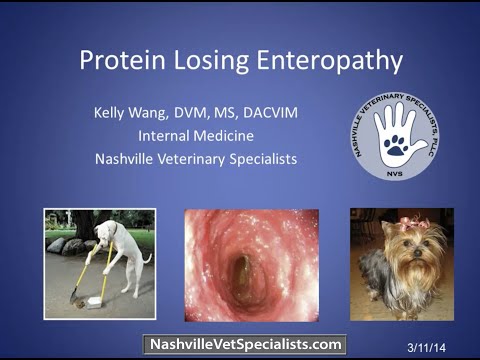


Diagnostics: How Vets Confirm Intestinal Protein Loss
Confirming intestinal protein loss in dogs and identifying the underlying cause requires a systematic approach. Your vet will likely recommend the following:
- Blood tests: A serum albumin level is the most direct indicator of protein loss. Low albumin, or hypoalbuminaemia, is the hallmark finding. Total protein levels are also measured. Additional blood work assesses organ function, white cell counts, and markers of inflammation.
- Stool examination: A faecal test checks for parasites including worms and protozoa such as giardia. This is an essential early step, particularly for dogs in India with outdoor access or a rescue background, as parasitic causes are common and highly treatable.
- Ultrasound: Abdominal ultrasound assesses the intestinal wall for thickening, assesses lymph node size, looks for masses, and identifies free fluid in the abdomen. It is one of the most informative non-invasive tools for evaluating the extent of intestinal involvement.
- Additional protein-specific tests: A faecal alpha-1-protease inhibitor test can confirm that protein is being lost specifically through the intestine rather than through the kidneys or liver, which have their own loss mechanisms.
- Intestinal biopsy: In cases where the cause cannot be identified through less invasive means, a biopsy of the intestinal wall obtained through endoscopy or surgery provides the most definitive diagnosis. Tissue analysis under a microscope can identify IBD, lymphangiectasia, infection, or tumour.
Treatment for Intestinal Protein Loss in Dogs
Treatment for intestinal protein loss in dogs is directed at both correcting the protein deficit and addressing the underlying cause. There is no single approach that works for every dog, as the cause determines the treatment path.
- Treating the underlying cause: If parasites are identified, appropriate deworming is the first priority and often produces rapid improvement. If IBD is diagnosed, immunosuppressive or anti-inflammatory medication is used to reduce gut inflammation and allow the intestinal lining to recover its normal absorptive capacity. If lymphangiectasia is identified, a very low-fat diet is the cornerstone of management as dietary fat travels through the lymphatic system and exacerbates lymphatic dilation.
- Dietary management: The right diet depends on the underlying cause. For many dogs with intestinal protein loss, a highly digestible, low-fat, moderate-to-high-quality protein diet supports recovery. Your vet will guide the specific dietary requirements based on the diagnosis. Commercial hydrolysed or hypoallergenic diets are sometimes recommended. Home-cooked options such as plain boiled chicken with rice can be used short-term under veterinary guidance.
- Fluid therapy: Dogs with significant fluid accumulation or severe hypoalbuminaemia may require intravenous colloid therapy to temporarily restore oncotic pressure while the underlying condition is treated. This is a supportive measure to address the immediate consequences while longer-term treatment takes effect.
- Medications: Anti-inflammatory drugs, immunosuppressants such as prednisolone, and antiparasitic agents are prescribed based on the diagnosis. Vitamin B12 supplementation is often needed as malabsorption commonly affects cobalamin levels alongside protein.
- Long-term management: Intestinal protein loss in dogs caused by chronic conditions such as IBD or lymphangiectasia typically requires ongoing dietary management and periodic monitoring of albumin levels to ensure treatment remains effective.
Home Care and Diet Support
At home, supporting your dog during recovery and long-term management involves several practical steps:
- Follow the dietary plan your vet has recommended consistently. Avoid introducing new foods, treats, or supplements without discussion, as even small dietary deviations can worsen symptoms in some conditions.
- Feed small, frequent meals to reduce the digestive load at any one time and improve the efficiency of what absorption is possible.
- Keep fresh water available at all times to support hydration and gut function.
- Monitor your dog’s abdomen and legs weekly. If swelling increases, contact your vet rather than waiting for a scheduled appointment.
- Keep all follow-up appointments even when your dog appears to be improving. Albumin levels need to be rechecked periodically to confirm that protein status is being maintained.
Related Products
Prognosis: What to Expect
The outlook for intestinal protein loss in dogs varies considerably based on the underlying cause. Dogs whose protein loss is caused by a treatable condition such as parasites or a bacterial infection often recover very well once the cause is addressed, with albumin levels normalising over several weeks to months of treatment.
Dogs with IBD or lymphangiectasia can also do well, but these conditions typically require long-term dietary and medical management rather than a fixed treatment course. The goal in these cases is maintaining a stable albumin level and a good quality of life rather than achieving a complete cure.
Early detection consistently leads to better outcomes. Dogs identified and treated before albumin levels have dropped to very low levels have a significantly easier recovery than those in whom the condition has progressed substantially before being diagnosed.
When to Seek Veterinary Help
Contact your vet if your dog shows any of the following:
- Visible swelling of the abdomen, legs, or paws that was not present before
- Persistent diarrhoea over more than three to four days without clear improvement
- Gradual but consistent weight loss over several weeks despite continued eating
- A combination of poor coat condition, lethargy, and digestive symptoms in a dog with a rescue or unknown history
- Any difficulty breathing alongside abdominal distension
Prevention Tips
While not all causes of intestinal protein loss in dogs are preventable, these steps reduce the risk and support early identification:
- Follow a consistent deworming schedule recommended by your vet. In India, where parasite exposure is high, this is particularly important and should be maintained throughout the dog’s life.
- Ensure clean, fresh water is always available to support gut health and reduce exposure to waterborne pathogens.
- Feed a consistent, nutritionally appropriate diet that supports intestinal health over time.
- Treat any chronic digestive symptoms, recurring diarrhoea, weight loss, or poor coat condition — promptly rather than allowing them to continue without investigation.
- Schedule annual veterinary check-ups that include a basic blood panel, which allows early detection of declining albumin levels before symptoms become severe.