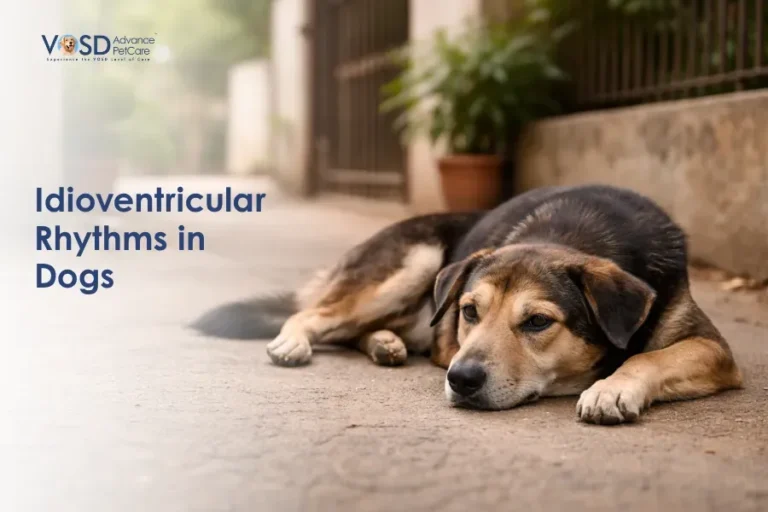
Idioventricular rhythm in dogs is a cardiac condition in which the electrical impulses that drive the heartbeat originate in the ventricles, the lower chambers of the heart, rather than from the heart’s normal pacemaker. This occurs when the sinoatrial (SA) node slows down significantly or its signals fail to reach the ventricles, causing the ventricles to generate their own slower, independent rhythm to keep the heart beating. While this may sound alarming, idioventricular rhythm in dogs is not always an emergency. In some cases it is a temporary response to illness or anaesthesia, and in others it reflects an underlying cardiac condition that requires ongoing management.
Understanding what idioventricular rhythm means, how it is recognised, and when veterinary attention is needed is the most useful knowledge a pet parent can have when this condition is identified in their dog.
What Is an Idioventricular Rhythm in Dogs?
The term idioventricular comes from the Latin idio, meaning self or independent, and ventricular, referring to the ventricles of the heart. An idioventricular rhythm in dogs therefore describes a heartbeat that is self-generated by the ventricles, independent of the normal electrical instructions from above.
In a healthy dog, each heartbeat begins with an impulse from the SA node. When this signal fails to arrive, whether because the SA node is suppressed, diseased, or its signals are blocked, the ventricles do not simply stop. They have their own intrinsic ability to generate impulses as a failsafe mechanism. However, this ventricular escape rhythm is typically slower than normal and less coordinated with the atria, which reduces the efficiency of each heartbeat.
Idioventricular rhythms are divided into two main categories based on rate:
| Type | Heart Rate Range | Clinical Significance |
|---|---|---|
| Idioventricular rhythm (slow) | 20 to 40 beats per minute in dogs | Occurs as an escape rhythm when normal pacemaker fails; requires investigation |
| Accelerated idioventricular rhythm (AIVR) | 60 to 100 beats per minute in dogs | Faster ventricular rhythm; often seen during recovery from illness or anaesthesia; may be transient |
Accelerated idioventricular rhythm (AIVR) is the more commonly encountered form and is frequently seen as a temporary finding in dogs recovering from gastric dilatation-volvulus (bloat), sepsis, trauma, or general anaesthesia. It often resolves without specific treatment once the underlying condition is addressed.
Understanding the Dog’s Heart Electrical System
To understand why idioventricular rhythms develop, a brief overview of the normal cardiac electrical system is helpful. The heart generates and conducts its own electrical impulses in a structured sequence:
- The sinoatrial (SA) node, located in the right atrium, acts as the heart’s primary pacemaker and generates regular impulses at a rate appropriate to the dog’s activity and physiological state.
- These impulses spread across both atria, causing them to contract and fill the ventricles with blood.
- The signal reaches the atrioventricular (AV) node, which briefly delays it before conducting it into the ventricles via the bundle of His and the Purkinje fibres.
- The ventricles contract together, pumping blood to the lungs and the rest of the body.
Each part of this electrical system has a built-in rate at which it can generate impulses if the signal from above fails to arrive. The SA node generates the fastest rate, the AV node a slower rate, and the ventricles the slowest. This hierarchy means that the ventricles will always produce some form of rhythm even when everything else fails, which is the physiological basis of idioventricular rhythm in dogs.
Symptoms of Idioventricular Rhythms in Dogs
The symptoms associated with idioventricular rhythm in dogs depend on the rate of the ventricular rhythm, its duration, and the underlying cause. Some dogs show no noticeable symptoms, particularly when the rhythm is an accelerated idioventricular rhythm occurring at a rate close to normal. Others show signs of reduced cardiac output, especially when the ventricular rate is very slow. Common signs include:
- Weakness or sudden episodes of wobbliness
- Lethargy and significantly reduced activity
- Fainting or collapse, particularly with slow ventricular rates
- Exercise intolerance, tiring quickly on walks or with minimal effort
- A slow, steady, or mildly irregular pulse
- Pale or greyish gums indicating reduced circulation
- Reduced appetite and general malaise
It is also worth noting that in dogs recovering from surgery, trauma, or a significant systemic illness, the incidental detection of an accelerated idioventricular rhythm on monitoring equipment without obvious symptoms is a relatively common and often self-limiting finding. In this context the rhythm reflects a transitional cardiac state rather than a new primary cardiac problem.
Related Videos


Causes of Idioventricular Rhythms in Dogs
Idioventricular rhythm in dogs arises when the SA node fails to generate or conduct impulses at an adequate rate, allowing the ventricles to take over. A range of conditions can cause or contribute to this:
- Structural heart disease: Conditions such as dilated cardiomyopathy, valvular disease, or myocarditis can damage or depress SA node function and disrupt normal conduction.
- Electrolyte imbalances: Low or high potassium, calcium, or magnesium levels alter the electrical properties of cardiac cells and can suppress the SA node while promoting ventricular escape rhythms.
- Systemic illness: Conditions including gastric dilatation-volvulus (bloat), sepsis, splenic disease, pancreatitis, and severe anaemia are commonly associated with accelerated idioventricular rhythm in dogs, particularly in the acute or recovery phase.
- Anaesthesia and sedation: Some anaesthetic agents suppress SA node activity, transiently allowing ventricular escape rhythms to emerge. These typically resolve as the drug effects wear off.
- Trauma: Blunt chest trauma or myocardial contusion can disrupt normal conduction and produce ventricular escape rhythms in the hours to days following injury.
- Drug toxicity or adverse reactions: Certain medications or toxins can depress the SA node and produce idioventricular rhythms as a consequence.
- Idiopathic causes: In some dogs no specific trigger is identified despite thorough investigation.
The table below summarises common causes and whether the idioventricular rhythm is typically temporary or persistent:
| Cause | Rhythm Type Typically Seen | Expected Duration |
|---|---|---|
| Gastric dilatation-volvulus recovery | Accelerated idioventricular rhythm (AIVR) | Transient, often 24 to 72 hours post-surgery |
| Anaesthesia effects | Slow or accelerated idioventricular rhythm | Resolves as anaesthetic clears |
| Electrolyte imbalance | Variable | Resolves with electrolyte correction |
| Blunt chest trauma | Accelerated idioventricular rhythm | Transient, typically 24 to 72 hours post-trauma |
| Structural heart disease | Slow idioventricular rhythm | Persistent, requires ongoing management |
| Severe systemic illness | Accelerated idioventricular rhythm | Often resolves as primary illness improves |
Diagnosing Idioventricular Rhythms in Dogs
Accurate diagnosis of idioventricular rhythm in dogs requires specific cardiac testing. Clinical examination alone is not sufficient to confirm the type of arrhythmia present. The diagnostic process typically includes:
- Physical examination: The veterinarian will assess the heart rate and rhythm using a stethoscope. A slow, steady, or mildly irregular rhythm may be noted, prompting further investigation.
- Electrocardiogram (ECG): This is the definitive diagnostic test for idioventricular rhythm in dogs. The ECG displays the electrical activity of the heart in real time and clearly shows the wide, abnormal-appearing ventricular complexes that characterise ventricular escape rhythms. The absence of coordinated P waves before each ventricular complex distinguishes idioventricular rhythm from normal sinus rhythm.
- Echocardiography: Ultrasound examination of the heart evaluates its structure, wall motion, and chamber function. This is essential for identifying underlying structural heart disease contributing to the rhythm disorder.
- Blood tests and electrolyte panel: Identifying electrolyte abnormalities, organ dysfunction, infection, or systemic illness helps clarify the underlying cause and guides treatment.
- Chest X-rays: Radiographs assess heart size, lung fields, and the presence of any fluid accumulation secondary to cardiac compromise.
- Holter monitoring: Continuous ECG recording over 24 to 48 hours captures the frequency and duration of idioventricular episodes, particularly when the rhythm is intermittent.
Treatment for Idioventricular Rhythms in Dogs
Treatment for idioventricular rhythm in dogs depends on the underlying cause, the ventricular rate, the presence of clinical symptoms, and whether the rhythm is expected to be transient or persistent.
- Monitoring and observation: When idioventricular rhythm is detected in a dog recovering from surgery, trauma, or acute systemic illness and the dog is stable without significant symptoms, careful monitoring without immediate intervention is often appropriate. Many cases of AIVR in this context resolve spontaneously within 24 to 72 hours.
- Treating the underlying cause: Correcting electrolyte imbalances, treating infections or sepsis, managing gastric dilatation-volvulus, or addressing other systemic illness is the priority when an identifiable cause is present. Resolving the underlying problem often leads to resolution of the rhythm abnormality.
- Anti-arrhythmic medication: When the ventricular rate is very slow and causing haemodynamic compromise, or when the rhythm is persistent and symptomatic, medications to support the heart rate or modify the rhythm may be prescribed. The choice of drug depends on the specific rhythm type and the dog’s overall cardiac status.
- Atropine or sympathomimetic drugs: In cases where excessive vagal tone or SA node depression is causing a very slow idioventricular rhythm, drugs that increase the SA node rate may help restore normal rhythm by allowing the sinus node to resume control.
- Pacemaker implantation: In dogs with a persistent slow idioventricular rhythm due to irreversible SA node disease or complete AV block, pacemaker implantation may be considered to maintain an adequate heart rate and quality of life.
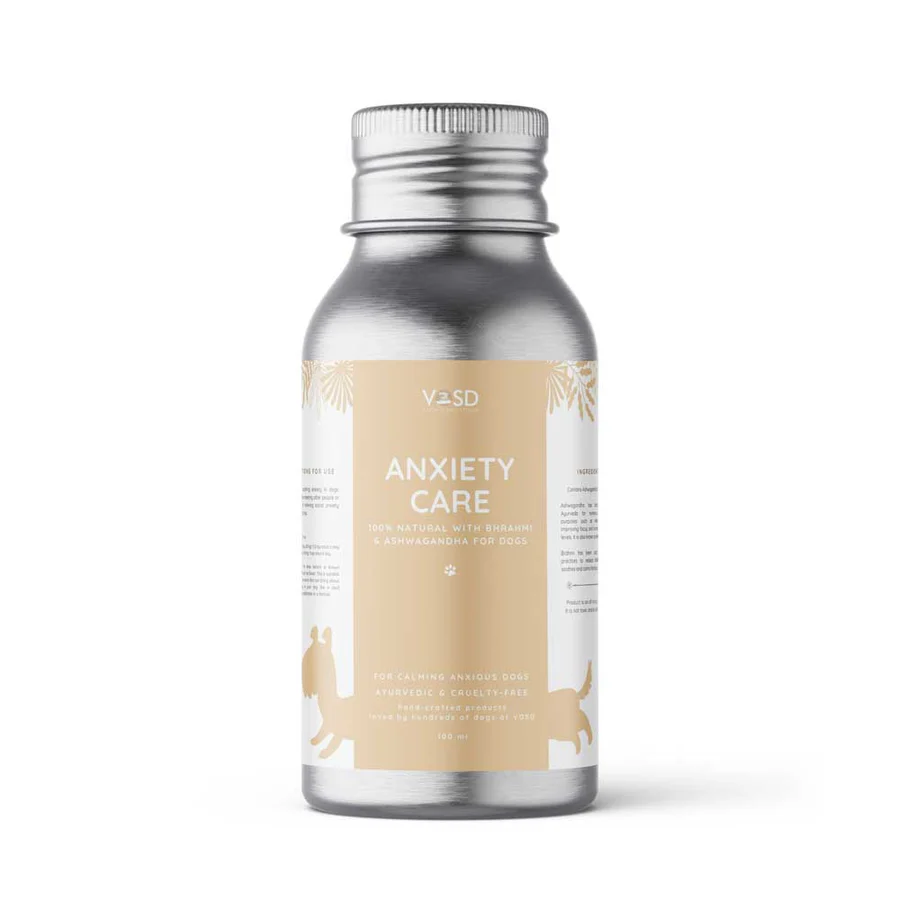
Dogs being monitored and managed for idioventricular rhythm in dogs, particularly those with restricted activity or those recovering from significant illness or surgery, often experience periods of increased stress and anxious behaviour. Providing a calm, quiet home environment is an important part of their overall recovery. VOSD Anxiety Care is gently formulated to help dogs manage stress during difficult periods. Always consult your veterinarian before introducing any supplement alongside cardiac medications or during active illness management.
Related Products
Prognosis for Dogs With Idioventricular Rhythms
The prognosis for idioventricular rhythm in dogs varies considerably depending on the underlying cause and how well it can be addressed:
- Dogs with transient AIVR secondary to recoverable conditions such as bloat surgery, anaesthesia, or trauma often return to completely normal rhythm once the primary problem is resolved. Prognosis in these cases is determined by the primary illness rather than the arrhythmia itself.
- Dogs with idioventricular rhythm caused by correctable electrolyte imbalances or systemic illness often show improvement in cardiac rhythm alongside clinical recovery.
- Dogs with idioventricular rhythm secondary to progressive structural heart disease have a prognosis that reflects the severity and stage of their cardiac condition. Long-term management with medication and monitoring can maintain quality of life for extended periods in many cases.
- Dogs with very slow idioventricular rhythms requiring pacemaker implantation often show significant improvement in energy, exercise tolerance, and quality of life following the procedure.
Caring for a Dog With a Heart Rhythm Disorder
Supporting a dog with idioventricular rhythm in dogs at home requires attention to several practical areas of daily care:
- Administer all prescribed medications consistently and at the correct times. Do not adjust doses or stop medications without veterinary guidance.
- Avoid situations that cause intense physical exertion or significant excitement, both of which increase cardiac demand and may worsen the rhythm disturbance.
- Monitor your dog’s resting respiratory rate and overall energy levels daily. A resting respiratory rate above 30 breaths per minute in a sleeping dog may indicate fluid accumulation and should be reported promptly.
- Offer a balanced, nutritious diet and ensure fresh water is always available. Discuss any dietary changes or supplements with your vet before implementing them.
- Keep a brief log of any episodes of weakness, fainting, or unusual breathing, including timing and duration, to share at veterinary appointments.
- Attend all scheduled follow-up visits, including ECG monitoring and blood tests, to track the rhythm and the dog’s response to treatment.
When Should Pet Parents Seek Veterinary Help?
Seek veterinary attention promptly if your dog experiences any of the following, whether or not a diagnosis of idioventricular rhythm in dogs has already been made:
- Fainting or collapse, even if the dog recovers quickly
- Sudden weakness or inability to stand
- Pale, grey, or bluish gums
- Laboured breathing or an elevated resting respiratory rate
- A significant and unexplained deterioration in energy or appetite
- Any new or worsening signs in a dog already receiving cardiac treatment
For dogs without a diagnosis, a slow heartbeat detected at home, repeated episodes of weakness, or any unexplained collapse are sufficient reason to arrange a veterinary appointment without delay.
Supporting Rescue Dogs With Cardiac Conditions
Idioventricular rhythms are sometimes detected in rescued dogs, particularly older animals or those recovering from traumatic events, severe illness, or prolonged neglect. In rescue settings, routine cardiac assessment during intake can identify rhythm abnormalities that might otherwise go unnoticed until a dog deteriorates significantly.
Many dogs with identified idioventricular rhythms, particularly those with AIVR related to recoverable causes, go on to be successfully treated and rehomed with no ongoing cardiac concerns. For dogs with persistent rhythm disorders requiring medication, responsible disclosure to adopters and ongoing veterinary support make successful long-term placement entirely achievable. A cardiac finding does not disqualify a dog from a loving home. It simply requires an informed and committed caregiver.
Summary
Idioventricular rhythm in dogs is a cardiac arrhythmia that ranges from a transient and self-resolving finding in a recovering dog to a persistent condition requiring long-term veterinary management. In either case, accurate diagnosis through ECG and identification of the underlying cause are the essential first steps. Many dogs with idioventricular rhythm in dogs return to normal rhythm once the contributing cause is addressed, while others are successfully managed with medication and monitoring. If your dog is showing signs of weakness, a slow or irregular pulse, exercise intolerance, or fainting, please seek veterinary evaluation promptly. Early assessment gives the clearest picture of what is happening in your dog’s heart and the best foundation for appropriate, compassionate care.