Some conditions announce themselves clearly. A broken limb. A visible wound. A sudden collapse.
Vasculitis is not one of those conditions.
It arrives quietly. A patch of unusual skin. A sore that will not heal. A dog that seems vaguely unwell without any obvious reason. Fatigue that does not fit the day’s activity. And because the symptoms are diffuse and often mimic many other conditions, it can take time before the underlying cause is identified.
Vasculitis is the inflammation of blood vessel walls. When the vessels that carry blood to the skin, organs, and tissues become inflamed, their walls weaken, leak, or narrow. Blood flow to the tissues they supply is disrupted. The consequences depend on which vessels are affected and how severely, but they can range from localised skin damage to multi-organ involvement that threatens the dog’s life.
It is not a common diagnosis, but it is a serious one. And understanding it clearly is essential for any owner whose dog is navigating this condition.
What Is Inflammation of Body Blood Vessels in Dogs?
Blood vessels are not passive tubes. Their walls are living tissue, lined with specialised cells called endothelial cells that actively regulate blood flow, prevent clotting, and serve as a barrier between the bloodstream and the surrounding tissue.
Vasculitis occurs when this endothelial lining becomes inflamed. The trigger can come from many directions: an infection, an immune system reaction, a drug exposure, a toxin, or an underlying systemic disease. Regardless of the cause, the result is damage to the vessel wall.
When a vessel wall is inflamed, several things can go wrong simultaneously. The wall becomes more permeable, allowing fluid and blood cells to leak into the surrounding tissue. The vessel may narrow, reducing blood flow to downstream tissue and causing ischaemia, a deprivation of oxygen and nutrients that leads to tissue damage or death. In some cases, clots form within the vessel in response to the damaged wall, further obstructing flow.
The clinical picture reflects these underlying changes. Skin lesions, swelling, pain, organ dysfunction, and systemic illness are all potential manifestations depending on where in the body the affected vessels lie.
Understanding related vascular conditions provides a useful context. The guide to inflammation of the superficial veins in dogs discusses localised vein inflammation, which differs from vasculitis in its scope and mechanism but shares some overlapping features that help illustrate how vascular damage presents clinically.
Types of Blood Vessel Inflammation in Dogs
Skin Blood Vessel Inflammation
Cutaneous vasculitis affects the small blood vessels within the skin and extremities. It is the more commonly recognised form in dogs and is often the presentation that first brings the condition to an owner’s attention.
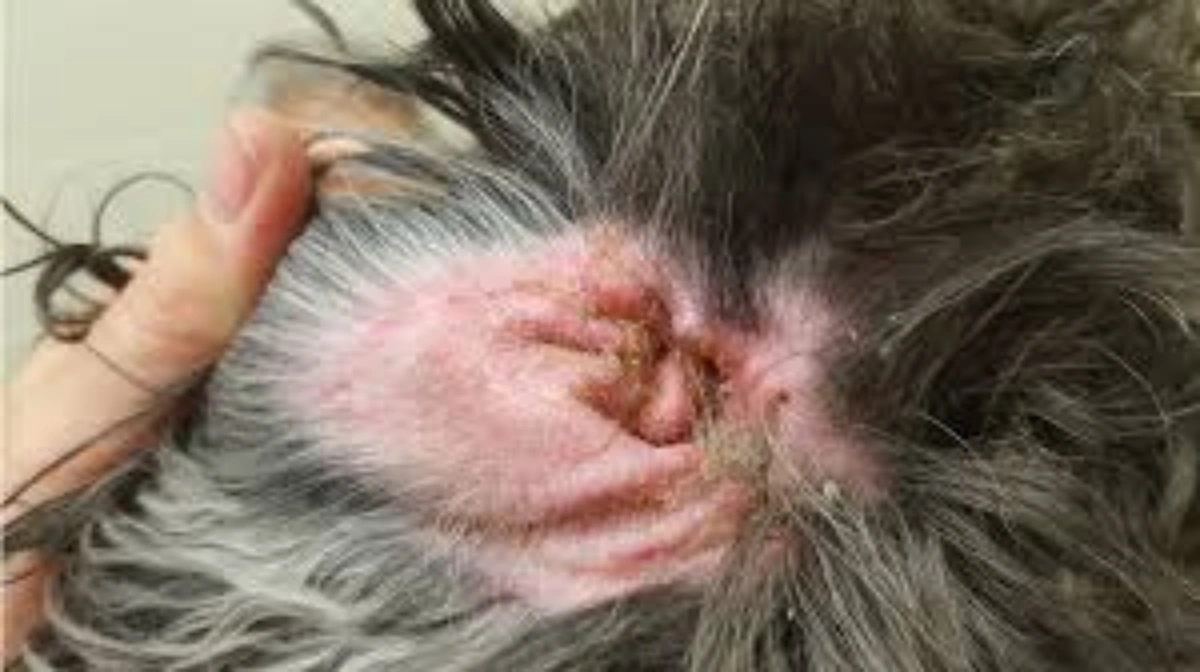
The skin over the affected areas, most frequently the paws, ears, tail tip, lips, and bony prominences, develops changes driven by the underlying vascular disruption. Poor blood supply to the skin causes the tissue to die in patches, ulcerate, and fail to heal normally. The distribution of lesions, particularly at the extremities and pressure points, reflects the vulnerability of small peripheral vessels.
Cutaneous vasculitis can occur as a disease in its own right or as the visible surface expression of a more extensive systemic process. When it is purely cutaneous, and the underlying trigger can be identified and addressed, outcomes are generally better than when it represents one element of multi-organ involvement.
Systemic Blood Vessel Inflammation
Systemic vasculitis affects vessels throughout the body, involving not just the skin but the blood supply to internal organs, including the kidneys, liver, heart, lungs, nervous system, and joints.
This form is significantly more serious than purely cutaneous disease. When the vessels supplying vital organs are inflamed, the functional consequences extend far beyond visible skin changes. Kidney damage, neurological dysfunction, cardiac arrhythmias, respiratory compromise, and joint inflammation can all result from vascular inflammation in their respective organ systems.
Systemic vasculitis requires prompt and aggressive treatment. The range of organs potentially involved means that diagnosis requires comprehensive investigation rather than assessment of the skin alone.
Symptoms of Vasculitis in Dogs
The symptoms of vasculitis are determined by which vessels are affected and how severely. No single symptom is pathognomonic, meaning uniquely diagnostic, for vasculitis. The pattern of multiple, seemingly unrelated symptoms across different body systems is often what prompts the veterinarian to investigate the vascular system as a potential common cause.
Skin-Related Signs
Skin ulcers. Open sores that develop in areas where the blood supply has been sufficiently disrupted to cause tissue death. These ulcers are often slow to heal or fail to heal entirely, reflecting the continued inadequacy of blood supply to the area.
Red or purple discolouration. Small red or purple spots called petechiae or larger bruised areas called ecchymoses appear when blood leaks from damaged vessels into the skin. Purplish discolouration that does not blanch when pressed is a particularly telling sign of vascular bleeding into the skin.
Swelling of the extremities. Fluid leaking from inflamed vessels into surrounding tissue causes oedema, most visibly in the paws, lower legs, or around the face.
Patches of skin death. Areas of necrotic tissue, appearing dark, dry, and demarcated from healthy tissue, develop when the blood supply is completely cut off to a section of skin. These areas may eventually slough off, leaving raw wounds underneath.
Crusting and scaling. The disrupted skin barrier and abnormal healing responses create areas of abnormal skin texture around lesions.
Whole-Body Symptoms
Fever. Systemic inflammation typically produces elevated body temperature. An unexplained fever in a dog with skin lesions or other symptoms should raise suspicion for an underlying inflammatory or immune-mediated process.
Lethargy. A dog with active vasculitis is often visibly less energetic than normal, showing reduced interest in walks, play, and interaction.
Weight loss and reduced appetite. Chronic inflammation increases the body’s metabolic demands while simultaneously reducing appetite, leading to progressive loss of body condition.
Pain. Tissue ischaemia is painful. Dogs with vasculitis may show signs of generalised pain, reluctance to be touched, or specific pain responses when affected areas are handled.
Swollen lymph nodes. Regional lymph nodes may enlarge in response to ongoing inflammatory activity or secondary infection.
Organ Complications
Kidney dysfunction. When the renal vasculature is affected, kidney function deteriorates. This manifests as increased thirst and urination, reduced urination in severe cases, loss of protein in the urine, and eventually signs of renal failure.
Neurological signs. Brain or spinal cord vascular involvement can cause seizures, disorientation, sudden behaviour changes, weakness, or loss of coordination.
Joint pain and swelling. Vasculitis affecting the vessels supplying joints causes a painful, swollen polyarthritis that may move between different joints over time.
Cardiac arrhythmias. Vascular inflammation affecting the heart or its conduction system disrupts the electrical signals that coordinate the heartbeat.
Respiratory signs. Pulmonary vessel involvement can cause coughing, reduced exercise tolerance, and breathing difficulty.
Related Videos


Causes of Blood Vessel Inflammation in Dogs
Infectious Causes
Many infections can trigger vasculitis by introducing organisms or their products into the bloodstream that directly damage vessel walls or trigger immune complex deposition within them.
Bacterial infections, including tick-borne diseases such as Ehrlichia, Anaplasma, and Rocky Mountain Spotted Fever, are well-documented causes of vasculitis in dogs. These organisms directly infect and damage endothelial cells. Septicaemia from any bacterial source can also trigger widespread vascular inflammation.
Viral infections, including canine distemper and various herpesvirus infections, have been associated with vascular inflammation in affected dogs.
Fungal infections such as Aspergillus and Cryptococcus can involve blood vessels, particularly in immunocompromised animals.
Parasitic infestations, including heartworm disease, can cause vascular damage through mechanical obstruction and immune-mediated reactions within the pulmonary vasculature.
Autoimmune Causes
In immune-mediated vasculitis, the dog’s own immune system incorrectly targets the blood vessel walls. Immune complexes, clusters of antibodies bound to antigens, deposit within vessel walls and trigger a destructive inflammatory response.
This form of vasculitis may occur as a primary immune-mediated disease without an identifiable external trigger, or it may be secondary to another autoimmune condition such as systemic lupus erythematosus, rheumatoid arthritis, or immune-mediated haemolytic anaemia.
Immune-mediated vasculitis tends to be chronic and relapsing in nature, requiring long-term immunosuppressive management rather than a short course of treatment.
Medication and Chemical Triggers
Drug-induced vasculitis occurs when a medication or its metabolites trigger an immune or direct toxic reaction within vessel walls. Virtually any drug can theoretically cause this reaction in a susceptible individual, though certain drug classes are more commonly implicated.
Sulphonamide antibiotics, certain vaccines, and some non-steroidal anti-inflammatory medications have been documented as triggers for vasculitis in dogs. The reaction may develop shortly after the drug is introduced or after a period of exposure in some cases.
Identifying a drug trigger is critically important because removing the offending medication is often the most effective single intervention, potentially leading to resolution without the need for long-term immunosuppressive treatment.
Toxin exposures, including certain snake venoms, insect envenomation, and environmental chemical exposures, can also directly damage vascular endothelium.
Underlying Medical Conditions
Vasculitis can develop as a secondary consequence of other diseases that create chronic inflammation, immune dysregulation, or abnormal proteins in the bloodstream.
Neoplasia. Certain cancers, particularly lymphoma and other haematological malignancies, can trigger paraneoplastic vasculitis through abnormal protein production or immune complex formation.
Chronic kidney disease creates a pro-inflammatory state that can contribute to vascular damage over time.
Chronic inflammatory disorders, including inflammatory bowel disease and chronic skin conditions, create ongoing immune activation that can, in some dogs, extend to vascular involvement.
In some cases, despite thorough investigation, no underlying cause is identified. These idiopathic cases are managed based on their clinical presentation rather than a specific trigger.
Diagnosing Vasculitis in Dogs
Diagnosing vasculitis requires two parallel lines of investigation: confirming that vascular inflammation is present and identifying the underlying cause driving it. Neither is complete without the other.
Blood and Urine Testing
Complete blood count assesses white cell patterns that indicate infection or immune activation, platelet counts that may be reduced by vascular consumption, and red cell changes associated with haemolysis or blood loss.
Biochemistry panel evaluates kidney function, liver enzymes, protein levels, and other markers of organ health that reveal whether systemic vasculitis has caused organ damage.
Urinalysis with protein assessment detects kidney involvement through protein leakage into the urine, which is a sensitive early indicator of renal vascular disease.
Specific infectious disease testing, including tick-borne disease panels, fungal titres, and heartworm testing, identifies infectious triggers that require specific treatment.
Immunological testing, including antinuclear antibody tests and complement levels, helps identify immune-mediated causes and supports the diagnosis of specific autoimmune conditions.
Imaging and Organ Assessment
Abdominal ultrasound evaluates the kidneys, liver, spleen, and lymph nodes for changes associated with systemic vasculitis. It assesses organ size, texture, and any lesions that might indicate involvement.
Chest X-rays evaluate the heart size, pulmonary vasculature, and lung fields for signs of pulmonary involvement.
Echocardiography assesses cardiac structure and function when vascular inflammation involving the heart is suspected.
Advanced imaging, including CT scanning or MRI, may be used in specialist settings to evaluate the extent of vascular and organ involvement in complex cases.
Skin or Tissue Biopsy
Histopathological examination of a biopsy taken from an affected area is the most definitive method of confirming vasculitis. The pathologist examines the tissue under a microscope and can identify the characteristic changes within vessel walls, the type of inflammatory cells involved, and the pattern of tissue damage.
The biopsy also provides information about the type of vasculitis, which influences treatment decisions. Neutrophilic, lymphocytic, and eosinophilic patterns of inflammation within vessels have different associations with underlying causes and different responses to treatment.
Skin biopsy for cutaneous vasculitis is a relatively straightforward procedure. Biopsy of internal organs requires more invasive techniques and is undertaken when the clinical picture requires it.
Treatment for Vasculitis in Dogs
Addressing the Root Cause
The most important principle in treating vasculitis is identifying and addressing the underlying cause. Without this, treating the inflammation alone is managing a consequence while the driver continues.
Infectious causes are treated with the appropriate antimicrobial agents. Tick-borne diseases respond to doxycycline. Bacterial infections are treated based on culture and sensitivity results. Fungal infections require specific antifungal therapy. Effective treatment of the infectious trigger often leads to resolution of the vasculitis.
Drug-induced vasculitis is managed by immediately discontinuing the offending medication. This is both the diagnosis and the primary treatment. Most drug-induced cases improve significantly once the causative drug is removed, though immunosuppressive treatment may be needed while the reaction resolves.
Neoplasia-related vasculitis requires treatment of the underlying cancer. The vasculitis is a paraneoplastic phenomenon that typically improves as the primary tumour responds to treatment.
Immunosuppressive Medications
For immune-mediated vasculitis where no removable trigger is identified, or where the immune reaction continues despite trigger removal, immunosuppressive treatment is necessary.
Corticosteroids, most commonly prednisolone, are the first-line immunosuppressive treatment. They reduce the immune complex deposition and inflammatory response within the vessel walls. The dose is titrated based on clinical response, starting at an anti-inflammatory or immunosuppressive level and tapering as the condition comes under control.
Second-line immunosuppressive agents, including azathioprine, cyclosporine, or mycophenolate, are added when corticosteroids alone are insufficient or when long-term steroid use creates unacceptable side effects. These agents act through different mechanisms to suppress the immune activity driving vessel inflammation.
Pentoxifylline is a medication that improves blood flow through small vessels and has anti-inflammatory properties. It is used in cutaneous vasculitis, particularly in breeds with known predisposition to ischaemic skin disease, and can be effective as a standalone treatment in mild cutaneous cases or as an adjunct in more severe disease.
Supportive Treatment
Wound care for ulcerated or necrotic skin lesions involves gentle cleaning, removal of devitalised tissue, appropriate dressings, and protection from secondary infection. Healing is often slow because the underlying vascular supply is compromised, requiring patience and consistency.
Pain management addresses the significant discomfort that tissue ischaemia and inflammation cause. Appropriate analgesia improves quality of life during the active treatment phase.
Monitoring organ function throughout treatment through regular blood and urine tests allows the veterinary team to assess treatment response and detect complications early.
Nutritional support is important in dogs that have lost condition through chronic illness. High-quality nutrition supports healing and maintains the body’s ability to mount an appropriate recovery response.
For additional context on how blood composition changes are connected to vascular disease, the guide to blood thickening in dogs and the resource on inflammation of the skin blood vessels in dogs provide complementary information on related conditions affecting the vascular system.
Related Products



Prognosis for Dogs with Vasculitis
Prognosis for vasculitis in dogs is highly variable and depends primarily on two factors: the severity of vascular damage at diagnosis and whether the underlying cause can be identified and treated.
Dogs with cutaneous vasculitis caused by an identifiable and removable trigger, such as a drug reaction or a treatable infection, often recover fully once the trigger is addressed. Skin lesions heal over weeks, and long-term management may not be required.
Dogs with immune-mediated vasculitis typically require long-term treatment and monitoring. The condition may relapse when medication is reduced. Some dogs achieve stable remission on maintenance therapy and maintain a good quality of life for extended periods.
Dogs with systemic vasculitis involving multiple organs carry a more guarded prognosis. The degree of kidney damage, neurological involvement, and overall organ function at the time of diagnosis influence how much recovery is achievable.
The dogs who do best are those in whom the underlying cause is found and addressed early, before irreversible organ damage has occurred.
Monitoring Dogs with Vasculitis
Vasculitis requires ongoing monitoring throughout and after treatment because both the disease and the medications used to treat it can cause progressive changes that need regular reassessment.
Blood and urine tests should be performed at scheduled intervals to evaluate organ function, inflammatory markers, and drug side effects. The frequency depends on disease severity and the medications being used, but monthly monitoring during active treatment and every three to six months during stable maintenance is a reasonable general framework.
At home, owners should monitor the skin lesions for any new development, worsening, or failure to heal. Changes in appetite, energy level, urination patterns, and neurological behaviour should be noted and communicated to the veterinary team promptly rather than waiting for the next scheduled appointment.
Preventing Blood Vessel Inflammation
Complete prevention of vasculitis is not possible because many of its underlying causes, including immune-mediated disease and genetic predisposition, cannot be reliably prevented.
What is within an owner’s control is reducing modifiable risk factors and ensuring early detection.
Prompt treatment of infections reduces the duration of immune complex formation and vascular stress associated with infectious disease. Early antibiotic or antiparasitic treatment when tick-borne diseases or other infections are suspected removes the infectious trigger before vascular damage becomes established.
Careful monitoring after new medications allows early identification of drug-induced reactions. Any new skin changes, swelling, or systemic signs appearing within days to weeks of starting a new medication should be reported to a veterinarian immediately.
Regular veterinary check-ups provide the opportunity to identify early laboratory changes in organ function or inflammatory markers before clinical signs become obvious.
Understanding Vasculitis Is the First Step to Managing It
Vasculitis is a complex condition. It does not have a single cause, a single presentation, or a single treatment. It requires careful investigation, a willingness to adjust treatment as new information emerges, and long-term commitment to monitoring.
But it is manageable. Many dogs with vasculitis, diagnosed accurately and treated appropriately, go on to live comfortable and meaningful lives. The condition shapes how they are managed and monitored. It does not have to define the quality of their time.
If your dog has unexplained skin lesions that will not heal, signs of organ dysfunction without an obvious cause, or a pattern of systemic illness that does not fit a simple diagnosis, vasculitis is a possibility worth investigating.
VOSD is committed to equipping dog owners with the knowledge to recognise when something is wrong and to advocate effectively for their dog’s care. Understanding what vasculitis is, what it looks like, and what treatment involves is the foundation of being the informed, engaged owner your dog needs when facing a complex medical condition.