
Plague in dogs is not something most pet parents in India will ever encounter, and that is genuinely reassuring. It is a rare condition in dogs, caused by the bacterium Yersinia pestis, and is most associated in the public mind with historical outbreaks in human populations. However, dogs can be exposed to this bacterium through flea bites and contact with infected rodents, and knowing what the signs look like means you are better placed to act quickly if something unusual does arise.
The most important thing to understand about plague in dogs is that early veterinary treatment works. Awareness, not fear, is what this article is about.
What Is Plague in Dogs?
Plague in dogs is a bacterial infection caused by Yersinia pestis, the same organism responsible for plague in humans and other animals. Dogs can become infected through flea bites from fleas carrying the bacteria, or through direct contact with infected rodents. Unlike cats, dogs tend to be relatively resistant to severe illness from Yersinia pestis, but they are not immune, and they can carry infected fleas that pose a risk to human family members.
There are three recognised forms of plague, each reflecting where the bacteria primarily establish themselves in the body:
| Form | Primary Site | Key Feature |
|---|---|---|
| Bubonic plague | Lymph nodes | Painful swollen lymph nodes (buboes), most common form |
| Septicaemic plague | Bloodstream | Bacteria spread through blood, serious systemic illness |
| Pneumonic plague | Lungs | Respiratory involvement, rarest and most severe form |
In dogs, the bubonic form is the most likely presentation when infection does occur. Dogs are considered more resistant than cats or humans to developing severe systemic plague, but they can still become significantly unwell and serve as a bridge bringing infected fleas into the home environment.
How Do Dogs Get Plague?
Understanding how plague in dogs is transmitted helps identify which animals are most at risk and where prevention is most relevant. Transmission in dogs occurs through three main routes:
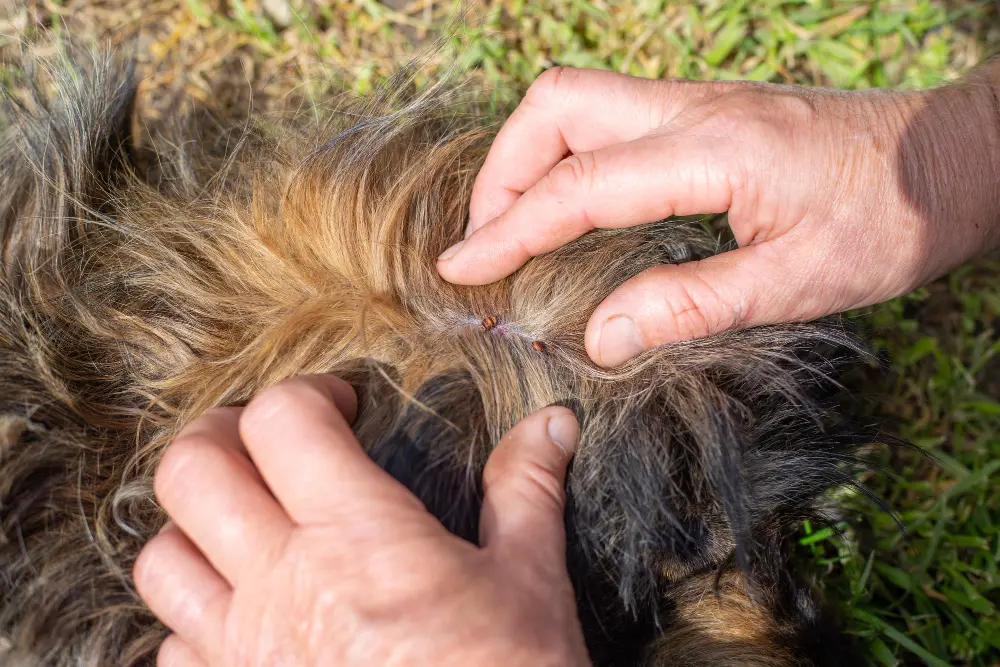
- Flea bites: This is the primary route of transmission. Fleas that have fed on infected rodents carry Yersinia pestis and can pass it to a dog during feeding. In India, areas with significant rodent populations and high flea burdens carry the greatest environmental risk, particularly in rural and peri-urban settings where dogs roam freely.
- Direct contact with infected rodents: Dogs that hunt, catch, or scavenge on rats, mice, squirrels, or other small rodents can be exposed to Yersinia pestis through bites, scratches, or contact with the rodent’s blood and tissue. This route is particularly relevant for dogs with outdoor access in areas near agricultural land, rubbish dumps, or warehousing where rodent activity is high.
- Inhalation: In rare cases, inhalation of respiratory droplets from an infected animal can lead to the pneumonic form of plague. This route is uncommon in dogs but worth noting in environments where multiple animals are housed together and one has a confirmed infection.
Plague in dogs is not transmitted through normal contact between dogs and their human families in the way respiratory infections spread. The primary human risk in a household with an infected dog comes from the fleas the dog is carrying, not from the dog itself.
Symptoms of Plague in Dogs
The symptoms of plague in dogs vary depending on which form of the infection is present and how quickly the body responds. Because dogs are relatively resistant to the most severe forms, many infected dogs show signs that are easy to mistake for other common illnesses. Here is what to watch for:
Common signs across all forms:
- Fever, often high and persistent
- Lethargy and significant reduction in normal energy and enthusiasm
- Loss of appetite and reduced water intake
- General malaise, the dog simply does not seem itself
Signs specific to the bubonic form:
- Swollen, painful lymph nodes, most commonly under the jaw, in the neck, or behind the knees
- The swellings may feel firm and hot to the touch
- The dog may resist being touched near the swollen areas
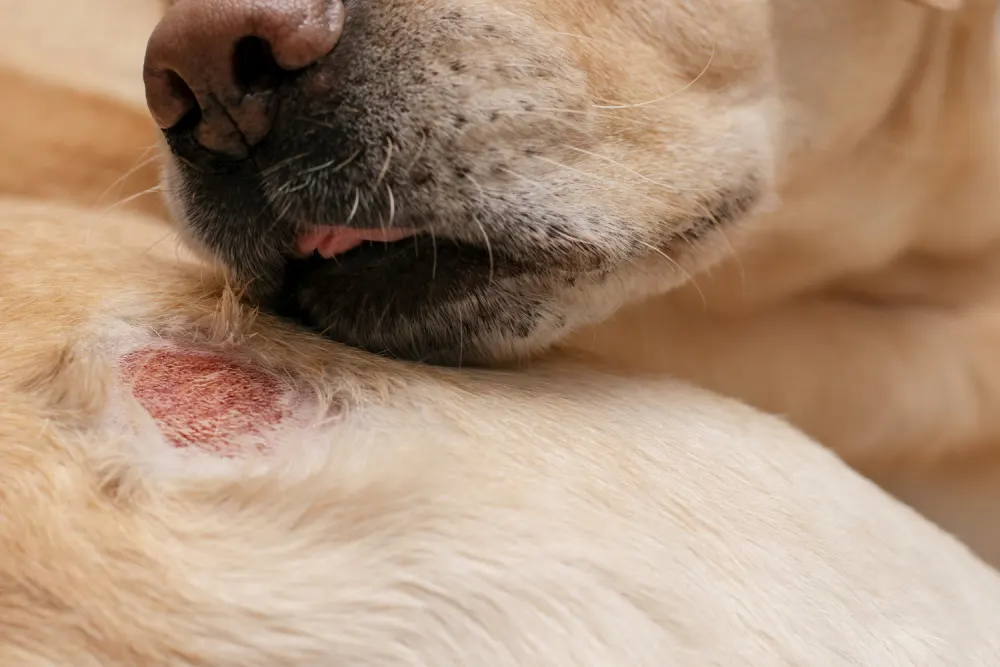
- In some cases the lymph nodes may rupture and discharge fluid
Signs of more severe systemic involvement:
- Rapid breathing or laboured breathing if lungs are affected
- Sudden extreme weakness or collapse
- Signs of bleeding such as bruising or bleeding from the nose in septicaemic cases
- Neurological signs in very advanced cases
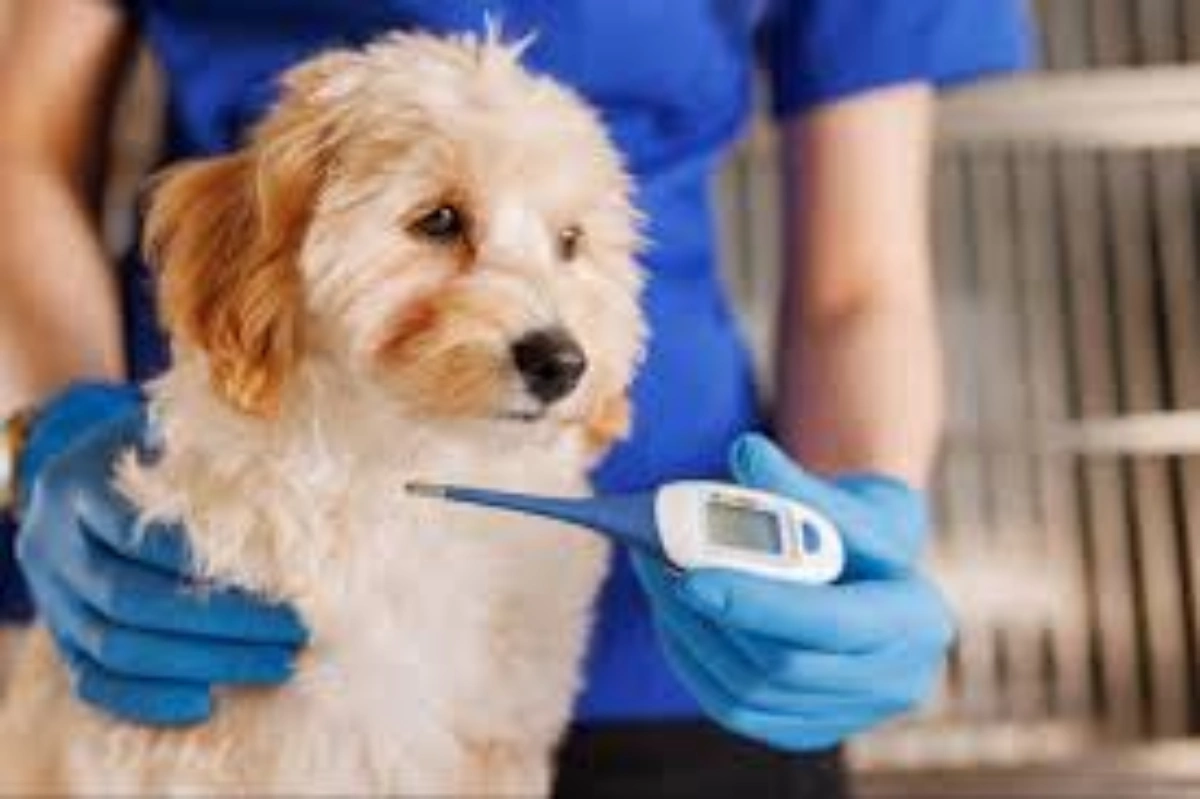
You may notice your dog flinching when the neck or armpit area is touched, or refusing to eat and drink over one to two days alongside a noticeable fever. These combined signs in a dog with known outdoor exposure to rodents or heavy flea burden should prompt same-day veterinary assessment rather than monitoring at home.
Related Videos


When to See a Vet
Contact your vet the same day if your dog shows any of the following:
- Fever alongside swollen or painful lumps near the jaw, neck, or legs
- Sudden, significant lethargy in a dog with outdoor or rodent exposure
- Any breathing difficulty or rapid, laboured breathing
- Bleeding signs such as bruising, nosebleeds, or blood in urine
- Complete refusal to eat or drink for more than 24 hours
When you call your vet, mention if your dog has had recent contact with rodents or has a heavy flea burden. This history is directly relevant to the diagnostic process and helps your vet prioritise appropriately.
Diagnosis of Plague in Dogs
Diagnosing plague in dogs requires laboratory confirmation, as the symptoms overlap with several other serious conditions including ehrlichiosis, lymphoma, and other bacterial infections. Your vet will approach diagnosis carefully and may take additional precautions given the zoonotic nature of the infection.
- Physical examination and history: Your vet will palpate the lymph nodes, assess the degree of fever, and take a detailed history including rodent contact and flea exposure. This history is often the first indicator that plague should be considered.
- Blood tests: A complete blood count and biochemistry panel assess the degree of systemic illness and help narrow the differential diagnosis. Abnormalities in white cell count and evidence of organ involvement guide the severity assessment.
- Lymph node aspirate or sample: A fine needle sample from a swollen lymph node sent for culture and PCR testing is the most direct way to confirm Yersinia pestis infection. Your vet may handle this with additional precautions due to the zoonotic risk.
- PCR testing: Polymerase chain reaction testing on blood or tissue samples can detect Yersinia pestis DNA rapidly and with high accuracy, and is available through specialist veterinary laboratories.
- Chest X-rays: If respiratory signs are present, X-rays are used to assess the lungs for involvement consistent with pneumonic plague.
Given the zoonotic significance of plague, your vet may coordinate with public health authorities if the diagnosis is confirmed. This is standard protocol and is not a reason for alarm. It ensures appropriate precautions are in place for the family and any other animals in the household.
Treatment of Plague in Dogs
Plague in dogs is treatable with antibiotics, and dogs that receive prompt, appropriate treatment have a good chance of full recovery. The key is that treatment begins quickly once the diagnosis is suspected, rather than waiting for full laboratory confirmation in a dog that is deteriorating.
- Antibiotic therapy: Antibiotics effective against Yersinia pestis, including doxycycline, gentamicin, and trimethoprim-sulphamethoxazole, are used depending on the severity of illness and the form of infection present. Your vet will select and dose based on your dog’s specific situation.
- Hospitalisation for severe cases: Dogs with systemic or pneumonic plague, or those that are severely unwell, may require inpatient care with intravenous fluids, antibiotic administration, and close monitoring. Isolation protocols are likely to be applied during this period.
- Flea treatment: Eliminating fleas from the dog simultaneously is an essential part of treatment, both to reduce ongoing bacterial exposure and to protect the human household from infected fleas.
- Supportive care: Nutritional support, hydration, and management of fever and pain form the supportive framework alongside antibiotic treatment. Dogs that are not eating may need assisted feeding or appetite stimulation during the acute phase.
- Isolation measures: Until the infection is confirmed cleared and the dog is no longer a vector risk, limiting contact between the dog and other household pets or young children is advisable as a precaution.
Prognosis and Recovery
The prognosis for plague in dogs treated early with appropriate antibiotics is generally good, particularly for the bubonic form. Dogs that begin antibiotic treatment within the first day or two of significant illness typically respond well and recover fully over one to two weeks.
| Form of Plague | Prognosis with Early Treatment | Key Factor |
|---|---|---|
| Bubonic | Good | Prompt antibiotic treatment and flea elimination |
| Septicaemic | Fair to guarded | Severity of systemic involvement and speed of treatment |
| Pneumonic | Guarded | Rapid deterioration possible; intensive care needed |
Dogs that receive delayed treatment or present with the septicaemic or pneumonic form face a more difficult recovery. The immune status and overall health of the dog at the time of infection also influences how the illness progresses. With committed veterinary care and consistent follow-through at home, many dogs recover completely and do not experience long-term effects from the infection.
Caring for a Dog with Plague at Home
For dogs recovering from plague at home following initial veterinary stabilisation, consistent daily care and careful hygiene are both important:
- Follow the antibiotic schedule prescribed by your vet exactly, without missing doses or stopping early because the dog appears to be improving
- Treat all fleas on the dog and in the home environment simultaneously. Fleas in bedding, carpeting, and furniture must be addressed alongside treatment on the dog itself
- Wash your hands thoroughly after handling the dog, its bedding, or any discharge from lymph nodes during the infectious period
- Limit the dog’s contact with other pets and with young children or immunocompromised family members until your vet confirms the infection has cleared
- Offer small, frequent, nutritious meals and keep fresh water available at all times. A dog recovering from a serious infection needs reliable nutritional support to rebuild strength
- Keep the dog comfortable, quiet, and away from the stress of high activity or other animals during the recovery period
- Attend all follow-up appointments. Blood tests during recovery confirm that the infection is clearing and allow your vet to adjust treatment if needed
Related Products




Prevention of Plague in Dogs
Preventing plague in dogs centres primarily on flea control and reducing exposure to rodents. In India’s warm climate, where fleas are active year-round and rodent populations are significant in many urban and rural areas, these steps are genuinely protective:
- Use a vet-recommended flea prevention product consistently every month throughout the year. Spot-on treatments and flea collars appropriate for your dog’s size and lifestyle are the most reliable options.
- Treat the home environment for fleas alongside the dog, as fleas in carpeting and bedding reinfest the dog rapidly if left untreated
- Discourage or prevent dogs from hunting, catching, or scavenging on rodents, particularly in areas near agricultural land, food storage, or rubbish disposal sites
- Keep living areas clean and reduce conditions that attract rodents, such as uncovered food waste or accessible grain storage near where the dog sleeps or spends time
- For dogs with outdoor access in high-risk areas, regular checks of the coat and skin for fleas after outdoor activity are a useful surveillance habit
Risk to Humans: What to Know
Plague is a zoonotic disease, meaning it can affect both animals and humans. It is important to understand this calmly and practically rather than with alarm. The risk to human family members from a dog with plague comes primarily from the infected fleas the dog is carrying, not from direct contact with the dog itself.
Key points for household safety:
- Treat the dog’s fleas promptly and thoroughly as part of the response to any plague diagnosis
- Wear gloves when handling discharge from swollen lymph nodes or wounds during the infectious period
- Wash hands thoroughly after any contact with the dog or its environment during treatment
- If any human family member develops unexplained fever, swollen lymph nodes, or illness after exposure in the same environment as the dog, medical assessment is appropriate and the dog’s diagnosis should be mentioned to the treating doctor
- Immunocompromised individuals should have minimal contact with the dog until the vet confirms the infection has been cleared
With these straightforward precautions in place, the risk to human family members is significantly reduced. Your vet will guide you through the specific steps recommended for your household situation.
Plague in dogs is rare, but it is a condition that merits calm, informed awareness rather than dismissal. Dogs with outdoor access, flea burdens, or exposure to rodent populations carry some level of environmental risk, and knowing what the signs look like means you can act quickly if they arise. With prompt veterinary attention and appropriate antibiotic treatment, plague in dogs is very much a manageable condition with good outcomes in most cases.
The most meaningful protective steps available to every pet parent in India are consistent year-round flea prevention and reducing your dog’s contact with rodents. These two measures address the primary transmission routes for plague in dogs and offer broad protection against a range of other flea-borne and rodent-associated infections at the same time.