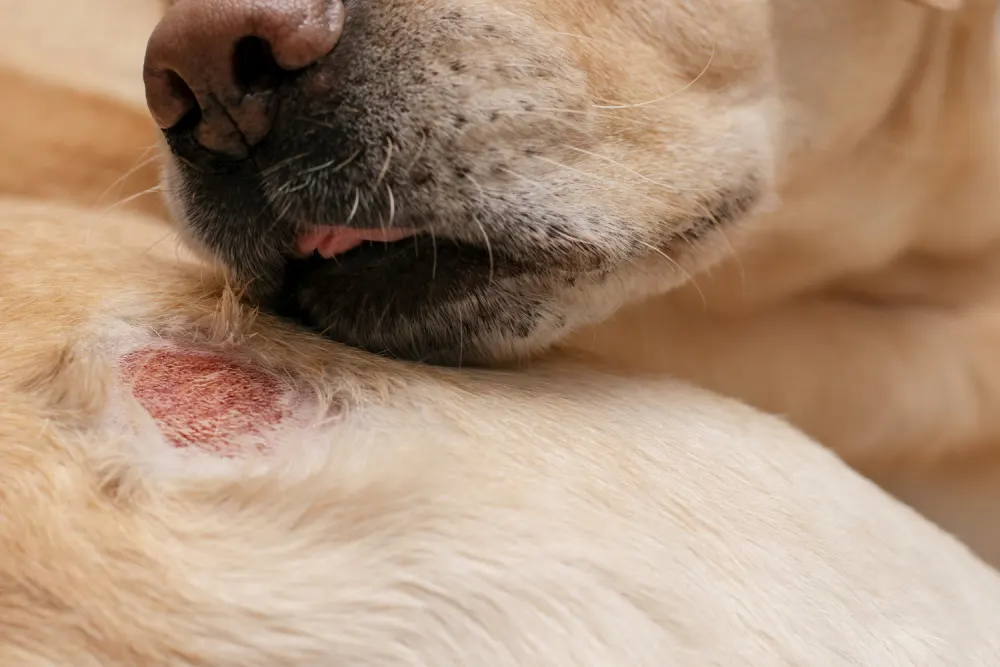

In many long-term rescue cases, we see dogs that have been through repeated bouts of illness, chronic infections, or inflammatory conditions and then begin showing signs of organ involvement, weight loss that does not respond to better feeding, a persistent protein leak in the urine, or mildly elevated kidney or liver values that quietly worsen over time. Amyloidosis in dogs is one of the conditions that can be quietly developing in the background of these chronic illness histories, and identifying it allows the management approach to be adjusted in a way that better protects the organs involved.
What is Amyloidosis in Dogs?
Amyloidosis is a condition where abnormal protein fibres, called amyloid, accumulate in the tissues of one or more organs. These deposits disrupt the normal architecture and function of the affected tissue, gradually impairing organ function over time.
Think of it like a slow accumulation of insoluble debris in a filter system. The filter continues to work for some time, but as the deposits build up, function declines and eventually the filter cannot perform its role adequately. In dogs, the organs most commonly affected are the kidneys, liver, and spleen, though deposits can occur in multiple organs simultaneously.
Amyloidosis in dogs is most commonly a secondary condition, meaning it develops as a consequence of prolonged chronic inflammation, infection, or immune-mediated disease rather than arising on its own. This is an important distinction because it means that addressing the chronic disease driving the amyloid production is a central part of management.
Why Protein Deposits are a Concern
As amyloid accumulates in organ tissue, it replaces the functional cells of that organ with non-functional fibrous deposits. In the kidneys, this impairs filtration and typically produces protein loss in the urine and progressive kidney dysfunction. In the liver, it reduces the liver’s metabolic and synthetic capacity. In the spleen, it can cause the organ to become enlarged and fragile. The clinical consequences mirror those of the organ most significantly affected.
Symptoms of Amyloidosis in Dogs
The symptoms of amyloidosis in dogs develop gradually and reflect the progressive loss of function in whichever organs are primarily affected. They are easy to attribute to other causes, particularly in dogs with a background of chronic illness.
- Progressive weight loss despite apparently adequate food intake
- Reduced appetite and a general loss of enthusiasm for food
- Lethargy and reduced willingness to exercise
- Increased thirst and urination, typically reflecting kidney involvement
- A visibly enlarged abdomen from fluid accumulation, which can occur when blood protein levels fall due to protein loss from the kidneys
- Swelling of the limbs or face for the same protein-loss-driven reason
- Vomiting and nausea as kidney dysfunction advances
- Diarrhoea or pale stools in dogs with significant liver involvement
- Jaundice (yellowing of the gums, skin, or whites of the eyes) if liver function is severely impaired
- In some breeds, notably Shar Peis, a history of episodic fever and joint swelling before the development of systemic amyloidosis is characteristic
The pattern of gradually worsening signs that do not fully resolve with standard treatment, combined with persistent protein in the urine on urinalysis, should prompt investigation for amyloidosis rather than repeated treatment cycles for assumed simpler conditions.
Causes of Amyloidosis in Dogs
Amyloidosis in dogs develops through the accumulation of a specific protein called serum amyloid A, which is produced by the liver in response to inflammation. In dogs with sustained chronic inflammation over months to years, serum amyloid A is produced continuously and eventually deposits in organs as insoluble fibres.
1. Chronic Infections
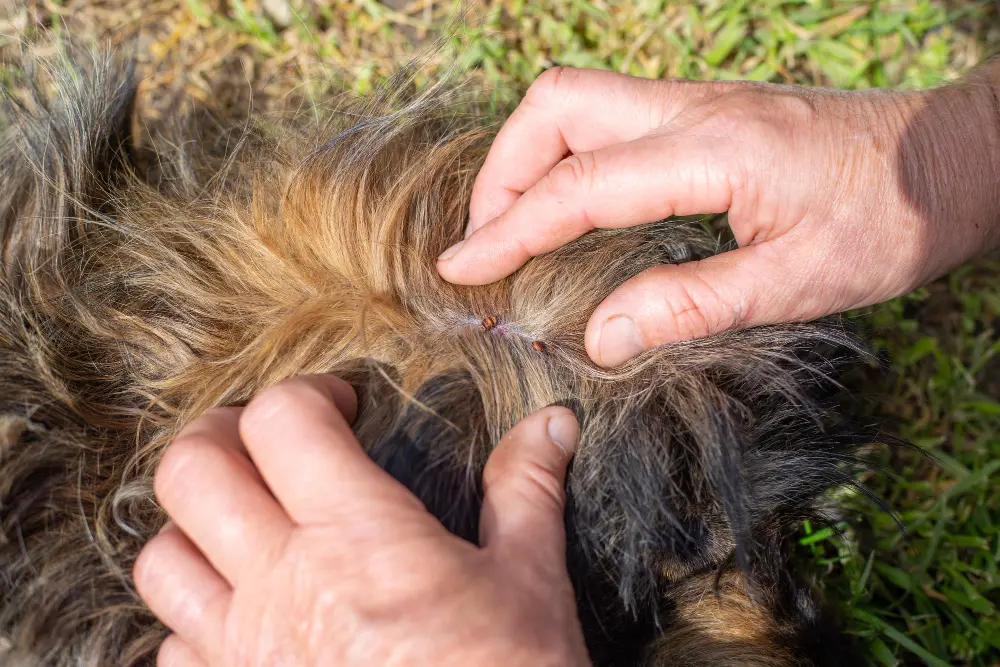
Long-standing bacterial infections such as persistent tick-borne diseases, chronic pyoderma, or recurring urinary tract infections that are never fully resolved produce ongoing inflammatory stimulation that drives serum amyloid A production. In India, tick-borne diseases including ehrlichiosis and leishmaniasis are relevant causes, particularly in dogs with outdoor exposure and inadequate tick prevention histories.
2. Immune-Mediated Inflammatory Conditions
Conditions involving chronic immune system activation, such as immune-mediated polyarthritis, inflammatory bowel disease, or other autoimmune conditions, provide the sustained inflammatory stimulus that leads to progressive amyloid deposition in susceptible dogs.
3. Genetic Predisposition
Certain breeds have a documented hereditary predisposition to amyloidosis, where amyloid deposits in the kidneys and liver with or without an obvious chronic inflammatory trigger. Chinese Shar Peis are the most well-known example, with a specific familial form of amyloidosis driven by a tendency to produce excess serum amyloid A even during mild inflammatory episodes. Other breeds with reported higher incidence include Beagles, English Foxhounds, and Collies.
4. Chronic Parasitism and Malnutrition
In the context of rescued street dogs in India, prolonged and inadequately treated parasitic infections, combined with the chronic nutritional stress of food insecurity, create a sustained low-grade inflammatory state. Over years, this background inflammation may contribute to amyloid deposition in susceptible individuals.
5. Commonly Affected Organs
While amyloid can deposit in any organ, the most clinically significant sites in dogs are:
- Kidneys: The most commonly and seriously affected organ. Renal amyloidosis causes protein to leak into the urine, blood albumin to fall, and kidney function to decline progressively.
- Liver: Hepatic amyloidosis may cause mild to moderate enlargement of the liver and impairs its metabolic functions. Spontaneous liver haemorrhage is a recognised complication in Shar Peis with significant hepatic amyloid deposits.
- Spleen: Splenic amyloidosis produces splenomegaly and can increase the risk of splenic rupture in severe cases.
Related Videos




Diagnosis: How Vets Identify Amyloidosis in Dogs
Diagnosing amyloidosis in dogs requires a combination of clinical findings, laboratory results, and in most cases tissue biopsy for definitive confirmation.
- Urinalysis and urine protein-to-creatinine ratio: Persistent protein in the urine is typically the earliest laboratory finding in renal amyloidosis. Quantifying the degree of protein loss through a urine protein-to-creatinine ratio helps assess severity and monitor progression.
- Blood tests: A full biochemistry panel identifies low blood albumin from protein loss, elevated kidney markers if renal function has declined, and liver enzyme changes. A complete blood count may show anaemia from chronic disease.
- Serum albumin measurement: Low albumin alongside significant proteinuria in a dog without obvious cause is strongly suggestive of protein-losing nephropathy, which should prompt further investigation for amyloidosis.
- Abdominal ultrasound: Ultrasound can identify enlarged kidneys with altered echogenicity, hepatomegaly, or splenomegaly, all of which are consistent with amyloid deposition though not specific to it.
- Tissue biopsy: Definitive diagnosis requires microscopic examination of tissue from an affected organ, typically the kidney or liver. Amyloid deposits are identified using Congo red staining, which produces a characteristic appearance under polarised light. Biopsy carries procedural risk, particularly in dogs with severely compromised kidneys, which is why it is usually considered when the results will meaningfully change the management approach.
Treatment of Amyloidosis in Dogs
There is no treatment that directly dissolves or removes established amyloid deposits from organs. Management focuses on slowing further deposition by addressing the inflammatory stimulus, protecting the affected organs, and maintaining quality of life for as long as possible.
1. Treating the underlying chronic inflammation or infection: This is the most important intervention and the one most likely to slow progression. Identifying and treating any chronic infection, managing immune-mediated conditions with appropriate immunosuppressive therapy, and eliminating persistent parasitic diseases reduces the serum amyloid A production that is driving further deposits.
2. Renal supportive care: For dogs with significant kidney involvement, management mirrors that of chronic kidney disease generally. This includes a phosphorus-restricted renal diet, ensuring adequate hydration, controlling secondary hypertension if present, and using ACE inhibitors to reduce proteinuria. Reducing protein loss from the kidneys helps maintain blood albumin and reduces the fluid accumulation and tissue swelling driven by low albumin.
3. DMSO (dimethyl sulfoxide): Some studies have suggested that DMSO may reduce amyloid deposition, and it has been used in some Shar Pei management protocols. Its use is off-label and its effectiveness is not firmly established, but it may be considered in specific cases under veterinary guidance.
4. Colchicine: In Shar Peis specifically, colchicine has been used to reduce the frequency and severity of the episodic fevers that drive amyloid deposition in this breed. This is a preventive approach that is most beneficial when started before significant amyloid accumulation has occurred.
5. Albumin and fluid support: In dogs with severe hypoalbuminaemia from protein loss causing significant fluid accumulation, colloid support may be needed in a hospital setting to temporarily restore oncotic pressure while other interventions take effect.
Home Care and Long-Term Management
For dogs living with amyloidosis at home:
- Feed the vet-prescribed diet consistently, avoiding high-phosphorus foods and maintaining controlled protein intake as guided
- Ensure consistent access to fresh water throughout the day
- Give all prescribed medications at the correct times, particularly those managing blood pressure or proteinuria
- Monitor body weight weekly and keep a note of appetite, activity level, and urination frequency to share with your vet at follow-up visits
- Minimise stress, as chronic stress maintains low-grade inflammation that contributes to ongoing amyloid production
- Attend all scheduled blood and urine monitoring appointments, as these are the primary way of tracking disease progression and adjusting treatment
Prognosis: What to Expect
The prognosis for amyloidosis in dogs depends on how advanced the organ involvement is at the time of diagnosis, which organs are affected, and whether the underlying inflammatory driver can be controlled. Dogs diagnosed at an early stage with mild kidney involvement and a manageable underlying condition can maintain a reasonable quality of life for months to years with appropriate management.
Dogs with advanced renal amyloidosis and severely compromised kidney function at diagnosis have a more guarded prognosis. The goal in these cases shifts toward maintaining comfort, minimising the rate of further decline, and ensuring the dog’s daily quality of life is as good as possible for as long as it remains reasonable.
Prevention and Early Detection
While amyloidosis cannot always be prevented, particularly in genetically predisposed breeds, several steps support early identification and reduce the risk from preventable causes:
- Treat chronic infections promptly and completely rather than allowing them to persist with partial treatment
- Maintain regular tick and flea prevention, particularly important in India where tick-borne diseases are prevalent and are a recognised inflammatory driver of amyloidosis
- Include urine protein assessment as part of annual health checks for middle-aged and senior dogs, and for any dog with a history of chronic inflammatory disease
- For breed-predisposed dogs such as Shar Peis, discuss early monitoring and preventive management with your vet from the time of adoption
When to See a Vet Immediately
Contact your vet promptly if your dog shows:
- Sudden abdominal swelling or obvious fluid accumulation
- Jaundice alongside reduced appetite and lethargy
- Significant weight loss over a short period despite eating
- Persistent vomiting combined with other signs of deterioration