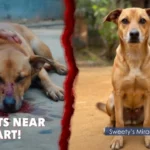

Parvovirus in dogs is one of the most serious viral illnesses a dog can face, particularly in puppies and unvaccinated animals. It spreads quickly, progresses fast, and requires urgent veterinary attention to give an affected dog a real chance of survival. In India, where many dogs have incomplete vaccination histories and exposure to stray populations is common, parvovirus remains a genuine and ongoing threat. The good news is that with timely care and proper vaccination, it is entirely preventable. This guide explains everything a pet parent needs to know.
What is Parvovirus in Dogs?
Canine parvovirus, commonly referred to as parvo, is a highly contagious viral infection caused by the canine parvovirus type 2 (CPV-2). The virus primarily attacks two areas of the body: the rapidly dividing cells lining the intestinal tract, and the immune cells produced in the bone marrow. This dual attack is what makes parvovirus in dogs so dangerous.
When the intestinal lining is destroyed, the gut loses its ability to absorb nutrients and fluids, leading to severe dehydration and allowing bacteria from the gut to enter the bloodstream. At the same time, the collapse of immune cell production leaves the dog defenceless against secondary infections. Together, these effects can be fatal within days if treatment is not started promptly.
Parvovirus in dogs is most severe in puppies between six weeks and six months of age, in unvaccinated adult dogs, and in dogs that are already weakened by poor nutrition, stress, or other illness. Rescue dogs and strays are particularly vulnerable in the Indian context.
How Parvovirus Spreads
Parvovirus spreads through direct contact with infected faeces and through contact with contaminated environments, objects, and surfaces. The virus is remarkably hardy and can survive in soil and on surfaces for months, sometimes over a year, even in varying weather conditions.
In India, the risk of exposure is heightened by several everyday realities. Dogs that walk in parks, on pavements, or in any outdoor area where stray dogs are present can come into contact with contaminated ground. The virus can also be carried indoors on footwear, hands, and clothing without any direct contact between dogs. This means even a dog that never interacts directly with strays can be exposed if their environment has been contaminated.
Symptoms of Parvovirus in Dogs
Recognising parvovirus in dogs early significantly improves the chance of survival. Symptoms typically appear within three to seven days of exposure and tend to worsen rapidly once they begin.
Early signs include:
- Loss of appetite and refusal to eat or drink
- Lethargy and sudden drop in energy levels
- Mild vomiting in the initial stage
- Low-grade fever
Severe signs that develop quickly include:
- Profuse, often bloody diarrhoea with a distinctive foul odour
- Repeated vomiting that prevents any fluid retention
- Rapid and severe dehydration, visible through sunken eyes, dry gums, and skin that does not spring back when gently pinched
- Pale or grey gums indicating circulatory collapse
- Extreme weakness and inability to stand
- High fever or, in later stages, a dangerously low body temperature
If your dog, particularly a puppy, shows any combination of these signs, treat it as an emergency and contact your vet immediately. Every hour matters with parvovirus in dogs.
Causes and Risk Factors
Parvovirus in dogs is caused by the CPV-2 virus and its variants. The virus itself is the cause, but several factors increase a dog’s risk of infection and of severe disease once infected.
- Incomplete or absent vaccination: Puppies that have not completed their vaccination course are highly susceptible, as are adult dogs whose boosters have lapsed
- Young age: The immune system in puppies is still developing, making them far more vulnerable than healthy adult dogs
- Poor nutritional status: Dogs that are malnourished or underweight have weakened immune responses
- Stress: Rehoming, travel, or overcrowded conditions can suppress immunity and increase susceptibility
- Exposure to stray or unvaccinated dogs: In India, stray dog populations serve as a reservoir of the virus in many urban and semi-urban areas
- Certain breeds: Rottweilers, Dobermanns, and Labrador Retrievers appear to be at higher risk of severe disease, though all unvaccinated dogs are susceptible
Related Videos


How Parvovirus in Dogs is Diagnosed
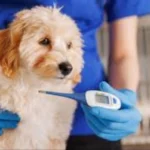
Vets diagnose parvovirus through a combination of clinical signs and laboratory tests. Knowing what to expect at the clinic helps pet parents prepare and act without delay.
| Diagnostic Step | What It Assesses | Practical Notes for India |
|---|---|---|
| Clinical examination | Assesses dehydration, gum colour, temperature, and overall condition | First step at any clinic; guides urgency of treatment |
| Rapid parvo antigen test (ELISA) | Detects parvovirus antigens in a faecal sample | Available at most urban veterinary clinics; results in 10 to 15 minutes |
| Complete blood count | Identifies low white blood cell count, a hallmark of parvovirus | Supports diagnosis and helps assess severity of immune suppression |
| Blood biochemistry | Assesses organ function and electrolyte levels | Guides fluid and supportive care decisions |
The rapid antigen test is the most accessible and commonly used diagnostic tool in Indian veterinary practice. A positive result alongside the characteristic symptoms confirms parvovirus in dogs with a high degree of reliability.
Treatment of Parvovirus in Dogs
There is no antiviral drug that directly kills parvovirus in dogs. Treatment is entirely supportive, meaning it focuses on keeping the dog alive and stable while the immune system fights the virus. This is why hospitalisation and intensive care significantly improve survival rates.
Core treatment elements include:
- Intravenous fluid therapy: Replacing fluids and electrolytes lost through vomiting and diarrhoea is the single most critical part of treatment. Oral rehydration is not sufficient in severe cases as the gut cannot absorb fluids effectively
- Antibiotics: Given not to treat the virus itself but to prevent bacterial infections from entering the damaged gut wall and bloodstream
- Anti-nausea medications: Reducing vomiting helps prevent further fluid loss and allows the gut to begin healing
- Nutritional support: Once vomiting is controlled, careful reintroduction of nutrition supports recovery
- Strict isolation: Affected dogs must be isolated from all other animals to prevent the spread of the virus
- Warmth and monitoring: Body temperature and vital signs are monitored closely throughout hospitalisation
In severe cases, plasma transfusions or other advanced interventions may be considered. The decision between home care and hospitalisation should always be guided by the vet based on the dog’s condition. Attempting to manage a severe case at home without IV fluids significantly reduces the chance of survival.
Related Products
Home Care and Support During Recovery
Once a dog has been stabilised at the clinic and the vet has assessed that the dog is well enough to continue recovery at home, careful home nursing becomes important. This is not a substitute for veterinary treatment but a continuation of it.
- Maintain strict isolation from other dogs and disinfect all areas the dog has accessed using a diluted bleach solution, as parvovirus is resistant to most standard disinfectants
- Offer small amounts of bland, easily digestible food such as boiled chicken and rice as directed by your vet
- Ensure fresh water is always available and encourage slow, frequent drinking
- Keep the dog warm, quiet, and resting
- Return to the vet immediately if vomiting or diarrhoea returns, or if the dog’s condition deteriorates
Prognosis and Survival Rate
With prompt and appropriate veterinary treatment, survival rates for parvovirus in dogs are reported to be between 68 and 92 percent. Without treatment, the fatality rate is very high, particularly in puppies.
The outcome depends on several factors: how early treatment was started, the dog’s age and immune status, and the severity of the infection. Dogs that survive parvovirus typically develop strong long-term immunity to the specific strain they were infected with. Recovery can take one to two weeks of supportive care, and full restoration of gut health may take several weeks beyond that.
Prevention of Parvovirus in Dogs
Vaccination is the single most effective way to prevent parvovirus in dogs, and it is highly reliable when the correct schedule is followed.
| Vaccination Stage | Recommended Age | Notes |
|---|---|---|
| First core vaccine (includes parvo) | 6 to 8 weeks | Given as part of the combination vaccine (DHPPiL or similar) |
| Second dose | 10 to 12 weeks | Boosts immune response; puppy remains at risk until this is completed |
| Third dose | 14 to 16 weeks | Completes the primary course; puppy is considered protected after this |
| Annual booster | Every 1 to 3 years depending on your vet’s advice | Maintains long-term protection in adult dogs |
Additional prevention measures alongside vaccination include:
- Avoiding high-risk areas such as dog parks and areas frequented by strays until the puppy vaccination course is complete
- Not allowing unvaccinated dogs to socialise with unknown dogs
- Removing footwear at the door and washing hands after outdoor exposure before handling puppies
- Disinfecting any area where an infected dog has been present using an appropriate disinfectant such as diluted household bleach
When to See a Vet Without Delay
Contact your vet the same day or seek emergency care if your dog shows any of the following:
- Bloody or foul-smelling diarrhoea, especially in a puppy
- Repeated vomiting that prevents any food or water from staying down
- Sudden and severe lethargy or inability to stand
- Pale, grey, or dry gums
- Any combination of vomiting and diarrhoea in an unvaccinated or incompletely vaccinated dog
Parvovirus in dogs moves fast. A dog that appears unwell in the morning can deteriorate to a critical state by evening. Early intervention is not cautious; it is essential.
Parvovirus in dogs is serious, but it is also one of the most preventable serious illnesses a dog faces. A complete vaccination course, continued booster care, and awareness of how the virus spreads are enough to protect the vast majority of dogs from ever experiencing this illness. For pet parents in India, where environmental exposure risk is higher than in many other regions, staying on top of vaccination schedules is one of the most important things you can do for your dog’s long-term health.