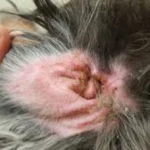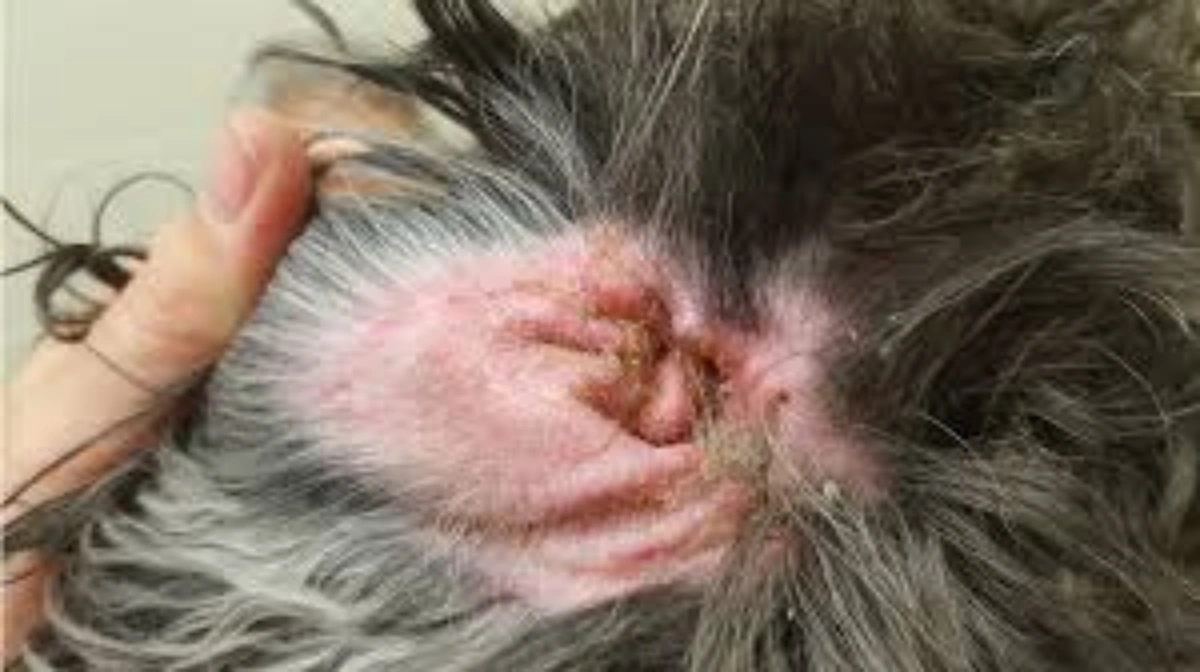
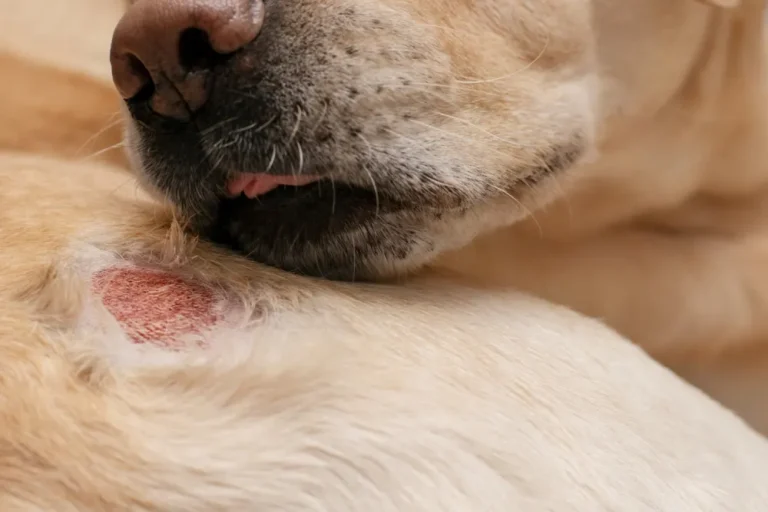
Why Dog Skin Infections Are So Common in India
India’s climate, tick exposure, pollution, and dietary inconsistency contribute to dog skin infections being among the most frequent veterinary problems. The high humidity creates a perfect breeding ground for fungi and bacteria. At the same time, the prevalence of external parasites, such as ticks and fleas, often triggers allergic reactions that can spiral into chronic conditions.
Common Causes of Dog Skin Infection
| Cause | Description/Example |
|---|---|
| Bacterial pyoderma | They often appear as red bumps or pus-filled blisters, which are secondary infections caused by scratching. |
| Fungal infection in dogs | Yeast (Malassezia) overgrowth causes greasy, smelly skin, or Ringworm, a contagious circular patch. |
| Dog allergy (food & environmental) | Hypersensitivity reaction to ingredients (like chicken/wheat) or environmental elements (dust mites, pollen). |
| Tick bite dermatitis | Localized irritation, swelling, or systemic infection triggered by tick saliva. |
| Hormonal disorders | Conditions like Hypothyroidism can make skin more susceptible to infection and cause hair loss. |
Symptoms of Skin Infection in Dogs
If you notice these signs, your dog needs veterinary attention:
- Dog scratching constantly: Persistent, frantic itching often indicates underlying irritation.
- Red skin patches: Inflammation, often visible on the belly, paws, or ear flaps.
- Dog hair fall: Patchy hair loss, thinning coat, or areas of total baldness (alopecia).
- Bad skin odor: A musky, yeasty, or foul smell, typically associated with chronic yeast or bacterial infections.
- Thickened or darkened skin: Known as hyperpigmentation and lichenification, a sign of long-term inflammation.
Related Videos


Bacterial Skin Infection in Dogs
Symptoms
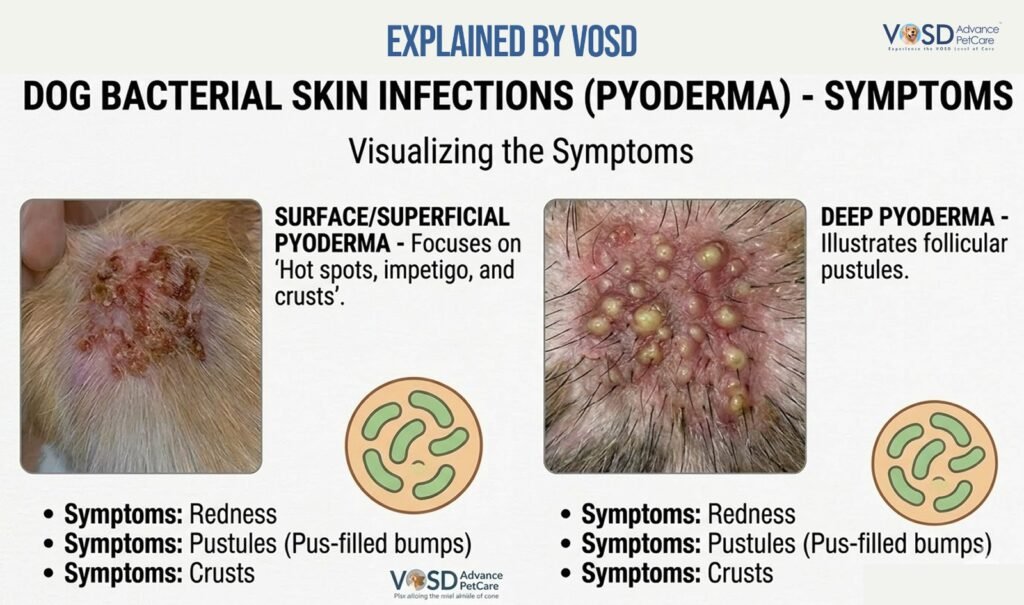
Bacterial skin infections often cause red, inflamed, and irritated skin. Dogs may develop small pus-filled bumps, sores, or crusty scabs on the affected area. Constant scratching, licking, or chewing is common due to discomfort. Hair loss may appear around the infected patches, and the skin can sometimes produce a foul odor. In severe cases, the skin may look moist or develop painful lesions.
Causes
Bacterial infections usually occur when bacteria enter the skin through cuts, wounds, or irritated areas. Allergies, flea infestations, or excessive scratching can damage the skin barrier and allow bacteria to grow. Poor hygiene, a weak immune system, and underlying health conditions can also increase the risk. Sometimes bacterial infections develop as a secondary problem after other skin issues.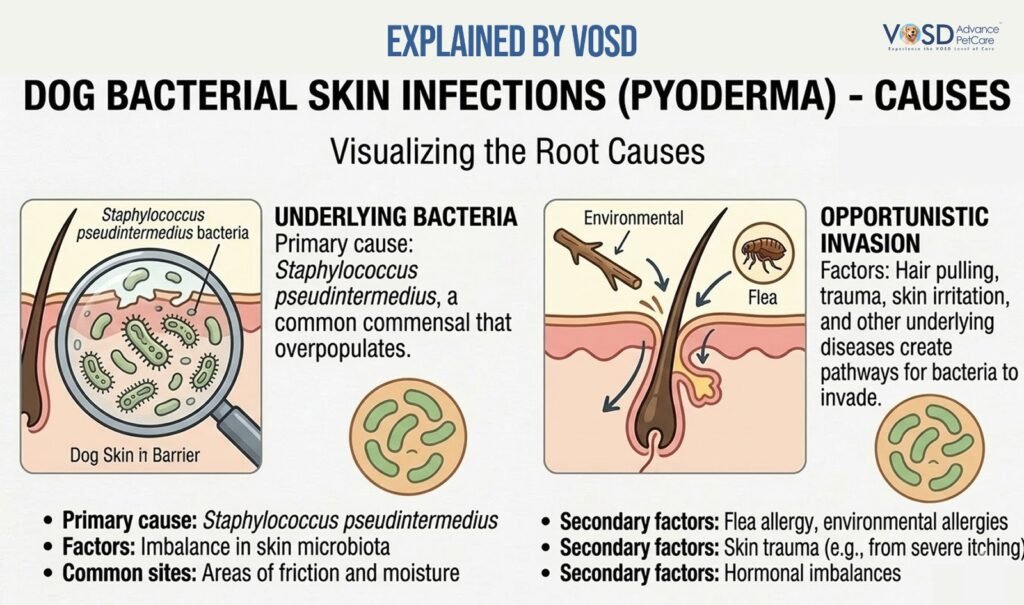
Fungal Skin Infection in Dogs
Symptoms
Fungal infections may cause circular patches of hair loss along with red or scaly skin. The affected areas often look dry, flaky, or crusty. Dogs may experience mild to moderate itching and may rub or scratch the infected spots. In some cases, the skin may become darker or thicker over time. The infection can gradually spread to other parts of the body if untreated.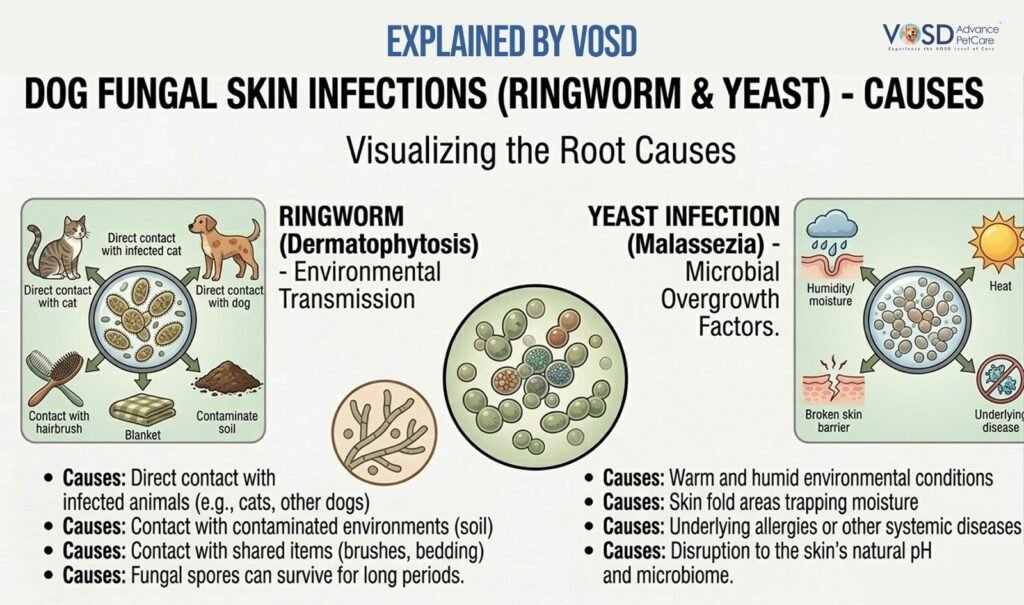
Causes
Fungal infections are commonly caused by organisms such as yeast or ringworm. These fungi thrive in warm and moist environments. Dogs with weakened immune systems are more susceptible to fungal infections. Poor grooming, damp skin, and contaminated environments can also contribute to the growth and spread of fungal organisms.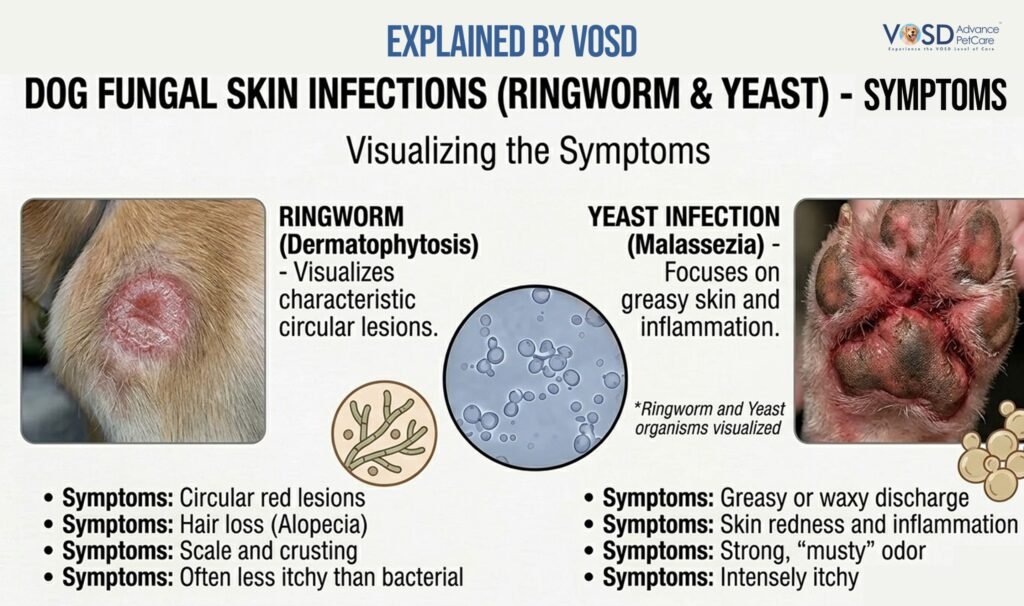
Parasitic Skin Infection in Dogs
Symptoms
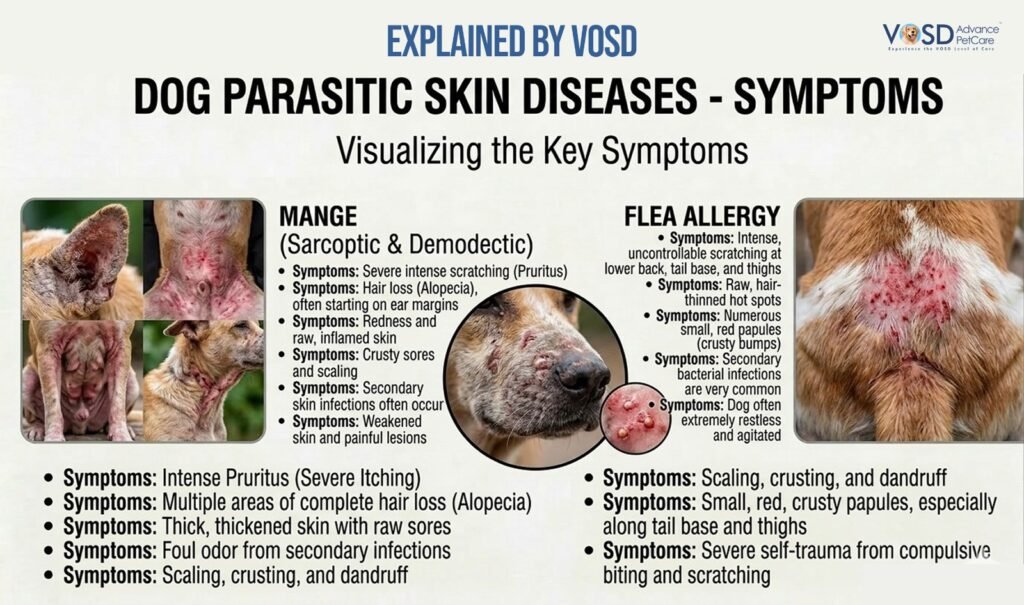
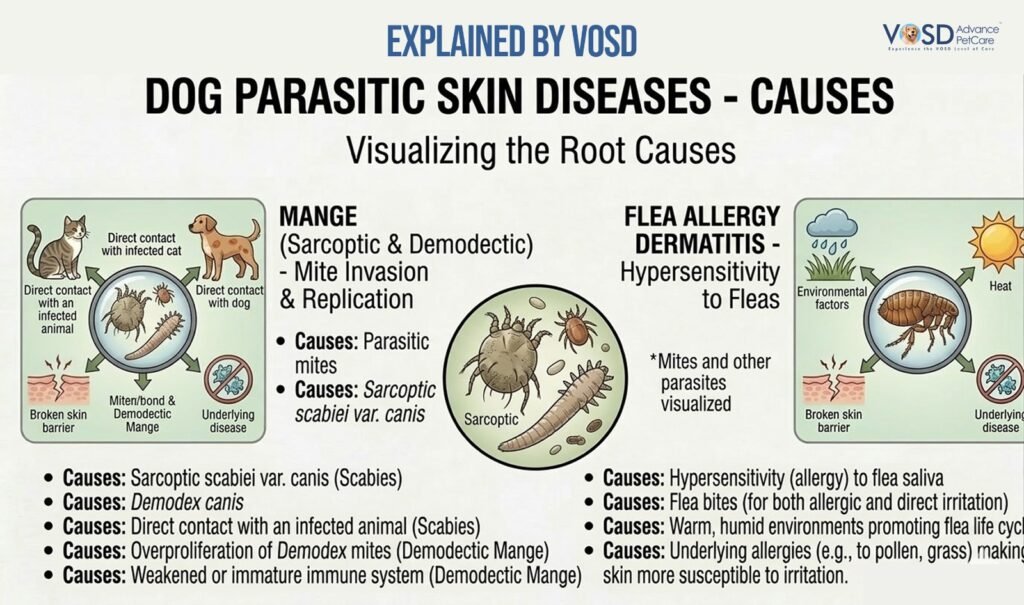
Parasitic skin infections usually cause intense itching and discomfort. Dogs may scratch, bite, or chew their skin constantly. Red bumps, scabs, and irritated patches may appear on the skin surface. Hair loss is common in areas where the dog scratches frequently. In severe cases, the skin may become inflamed, thickened, or develop open sores.
Causes
These infections are caused by parasites such as mites, fleas, or ticks that live on or under the dog’s skin. Parasites feed on the dog’s blood or skin, causing irritation and inflammation. Dogs
that spend a lot of time outdoors or come in contact with infected animals have a higher risk. Lack of proper parasite prevention can also lead to infestations.
Atopic Dermatitis in Dogs
Symptoms
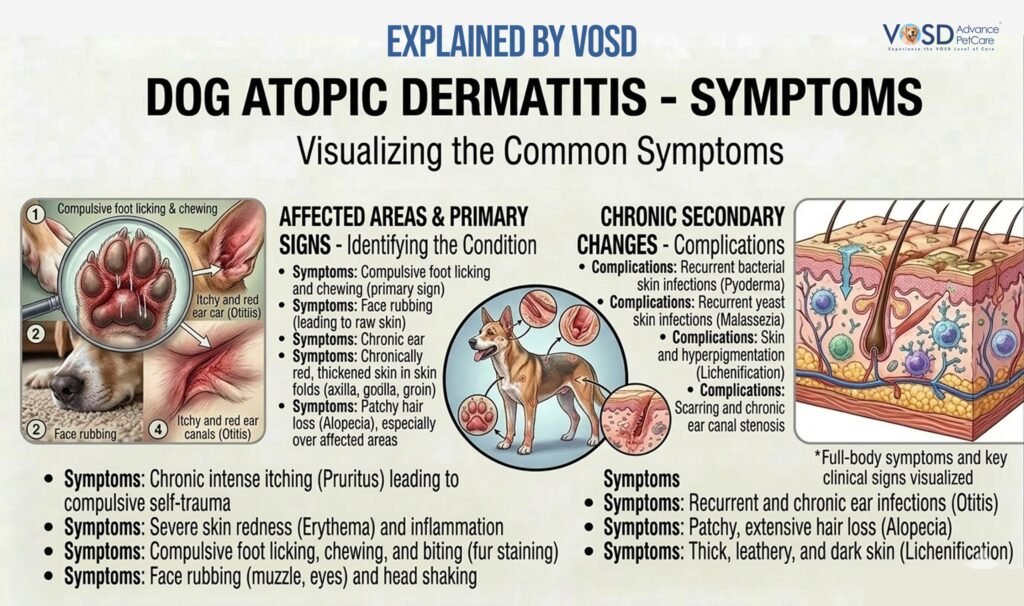
Atopic dermatitis usually causes persistent itching that affects areas such as the paws, ears, belly, and face. Dogs may lick their paws, rub their face, or scratch their ears repeatedly. The skin often becomes red, inflamed, and irritated. Over time, constant scratching may lead to hair loss, thickened skin, or secondary infections.
Causes
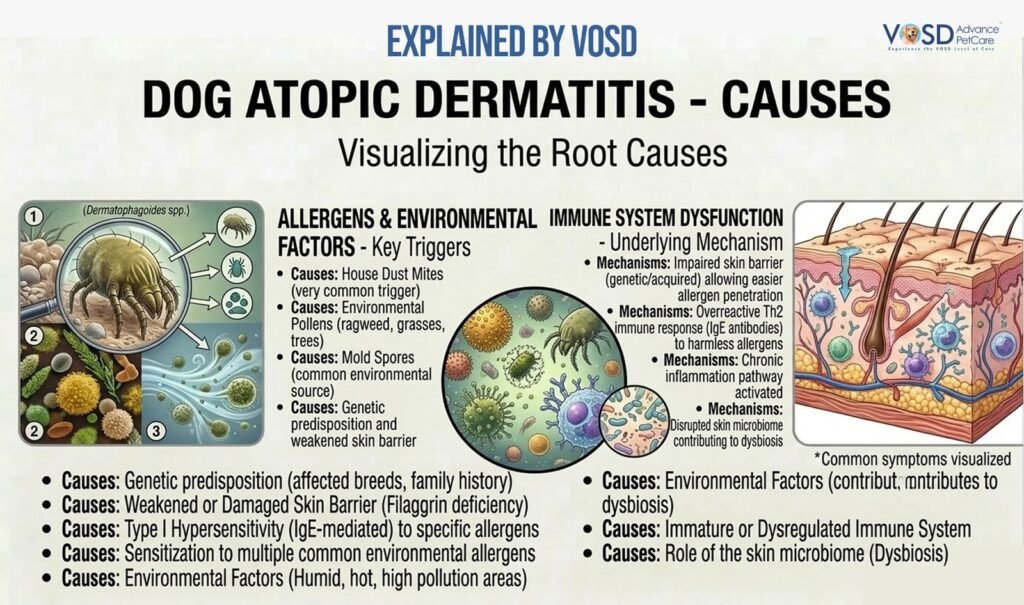
Atopic dermatitis is mainly triggered by environmental allergens such as pollen, dust mites, mold, or grass. Some dogs have a genetic tendency to develop allergic skin conditions. Exposure to allergens causes the immune system to overreact, leading to inflammation and itching. Seasonal changes can also worsen the condition in sensitive dogs.
When Does Skin Itching Become Chronic
Untreated itching in dogs often progresses to recurring infections requiring structured dermatology protocols. This cycle of scratching, infection, and inflammation damages the skin barrier, making the dog more vulnerable over time. Early and accurate diagnosis is essential to break this cycle.
Related Products




VOSD Advance PetCare™ Dermatology Protocol
Our approach is comprehensive and targeted:
- Skin cytology & scraping: Immediate microscopy to identify yeast, bacteria, or mites.
- Allergy evaluation: Identifying triggers through food elimination trials or environmental testing.
- Blood testing: Screening for underlying hormonal or systemic issues that compromise skin health.
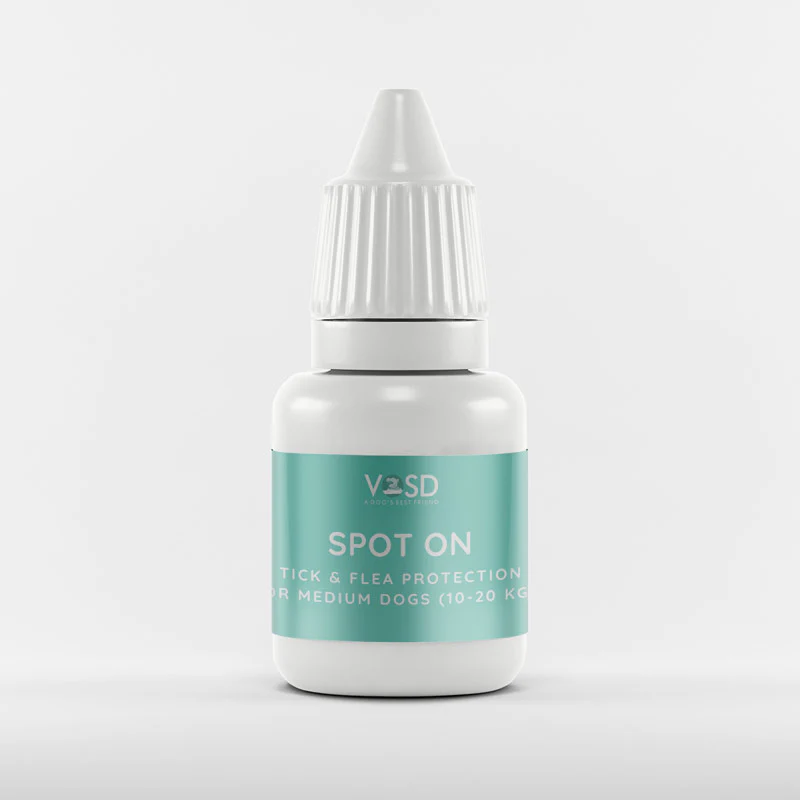
- Targeted topical therapy: Medicated shampoos, mousses, and spot treatments to reduce infection load.
- Nutrition optimization: Specialized diets to strengthen the skin barrier and reduce inflammation.
- Long-term recurrence prevention: Creating a tailored management plan to minimize future flare-ups.