
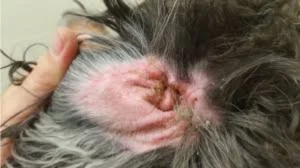
Ear Infections in Dogs: Causes, Symptoms & Treatment
Ear infections are among the most frequently reported reasons for veterinary consultations in India, yet they are also among the most commonly undertreated. A single course of ear drops may

Leptospirosis is one of the most serious infectious diseases affecting dogs in urban India.
The disease can rapidly damage:
It is also zoonotic, meaning it can spread from animals to humans through contaminated urine or water. For this reason, leptospirosis requires both medical stabilisation and controlled isolation.
The VOSD LeptoCare Isolation Residency™ provides structured inpatient treatment and infection containment under the VOSD Level of Care™ at VOSD IPD, Indiranagar. This program integrates renal stabilisation, hepatic monitoring, and infection control protocols within a supervised inpatient environment.

The LeptoCare Isolation Residency™ is a 5-7 day structured treatment protocol designed for dogs diagnosed with or suspected of having leptospirosis.
The program includes:
Unlike routine admission, the Residency follows a strict infection containment protocol to protect both other patients and human caregivers.
Leptospirosis can spread through infected urine.
Dogs with the infection may shed bacteria for days, creating risks for:
In addition, the disease can progress quickly and cause:
Continuous monitoring is essential to detect complications early.

Long-term medical care for critical and complex cases.
Medically supervised sterilization for high-risk animals.
Dedicated care for kidney-related conditions.
Specialized treatment for liver diseases.
Care for severe gastrointestinal disorders.
Controlled environment for contagious conditions.
Intensive monitoring and insulin therapy for diabetic crises.
Emergency treatment for poisoning and toxin exposure.
Remote consultations, second opinions, and ongoing case management.


info@vosd.in
The LeptoCare program operates within controlled isolation infrastructure, including:
This ensures safe management of infectious patients.

Ear infections are among the most frequently reported reasons for veterinary consultations in India, yet they are also among the most commonly undertreated. A single course of ear drops may

Is your dog running a fever? Learn how to check dog temperature, identify tick fever symptoms, and when to seek emergency vet care, expert diagnosis at VOSD Advance PetCare™.
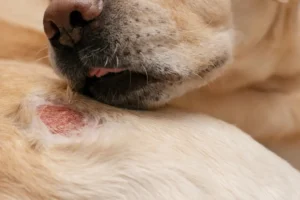
Is your dog scratching constantly? Learn causes, symptoms, and treatment of dog skin infections, allergies, hot spots, and hair loss, expert dermatology at VOSD Advance PetCare™.
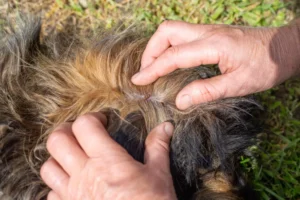
Understand how parasites affect dogs, the warning signs to watch for, and how proper treatment and prevention can protect your pet.