Watching your dog vomit suddenly can be unsettling, especially if it happens more than once. Acute vomiting in dogs is one of the most common reasons pet parents seek veterinary advice, and it can have many causes ranging from something as simple as eating too fast to something that needs urgent care. The key is knowing how to observe, when to act, and what to tell your vet.
What is Acute Vomiting in Dogs?
Acute vomiting refers to vomiting that comes on suddenly and lasts for a short period, usually less than two to three days. It is different from chronic vomiting, where a dog vomits repeatedly over weeks or months. Think of acute vomiting the way you would a sudden stomach upset in a person, it may resolve on its own, or it may signal something that needs attention.
Most cases of acute vomiting in dogs are self-limiting, meaning they settle down with basic care. However, because some causes can be serious, it is always worth keeping a close eye on your dog and consulting a vet if you are unsure.
Common Symptoms of Acute Vomiting in Dogs
Vomiting is the primary symptom, but there are other signs worth watching for when your dog throws up suddenly:
- Repeated vomiting within a few hours
- Lethargy or unusual quietness
- Refusing food or water
- Signs of dehydration such as dry gums or sunken eyes
- Loose stools or diarrhoea alongside vomiting
- Drooling, lip licking, or repeated swallowing before vomiting
- A bloated or tender abdomen
When you notice vomiting, take a moment to observe how many times it has happened, what time of day it occurred, and whether your dog has eaten anything unusual. This information will be genuinely useful when you speak to your vet.
Types of Vomit and What They May Indicate
The appearance of your dog’s vomit can offer clues about what is happening. Here is a simple guide to help you observe before your vet visit:
| Vomit Appearance | Possible Indication |
|---|---|
| Yellow or greenish bile | Empty stomach, often seen in the morning or after a long gap between meals |
| White foam | Stomach acid or gas buildup, can indicate bloat if accompanied by distress |
| Undigested food | Eating too quickly, or vomiting shortly after a meal |
| Blood streaks or coffee-ground appearance | Needs immediate veterinary attention — possible internal irritation or bleeding |
| Clear liquid | Water or saliva; may indicate nausea without food in the stomach |
Never try to diagnose the cause yourself based on vomit colour alone. Use this as a guide to describe what you have seen to your vet clearly.
Causes of Acute Vomiting in Dogs
Acute vomiting in dogs can be triggered by a wide range of factors. Some are straightforward and easy to address, while others require veterinary attention.
- Dietary indiscretion: This is among the most common causes, particularly in India where street food, food waste, and open bins are widely accessible. Dogs that scavenge or eat spoiled food are at high risk of sudden vomiting.
- Infections: Viral infections such as parvovirus and bacterial infections from contaminated water or food can cause acute vomiting, often alongside diarrhoea and lethargy.
- Intestinal parasites: Worms such as roundworms and hookworms are common in Indian dogs, particularly rescues and puppies, and can cause vomiting as a primary symptom.
- Toxins and poisoning: Dogs may accidentally ingest toxic plants, rat poison, or human medications left within reach. These cases require urgent veterinary care.
- Heat stress: During hot summers, dogs can suffer from heat-related illness that leads to acute vomiting, particularly in breeds with flat faces or dogs kept outdoors without adequate shade and water.
- Eating too quickly: Some dogs swallow their food so fast that they bring it back up almost immediately. This is generally harmless but worth addressing with a slow feeder bowl.
- Sudden diet change: Switching your dog’s food abruptly without a gradual transition can upset their digestive system and cause vomiting.
Related Videos



When Should You Worry?
A single episode of vomiting in an otherwise bright, active dog may not require an emergency vet visit. However, there are situations where you should seek veterinary attention promptly:
- Vomiting that repeats more than two to three times within a few hours
- Blood in the vomit, whether fresh red or darker in colour
- Your dog is also not drinking water and shows signs of dehydration
- A puppy or senior dog is vomiting, both are more vulnerable to rapid deterioration
- Your dog appears weak or confused or collapses
- You suspect your dog has eaten something toxic
- The abdomen looks swollen or your dog seems to be in pain
If your dog has vomited once but is still alert, drinking water, and showing interest in their surroundings, it is reasonable to monitor them closely for the next few hours. But if things do not improve or worsen, call your vet.
Diagnosis: What Vets Typically Check
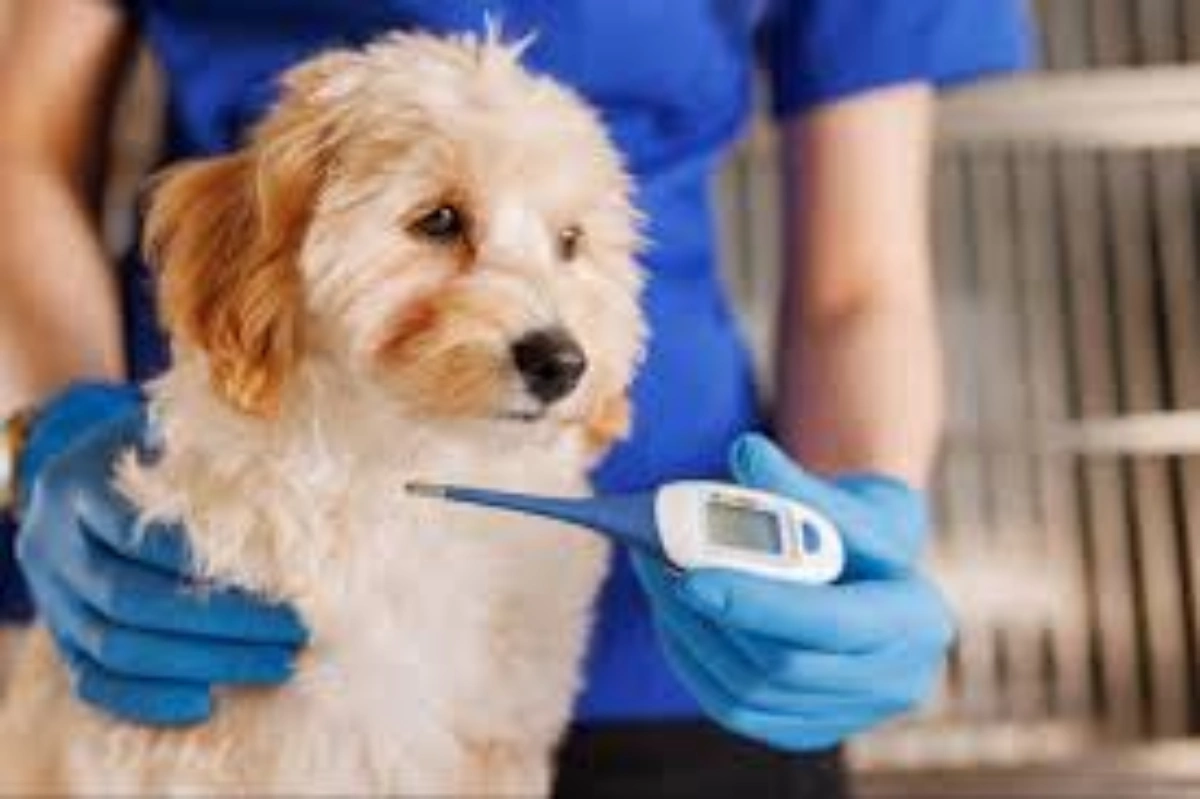
When you bring a vomiting dog to the clinic, your vet will start with a thorough physical examination. They will assess your dog’s hydration level, feel the abdomen for any tenderness or unusual masses, and check basic vitals.
Depending on what they find, they may recommend:
- Blood tests to assess organ function and check for infection
- A faecal test to rule out parasites
- X-rays or ultrasound if there is concern about a blockage or internal issue
- Urine testing if the kidneys or urinary tract are suspected to be involved
Most mild cases of acute vomiting in dogs do not require extensive testing. Your vet will guide you on what is appropriate based on the examination and your dog’s history.
Immediate Care at Home
If your dog has vomited once or twice but is otherwise comfortable and alert, here is what you can do at home while monitoring the situation:
- Withhold food for eight to twelve hours: This gives the stomach a chance to rest. Do not withhold water unless your vet advises otherwise.
- Offer small sips of water: Avoid letting your dog drink large amounts at once, as this can trigger further vomiting.
- Introduce a bland diet gradually: After the fasting period, offer plain boiled rice with a small amount of boiled chicken. This is gentle on the stomach and easy to digest.
- Avoid giving human medications: Never give antacids, anti-vomiting tablets meant for people, or painkillers without specific veterinary advice. Many human medicines are toxic to dogs.
- Keep your dog calm and comfortable: Rest is important. Avoid exercise and excitement until your dog has fully recovered.
These home care steps are only appropriate for mild, isolated cases. If your dog’s condition does not improve within twelve to twenty-four hours, consult your vet.
Treatment Options
Veterinary treatment for acute vomiting in dogs depends entirely on the underlying cause. Common approaches include:
- Antiemetics: Medications that reduce nausea and stop vomiting are often prescribed to give the stomach time to settle.
- Intravenous or subcutaneous fluids: If your dog is dehydrated, fluids administered by the vet are the most effective way to restore hydration quickly.
- Dewormers: If parasites are identified as the cause, appropriate deworming medication will be prescribed.
- Antibiotics: If a bacterial infection is confirmed, a course of antibiotics will be recommended by your vet.
- Treatment for poisoning: This varies significantly depending on what was ingested and may include induced vomiting, activated charcoal, or supportive care.
Your vet will always tailor the treatment plan to your dog’s specific situation and overall health status. Avoid purchasing or administering any medication without a veterinary prescription.
Prognosis and Recovery
The good news is that most cases of acute vomiting in dogs resolve well with prompt and appropriate care. Dogs that vomit due to dietary indiscretion or a mild stomach upset often bounce back within twenty-four to forty-eight hours once their stomach has had time to settle.
For cases involving infection, parasites, or toxins, recovery depends on early diagnosis and treatment. The sooner a vet is involved, the better the outcome tends to be. Puppies and senior dogs may take a little longer to recover and need closer monitoring throughout.
Prevention Tips for Indian Pet Parents
While not every episode of acute vomiting can be prevented, there are practical steps you can take to reduce the risk:
- Keep dustbins and food waste securely covered and out of your dog’s reach
- Do not allow your dog to scavenge on walks or near food stalls
- Ensure your dog has access to fresh, clean drinking water at all times
- Follow a regular deworming schedule as recommended by your vet, particularly important in India where parasite exposure is common
- Transition between dog foods gradually over seven to ten days to avoid digestive upset
- Avoid feeding your dog table scraps, particularly spicy, oily, or heavily seasoned Indian food
- During summer months, ensure adequate shade, hydration, and avoid exercise during peak heat hours
Supporting your dog’s overall digestive health between vet visits is also worthwhile. While none of the VOSD products listed below directly treat vomiting, maintaining general skin and coat health through good nutrition can reflect broader wellness. Always check with your vet before introducing any new supplement or product to your dog’s routine.