When a dog turns on its own family, something is wrong. Not with the dog’s loyalty. Not with its love for the people it lives with. Something is wrong with its state of mind, its physical condition, or the environment it is living in.
Aggression toward familiar people is one of the most distressing experiences a pet parent can face. It creates fear in the home, emotional distance from the dog, and in many cases, a crisis point that ends with the dog being surrendered or worse. None of that outcome is inevitable, but avoiding it requires understanding what the aggression is communicating and responding appropriately.
A dog that growls, snaps, or bites a family member is not being disloyal. It is sending a signal. The problem is that the signal has often been building for a long time before anyone recognised it.
What Is Aggression Toward Familiar People?
Aggression toward familiar people refers to threatening or injurious behaviour directed at individuals the dog knows well, including owners, caregivers, children in the household, and regular visitors. It is distinguished from aggression toward strangers by the context: these are people the dog has an established relationship with, which is precisely why the behaviour is so disorienting when it emerges.
It is a category of behavioural disorder, not a character flaw. It exists on a spectrum from subtle warning signals to overt biting, and it almost always has an identifiable underlying driver. Finding that driver is the starting point for any meaningful response.
Symptoms and Warning Signs
One of the most important things to understand about aggression is that it rarely appears without warning. The warnings are often simply misread, ignored, or not recognised as warnings at all until the behaviour has escalated.
Subtle Early Signs
The earliest signs of aggression building are behavioural and physical. A dog that suddenly freezes when touched in a specific area, that turns its head away and avoids eye contact when approached, that licks its lips repeatedly in a context that has nothing to do with food, or that holds its body unnaturally stiff when handled is communicating discomfort. These are not neutral behaviours. They are early-stage stress signals.
Yawning in a context where tiredness is not the explanation, showing the whites of the eyes (whale eye), and tucking the tail while simultaneously orienting the body away from an approaching person are all part of the same early communication vocabulary.
Escalation Signs
If early signals are not recognised and the perceived threat continues, the dog escalates. Growling is a direct warning and should always be taken seriously. Snapping in the direction of a person without making contact is a warning shot. Lunging toward a person while remaining on the ground is a more intense version of the same message.
Biting is the end of the escalation sequence, not the beginning of it. By the time a bite occurs, the dog has typically communicated its distress multiple times through earlier signals that were either missed or suppressed.
Context-Specific Triggers
Aggression toward familiar people is almost always situational. It tends to occur in specific, repeating contexts: when the dog is touched near an area of pain, when someone approaches its food bowl or resting space, when it is picked up without warning, when it is disturbed during sleep, or when handling is performed that the dog finds threatening or uncomfortable.
Identifying the specific trigger, as precisely as possible, is essential for both safety management and treatment planning.
Causes of Aggression Toward Familiar People
Aggression is driven by an underlying cause, and that cause must be identified before any meaningful management can begin.
Fear-Based Aggression
This is the most common driver of aggression toward familiar people. A dog that perceives a threat, even an entirely non-threatening interaction from a human perspective, responds to that perceived threat with defensive behaviour. For fearful dogs, familiar people performing familiar actions such as reaching over the head, making direct eye contact, or approaching while the dog is resting can trigger a defensive response.
Fear-based aggression is not about dominance. It is not about the dog trying to control anyone. It is about a dog that is frightened and has learned that aggressive behaviour creates distance from the thing it fears.
Resource Guarding
Resource guarding occurs when a dog protects something it values from perceived competition. Food, toys, resting spots, sleeping areas, and even specific people can all be guarded. The aggression is triggered by an approach toward the valued resource and is typically predictable once the pattern is identified.
Resource guarding exists on a spectrum from subtle stiffening when someone approaches the food bowl to serious biting. It is not a dominance issue. It is a normal behaviour that has developed beyond acceptable limits.
Pain or Medical Issues
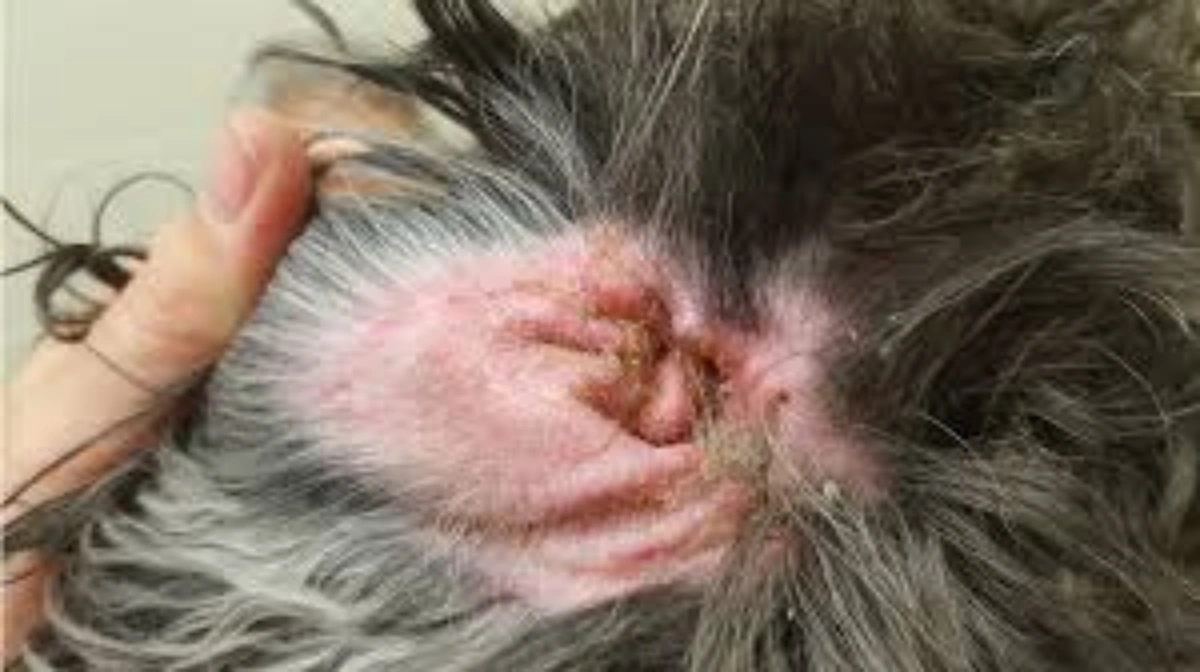
A dog that is in pain has a significantly lower tolerance for handling and interaction. A dog that snapped when touched near its hip joint may have arthritis. A dog that began showing aggression around mealtimes may have an oral problem that makes eating painful. A dog with a previously tolerable handling routine that suddenly begins reacting aggressively to that same handling may have developed an injury or illness since the last examination.
Medical evaluation should be the first step in any new or changed aggression presentation. Ruling out pain as a contributing factor is not optional. Treating behaviour modification in a dog that is in unmanaged pain will consistently fail.
Conflict and Boundary Confusion
When a dog receives inconsistent signals about what is and is not permitted, it becomes uncertain about its own position within its environment. Dogs in chronically inconsistent environments, where the same behaviour is sometimes rewarded and sometimes punished, where rules change unpredictably, or where previous training has included confrontational or punitive methods, can develop conflict-based aggression as a response to confusion and anxiety about how to respond to human interaction.
Redirected Aggression
A dog that is highly aroused by an external stimulus, such as another dog seen through a window, a passing vehicle, or a perceived territorial threat, may redirect that arousal onto the nearest available target, which is often a familiar person. This form of aggression appears sudden and unpredictable, but it is driven by the arousal state rather than any specific intent toward the person involved.
Genetic and Temperament Factors
Individual temperament and, in some cases, breed-related tendencies influence a dog’s threshold for stress and its default response to perceived threats. Some dogs are genetically predisposed toward lower stress tolerance or higher reactivity. This does not make aggression inevitable, but it does mean that management and training need to account for the individual dog’s baseline.
Related Videos



How Aggression Develops
The escalation sequence from stress to bite follows a consistent internal logic. A dog experiences a stressor. It communicates discomfort through early signals. If those signals are ignored or the stressor is not removed, the discomfort increases. The dog escalates its communication. If escalation is also ignored, or if early growling has previously been punished and the dog has learned to suppress its warnings, the next available communication is physical contact.
Dogs do not bite without warning. They bite when every previous warning was ineffective. Understanding this sequence changes how the behaviour should be interpreted and how the response should be structured.
Diagnosis
Medical Evaluation
A thorough veterinary examination is the mandatory first step when aggression toward familiar people appears or changes in pattern or intensity. Blood tests, physical examination, neurological assessment, and targeted investigation of any areas the dog reacts to when touched are all part of ruling out physical pain or illness as a contributing factor.
Behavioural Assessment
Following medical clearance, a detailed behavioural assessment by a qualified veterinary behaviourist or certified animal behaviourist identifies the specific triggers, the contexts in which aggression occurs, the escalation pattern, the dog’s body language profile, and the environmental and social factors that may be contributing. This assessment forms the basis of the management and treatment plan.
Treatment and Management
There is no quick fix for aggression toward familiar people. This is long-term management, not a short course of training.
Behaviour Modification
Systematic desensitisation and counter-conditioning are the evidence-based behavioural interventions for most forms of aggression. The dog is gradually and carefully exposed to its triggers at a level below its threshold for reaction, while simultaneously being conditioned to associate those triggers with something positive. This process changes the emotional response to the trigger over time rather than simply suppressing the behaviour.
This work requires professional guidance. Attempting desensitisation without appropriate expertise carries the risk of triggering rather than reducing aggression.
Trigger Management
While behaviour modification is underway, active management of the environment reduces the frequency of situations that trigger aggression. This is not avoidance as a permanent solution. It is a safety measure that prevents rehearsal of aggressive behaviour and reduces the dog’s overall stress load during the treatment period.
Professional Intervention
A veterinary behaviourist brings together the medical and behavioural expertise needed for complex aggression cases. This is not the same as a general dog trainer. Cases involving biting, escalation, or unpredictability require specialist involvement.
Medication
In cases where anxiety, fear, or compulsive behaviour is significantly driving the aggression, veterinary-prescribed medication can reduce the emotional intensity that makes behaviour modification difficult to achieve. Medication alone does not resolve aggression. In combination with behaviour modification, it can make the process significantly more achievable for dogs with high baseline anxiety.
Safety Measures
Muzzle training, managed interactions with high-risk household members, including young children, and clear protocols for handling the dog during known trigger situations are practical safety measures that must be in place throughout the treatment process.
Related Products




Prognosis
The prognosis for aggression toward familiar people depends on the cause, the severity, the dog’s age and history, and the consistency of the management implemented.
Many cases improve meaningfully with appropriate intervention. Fear-based aggression that is addressed early, before the behaviour pattern is deeply established, often responds well to systematic behaviour modification. Resource guarding managed through environmental adjustment and training is frequently brought to a manageable level.
It is important to be honest: aggression toward familiar people is a condition that is managed rather than cured in most cases. The goal is a safe, predictable environment where known triggers are managed, and the dog’s stress is kept below threshold. That goal is achievable in the majority of cases with commitment and professional support.
When to Seek Help
Seek immediate professional intervention if any of the following occur:
- The dog has bitten someone in the household, regardless of whether the bite broke skin
- The aggression is escalating in frequency or intensity
- The aggression appears unpredictable with no identifiable trigger
- A child is in the household, and the dog has shown any level of aggression toward that child
- You feel unsafe around your own dog
This level of escalation requires a veterinary behaviourist assessment without delay, not a general training class.
Preventing Aggression Toward Familiar People
Consistent Training from an Early Age
Clear, consistent, reward-based training establishes predictable rules and boundaries that reduce the confusion and conflict-based anxiety that contribute to aggression. Inconsistency creates uncertainty. Uncertainty creates stress. Stress, over time, creates reactivity.
Avoid Punishment-Based Methods
Punishing a growling dog for growling does not resolve the underlying fear or discomfort. It removes the warning signal while the underlying state remains unchanged. A dog that has been punished for growling is a dog that may bite without any preceding warning. Suppressing the communication is not the same as resolving the problem.
Learn Canine Body Language
Understanding the early stress signals that precede escalation allows intervention before the situation deteriorates. Recognising freeze, whale eye, lip licking, and stiff posture as communication rather than neutral behaviour is one of the most practically important skills any dog owner can develop.