

Anaemia is not a diagnosis in itself – it is a signal that something else is going on. When a dog’s body has too few red blood cells, or those cells are not carrying enough haemoglobin, the tissues stop receiving adequate oxygen. The result is a dog who tires easily, loses their appetite, and in severe cases, deteriorates rapidly. Recognising the signs early and understanding what drives anaemia is what allows pet parents to act before a manageable condition becomes a crisis. VOSD provides vet-informed guidance on conditions like this for dog owners across India.
What is Anaemia in Dogs?
Red blood cells are produced in the bone marrow, circulate through the body for roughly three months, and are then replaced. Anaemia occurs when this system breaks down, either too many cells are being lost or destroyed, or not enough are being produced to keep up. The result is reduced oxygen delivery to every organ and tissue in the body.
Anaemia is classified into two broad types. Regenerative anaemia means the bone marrow is responding and producing new cells; the body is trying to correct itself. Non-regenerative anaemia means the marrow is not keeping up, which typically points to a more serious underlying problem such as chronic disease, kidney failure, or bone marrow suppression. Distinguishing between the two is one of the first things a veterinary workup will establish.
Also read – Anemia Due to Bone Marrow Failure in Dogs
Symptoms of Anaemia in Dogs
Early Symptoms of Anaemia
The early signs are easy to dismiss because they overlap with many other conditions, or simply with a dog having a quieter day:
- Reduced energy and reluctance to exercise
- Pale or whitish gums are one of the most reliable early indicators
- Slightly faster breathing than usual at rest
- Mild loss of appetite
- Increased thirst in some cases
The gum colour check is something every pet parent should know. Press lightly on the gum and release, colour should return to pink within two seconds. Pale, white, or yellowish gums warrant same-day veterinary attention.
Severe Symptoms, Emergency Signs
Seek veterinary care immediately if your dog shows any of the following:
- Collapse or sudden inability to stand
- Extreme weakness or inability to walk
- White or blue-tinged gums
- Laboured breathing at rest
- Black or bloody stool
- Jaundice, yellowing of gums, skin, or whites of the eyes
These are not wait-and-see situations.
Causes of Anaemia in Dogs
Blood Loss (Haemorrhagic Anaemia)
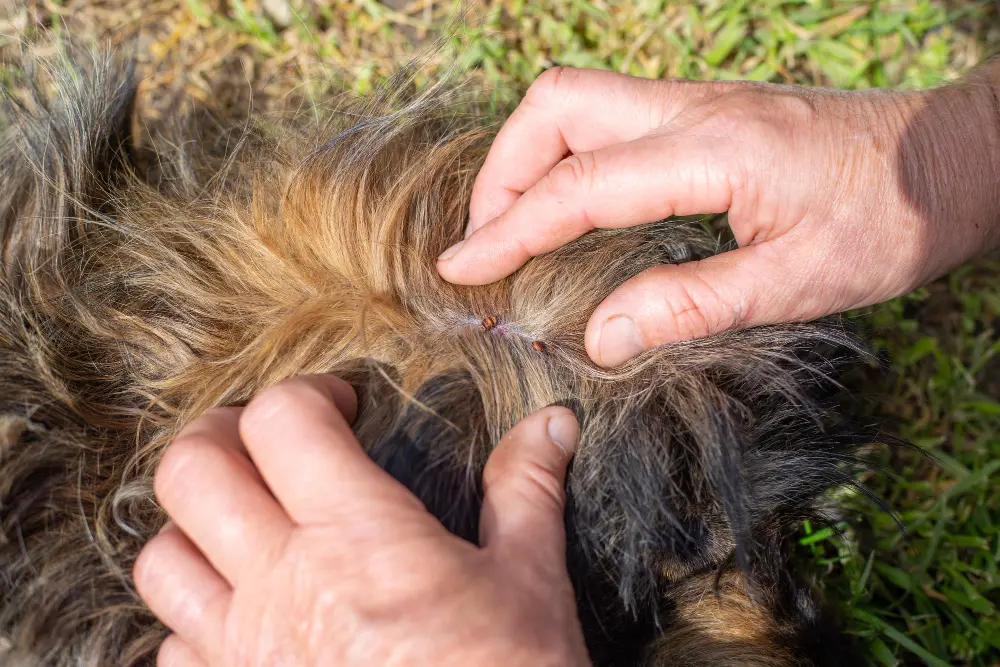
External and internal bleeding are the most straightforward causes. Trauma, surgical complications, gastrointestinal ulcers, and tumours can all produce significant blood loss. In India, heavy tick, flea, or hookworm infestations are among the most common causes of anaemia in dogs, and among the most preventable with routine parasite control.
Destruction of Red Blood Cells
Immune-mediated haemolytic anaemia (IMHA) occurs when the dog’s own immune system begins attacking its red blood cells. It can be triggered by infection, certain drugs, toxins, or may occur without an identifiable cause. IMHA can progress rapidly and requires urgent treatment; it is one of the more serious presentations of anaemia.
Decreased Production of Red Blood Cells
When bone marrow is not producing adequate red blood cells, the cause is usually a systemic condition: chronic kidney disease, cancer, nutritional deficiencies (particularly iron or B vitamins), or bone marrow suppression. These cases develop more slowly but are more complex to manage long-term.
Related Videos


How Veterinarians Diagnose Anaemia in Dogs
- Complete Blood Count (CBC) confirms the presence and severity, and indicates whether anaemia is regenerative or non-regenerative
- Blood smear examination assesses red blood cell shape, pointing to specific causes
- Parasite screening rules out tick-borne diseases and internal parasites
- The biochemistry panel evaluates kidney, liver, and metabolic function
- Imaging (X-ray or ultrasound) checks for internal bleeding, tumours, or organ changes
- Bone marrow biopsy is used in non-regenerative cases with no obvious underlying cause
The more accurately the cause is identified, the more targeted and effective the treatment.
Treatment Options for Anaemia in Dogs
Treatment is always directed at the underlying cause. Addressing only the anaemia without identifying what is driving it produces temporary improvement at best.
Medical Treatments
- Steroids and immunosuppressants – for IMHA, where the immune response needs to be reduced
- Antibiotics or antiparasitic medications – when infection or parasites are responsible
- Nutritional supplementation – iron, B12, or folate for deficiency-related cases
Supportive Treatments
- Blood transfusions are required in severe cases to stabilise the dog while the root cause is treated
- IV fluids, to maintain circulation and organ function
- Oxygen therapy for dogs in acute respiratory distress
- Hospitalisation and monitoring in critical presentations
Prognosis for Dogs with Anaemia
Recovery depends almost entirely on the underlying cause and how early treatment begins. A dog with parasite-driven anaemia can recover fully within weeks. A dog with IMHA or anaemia secondary to cancer faces a more guarded prognosis and often requires long-term management. Early diagnosis consistently improves outcomes across all types.
Preventing Anaemia in Dogs
- Year-round parasite control, routine deworming, and tick and flea prevention are particularly important across most of India
- Balanced, complete nutrition, nutritional anaemia is preventable with appropriate feeding
- Regular veterinary health screening, blood work as part of annual check-ups, can catch developing anaemia before it becomes symptomatic
- Keep toxins and certain human medications away from dogs, as some are directly haemolytic
Related Products




When to See a Vet
Pale gums, unexplained weakness, blood in the stool, or collapse require a same-day veterinary assessment. For guidance on when symptoms are urgent versus watchful, the VOSD vet advice section is a reliable starting point.
Disclaimer:
The information contained in VOSD Vet Advice™ is not intended nor implied to be a substitute for professional medical action, which is provided by your vet. You assume full responsibility for how you choose to use this information. For any emergency related to a dog’s health, please visit the nearest veterinary clinic.