
If your dog has been on antibiotics for a week or more and the infection does not seem to be improving, or keeps coming back shortly after the course ends, you are not alone in finding this confusing and worrying. Antibiotic-resistant infections in dogs are a growing concern in veterinary practice, and they are seen more frequently in India than many pet parents realise. Understanding what resistance means, why it happens, and what can be done about it helps you work more effectively with your vet to get your dog the right care.
What Are Antibiotic-Resistant Infections in Dogs?
Bacteria are living organisms, and like all living things, they adapt over time. When a dog is given antibiotics, most of the bacteria causing the infection are killed. But if any survive, it may be because they carry a natural variation that makes them slightly less vulnerable to that antibiotic. Those survivors reproduce, and over time the population of bacteria shifts towards strains that the antibiotic can no longer reliably destroy.
Antibiotic-resistant infections in dogs occur when the bacteria causing an infection have developed this kind of resistance, either through repeated antibiotic exposure, incomplete treatment courses, or exposure to resistant strains from the environment or other animals. The result is an infection that does not respond to standard antibiotics in the way it should, requiring a different diagnostic and treatment approach.
This is not a failure of care on anyone’s part in isolation. It is a complex biological and medical challenge that requires accurate diagnosis and careful, targeted treatment to resolve.
Common Symptoms to Watch For
The signs of antibiotic-resistant infections in dogs are not always distinct from those of a standard bacterial infection at the outset. What sets them apart is the pattern over time, particularly the absence of the improvement that should follow a properly managed antibiotic course.
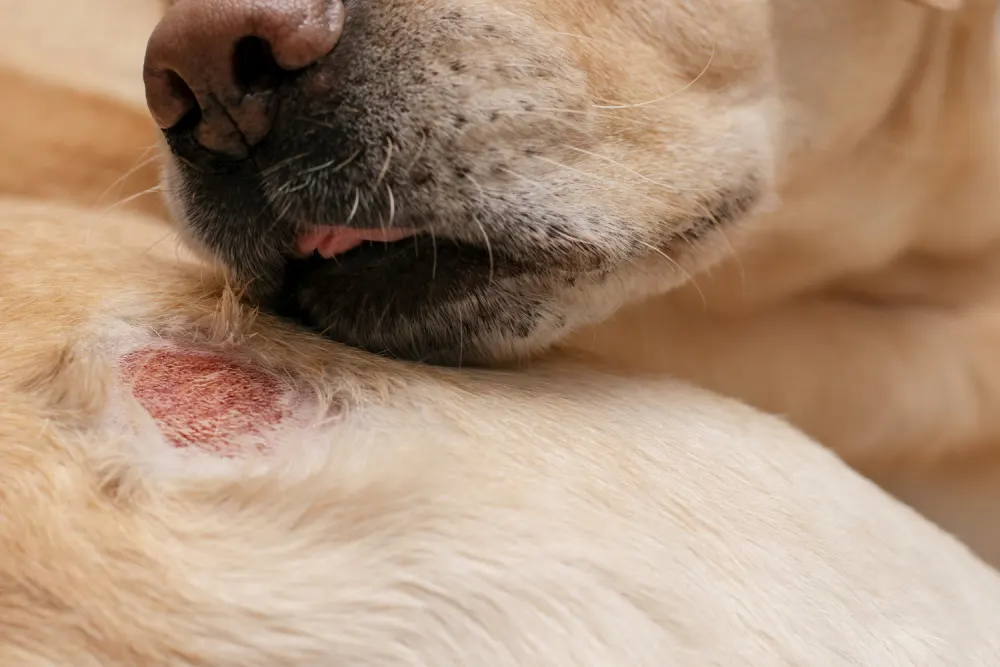
- A wound, skin infection, or surgical site that does not heal despite antibiotic treatment, or that appears to improve and then worsens again after the course ends
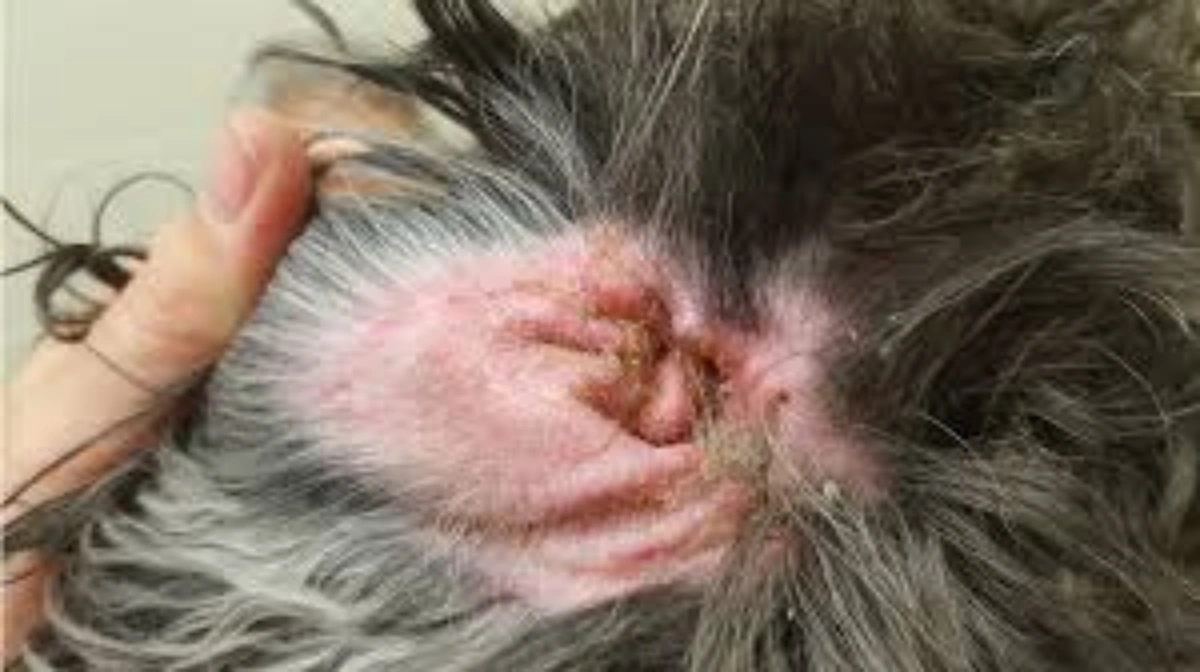
- Recurring infections in the same location, such as repeated skin infections, ear infections, or urinary tract infections over a period of months
- Persistent discharge from a wound or body opening that does not clear with standard treatment
- Fever that returns or does not resolve during antibiotic therapy
- Lethargy, reduced appetite, and general unwellness that continues despite ongoing medication
- A wound that looks actively infected with pus, odour, or spreading redness after a full antibiotic course has been completed
- Swelling or heat at an infection site that is not reducing over the expected timeframe
The clearest signal that an antibiotic-resistant infection may be present is a dog that is not getting better the way they should. If your vet has prescribed a full course of antibiotics and you are not seeing the expected improvement within a reasonable timeframe, raising this with your vet is the right next step rather than waiting.
Causes and Risk Factors
Antibiotic-resistant infections in dogs develop from a combination of biological and practical factors. In India, certain environmental and behavioural realities make some of these risk factors more prominent than in other settings.
- Incomplete antibiotic courses: Stopping treatment early because the dog seems better is one of the most common contributors to resistance. The bacteria that survive a partial course are often the more resistant ones
- Repeated antibiotic use without culture testing: When the same broad-spectrum antibiotic is prescribed repeatedly for recurring infections without first identifying the specific bacteria involved, resistant strains are given an advantage
- Over-the-counter antibiotic access: In India, antibiotics are more readily available without prescription than in many countries. Self-medicating a dog based on a previous prescription, or on advice from a pet shop, exposes bacteria to antibiotics without the oversight needed to use them effectively
- Wounds from street dog bites or road accidents: Dogs that sustain injuries in environments with high bacterial diversity, including street encounters, construction areas, and contaminated water, are exposed to a wider range of bacteria, some of which may already carry resistance
- Hospital-acquired exposure: Dogs that have had surgical procedures, prolonged hospitalisation, or repeated veterinary interventions have increased exposure to resistant strains that can circulate in clinical environments
- Underlying health conditions: Dogs with diabetes, immune suppression, or chronic skin conditions are more vulnerable to recurring infections and therefore to the repeated antibiotic use that increases resistance risk
Related Videos



How Vets Diagnose Antibiotic-Resistant Infections in Dogs
The key diagnostic tool for antibiotic-resistant infections in dogs is a culture and sensitivity test. This involves taking a swab or sample from the infected site and sending it to a laboratory, where the bacteria are grown under controlled conditions and then tested against a panel of different antibiotics. The results show which antibiotics the bacteria are sensitive to and which they are resistant to, giving the vet a clear guide for choosing the most effective treatment.
| Diagnostic Step | What It Identifies | Practical Notes for India |
|---|---|---|
| Culture and sensitivity test | Specific bacteria present and which antibiotics they respond to | Available through veterinary diagnostic labs in major Indian cities; results typically take three to five days |
| Blood tests | Signs of systemic infection, organ involvement, and overall health status | Helps assess how widespread the infection has become and whether supportive treatment is needed alongside antibiotics |
| Wound or lesion assessment | Depth and extent of infection; presence of abscess or necrotic tissue | Important for planning wound management alongside systemic treatment |
| Urine culture (for urinary infections) | Bacterial species and sensitivity profile specific to urinary tract infections | Particularly relevant for dogs with recurring urinary tract infections that have been treated multiple times |
The culture and sensitivity test takes a few days to return results, and it can feel frustrating to wait when a dog is clearly unwell. However, beginning targeted treatment based on accurate test results is significantly more effective than continuing to use antibiotics that the bacteria are no longer responding to. This patience in diagnosis pays off in a cleaner, more reliable recovery.
Treatment and Management
Treating antibiotic-resistant infections in dogs requires a more careful and individually tailored approach than a standard infection. The goal is to use the most targeted antibiotic available based on the culture results, for a course long enough to fully clear the infection, while supporting the dog’s recovery through good wound care and general health management.
- Targeted antibiotic therapy: Once culture results are available, the vet will select the antibiotic that the specific bacteria are sensitive to. This may be a less commonly used antibiotic or one reserved for resistant cases. It is important to use exactly the medication prescribed rather than substituting or adjusting the dose
- Completing the full course: Resistant infections often require longer antibiotic courses than standard infections. Completing the full prescribed duration is essential, even if the dog appears to have recovered before the course ends
- Wound management: Infected wounds associated with resistant bacteria require thorough cleaning and in some cases surgical debridement to remove damaged tissue that harbours bacteria. Regular wound care at home, as directed by the vet, is a critical part of recovery
- Hygiene and isolation measures: Some resistant bacteria, including MRSP (Methicillin-Resistant Staphylococcus pseudintermedius), can spread between animals. Handwashing after handling the dog or its wounds, avoiding close contact between an affected dog and other pets during treatment, and cleaning the dog’s bedding and environment reduces the risk of spread
- Supportive care: Dogs with significant infections may need additional support including nutritional management, pain relief, and in severe cases, fluid therapy under veterinary supervision
Throughout treatment, keep all follow-up appointments so the vet can assess whether the infection is clearing as expected and adjust the plan if needed. Do not stop medication early based on visible improvement alone.
Related Products


Prognosis: Recovery Outlook
The outlook for antibiotic-resistant infections in dogs depends on several factors, including how early the resistance was identified, which bacteria and resistance pattern are involved, and whether any internal organs have been affected. Most skin and wound-based resistant infections respond well to correctly targeted treatment when managed thoroughly and consistently. Infections that have spread internally or involved the bones, joints, or organs are more complex to manage and require more intensive veterinary care.
Recovery may take longer than a standard infection, and occasional setbacks during treatment are not uncommon. A dog that completes the correct targeted antibiotic course with good wound care and supportive management has a good chance of full resolution. Ongoing monitoring after treatment completion is sensible to catch any recurrence early.
Prevention for Pet Parents
Preventing antibiotic-resistant infections in dogs is something every pet parent can contribute to through consistent, responsible practices.
- Always complete the full antibiotic course prescribed by your vet, even if your dog appears better before it ends
- Never use leftover antibiotics from a previous prescription for a new infection without veterinary guidance. The bacteria causing the current infection may be different from the last, and using the wrong antibiotic contributes to resistance
- Do not purchase antibiotics over the counter or from a pet shop without a veterinary prescription and clear instruction on dosage and duration
- Clean wounds promptly and thoroughly. A well-managed wound is far less likely to develop a serious bacterial infection in the first place
- Keep vaccinations current. Some preventable infections weaken the immune system and make a dog more vulnerable to secondary bacterial infections
- For dogs with recurring skin or ear infections, ask your vet about culture testing early rather than repeating the same antibiotic course multiple times
- Maintain good general hygiene in your dog’s living environment, particularly bedding, feeding bowls, and outdoor areas
When to Seek Urgent Veterinary Care
Some situations associated with antibiotic-resistant infections in dogs require prompt veterinary attention rather than continued home management.
- A wound that is visibly worsening, spreading, or developing pus despite ongoing antibiotic treatment
- Fever that does not reduce or returns after appearing to settle
- Significant loss of appetite, weakness, or collapse
- Swelling that is expanding rapidly around an infected area
- Any sign of infection in a dog that has recently had surgery or a procedure involving implants
Antibiotic-resistant infections in dogs are a genuinely manageable problem when approached correctly. The combination of accurate diagnosis through culture testing, targeted treatment, careful wound care, and consistent medication compliance gives most dogs a clear path to recovery. The most important contribution any pet parent can make is working closely with their vet from the start and following the full treatment plan without shortcutting the process.