
Campylobacteriosis in dogs is a bacterial infection of the digestive tract that is more common than many pet parents realise, particularly in puppies, recently rescued dogs, and animals that spend time in crowded or outdoor environments. While it is not always severe, it can cause significant discomfort, and in young or already weakened dogs it may require prompt veterinary attention. In India, the combination of street exposure, variable food hygiene, and shared outdoor spaces means the risk of bacterial gut infections in dogs is meaningfully higher than in many other settings. Understanding campylobacteriosis helps you recognise it early and respond in the right way.
What is Campylobacteriosis in Dogs?
Campylobacteriosis is an infection caused by bacteria of the Campylobacter genus, most commonly Campylobacter jejuni. These bacteria colonise the intestines and disrupt normal gut function, leading to inflammation, diarrhoea, and associated symptoms. The infection is sometimes referred to as a form of bacterial gastroenteritis in dogs.
It is worth knowing that some dogs carry Campylobacter bacteria in their gut without showing any symptoms at all. These dogs can still shed the bacteria in their faeces and potentially pass it to other animals or, in some cases, to humans. Symptomatic disease is more likely in young puppies, dogs under stress, and those with compromised immunity, which is why it is so frequently seen in rescue and shelter environments.
How Campylobacteriosis Spreads in Dogs
Campylobacter bacteria are transmitted primarily through the faecal-oral route. In practical terms, this means a dog becomes infected by ingesting something contaminated with the faeces of an infected animal. This can happen in several ways that are particularly relevant to the Indian context.
- Drinking from contaminated water sources such as puddles, shared outdoor bowls, or stagnant water
- Eating raw or undercooked meat, which is a known reservoir for Campylobacter bacteria
- Sniffing or licking faecal matter while walking in parks, on pavements, or in areas frequented by stray dogs
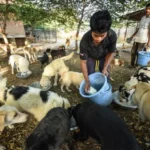
- Contact with other infected dogs in kennels, shelters, or group feeding situations
- Exposure to contaminated soil in areas with poor sanitation
Dogs that spend time outdoors, scavenge food, or have contact with stray populations are at the highest risk of encountering the bacteria. This does not mean every such exposure leads to infection, but it does make awareness and hygiene particularly important for pet parents in urban and semi-urban India.
Symptoms of Campylobacteriosis in Dogs
The symptoms of campylobacteriosis in dogs can range from mild digestive upset to more noticeable illness, depending on the dog’s age, immune status, and the bacterial load involved. Symptoms typically appear two to five days after exposure.
Mild to moderate symptoms include:
- Loose or watery diarrhoea that may last several days
- Reduced appetite or reluctance to eat
- Mild lethargy or lower energy than usual
- Occasional vomiting
- Mucus in the stool
More noticeable symptoms that warrant prompt veterinary attention include:
- Bloody diarrhoea or dark, tarry stools
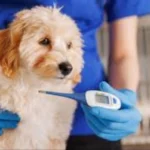
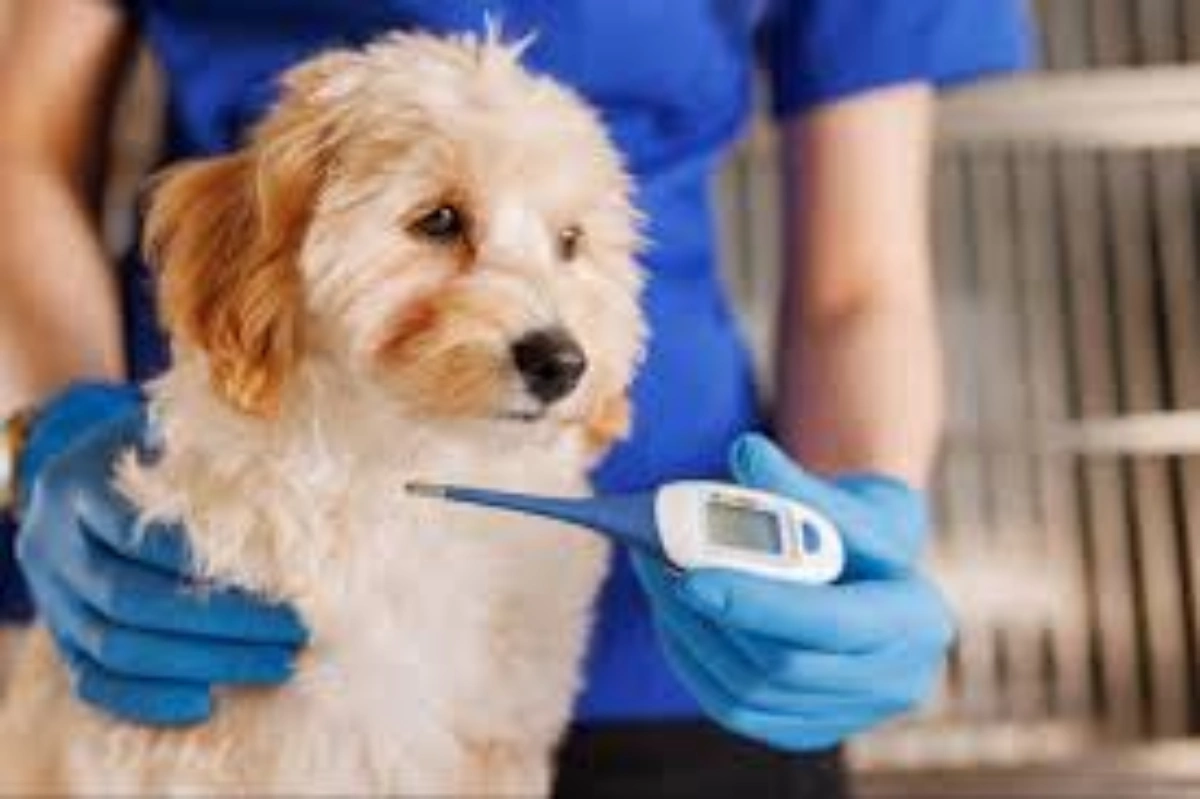
- Fever, which may be detected as warm ears, nose, or a noticeably warm abdomen
- Significant lethargy, weakness, or inability to settle
- Signs of dehydration such as dry gums, sunken eyes, or skin that does not spring back when gently pinched
- Prolonged diarrhoea lasting more than two to three days without improvement
Puppies and small dogs can become dehydrated quickly, so any diarrhoea in a young dog should be taken seriously and assessed by a vet within the same day if other symptoms are also present.
Causes and Risk Factors
The direct cause of campylobacteriosis in dogs is infection with Campylobacter bacteria, most commonly C. jejuni and occasionally C. upsaliensis. However, not every dog exposed to these bacteria will become ill. Several factors influence whether infection leads to clinical disease.
| Risk Factor | Why It Increases Risk |
|---|---|
| Young age (under 6 months) | Immature immune system is less able to contain bacterial colonisation |
| Recent rehoming or rescue | Stress suppresses immunity; exposure to multiple dogs increases bacterial load |
| Raw or undercooked meat in diet | Raw poultry in particular is a common source of Campylobacter bacteria |
| Access to contaminated water | Outdoor water sources in India are frequently contaminated with animal faecal matter |
| Kennel or shelter housing | Close proximity to many dogs increases transmission risk significantly |
| Concurrent illness or stress | Any condition that suppresses the immune system allows bacteria to proliferate more easily |
| Street or scavenging exposure | Contact with faecal matter and discarded food in outdoor environments is a direct transmission route |
Related Videos



How Campylobacteriosis in Dogs is Diagnosed
Diagnosing campylobacteriosis in dogs requires laboratory confirmation because the symptoms, particularly diarrhoea and lethargy, overlap with many other conditions including parvovirus, other bacterial infections, parasitic infestations, and dietary indiscretion.
The diagnostic process typically includes:
- Faecal culture: A stool sample is sent to a laboratory where it is cultured to identify the specific bacteria present. This is the most definitive method of confirming Campylobacter infection but may take a few days for results in India depending on the facility
- Faecal smear examination: A direct microscopic examination of the stool can sometimes reveal the characteristic appearance of Campylobacter bacteria, providing a faster preliminary indication
- Complete blood count: Helps assess the degree of infection and whether there is a systemic response to the bacteria
- Parasite screening: Since parasitic infections cause similar symptoms and are common in India, ruling out worms and protozoa such as Giardia is an important part of the assessment
Your vet will guide the diagnostic approach based on your dog’s history, symptoms, and clinical findings. In many cases, treatment is begun on the basis of clinical signs while awaiting laboratory confirmation, particularly in young or unwell dogs.
Treatment of Campylobacteriosis in Dogs
Treatment of campylobacteriosis in dogs depends on the severity of the illness. Mild cases in otherwise healthy adult dogs sometimes resolve with supportive care alone, while puppies, severely affected dogs, and those with bloody diarrhoea or systemic signs will generally require antibiotic treatment under veterinary supervision.
Core treatment elements include:
- Fluid support: Maintaining hydration is the immediate priority. Mildly affected dogs may be managed with oral rehydration fluids at home, while more severely dehydrated dogs require intravenous or subcutaneous fluids at the clinic
- Antibiotics: When prescribed by a vet, antibiotics such as erythromycin or azithromycin are commonly used for Campylobacter infections. It is essential that antibiotics are prescribed and dosed by a vet rather than sourced and administered independently, as inappropriate antibiotic use contributes to resistance and may not address the specific bacteria involved
- Dietary management: A bland, easily digestible diet such as boiled chicken with plain rice is typically recommended during recovery to reduce the burden on the inflamed gut
- Probiotics: Gut-supportive probiotics may be recommended by your vet to help restore normal intestinal flora following antibiotic treatment
- Rest and isolation: The dog should be kept calm, rested, and separated from other pets in the household during the active illness phase
Never administer human antibiotics or leftover medication to your dog. Self-medicating a dog with bacterial diarrhoea without a confirmed diagnosis and vet guidance can cause more harm than good.
Prognosis and Recovery
The prognosis for campylobacteriosis in dogs is generally good. Most dogs with mild to moderate disease recover fully within one to two weeks with appropriate care. Puppies and dogs with severe bloody diarrhoea or dehydration require closer monitoring and more intensive support, but the majority recover well when treatment is started promptly.
Dogs that have recovered from campylobacteriosis may continue to shed Campylobacter bacteria in their faeces for several weeks even after symptoms have resolved. During this period, good hygiene practices remain important, particularly in households with young children or immunocompromised individuals.
Home Care and Hygiene During Recovery
Once your vet has confirmed that your dog can be managed or continue recovery at home, the following practical steps help support healing and prevent spread.
- Wash your hands thoroughly with soap and water after handling your dog, cleaning up faeces, or touching food and water bowls
- Disinfect the area where the dog rests and toilets regularly using a pet-safe disinfectant
- Keep the infected dog away from other pets in the household until the diarrhoea has fully resolved
- Dispose of faeces promptly and hygienically, bagging and binning rather than leaving on the ground
- Do not allow children to handle the dog’s faeces or to be licked on the face by the dog during the active illness phase
- Provide fresh, clean drinking water at all times and change it frequently
Prevention of Campylobacteriosis in Dogs
Preventing campylobacteriosis in dogs in the Indian context requires attention to a few practical areas that are easy to overlook in daily routine.
- Clean water at all times: Provide fresh, filtered or boiled water rather than allowing your dog to drink from puddles, shared outdoor bowls, or stagnant sources
- Safe food handling: If feeding raw meat, handle it with the same hygiene standards used for human food preparation. Ideally, consult your vet about the risks and benefits of raw feeding in the Indian context before starting
- Regular deworming and parasite control: Maintaining a good parasite control programme keeps the gut healthier overall and reduces the likelihood of multiple concurrent infections
- Minimising street food scavenging: Training your dog not to scavenge while on walks significantly reduces exposure to contaminated faecal matter and discarded food
- Hygiene after outdoor walks: Wiping your dog’s paws after walks and washing your own hands before handling food reduces the chance of bringing bacteria indoors
- Routine veterinary check-ups: Regular health checks allow early identification of gut health issues before they become more serious
Related Products
Zoonotic Risk: Can Humans Get Campylobacteriosis from Dogs?
Campylobacteriosis is a zoonotic condition, meaning it can in some circumstances be transmitted from animals to humans. This does not mean that having a dog with campylobacteriosis puts everyone in the household at serious risk, but it does mean that sensible hygiene precautions are warranted.
The people most at risk of becoming ill from contact with an infected dog are young children, elderly individuals, pregnant women, and those with weakened immune systems. If anyone in the household falls into one of these categories, it is worth informing your doctor that your dog has been diagnosed with a Campylobacter infection while they are unwell or symptomatic.
Regular handwashing, prompt faeces disposal, and avoiding face licking during the active illness phase are the most effective practical measures. The risk is manageable with simple hygiene and should not cause undue anxiety for most households.
When to See a Vet Without Delay
Contact your vet the same day or seek prompt veterinary care if your dog shows any of the following:
- Diarrhoea that contains blood or has a very dark, tarry appearance
- Diarrhoea that persists for more than two days without any sign of improvement
- Visible signs of dehydration such as dry gums, lethargy, or skin that does not return to position when gently pinched
- Fever, shivering, or a noticeably warm abdomen alongside gut symptoms
- Any diarrhoea in a puppy under four months of age, regardless of severity
Campylobacteriosis in dogs is a condition that responds well to timely care. Most affected dogs recover fully, and with attention to hygiene and food safety, many cases are preventable. As a pet parent in India, being aware of how bacterial gut infections occur, what signs to look for, and when to seek veterinary support puts you in the best possible position to protect your dog’s digestive health.