
Nocardiosis in Dogs
Nocardiosis is a rare infectious ailment that impacts various bodily systems, such as the respiratory, musculoskeletal, and nervous systems. Dogs and cats can both encounter the infectious, saprophytic organism, which sustains itself by feeding on deceased or decomposing matter in the soil. Generally, exposure happens through open wounds or inhalation.
Symptoms and Types
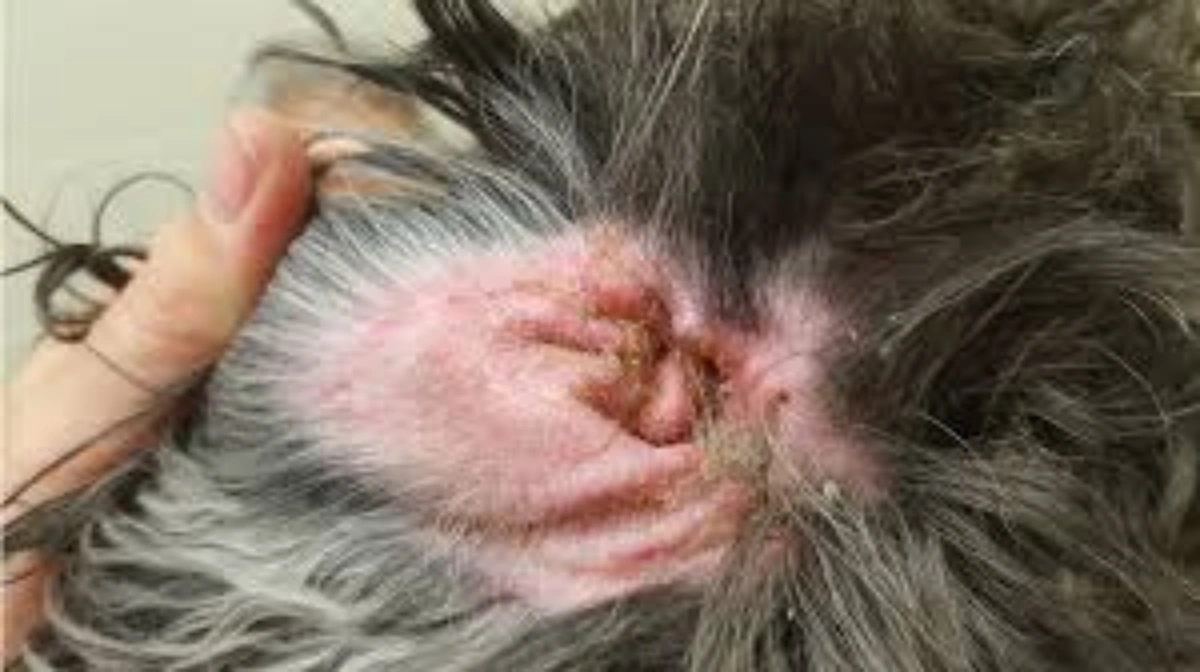
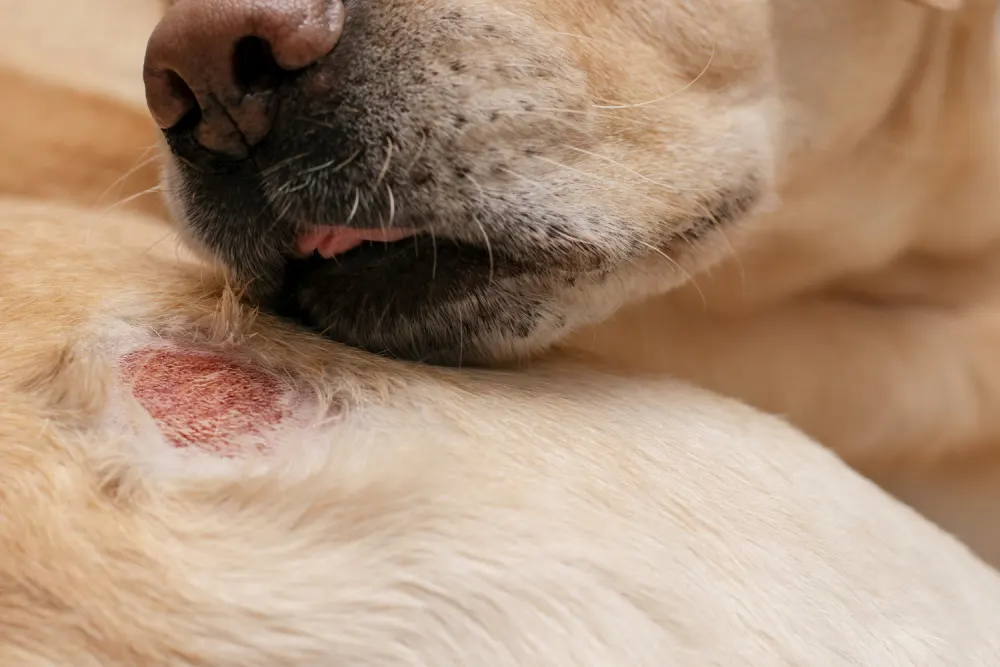
The symptoms of nocardiosis vary depending on the site of infection. For instance, if the infection occurs in the pleural body cavity, encompassing the lungs and surrounding membranes, signs may include emaciation, fever, and raspy, labored breathing (dyspnea). In cases of skin infection, symptoms may involve the presence of persistent non-healing wounds and, when untreated, draining lymph nodes. When the infection is not localized to a specific area of the body, symptoms may encompass fever, weight loss, and lethargy. Referred to as disseminated nocardiosis, this form is most prevalent in young dogs.
Causes
The infectious agent resides in the soil and gains entry into the dog’s body through open wounds or inhalation through the respiratory tract. Among dogs, Nocardia asteroides stands as the most prevalent species responsible for infections. Although rare, dogs may also be vulnerable to Proactinomyces spp. Furthermore, dogs with weakened immune systems or autoimmune conditions are at a higher risk of contracting this type of Nocardia infection.
Diagnosis
The veterinarian will examine cells from the dog’s thorax or abdomen to pinpoint the causative organism. Additional diagnostic methods, like X-rays and urine analysis, are utilized to eliminate other potential causes, such as fungal infections and tumors.
Treatment
The approach to treating nocardiosis hinges largely on the site of infection and the accompanying symptoms. In cases where pleural effusion is evident, hospitalization becomes necessary to avert dehydration. Surgical drainage of the fluid might also be warranted. Otherwise, prolonged antibiotic therapy is indispensable for combating the infection.
Living and Management
Given that nocardiosis commonly impacts the musculoskeletal and central nervous system, it is crucial to diligently observe the dog for symptoms like fever, weight loss, seizures, breathing issues, and lameness for a minimum of one year following therapy.
Prevention
Maintaining general cleanliness and regularly disinfecting your dog’s wounds or cuts can aid in preventing this type of infection, particularly if your dog’s immune system is compromised.
Related Videos