
A dog that starts limping without an obvious injury is easy to dismiss at first. A sprain, perhaps. Overexertion after a long walk. Something that will settle in a day or two.
Sometimes it does settle. But when the limping persists, or when a firm swelling appears near a bone that was not there before, the picture changes. And one of the conditions that can cause exactly this presentation is chondrosarcoma, a malignant tumor that develops from the cartilage tissue supporting your dog’s bones and joints.
Chondrosarcoma is the second most common primary bone tumor in dogs after osteosarcoma, accounting for roughly five to ten percent of all primary bone cancers. It is a serious diagnosis, but it is not the same as osteosarcoma in its behaviour. Chondrosarcoma tends to spread more slowly, and for many dogs, early and appropriate treatment can significantly extend both life and quality of life.
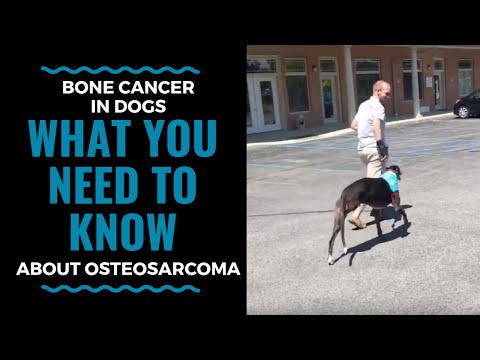
This guide explains what chondrosarcoma is, how it presents across different parts of the body, how it is diagnosed, and what treatment and recovery look like. For a broader understanding of primary bone cancers in dogs, the guide to osteosarcoma bone cancer in dogs provides important comparative context.
What Is Chondrosarcoma in Dogs?
Cartilage is the firm, flexible connective tissue found between bones, at the ends of joints, in the ribcage, in the nasal passages, and in several other structures throughout the body. Unlike bone, cartilage does not contain blood vessels and receives its nutrients through diffusion from surrounding tissue.
Chondrosarcoma develops when chondrocytes, the cells responsible for producing and maintaining cartilage, undergo malignant transformation. Instead of functioning normally, these cells begin dividing uncontrollably, forming a tumor that invades and destroys surrounding tissue.
What distinguishes chondrosarcoma from many other bone tumors is where it originates. It arises from cartilage rather than bone tissue directly, which influences both its behaviour and its treatment.
The most common locations for chondrosarcoma in dogs include the flat bones of the ribcage, which is the most frequent site, followed by the nasal cavity and facial bones, the pelvis, and the limb bones. Because it can arise in so many different locations, the clinical presentation varies considerably depending on where the tumor develops.
Chondrosarcoma is a malignant tumor from the outset. It is not a benign growth that transforms over time. However, compared to osteosarcoma, it tends to grow more slowly and has a somewhat lower rate of early distant spread, which is one reason outcomes can be more favourable when it is caught before metastasis occurs.
Symptoms of Chondrosarcoma in Dogs
The symptoms of chondrosarcoma depend heavily on where in the body the tumor is located. This variability means that the condition can present in ways that seem unrelated to bone cancer until a thorough veterinary examination is performed.
Lameness or limping. When the tumor involves a limb bone, progressive lameness is typically one of the earliest signs. It may begin mildly and worsen over weeks as the tumor grows and causes increasing pain and structural damage to the bone.
Visible swelling near a bone or joint. A firm, fixed swelling that is not associated with a recent injury and does not reduce over time is a significant warning sign. In rib tumors, a palpable mass along the chest wall may be noticed.
Pain on handling or palpation. Dogs with bone tumors often react with pain when the affected area is touched or manipulated. They may flinch, pull away, or vocalise.
Pathological fracture. When a tumor weakens the structural integrity of a bone sufficiently, a fracture can occur with minimal trauma. This is a severe complication that often brings the dog to the veterinarian urgently and may be the event that leads to the cancer diagnosis.
Breathing difficulties or reduced exercise tolerance. When tumors involve the ribs, they can interfere with normal chest wall movement and respiratory function as they grow.
Nasal discharge, nosebleeds, or facial swelling. Chondrosarcoma involving the nasal cavity or facial bones presents very differently from limb tumors. Nosebleeds, difficulty breathing through the nose, sneezing, and visible facial asymmetry are all possible signs. These symptoms are easy to attribute to infections or allergies early on, which is why nasal tumors are often diagnosed at a later stage.
Reduced mobility and reluctance to exercise. Dogs experiencing bone pain naturally become less willing to move, jump, or engage in physical activity they previously enjoyed.
Monitoring changes in your dog’s movement, energy levels, and any new physical findings is essential. Conditions that affect blood composition, as covered in the guide to blood-related deficiencies in dogs, can sometimes present with overlapping signs of fatigue and reduced activity, reinforcing the importance of thorough veterinary investigation rather than assumption.
Causes and Risk Factors
As with most cancers, the precise cause of chondrosarcoma in dogs remains incompletely understood. What research has established is a set of factors that appear to increase the likelihood of its development.
Age is a consistent risk factor. Chondrosarcoma is most commonly diagnosed in middle-aged to older dogs, typically between six and ten years of age. The cumulative effect of cellular changes over time increases the probability of malignant transformation in cartilage tissue.
Body size and breed appear to play a role. Large and giant breed dogs have been noted to develop bone tumors more frequently than small breeds, though chondrosarcoma shows a somewhat less pronounced size predisposition than osteosarcoma. Golden Retrievers, German Shepherds, and Boxers appear in the affected population with some regularity.
Genetic predisposition is strongly suspected based on breed clustering but has not been fully characterised at the molecular level.
Abnormal cartilage growth conditions, such as osteochondromatosis, a condition involving abnormal cartilage and bone growth, have been associated with a higher risk of chondrosarcoma development in some cases.
Previous radiation exposure to a specific area has been proposed as a contributing factor in rare cases, though this is more established in human oncology than in veterinary medicine.
None of these factors is within an owner’s direct control. The practical response to the risk profile is regular veterinary monitoring, particularly for older large-breed dogs, and prompt investigation of any new skeletal symptoms.
Related Videos


Types of Chondrosarcoma in Dogs
Chondrosarcoma in dogs is classified into two primary forms based on where within the bone structure it originates.
Medullary chondrosarcoma arises from the inner cavity of the bone, the medullary canal, which contains bone marrow and is surrounded by the cortical bone wall. Medullary tumors develop from within outward, progressively destroying the bone structure as they grow. They are the more commonly occurring form and tend to be more aggressive in their local behaviour.
Peripheral chondrosarcoma develops from the surface of the bone, typically arising from a pre-existing cartilage growth called an osteochondroma. These surface tumors grow outward from the bone rather than from within, which can make them somewhat more accessible to surgical management in certain locations. Peripheral chondrosarcomas are generally considered slightly less aggressive than the medullary form, though malignancy is present in both.
Understanding which type is present influences the surgical approach, the likelihood of complete removal, and the overall prognosis. Histopathology of the biopsy sample is required to make this determination definitively.
How Veterinarians Diagnose Chondrosarcoma
Diagnosing chondrosarcoma requires a combination of imaging and tissue analysis. No single test is sufficient on its own.
Physical examination. The veterinarian assesses the location, size, and firmness of any suspected mass, evaluates the dog’s gait and pain response, and checks regional lymph nodes for swelling that might indicate spread.
X-rays. Radiographs of the affected area are typically the first imaging step. Chondrosarcoma often shows a characteristic appearance on X-ray, including irregular bone destruction and sometimes a distinctive mineralisation pattern within the tumor tissue. However, X-rays alone cannot definitively differentiate chondrosarcoma from other bone tumors.
CT scanning. Computed tomography provides far greater detail than X-rays, particularly for tumors in complex locations such as the nasal cavity, pelvis, or ribcage. CT is increasingly used in veterinary oncology to assess tumor extent, plan surgery, and evaluate lymph node involvement.
Chest X-rays and abdominal imaging. These assess whether spread to the lungs or other organs has occurred, which is essential information for staging and treatment planning.
Blood tests. A full blood panel evaluates the dog’s overall health and organ function. It helps identify complications such as elevated calcium levels, a condition addressed in the guide to excess calcium in the blood in dogs, which can sometimes accompany bone tumors.
Biopsy and histopathology. Definitive diagnosis requires tissue. A bone biopsy, taken either with a needle under imaging guidance or surgically, provides a sample that pathologists examine to confirm the tumor type, its grade of malignancy, and how aggressively the cells are behaving. This information is essential for treatment planning.
Treatment Options for Chondrosarcoma in Dogs
Treatment for chondrosarcoma is guided by the tumor’s location, size, and whether spread has occurred at the time of diagnosis.
Surgical removal is the primary and most effective treatment when it is anatomically feasible. The goal is complete excision of the tumor with clean margins, leaving no malignant tissue behind. For limb tumors, this may mean limb amputation, which dogs typically adapt to remarkably well and which often provides the cleanest margins and the best chance of long-term control. Limb-sparing surgery is sometimes possible for selected cases where the tumor location and size allow sufficient bone removal without amputation, though achieving clean margins is more technically challenging.
For rib tumors, surgical removal of the affected ribs along with a margin of surrounding tissue is the standard approach. This is often highly effective because rib chondrosarcomas, when caught before spreading, can frequently be completely excised.
For pelvic tumors, surgery is more complex due to the anatomical structures involved, but it remains the treatment of choice when feasible.
Radiation therapy is particularly relevant for chondrosarcomas involving the nasal cavity, where surgery alone is technically very challenging. Radiation can provide meaningful tumor control and symptom relief in nasal chondrosarcomas and is often combined with surgical debulking where possible.
Chemotherapy plays a more limited role in chondrosarcoma compared to osteosarcoma. Chondrosarcoma cells are generally less responsive to standard chemotherapy agents, though they may be considered in cases with documented metastasis or when other treatment options are exhausted.
Pain management is an integral part of treatment at every stage. NSAIDs, opioid analgesics, and other pain medications are used to maintain comfort, particularly in the period around surgery and during recovery.
Related Products



Prognosis and Survival Rate
Prognosis for chondrosarcoma in dogs is more favourable than for osteosarcoma in several respects, primarily because the disease tends to spread more slowly and is more often localised at the time of diagnosis.
For rib chondrosarcomas treated with complete surgical excision, median survival times of over one year are reported, with a meaningful proportion of dogs surviving two years or more. This represents a significantly better outcome than most primary bone cancers.
For nasal chondrosarcomas, surgery combined with radiation therapy provides the best results, with survival times varying based on the extent of local disease and how completely the tumor can be managed.
For limb chondrosarcomas treated with amputation and clean margins, outcomes are generally good, though the risk of late metastasis remains a consideration that warrants ongoing monitoring.
The most important determinants of prognosis are whether the tumor was completely removed, whether metastasis was present at diagnosis, and the histological grade of the tumor as determined by biopsy. A low-grade tumor with clean surgical margins carries a considerably better prognosis than a high-grade tumor with regional spread.
Possible Complications
Leaving chondrosarcoma untreated, or delaying treatment, creates a progressively deteriorating situation for the affected dog.
Pathological fractures. As the tumor destroys bone from within or from the surface, the structural integrity of the bone weakens. A fracture through a tumor-affected bone is extremely painful and severely complicates any subsequent surgical management.
Metastasis. Although chondrosarcoma spreads more slowly than osteosarcoma, it does metastasise, most commonly to the lungs. Once distant spread has occurred, treatment options narrow, and the focus shifts from curative to palliative.
Severe and progressive pain. Bone destruction is one of the most painful processes a dog can experience. Untreated bone cancer causes escalating chronic pain that profoundly reduces quality of life and affects every aspect of the dog’s daily existence.
Respiratory compromise. Rib or nasal tumors that continue to grow can eventually interfere with breathing, causing distress and respiratory difficulty.
Secondary complications from hypercalcaemia. Some bone tumors elevate blood calcium levels, which can affect kidney function and cardiac health. Early recognition and management of elevated calcium, as detailed in the resource on excess calcium in the blood in dogs, is an important part of comprehensive care.
Caring for a Dog With Bone Cancer
Supporting a dog through chondrosarcoma treatment requires attentive daily management alongside the veterinary treatment plan.
Pain management is the foundation. Keeping your dog comfortable is the primary goal of supportive care. Administer all prescribed pain medications consistently and on schedule. Do not adjust doses without veterinary guidance, and report any signs that current pain management is insufficient.
Controlled, gentle exercise. During treatment and recovery, exercise should be gentle and controlled. Short, calm walks help maintain muscle tone and mental well-being without placing excessive stress on affected bones or surgical sites.
Nutritional support. A high-quality, appropriately balanced diet supports healing and maintains body condition. Dogs recovering from surgery or undergoing treatment may have reduced appetite, and your veterinarian can advise on strategies to maintain adequate nutrition.
Monitoring for complications. Watch for changes in the surgical site, new areas of swelling, changes in breathing, or any sudden worsening of lameness. Record observations between appointments so that the veterinary team has an accurate picture of how the dog is progressing.
Emotional environment. Dogs are sensitive to the emotional tone around them. A calm, stable home environment with consistent routines provides genuine comfort to a dog navigating illness and recovery.
When Should You See a Veterinarian?
The threshold for seeking veterinary assessment of skeletal symptoms should be low. Do not assume limping will resolve on its own without investigation.
See your veterinarian promptly if your dog develops persistent lameness lasting more than a few days without an obvious explanation, a firm swelling near a bone or joint that is new, growing, or painful, sudden severe lameness that may indicate a fracture, nosebleeds or facial swelling not associated with an obvious injury, visible breathing changes alongside chest wall swelling, or any significant reduction in mobility or willingness to bear weight on a limb.
Early assessment does not guarantee a cancer diagnosis. Many skeletal symptoms have benign explanations. But when cancer is present, acting early is what determines whether surgery achieves clean margins and whether metastasis has been given time to develop.
Early Detection Improves Outcomes
Chondrosarcoma is a serious bone cancer. But of the primary bone cancers that affect dogs, it is one of the more manageable ones when found before it spreads.
Dogs whose tumors are caught while still localised, and who undergo complete surgical removal with clean margins, frequently go on to live comfortable and active lives for a year or more after treatment. That outcome is not guaranteed, but it is genuinely achievable, and it depends entirely on how quickly the disease is identified and addressed.
Regular veterinary examinations, attentive observation of your dog’s movement and physical condition, and a low threshold for investigation when something seems wrong are the most reliable tools available to you.
For a detailed comparison with the most common primary bone cancer in dogs, the guide to osteosarcoma in dogs provides essential context. And for broader guidance on canine health, the VOSD veterinary resource library covers the full spectrum of conditions that affect dogs across every stage of life.
Your dog cannot tell you a bone hurts. But if you are watching closely, you will notice. And noticing early is everything.