You’re boiling potatoes for dinner. Your dog is right there, nose up, tail going. And for a second, you think, can I just give them a piece?
It seems harmless enough. Potatoes are vegetables. They’re cooked. They’re natural.
But here’s the thing. Potatoes are one of those foods that sit right on the edge, safe in one form, genuinely dangerous in another. And the difference is not always obvious to a dog parent who is just trying to be kind.
So let’s settle this properly.
Can Dogs Eat Potatoes? The Clear Answer
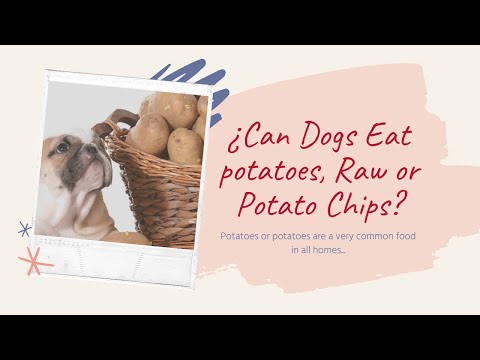
Yes. Dogs can eat potatoes, but only when they are cooked and completely plain.
That is the short answer. The longer answer is that preparation makes all the difference. A plain boiled potato with nothing added is a very different thing from a raw potato, a green potato, or a potato cooked with butter, salt, and spices.
The form in which you serve it determines whether it is safe or harmful.
Why Raw Potatoes Are Dangerous for Dogs
Potatoes belong to the nightshade family. And like all nightshades, they contain a natural compound called solanine.
Solanine is a toxin. In raw potatoes, the concentration is high enough to cause real problems for dogs. Even a small amount can trigger vomiting, diarrhea, and neurological symptoms. In more serious cases, weakness, confusion, and seizures can follow.
Green potatoes are the most dangerous. The green color is a visual signal that solanine levels are elevated. If you see a potato that has gone green, anywhere on the skin or flesh, do not feed it to your dog. Not even a small bite.
Sprouts carry the same risk. Those little growths on a stored potato are concentrated with solanine. Keep them well away from your dog.
What Changes When You Cook a Potato
Cooking breaks down solanine significantly. A properly cooked potato, boiled or baked, is much safer than its raw version because the heat reduces the toxin to a level that does not cause harm.
But cooking alone is not enough. How you cook it matters just as much.
Plain is the only acceptable preparation. No salt. No butter. No garlic. No onion. No seasoning of any kind. The moment you start adding what makes potatoes delicious for humans, you are adding ingredients that can be toxic or harmful to your dog.
Plain boiled or baked potato. That is the rule.
Related Videos


What Nutrients Potatoes Provide to Dogs
Cooked potatoes are not empty calories. They do offer some nutritional value.
They provide carbohydrates for energy, vitamin C for immune support, B vitamins for metabolic function, and potassium for heart and muscle health. For a healthy, active dog, an occasional piece of plain cooked potato is a reasonable treat.
But this should not be mistaken for a health food. Potatoes are a starchy carbohydrate. They are not proteins. They are not essential. They are an optional addition, and only when the rest of the diet is already balanced and complete.
Signs Potatoes Are Not Suitable for Your Dog
Even cooked and plain potatoes do not work for every dog. Watch for these signs after feeding any potato to your dog for the first time.
Vomiting. Loose stools or diarrhea. Noticeable bloating or gas. Lethargy after eating. Loss of interest in the next meal. Scratching or skin reactions.
If any of these appear, stop immediately. Do not try again. Some dogs are simply more sensitive to carbohydrates, and potatoes are not something they need in their diet.
Why Some Dogs Digest Potatoes Well and Others Do Not
Not every dog metabolizes carbohydrates the same way.
Younger, active dogs with healthy gut function tend to handle small amounts of cooked potato without any issue. Older dogs, dogs with digestive sensitivity, or dogs managing weight and blood sugar can have a harder time.
Age, activity level, existing health conditions, and individual gut bacteria all play a role in how well a dog handles starchy foods. What causes no reaction at all in one dog can cause real discomfort in another.
This is why the introduction should always be slow and careful. Start with a very small piece. Watch. Wait. Only continue if there are no signs of intolerance.
From Potato to Energy, What Happens Inside the Body
When a dog eats a cooked potato, the starch gets broken down into glucose during digestion.
That glucose enters the bloodstream and is used as energy. For an active dog, this fuel gets burned off through movement and play. For a sedentary dog, or a dog that gets potatoes too often, the excess glucose does not disappear. It gets stored as fat.
That is how a well-meaning treat becomes a weight problem. Obesity in dogs comes with serious secondary risks, joint stress, cardiovascular strain, diabetes, and a shorter lifespan. Potatoes are not dangerous in isolation, but excess carbohydrates over time create real long-term damage.
Which Types of Potatoes Are Safe for Dogs
Plain boiled potato, safe. Peel it, boil it, no additions.
Plain baked potato, safe, as long as there are no toppings and the skin is removed.
Plain mashed potato, safe only if made with nothing but the potato itself. No butter, no milk, no salt.
Sweet potatoes, safe, and actually more nutritious. They offer higher fiber content, more vitamin A, and a gentler glycemic impact than white potatoes. Many vets prefer sweet potatoes as a better carbohydrate option for dogs. If you are choosing between the two, sweet potato wins.
Potato Forms That Are Dangerous for Dogs
This is where most mistakes happen.
Raw potatoes, the solanine content is too high. Never feed raw potato to a dog.
Green potatoes, elevated solanine, elevated risk. Discard them.
Potato skins and sprouts, these parts hold a higher concentration of solanine than the flesh. Always peel the potato fully and remove any sprouts before cooking.
French fries and chips, deep fried in oil, heavily salted, sometimes seasoned. These are harmful to dogs, not just because of the potato but because of everything that comes with it. Fat overload, salt toxicity, and additives are all real concerns.
Mashed potatoes with butter, milk, garlic, or onion, every one of those additions can cause harm. Onion and garlic are toxic to dogs. Dairy can cause digestive upset. Salt creates its own set of problems.
If it comes from a restaurant, a packet, or your seasoned cooking pot, it is not safe for your dog.
How Much Potato Is Safe for Your Dog
Think of it as an occasional treat, not a regular part of the diet.
A few small plain pieces, once in a while. Not a side dish every evening. Not a substitute for their regular food. The 10 percent treat rule applies here; treats of any kind, including potato, should make up no more than 10 percent of your dog’s daily calorie intake.
For a small dog, that is genuinely very little. A couple of small cubes. For a larger dog, a slightly bigger piece is acceptable, but moderation still stands.
Best Way to Feed Potatoes Safely
Peel the potato fully. Remove all skin and any sprouted areas. Boil or bake it with nothing added. Let it cool completely. Cut into small, bite-sized pieces. Offer a small amount. Observe your dog for the next few hours.
That is it. No shortcuts. No seasoning. No skin.
Potatoes vs Sweet Potatoes, Which Is Better?
Sweet potatoes are the better choice. They have a lower glycemic index than white potatoes, which means they produce a slower, gentler rise in blood sugar. They are higher in dietary fiber, which supports gut health. They contain more beta-carotene, which converts to vitamin A in the body. And many dogs simply enjoy the taste.
If your dog has never had either, start with sweet potato. It is a more nutritious option and gentler on digestion for most dogs. You can read more about the broader category of healthy human foods for dogs to understand how other common ingredients stack up.
When Potatoes Become a Health Risk
Potatoes should be avoided completely in dogs with diabetes. The high starch content causes blood sugar spikes that diabetic dogs cannot manage safely.
Overweight dogs should also not be getting potato treats. The extra carbohydrates contribute to fat storage, and for a dog already carrying excess weight, this is counterproductive to any health goal.
Dogs with pancreatitis, kidney disease, or sensitive digestion should have their diet managed carefully by a vet. Potatoes should not be introduced without professional guidance in these cases.
For community dogs and street feeders, this matters too. If you are involved in feeding stray dogs responsibly, it is important to understand that leftover human food, including seasoned potato preparations, is often not suitable for dogs without consistent health monitoring.
Related Products
Emergency Signs After Eating Raw or Toxic Potato Parts
If your dog has eaten raw potato, green potato, or potato sprouts, watch closely. These are the signs that require immediate veterinary attention.
Repeated vomiting. Severe diarrhea. Trembling or muscle weakness. Confusion or disorientation. Difficulty breathing. Sudden collapse or loss of coordination.
Do not wait for the signs to worsen. Contact your vet immediately. Solanine toxicity is serious and can escalate quickly, especially in smaller dogs. For guidance rooted in verified veterinary standards, explore the VOSD vet advice section for more resources on canine health and safety.
When You Should Avoid Feeding Potatoes Completely
Dogs with diabetes. Dogs managing obesity. Dogs with a history of pancreatitis. Dogs on a prescribed veterinary diet. Puppies under three months whose digestive systems are still developing.
If your dog falls into any of these categories, skip the potato entirely. There are better ways to treat your dog that do not carry these risks.