When a dog tires quickly on walks that they used to manage easily, loses stamina gradually over weeks, or shows signs of weakness and breathlessness without an obvious cause, the possibility of a metabolic or cardiac issue comes into consideration. Carnitine deficiency in dogs is one of the less commonly discussed but genuinely important conditions in this category. It affects how the body converts fat into usable energy, particularly for the heart and muscles, and it can have consequences that go undetected for some time without the right investigation.
What is Carnitine and Why Does It Matter?
L-carnitine is a naturally occurring compound that plays a critical role in energy metabolism. Its primary function is to transport long-chain fatty acids into the mitochondria, the energy-producing structures within cells, where they are converted into adenosine triphosphate, which the body uses for fuel.
Think of carnitine as a delivery system that moves energy supplies from storage into the engine room where they can be used. Without sufficient carnitine, the body cannot effectively access its fat stores for energy. This is particularly significant for the heart and skeletal muscles, which rely heavily on fat as their primary fuel source. The heart in particular uses fatty acid oxidation for the majority of its energy needs, which explains why carnitine deficiency in dogs is so frequently associated with dilated cardiomyopathy.
What is Carnitine Deficiency in Dogs?
Carnitine deficiency in dogs occurs when the body does not have enough L-carnitine to support normal energy production. It can be categorised as primary or secondary:
- Primary carnitine deficiency: Caused by a genetic defect that impairs the body’s ability to produce, retain, or use carnitine normally. This form is inherited and tends to manifest at a younger age.
- Secondary carnitine deficiency: Develops as a consequence of another condition, such as chronic kidney disease, liver disease, or certain intestinal disorders that impair carnitine absorption. It can also result from prolonged inadequate dietary intake in dogs on nutritionally limited diets.
The distinction matters for treatment planning but does not change the practical management principles significantly. In both cases, the goal is to restore adequate carnitine levels and address any underlying contributing cause.
Breeds and Dogs at Higher Risk
Carnitine deficiency in dogs has been most extensively documented in certain large and giant breeds that are also predisposed to dilated cardiomyopathy:
- Boxers
- Doberman Pinschers
- American Cocker Spaniels
- Labrador Retrievers
- Great Danes
That said, any dog can develop secondary carnitine deficiency regardless of breed. Mixed-breed and indie dogs in India with a history of chronic illness or nutritional deficiency are not immune to this condition, and it is worth considering in any dog showing the characteristic signs regardless of background.
Symptoms of Carnitine Deficiency in Dogs
The symptoms of carnitine deficiency in dogs are often gradual in onset and can be subtle in the early stages. Here is what to watch for:
- Exercise intolerance, tiring sooner than usual or refusing to continue walks they previously completed without difficulty
- Generalised weakness, particularly in the hindquarters
- Lethargy and reduced engagement with normal activities and play
- Reduced appetite and progressive weight loss
- Episodes of fainting or collapse, particularly during or after exertion
- Breathlessness or laboured breathing, which may become more noticeable with mild activity
- Abdominal distension in cases where dilated cardiomyopathy has led to fluid accumulation
- A persistent, soft cough that is more noticeable at rest or at night, which can reflect early fluid in the lungs from cardiac involvement
The cardiac signs are among the most significant. Dilated cardiomyopathy associated with carnitine deficiency means the heart muscle cannot contract effectively, reducing the amount of blood pumped with each heartbeat. Early identification of both the cardiac changes and the underlying carnitine deficiency offers the best chance of meaningful improvement with treatment.
When Should You Be Concerned?
Seek veterinary attention promptly if your dog shows:
- Breathlessness or obvious difficulty breathing without exertion
- A sudden collapse or episode of fainting
- A heart murmur detected at routine examination
- Progressive exercise intolerance over several weeks
- A soft cough combined with reduced energy in a breed known to be at risk of cardiomyopathy
Related Videos

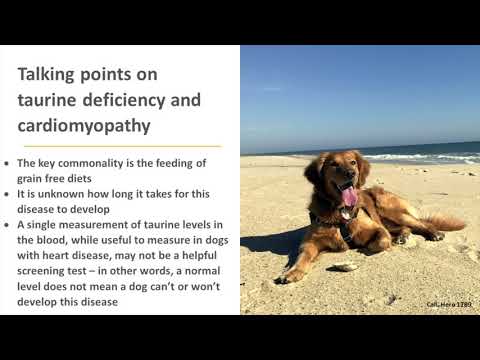
Causes of Carnitine Deficiency in Dogs
The underlying causes of carnitine deficiency in dogs vary between individuals:
- Genetic predisposition: In breeds such as Boxers and American Cocker Spaniels, a genetic tendency to have lower plasma carnitine levels has been documented. These dogs may have normal carnitine intake in their diet but impaired ability to retain or synthesise it at adequate levels.
- Dietary inadequacy: Carnitine is found primarily in meat, particularly red meat. Dogs on nutritionally inadequate diets, or those fed predominantly grain-based or plant-based diets without appropriate supplementation, may develop secondary deficiency over time.
- Chronic organ disease: Kidney disease reduces carnitine retention through increased urinary loss. Liver disease impairs carnitine synthesis. Both chronic conditions can lead to secondary deficiency.
- Malabsorption conditions: Intestinal diseases that impair nutrient absorption, including inflammatory bowel disease and protein-losing enteropathy, can reduce carnitine uptake from food.
- Prolonged nutritional deprivation: In the context of India, rescued street dogs that have had long periods with inadequate access to good nutrition may have cumulative deficiencies that include carnitine.
Diagnosis: How Carnitine Deficiency is Confirmed
Diagnosing carnitine deficiency in dogs involves a combination of clinical assessment and specific testing:
- Blood carnitine levels: Plasma and whole-blood carnitine measurement is the most direct way to identify deficiency. Low carnitine levels in the blood, particularly when combined with relevant clinical signs, support the diagnosis.
- Echocardiography: An ultrasound examination of the heart assesses chamber size, wall thickness, and contractile function. Dilated cardiomyopathy associated with carnitine deficiency shows characteristic findings of a dilated, poorly contracting heart. This is a key diagnostic tool and also establishes the degree of cardiac involvement.
- General blood work: A full blood panel assesses organ function, identifies any underlying chronic conditions contributing to secondary deficiency, and establishes the dog’s overall health status before treatment begins.
- Response to supplementation: In some cases, a therapeutic trial of L-carnitine supplementation is used diagnostically. Dogs with true carnitine-responsive cardiomyopathy often show measurable improvement in cardiac function over several months of supplementation.
Treatment for Carnitine Deficiency in Dogs
Treatment for carnitine deficiency in dogs is centred on restoring carnitine levels and supporting any organs affected by the deficiency, particularly the heart.
- L-carnitine supplementation: Oral L-carnitine supplementation is the primary treatment. The dose and formulation are determined by your vet based on the dog’s body weight and severity of deficiency. Supplementation typically needs to be continued for a minimum of three to four months before cardiac improvement becomes assessable, and in most cases it is maintained long-term.
- Cardiac medications: If dilated cardiomyopathy is confirmed, the vet will likely prescribe additional cardiac medications alongside carnitine supplementation. These may include drugs to improve heart contractility, diuretics if fluid accumulation is present, and medications to regulate heart rhythm if arrhythmias are detected.
- Treating the underlying cause: For secondary carnitine deficiency, addressing the underlying condition, managing kidney disease, treating intestinal disease, improving diet, is as important as supplementation. Without addressing the root cause, deficiency is likely to recur.
- Dietary adjustment: Ensuring adequate dietary carnitine intake through good-quality protein sources, particularly meat, supports supplementation. Your vet or a veterinary nutritionist can advise on the most appropriate dietary approach.
Diet and Nutritional Support
For dogs with carnitine deficiency, dietary choices matter alongside supplementation:
- Ensure the diet is based on good-quality animal protein, as carnitine is found primarily in meat rather than plant-based ingredients
- For home-prepared diets, plain boiled chicken, lamb, or beef with rice provides a carnitine-containing base, though supplementation is still needed at therapeutic doses
- Avoid nutritionally incomplete diets or prolonged feeding of single-ingredient home diets without veterinary nutritional guidance
- Keep feeding consistent and avoid frequent changes, as digestive disruption can impair carnitine absorption alongside other nutrients
Supporting overall nutritional health and skin and coat condition during recovery from carnitine deficiency is worthwhile. VOSD Superfood Skin Supplement with Omega provides essential fatty acids that support skin and coat health as part of a broader wellness approach. Always confirm with your vet before introducing any supplement for a dog being managed for a metabolic or cardiac condition.
Related Products

Prognosis and Long-Term Care
The prognosis for carnitine deficiency in dogs depends on how early the condition is identified and whether cardiac disease has developed or how far it has progressed. Dogs whose carnitine deficiency is identified before significant cardiac changes have occurred, or in the early stages of cardiomyopathy, tend to respond best to supplementation and show measurable improvement in cardiac function over several months.
For dogs with more advanced dilated cardiomyopathy at the time of diagnosis, improvement is less predictable, but carnitine supplementation alongside standard cardiac medications still provides the best available management. Some dogs show stabilisation of their cardiac disease rather than progression, which is a meaningful outcome.
Long-term management requires ongoing supplementation, periodic echocardiographic monitoring to assess cardiac response, and consistent follow-up with your vet. This becomes a routine part of the dog’s care and is manageable with commitment.
Practical Care Tips for Indian Pet Parents
- L-carnitine supplements for dogs are available through veterinary clinics and some veterinary pharmacies in India. Your vet will advise on the appropriate form and dose.
- Cardiac medications for dogs are available at most veterinary clinics. Never share human cardiac medications with your dog, as the formulations, doses, and safety profiles are not interchangeable.
- Keep a simple daily log of your dog’s energy levels, appetite, breathing rate at rest, and any episodes of coughing or weakness. This information is genuinely useful at follow-up appointments for tracking whether treatment is making a difference.
- Echocardiography may require referral to a veterinary cardiologist or a clinic with advanced diagnostic equipment. Your primary vet can advise on where to access this in your city.