When a dog starts drinking excessively, develops muscle weakness, or shows unusual skin changes without an obvious cause, the natural first step is to investigate the most common explanations. But in some cases, the underlying cause is a tumour that is affecting the body not through its physical size but through the substances it releases into the bloodstream. Paraneoplastic syndrome in dogs describes exactly this, a group of conditions caused by abnormal secretions from tumours that produce effects throughout the body, often well before the tumour itself is detected.
What is Paraneoplastic Syndrome in Dogs?
Paraneoplastic syndrome in dogs refers to any condition that develops as a result of substances produced by a tumour, rather than from the tumour’s direct physical presence or spread. Some tumours secrete hormones, hormone-like chemicals, or other bioactive substances that interfere with normal body functions. These secretions travel through the bloodstream and affect organs or systems that are not directly near the tumour.
Think of it this way: the tumour is producing a chemical signal that the body was not meant to receive, and that signal disrupts normal processes in the organs that respond to it. The effects can look very different from what a pet parent or even a vet might expect when they think about cancer, because the symptoms are often systemic and seemingly unrelated to each other.
Common Conditions Caused by Tumour Secretions in Dogs
Several distinct clinical syndromes are associated with paraneoplastic conditions in dogs. Here are the most commonly encountered:
| Condition | What the Tumour Secretes | Effect on the Body | Common Symptoms |
|---|---|---|---|
| Hypercalcaemia | Parathyroid hormone-related protein | Elevated blood calcium | Excessive thirst, frequent urination, weakness, vomiting |
| Hypoglycaemia | Insulin or insulin-like factors | Abnormally low blood sugar | Weakness, collapse, seizures, disorientation |
| Cushing-like syndrome | ACTH-like substances | Excess cortisol production | Increased appetite, pot-bellied appearance, hair loss, increased thirst |
| Paraneoplastic neuropathy | Antibodies or inflammatory signals | Nerve or muscle dysfunction | Weakness, muscle wasting, loss of coordination |
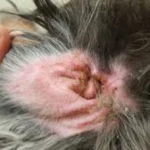
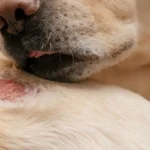
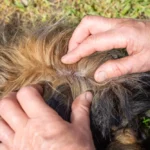
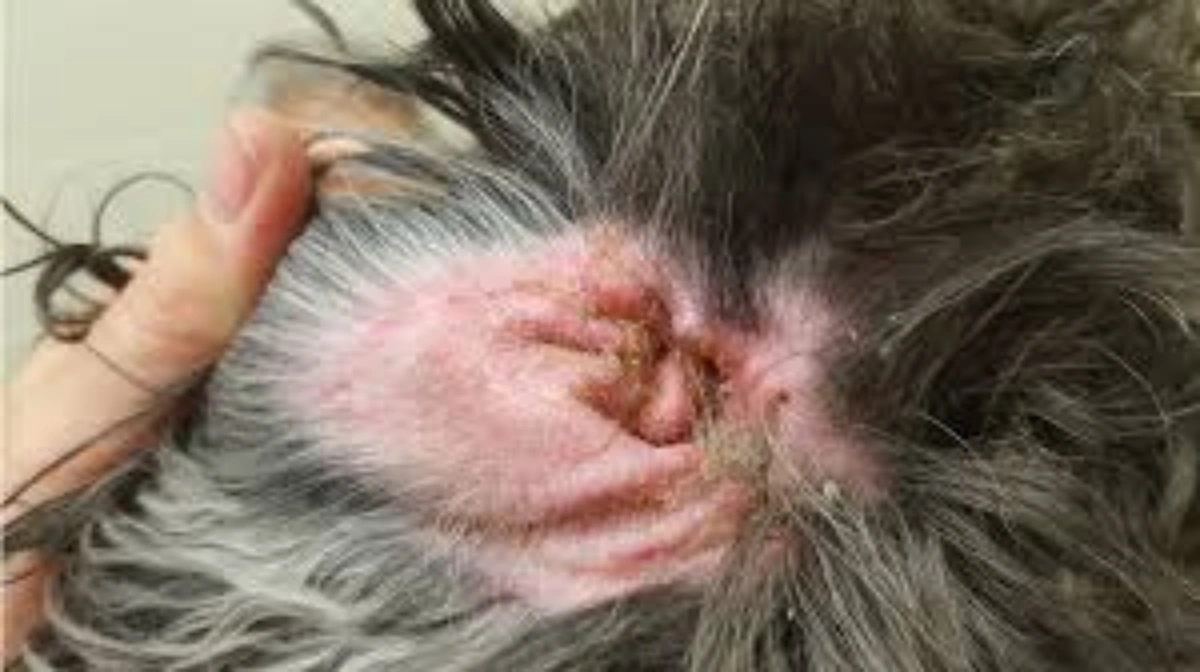
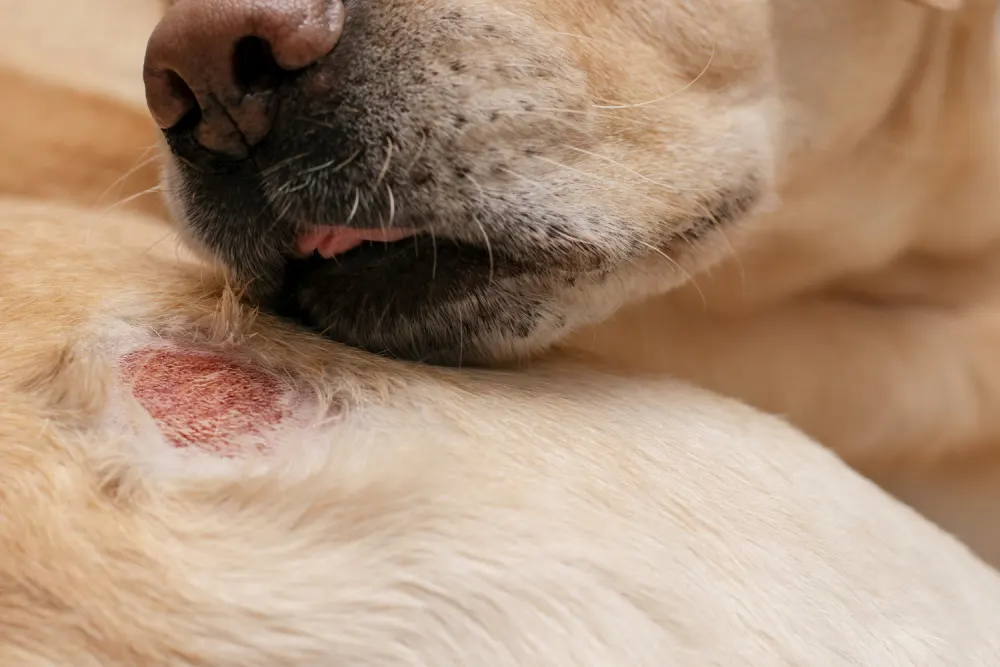
| Paraneoplastic skin changes | Various growth factors | Abnormal skin cell activity | Skin thickening, hair loss, dark pigmentation, crusting |
| Polycythaemia | Erythropoietin-like substances | Excess red blood cell production | Lethargy, red-tinged gums, behavioural changes |
Types of Tumours That Cause These Issues
Paraneoplastic syndrome in dogs can be associated with a wide range of tumour types. Some of the most commonly implicated include:
- Insulinoma: A tumour of the insulin-producing cells of the pancreas, which causes hypoglycaemia through excess insulin secretion. These tumours are often small and can be very difficult to locate without specialist imaging.
- Lymphoma: One of the most common cancers in dogs, lymphoma is frequently associated with hypercalcaemia through the secretion of parathyroid hormone-related protein.
- Anal sac adenocarcinoma: This tumour type is particularly well associated with paraneoplastic hypercalcaemia in dogs.
- Adrenal tumours: Tumours of the adrenal gland can produce excess cortisol directly, causing a clinical picture identical to pituitary-dependent Cushing’s disease.
- Various carcinomas: Lung, mammary, and other carcinomas can produce hormone-like substances that cause systemic effects far from the primary tumour site.
Symptoms of Paraneoplastic Syndrome in Dogs
Because the conditions caused by tumour secretions vary widely, the symptoms of paraneoplastic syndrome in dogs are diverse and can look very different from one dog to the next. Here is a broad list of signs that should prompt veterinary investigation:
- Excessive thirst and urination that appears suddenly and is more pronounced than seasonal variation would explain
- Unexplained weakness, particularly in the hind limbs
- Episodes of collapse or seizures, especially on an empty stomach or after exercise
- Disorientation, confusion, or behavioural changes that seem out of character
- Progressive muscle wasting alongside normal or increased food intake
- Skin changes including hair loss, darkening of the skin, crusting, or unusual thickening
- Vomiting and loss of appetite alongside increased thirst and lethargy
- A pot-bellied or rounded abdominal appearance without an obvious cause
- Loss of coordination or stumbling that develops gradually
What makes paraneoplastic conditions particularly challenging is that these symptoms can individually point to many different conditions, and no single symptom is specific to a tumour-related cause. It is the combination of symptoms, their progression, and the absence of a simpler explanation that prompts a vet to look more deeply.
When Should You Be Concerned?
Seek veterinary assessment promptly if your dog shows:
- Sudden onset of weakness, particularly if accompanied by unusual behaviour or disorientation
- A combination of excessive thirst, weight loss, and reduced energy that has developed over several weeks
- Any episode of collapse or seizure in a dog with no prior history of epilepsy
- Skin changes that are progressive and not explained by an obvious skin condition
- Recurring unexplained illness that does not respond to standard treatment
Related Videos




Causes and Risk Factors
Paraneoplastic syndrome in dogs is caused by the presence of a tumour that produces biologically active substances. The underlying causes of why tumours develop in the first place are multifactorial:
- Age: Middle-aged and older dogs have a significantly higher risk of developing tumours compared to young dogs. Most paraneoplastic conditions are diagnosed in dogs over eight years of age, though some tumour types can affect younger animals.
- Genetics and breed: Certain breeds are predisposed to specific tumour types. Golden Retrievers, Boxers, and Labrador Retrievers, for example, have higher rates of various cancers compared to some other breeds.
- Hormonal status: Unspayed female dogs have a higher lifetime risk of mammary tumours, which can sometimes be associated with paraneoplastic conditions.
- Environmental factors: Chronic exposure to certain environmental chemicals, secondhand smoke, and pesticides has been associated with increased cancer risk in dogs, though this is difficult to quantify in individual cases.
In most individual cases, the cause of the tumour cannot be identified with certainty. Finding a paraneoplastic syndrome in a dog does not mean the condition was caused by anything the owner did or did not do.
Diagnosis: How Vets Identify the Cause
Diagnosing paraneoplastic syndrome in dogs involves identifying the systemic abnormality and then finding the underlying tumour responsible. This can be one of the more complex diagnostic journeys in veterinary medicine:
- Blood tests: A comprehensive blood panel is the usual starting point. Elevated calcium, abnormally low blood glucose, abnormal cortisol levels, or elevated red blood cell counts all point toward a hormone-producing tumour as a cause.
- Hormone assays: Specific hormone level measurements, such as insulin alongside blood glucose during a fasting episode, parathyroid hormone-related protein levels, or cortisol suppression tests, help identify which system is being affected and by which mechanism.
- Imaging: Ultrasound of the abdomen, chest X-rays, and in some cases CT scanning are used to locate the primary tumour once a paraneoplastic condition is suspected. Small tumours such as insulinomas can be very difficult to find even with advanced imaging.
- Biopsy: When a mass is identified, tissue sampling confirms its nature and guides treatment decisions.
The diagnostic process often takes more than one visit and may require specialist referral for some investigations. Your vet will explain the process and keep you updated as findings emerge.
Treatment Options
Treatment for paraneoplastic syndrome in dogs aims both to manage the systemic effects of the tumour secretions and, where possible, to treat or remove the underlying tumour.
- Surgical removal of the tumour: Where the tumour can be located and safely removed, surgery is often the most effective treatment. For insulinomas and solitary adrenal tumours, surgical excision can produce a dramatic and lasting improvement in the paraneoplastic condition.
- Medical management of the secreted substance: In cases where surgery is not immediately possible or the tumour has spread, medications can help manage the systemic effects. For hypercalcaemia, fluid therapy and medications that lower calcium levels are used. For hypoglycaemia from insulinoma, frequent small meals and in some cases steroids are used to maintain blood sugar between episodes.
- Chemotherapy or other oncological treatment: For tumour types such as lymphoma, chemotherapy is the primary treatment approach and often produces significant improvement in the associated paraneoplastic condition as the tumour responds to treatment.
- Supportive and palliative care: When curative treatment is not possible, supportive care focuses on managing the symptoms, maintaining the dog’s comfort, and maximising quality of life for as long as possible.
Managing Symptoms at Home
For dogs being managed for paraneoplastic conditions, consistent home care supports their wellbeing between veterinary visits:
- Follow medication schedules precisely and never adjust doses without veterinary guidance
- For dogs with hypoglycaemia, ensure consistent access to small, frequent meals and have emergency glucose gel available as directed by your vet
- Maintain hydration, fresh water should always be available, particularly for dogs with hypercalcaemia who urinate excessively
- Monitor appetite, energy, urination frequency, and any episodes of weakness or disorientation daily, and keep a record to share at veterinary appointments
- Keep the home environment safe for dogs with weakness or coordination problems, remove trip hazards and prevent access to stairs without supervision.
Related Products


Prognosis and Quality of Life
The prognosis for paraneoplastic syndrome in dogs varies considerably depending on the type of tumour involved, whether it can be removed or treated, and how advanced the condition is at the time of diagnosis.
Dogs with benign or surgically resectable tumours causing paraneoplastic conditions often show excellent and rapid improvement after surgery. Dogs with malignant tumours that respond to chemotherapy may have extended periods of good quality of life with ongoing treatment. For dogs where curative treatment is not available, the focus shifts to maintaining comfort and a reasonable quality of life for as long as possible.
The most important factor in all cases remains timing. Earlier identification of the underlying cause consistently allows more treatment options and better outcomes.
Real-World Challenges in India
Diagnosing and managing paraneoplastic syndrome in dogs in India comes with practical challenges that are worth acknowledging:
- Advanced imaging such as CT scanning is available in larger cities but may not be accessible in smaller towns. Ultrasound is more widely available and is a valuable first-line imaging tool.
- Specialist oncology veterinary services are growing in India but are not yet widespread. Your primary vet can manage initial investigation and stabilisation, and refer to a specialist where needed.
- The cost of ongoing cancer management can be significant. Discussing a realistic treatment plan and its associated costs with your vet early allows for informed decision-making.
- Rescued and indie dogs with an unknown medical history may not have received regular health checks. Any middle-aged or older rescue dog showing unexplained systemic symptoms warrants a thorough blood panel as an early step.