A red eye is not a minor inconvenience. It is a signal.
When a dog’s eye looks inflamed, watery, or is being rubbed repeatedly, many owners assume it will clear up on its own. Sometimes it does. More often, it does not, and the delay in treatment is what turns a manageable condition into a serious one.
Conjunctivitis in dogs, commonly called pink eye, is one of the most frequently seen eye conditions in veterinary practice. But here is what most people do not realise: conjunctivitis is rarely a standalone problem. It is almost always a symptom of something else, an infection, an allergy, a structural issue, or an underlying systemic disease. Treating the red eye without identifying its cause is like silencing a fire alarm without looking for the fire.
This guide covers everything you need to know, from recognising the early signs to understanding why the right diagnosis matters far more than the quickest fix.
What is Conjunctivitis in Dogs?
The conjunctiva is the thin, moist membrane that lines the inner surface of the eyelids and covers the white part of the eye. Its job is to protect and lubricate the eye surface. When this membrane becomes inflamed, the condition is called conjunctivitis.
In practical terms, this means the eye looks red, feels irritated, and may produce discharge. It can affect one eye or both, depending on the underlying cause. Allergic conjunctivitis, for example, typically affects both eyes simultaneously. A bacterial infection or a foreign object lodged in the eye tends to affect one eye first.
What makes conjunctivitis clinically significant is not the inflammation itself but what it points to. In many cases, the eye is reacting to something happening elsewhere in the body or to a direct irritant or structural problem that will not resolve without targeted treatment. This is why a vet visit is not optional when eye symptoms persist beyond a day or two.
Symptoms of Conjunctivitis in Dogs
The symptoms of conjunctivitis progress in a recognisable pattern. Catching them early gives treatment the best chance of working quickly.
Early Signs
- Visible redness in one or both eyes
- Watery or slightly increased tear production
- Mild blinking or squinting
At this stage, the dog may not appear distressed. The signs are easy to overlook, especially in breeds with naturally prominent or expressive eyes.
Moderate Signs
- Eye discharge that is clear, yellow, or green in colour
- Swelling of the conjunctiva, which may appear puffy or raised around the eye
- More frequent blinking
- Mild sensitivity to light
The colour of the discharge matters. Clear discharge often suggests allergies or irritants. Yellow or green discharge points toward a bacterial infection and warrants prompt veterinary attention.
Advanced Signs
- Persistent squinting or holding the eye partially closed
- Pawing at the eye or rubbing the face against surfaces
- Visible discomfort and restlessness
- The area around the eye may appear wet or crusty with dried discharge
A dog that is repeatedly pawing at its eye is in pain. This is not behaviour to monitor from a distance. It is a sign that something is actively bothering the eye and that further damage is possible if the dog continues to rub.
Severe Signs
- Cloudiness or changes in the appearance of the eye surface
- Reduced responsiveness to light or apparent difficulty seeing
- Corneal ulceration, visible as a dull or irregular patch on the eye surface
Untreated conjunctivitis that progresses to corneal ulceration is a veterinary emergency. Ulcers can deepen rapidly and, in severe cases, threaten the dog’s vision permanently.
Causes of Conjunctivitis in Dogs
Understanding the cause is the entire foundation of effective treatment. The same red, inflamed eye can result from a dozen different underlying problems, each requiring a different approach.
Allergies
Environmental allergens, including pollen, dust, mould, and grass, are among the most common triggers of conjunctivitis in dogs. Allergic conjunctivitis typically affects both eyes and is often accompanied by other allergy symptoms such as itching, skin irritation, or sneezing. Dogs with a history of eye allergies in dogs are particularly prone to recurrent episodes.
Bacterial and Viral Infections
Bacterial infections produce the most recognisable discharge, typically yellow or green and often thick. Viral infections, including those associated with canine distemper, can also cause conjunctivitis as part of a broader systemic illness. In these cases, the eye symptoms are one part of a larger picture that requires a comprehensive veterinary assessment.
Irritants
Dust, smoke, cleaning chemicals, shampoo residue, and even swimming pool water can irritate the conjunctiva directly. These cases often resolve once the irritant is removed, but the eye should still be assessed if redness persists.
Dry Eye (Keratoconjunctivitis Sicca)
Dry eye is a condition where the tear glands do not produce sufficient tears to keep the eye surface lubricated. Without adequate tear film, the conjunctiva becomes chronically inflamed, and the eye is prone to infection. It is diagnosed using a simple test called the Schirmer tear test. Dry eye requires ongoing management, not just a short course of drops.
Structural Eyelid Problems
Certain dogs, particularly those with loose facial skin or prominent eyes, develop structural eyelid conditions that cause the eyelid to roll inward or outward. Entropion, where the eyelid rolls in, causes the eyelashes to rub directly against the eye surface, leading to persistent irritation and conjunctivitis. Ectropion, where the eyelid droops outward, exposes the conjunctiva to environmental irritants. Both conditions are covered in detail in our guide on droopy eyelid dogs. Structural causes typically require surgical correction.
Foreign Bodies
Grass seeds, sand, dust particles, and small debris can become lodged under the eyelid or on the eye surface. The eye responds immediately with inflammation, tearing, and pawing. A foreign body that cannot be flushed out with saline needs to be removed by a veterinarian.
Related Videos


Diagnosis of Conjunctivitis in Dogs
Diagnosis is not simply confirming that the eye is red. The goal is to identify why it is red, and that requires a systematic examination.
Physical Eye Examination
The veterinarian will examine the eye closely, including the inner surfaces of the eyelids, the conjunctiva, and the cornea. They will look for foreign bodies, structural abnormalities, discharge characteristics, and any changes in the eye surface.
Schirmer Tear Test
This straightforward test measures tear production. A small strip of paper is placed at the edge of the eyelid for one minute, and the amount of moisture absorbed indicates whether the tear glands are functioning adequately. This test is essential for ruling out dry eye as the underlying cause.
Fluorescein Staining
A harmless orange dye is applied to the eye surface. Under specific lighting, any corneal ulcers or scratches become visible as bright green areas. This test is critical for identifying whether the condition has progressed beyond surface inflammation to involve the cornea.
Root Cause Investigation
If conjunctivitis is recurrent or bilateral and accompanied by other symptoms, the veterinarian may investigate for systemic causes, including allergies, distemper, or immune conditions. Treating the eye in isolation while the underlying disease continues is not effective management.
Treatment of Conjunctivitis in Dogs
Treatment is entirely cause-dependent. There is no universal eye drop that addresses every form of conjunctivitis, which is precisely why accurate diagnosis comes first.
Bacterial Infections
Antibiotic eye drops or ointments are prescribed based on the nature of the infection. The full course must be completed even if the eye appears to improve quickly. Stopping early risks recurrence and antibiotic resistance.
Allergic Conjunctivitis
Treatment may include antihistamines, anti-inflammatory eye drops, or in some cases, short-term corticosteroids to reduce inflammation. Identifying and reducing exposure to the triggering allergen is an equally important part of management. In dogs with facial swelling in dogs alongside eye symptoms, a broader allergic response may be involved and needs full assessment.
Foreign Object Removal
Visible debris on the outer eye surface can sometimes be gently flushed with sterile saline. Anything lodged under the eyelid or embedded in the eye must be removed by a veterinarian. Attempting to remove a foreign body at home risks scratching the cornea.
Dry Eye Management
Dry eye is managed with artificial tear supplements and, in most cases, cyclosporine eye drops that stimulate tear production. This is a lifelong condition in most dogs and requires consistent, ongoing treatment rather than short courses.
Surgical Cases
Structural eyelid conditions such as entropion and ectropion, as well as blocked tear ducts, often require surgical correction. Once the structural problem is resolved, conjunctivitis in these cases typically does not recur.
An Important Warning
Do not use human eye drops on your dog without explicit veterinary instruction. Many human eye preparations contain preservatives, vasoconstrictors, or active ingredients that are inappropriate or directly harmful to dogs. Even products that appear similar in name or description can have formulations that cause serious damage to the canine eye. When in doubt, call your veterinarian before applying anything to your dog’s eye.
Related Products


Prognosis: What to Expect
Mild Cases
Conjunctivitis caused by a minor irritant or a straightforward bacterial infection typically resolves fully within one to two weeks of appropriate treatment. Most dogs recover completely with no lasting effects.
Severe or Delayed Cases
When treatment is delayed or the underlying cause goes unaddressed, complications become more likely. Corneal ulceration, scarring, and in the most severe cases, permanent vision impairment are real risks. The eye is a delicate organ. It does not forgive prolonged neglect.
Chronic and Recurrent Cases
Dogs with allergies or structural conditions are prone to repeated episodes. For these dogs, the goal of management is not cure but control: reducing the frequency and severity of flare-ups, protecting the eye surface, and maintaining quality of life. Regular veterinary check-ups are a non-negotiable part of this management.
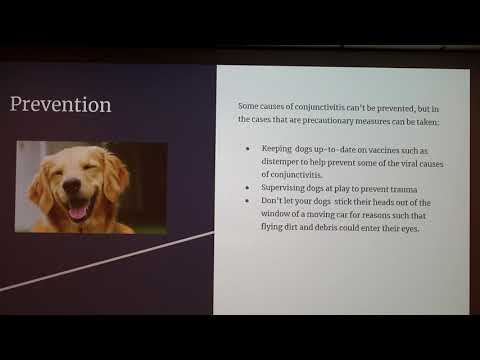
Prevention of Conjunctivitis in Dogs
Not every case of conjunctivitis can be prevented. But many can be significantly reduced in frequency and severity with consistent care.
Regular Eye Cleaning
Gently wiping around the eyes with a clean, damp cloth removes debris, dried discharge, and potential irritants before they cause inflammation. This is particularly important for flat-faced breeds and dogs with prominent eyes who are anatomically more vulnerable to eye issues.
Grooming Around the Eyes
In long-haired breeds, fur that falls across or into the eyes is a persistent source of irritation. Keeping the hair trimmed around the eye area reduces this risk substantially. If you are not comfortable trimming this area at home, ask your groomer to do it regularly.
Allergen and Irritant Control
If your dog has known allergies, reducing exposure to triggers including dust, pollen, and mould helps prevent allergic flare-ups. Avoid exposing your dog to smoke, chemical sprays, or strong cleaning products without adequate ventilation.
Prompt Veterinary Attention
The single most effective prevention strategy for complications is early intervention. A dog showing any eye symptoms for more than 24 to 48 hours should be seen by a veterinarian. What appears minor at the surface can be the beginning of something more serious underneath.