
We often see dogs brought in with persistent itching, recurring ear infections, or loose stools that have been managed repeatedly without lasting improvement. In many of these cases, the pattern points not to an external cause but to something the dog is eating. Dietary reactions in dogs are one of the most underappreciated causes of chronic skin and digestive symptoms, and once the right food management approach is put in place, the improvement can be quite striking.
What Are Dietary Reactions in Dogs?
Dietary reactions in dogs describe any adverse response a dog has to something in their food. They fall into two main categories, and understanding the difference helps explain why some dogs improve quickly while others need more careful investigation.
| Type | What Happens in the Body | Onset | Common Signs |
|---|---|---|---|
| Food allergy | The immune system mistakenly identifies a food protein as a threat and mounts a response | Can develop after months or years of eating the same food | Itching, skin inflammation, ear infections, digestive upset |
| Food intolerance | The digestive system struggles to process a specific ingredient, without an immune response | Often appears more quickly after eating the offending food | Loose stools, gas, vomiting, bloating |
In practice, the two conditions can overlap, and distinguishing between them is less important than identifying and removing the trigger. Both are managed through dietary change rather than medication alone.
How the Body Reacts to Food
In a food allergy, the immune system treats a specific protein, most commonly from a meat source, grain, or dairy product, as if it were a harmful invader. It produces an inflammatory response that shows up as itching, redness, or gut irritation. What makes food allergies particularly deceptive is that they can develop after months or years of eating the same food without any previous reaction. A dog that has eaten chicken all its life can still develop a chicken allergy. In a food intolerance, the issue is purely digestive, the gut simply cannot process a specific ingredient properly, producing gas, loose stools, and general discomfort.
Symptoms of Dietary Reactions in Dogs
Dietary reactions in dogs present differently depending on whether the reaction is primarily digestive or immune-mediated. Some dogs show both sets of symptoms. Here is what to watch for:
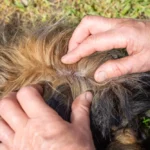
- Persistent or recurring itching, particularly of the paws, face, ears, armpits, and groin
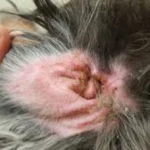
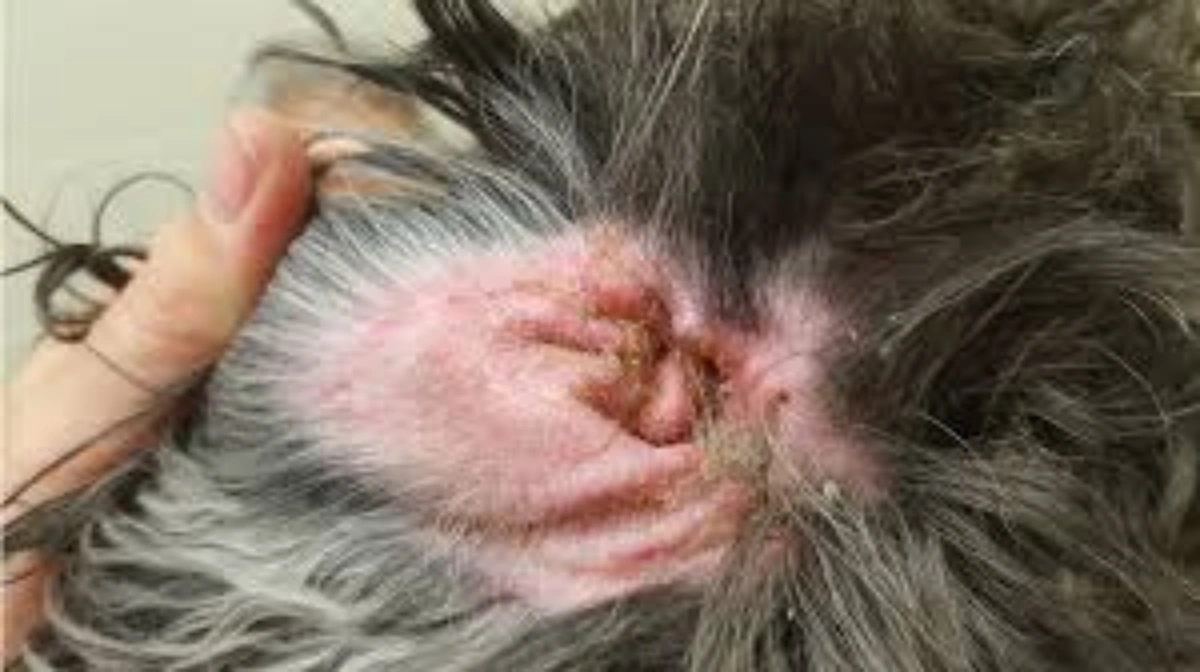
- Frequent ear infections that keep recurring after treatment
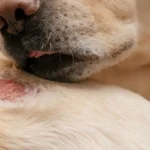
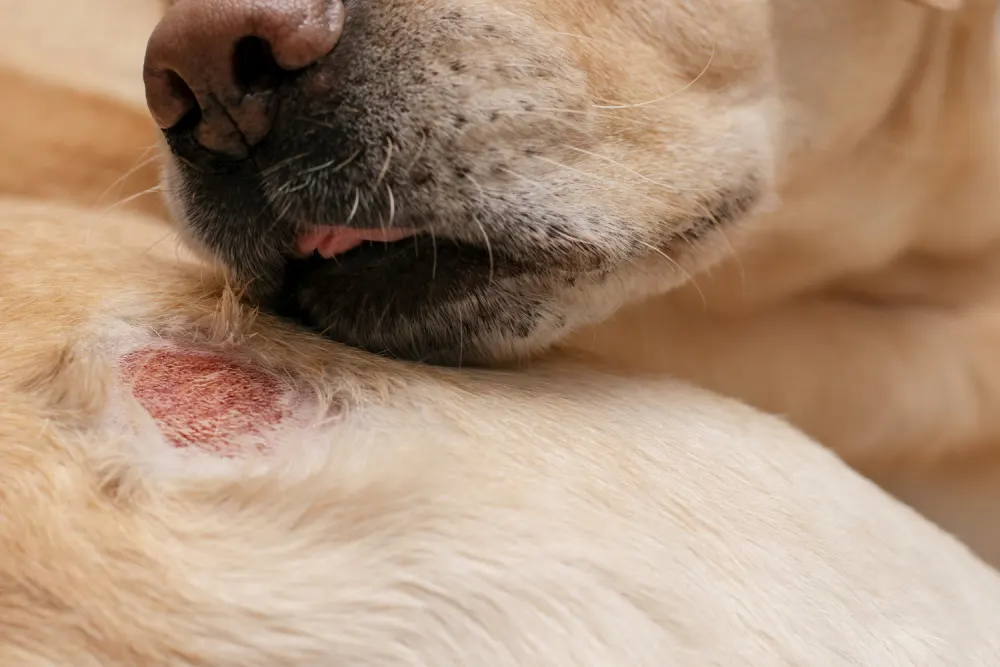
- Redness, rashes, or inflamed skin, particularly in the areas your dog licks most
- Chronic loose stools, diarrhoea, or soft, inconsistent bowel movements
- Vomiting that occurs regularly, particularly after meals
- Excessive gas or bloating
- A dull, dry, or poor-quality coat that does not improve with standard grooming or supplements
- Anal gland problems that recur frequently, often linked to chronic loose stools from food intolerance
- Gradual weight loss or failure to maintain body condition despite adequate feeding
One feature of dietary reactions in dogs that makes them harder to identify is that the symptoms are often chronic and low-grade rather than sudden and dramatic. A dog that itches a little every day, has soft stools most of the time, and never quite seems to have perfect skin rarely triggers the same urgency as a dog with a sudden severe reaction. But the cumulative effect on quality of life over months is significant.
Common Causes of Dietary Reactions in Dogs
Any food ingredient can theoretically cause a reaction in a sensitive dog, but certain ingredients come up more frequently in practice:
- Specific proteins: Beef, chicken, dairy, and eggs are the most commonly implicated proteins in canine food allergies. This does not mean these foods are inherently bad, they are simply the most frequently fed and therefore the most common triggers in dogs that have developed sensitivity over time.
- Dairy products: Most adult dogs have reduced lactase activity and are at least partially lactose intolerant. Milk, curd, and paneer given as treats are common culprits for gas, loose stools, and digestive upset in Indian dogs.
- Sudden diet changes: Switching foods abruptly can disrupt the gut microbiome and trigger a temporary but significant digestive reaction. Any dietary transition should be gradual over seven to ten days.
- Low-quality commercial food: Foods with a high proportion of artificial additives, poor-quality protein sources, or contaminants can trigger both intolerance reactions and chronic low-grade inflammation in sensitive dogs.
- Oily, spiced, or heavily seasoned food: Household leftovers from Indian kitchens, dishes containing chilli, garlic, onion, spices, or significant amounts of oil, are not appropriate for dogs and regularly cause digestive upset and skin reactions when offered frequently.
- Contaminated or spoiled food: Food that has been stored improperly or has begun to spoil can cause acute digestive reactions even in dogs with no underlying sensitivity.
Food Triggers Common in the Indian Context
Several feeding practices common in India are worth examining for dogs showing signs of dietary reactions:
- Regular offering of milk, particularly to puppies or as a daily treat for adult dogs
- Feeding rice mixed with curry, sabzi, or other seasoned dishes as the main diet
- Giving leftover roti with ghee or oily food regularly
- Inconsistent diet with frequent changes between commercial food, home-cooked options, and scraps
- Biscuits and human snacks offered as treats without considering their ingredients
These are not offered with any harmful intention, most pet parents share food out of care. But for a dog with dietary sensitivity, consistency and simplicity in what they eat makes a significant difference to their comfort.
Related Videos


Diagnostics: Identifying Dietary Reactions in Dogs
Diagnosing dietary reactions in dogs requires patience. Unlike some conditions, there is no simple blood test that reliably identifies a food allergy in dogs. Commercial food allergy tests sold without veterinary guidance have limited reliability. The gold standard is a dietary elimination trial.
- Ruling out other causes first: Before concluding that symptoms are food-related, parasites, bacterial infections, contact allergies, and environmental allergies need to be ruled out. A stool test, skin scraping, and basic blood work are often performed first.
- Dietary elimination trial: This involves feeding your dog a single novel protein and a single carbohydrate source that they have never eaten before, or a hydrolysed protein diet where the proteins are broken down too small for the immune system to recognise. The trial must be strictly followed for eight to twelve weeks, with no treats, table scraps, flavoured medications, or supplements other than what is prescribed.
- Food reintroduction: After the elimination period, foods are reintroduced one at a time, with a two-week gap between each reintroduction to observe whether symptoms return. This process identifies the specific trigger.
The elimination trial is the most important diagnostic tool but also the most demanding. It requires complete commitment from everyone in the household. Even one treat or scrap of unsupported food during the trial period can invalidate the results.
Treatment and Management of Dietary Reactions in Dogs
Once the trigger food has been identified, treatment is primarily about consistent dietary management. There is no medication that resolves a food allergy, removing the allergen is the only lasting solution.
- Removing the trigger food: Once identified, the offending ingredient must be permanently removed from the diet, including in treats, flavoured chews, and any supplements that may contain it.
- Feeding a novel or hydrolysed protein diet: Dogs with confirmed food allergies often do best on a diet containing a protein source they have not previously been exposed to, or on a commercial hydrolysed diet where the proteins are broken down to a size that does not trigger the immune system.
- Medications for acute symptoms: If a dog is actively suffering from significant itching or skin inflammation, short-term medications such as antihistamines or steroids may be prescribed to provide relief while dietary changes take effect. These treat the symptoms rather than the cause and are not a long-term solution.
- Probiotics: Supporting gut health alongside dietary management can help dogs with intolerance-based reactions by restoring a healthy gut microbiome after a period of digestive disruption. Your vet can recommend an appropriate option.
Home Care and Feeding Practices
At home, the most effective things you can do for a dog with dietary reactions are:
- Feed a consistent, simple diet with the same ingredients each day. Avoid frequent changes even if they seem minor.
- Ensure all household members understand that treats and table scraps cannot be offered without checking the ingredients. This is particularly important during a dietary trial period.
- Use plain boiled chicken with rice or a specific vet-recommended diet as a home option if commercial hypoallergenic diets are not accessible. Keep it simple and consistent.
- Clean food bowls thoroughly to prevent residue from previous meals contaminating the new diet.
- Keep a simple diary of what your dog eats and note any symptoms that appear in the days following.
Related Products

Prognosis: Long-Term Outlook
Most dogs with identified dietary reactions do very well once the trigger food is consistently removed from their diet. Skin symptoms typically begin improving within four to six weeks of the trigger being eliminated, with full resolution sometimes taking three to four months. Digestive symptoms often improve more quickly.
Some dogs need lifelong dietary management to remain comfortable, particularly those with true food allergies. This is not a difficult commitment, it simply means maintaining a consistent, appropriate diet and being thoughtful about what treats and extras are offered. With that consistency in place, most affected dogs live comfortably and well.
When to See a Vet
Contact your vet if your dog shows:
- Itching severe enough to cause skin wounds, hair loss, or infection
- Recurring ear infections that have not been fully investigated
- Persistent diarrhoea or vomiting that does not resolve with a dietary adjustment
- A sudden and significant reaction after introducing a new food
- Ongoing poor coat condition and weight loss despite adequate feeding
Prevention Tips
While food allergies cannot always be prevented, these practical steps reduce the risk and support early identification:
- Transition between foods gradually over seven to ten days to avoid triggering intolerance reactions
- Avoid offering oily, spiced, or dairy-heavy human food as regular dietary components
- Feed a consistent diet with minimal unnecessary additions or frequent changes
- Follow a regular deworming schedule, as parasite-related digestive symptoms can mask or be mistaken for dietary reactions
- Seek veterinary guidance before making significant dietary changes, particularly in dogs with chronic skin or digestive symptoms