
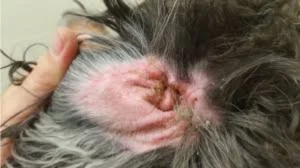
Ear Infections in Dogs: Causes, Symptoms & Treatment
Ear infections are among the most frequently reported reasons for veterinary consultations in India, yet they are also among the most commonly undertreated. A single course of ear drops may

Liver disease can deteriorate without warning. A dog with acute hepatic stress can develop:
These changes often occur between hospital visits. In a city like Bengaluru, where a 10 km commute can take an hour, repeated outpatient visits interrupt monitoring and delay intervention.
The VOSD Hepatic Intensive Support Residency™ provides structured inpatient stabilisation under continuous supervision, delivered at VOSD IPD, Indiranagar, and managed under the VOSD Level of Care™. This is intensive hepatic medicine designed for urban critical care.
Abnormal liver tests often trigger fear. Pet parents frequently encounter terms such as:
Uncertainty grows when symptoms fluctuate. Daily hospital visits may provide treatment, but they do not provide continuous reassurance. The Hepatic Intensive Support Residency™ replaces uncertainty with structured supervision. Instead of waiting overnight for the next appointment, parents know their dog is under continuous observation.
The Hepatic Intensive Support Residency™ is a defined-duration intensive care pathway designed for dogs with acute liver instability or rapidly changing hepatic parameters.
It provides:
Unlike routine hospital admission, a Residency is protocol-driven and time-bound, typically lasting 72-120 hours. This allows structured metabolic stabilisation rather than episodic treatment.
The liver is central to metabolism. When hepatic function deteriorates, the body may experience:
These changes may occur within hours, not days. A dog treated through intermittent outpatient visits may experience deterioration between appointments without supervision. Continuous inpatient monitoring eliminates these gaps.

Every Residency begins with a comprehensive hepatic evaluation:
Baseline parameters allow trend monitoring throughout the Residency.
The first phase focuses on metabolic stabilisation.
This includes:
The goal is to restore metabolic balance while preventing secondary complications.
Once initial stabilisation occurs, treatment focuses on improving hepatic function.
Monitoring includes:
These steps help ensure improvement is sustained rather than temporary.
Before discharge, the clinical team completes:
Every case receives a written discharge plan on official VOSD documentation.
All Intensive Care Residencies™ operate under the VOSD Level of Care™, a structured hospital management system developed through VOSD’s large-scale clinical experience.
Across VOSD systems:
This institutional experience allows earlier recognition of metabolic shifts and more precise treatment adjustments.
The Hepatic Intensive Support Residency™ is delivered within the dedicated inpatient environment of VOSD IPD.
This facility provides the infrastructure required for uninterrupted care.
This infrastructure ensures that stabilisation protocols can be executed without interruption.
Parents receive structured clinical transparency throughout the program.
Each Residency includes:
The goal is to provide clarity, structure, and accountability.
| Feature | Routine Admission | Hepatic Intensive Support Residency™ |
| Monitoring | Periodic | Continuous observation |
| Duration | Undefined | Structured 72-120 hour program |
| Labs | As required | Scheduled trend analysis |
| Escalation | Reactive | Built into the protocol |
| Parent Updates | Basic | Structured daily report |
| Discharge | Verbal advice | Written hepatic recovery roadmap |
Structured monitoring improves stability during recovery.
Long-term medical care for critical and complex cases.
Medically supervised sterilization for high-risk animals.
Dedicated care for kidney-related conditions.
Specialized treatment for liver diseases.
Care for severe gastrointestinal disorders.
Controlled environment for contagious conditions.
Intensive monitoring and insulin therapy for diabetic crises.
Emergency treatment for poisoning and toxin exposure.
Remote consultations, second opinions, and ongoing case management.


info@vosd.in
Structured hepatic stabilisation may be recommended when a dog shows:
These conditions require monitoring that cannot be achieved through intermittent outpatient visits.
VOSD IPD is located in Indiranagar and serves pet parents across Bengaluru, including:
The facility is designed specifically for urban intensive veterinary care, where logistics and medical continuity must be integrated.

Ear infections are among the most frequently reported reasons for veterinary consultations in India, yet they are also among the most commonly undertreated. A single course of ear drops may

Is your dog running a fever? Learn how to check dog temperature, identify tick fever symptoms, and when to seek emergency vet care, expert diagnosis at VOSD Advance PetCare™.
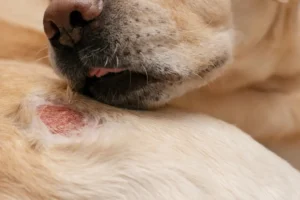
Is your dog scratching constantly? Learn causes, symptoms, and treatment of dog skin infections, allergies, hot spots, and hair loss, expert dermatology at VOSD Advance PetCare™.
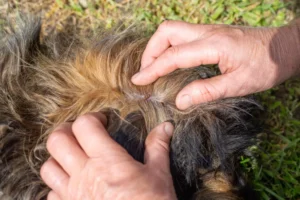
Understand how parasites affect dogs, the warning signs to watch for, and how proper treatment and prevention can protect your pet.