
You are stroking your dog when your hand stops. There is something there. A lump under the skin that was not there before. Or maybe it was there and you only now realise it has grown. Your stomach drops a little.
This is one of the most common moments that brings pet parents into a veterinary clinic. And it is the right instinct to follow.
Tumors in dogs occur when cells grow uncontrollably and form abnormal masses. They can develop in virtually any tissue in the body, appear on the skin surface or deep beneath it, and range from completely harmless to life-threatening depending on their type and behavior.
Not every lump is cancer. Not every tumor needs aggressive treatment. But every lump deserves a proper assessment, because the difference between a benign lipoma and a malignant mast cell tumor is not something you can determine by looking or feeling alone.
Tumors are among the most common conditions affecting older dogs, and early detection remains one of the most significant factors in determining what treatment options are available and what outcomes are possible. The moment you notice something unusual and act on it is the moment you give your dog the best chance.
What Are Tumors in Dogs?
A tumor, in its most basic definition, is an abnormal mass of tissue that forms when cells multiply beyond the body’s normal regulatory controls. Every cell in the body has built-in signals that tell it when to divide and when to stop. When those signals malfunction, cell division continues unchecked, and the accumulating cells form a mass.
The critical distinction that determines how seriously a tumor needs to be treated is whether it is benign or malignant.
Benign tumors grow locally and do not invade surrounding tissues or spread to other parts of the body. They may continue to grow over time and can cause problems through their physical presence, pressing on nearby structures or becoming large enough to interfere with function, but they do not metastasize. Removing a benign tumor typically resolves the problem.
Malignant tumors behave differently and more dangerously. They grow invasively, extending into surrounding tissues rather than simply expanding within them. More critically, malignant tumors have the ability to metastasize, releasing cells into the bloodstream or lymphatic system that travel to distant sites in the body and establish secondary tumors. It is this capacity for metastasis that makes malignant tumors, which are what we mean when we use the word cancer, so much more challenging to treat.
Both benign and malignant tumors require veterinary evaluation. The appearance and feel of a lump cannot reliably indicate which category it falls into.
Types of Tumors in Dogs
Benign Tumors in Dogs
Benign tumors are the most common type found in dogs, particularly as they age. Several specific types are encountered frequently in veterinary practice.
Lipomas are benign tumors of fat cells. They are the most frequently diagnosed benign tumor in middle-aged and older dogs, appearing as soft, moveable lumps beneath the skin. They are not painful, grow slowly, and do not spread. Many are monitored without removal, though surgical removal may be recommended if a lipoma is growing rapidly, is located in a position that restricts movement, or is infiltrative.
Sebaceous adenomas are benign tumors of the sebaceous glands in the skin. They typically appear as small, wart-like or cauliflower-shaped growths on the skin surface and are particularly common in older dogs. They are benign and do not spread, though they can become irritated or infected if the dog scratches at them.
Histiocytomas are benign skin tumors that occur most commonly in young dogs under two years of age. They appear as pink, raised, button-like growths that can look alarming but frequently regress spontaneously within a few months as the immune system resolves them.
Malignant Tumors in Dogs
Mast cell tumors are among the most common malignant skin tumors in dogs. They arise from mast cells, which are immune cells found in the skin and other tissues. Mast cell tumors are notoriously variable in their behavior, ranging from relatively low-grade tumors that are cured by surgical removal to aggressive, high-grade tumors that metastasize rapidly. They can appear as any kind of skin lump, which is why every skin lump deserves cytological evaluation rather than assumption.
Osteosarcoma is the most common bone cancer in dogs and one of the most aggressive malignancies encountered in veterinary medicine. It most commonly affects the limbs of large and giant breeds and typically presents with lameness and bone pain before a mass becomes visible.
Hemangiosarcoma is a malignant tumor of blood vessel cells. It most commonly affects the spleen, heart, and liver and carries a very poor prognosis due to its tendency for early and widespread metastasis and its propensity for sudden hemorrhagic rupture.
Melanoma in dogs most commonly affects the oral cavity, skin, and digits. Oral melanomas are highly malignant, while cutaneous melanomas in dogs are frequently benign, which is an important distinction from the behavior of melanoma in humans.
Symptoms of Tumors in Dogs
Common Physical Signs
The physical signs of tumors in dogs depend largely on where the tumor is located and how advanced it is. Skin and subcutaneous tumors are the most visible and are often the first type pet parents notice.
Here is what to look for:
- Lumps or bumps under or on the skin that are new, growing, or have changed in character
- Swelling of a specific area that is not explained by injury or infection
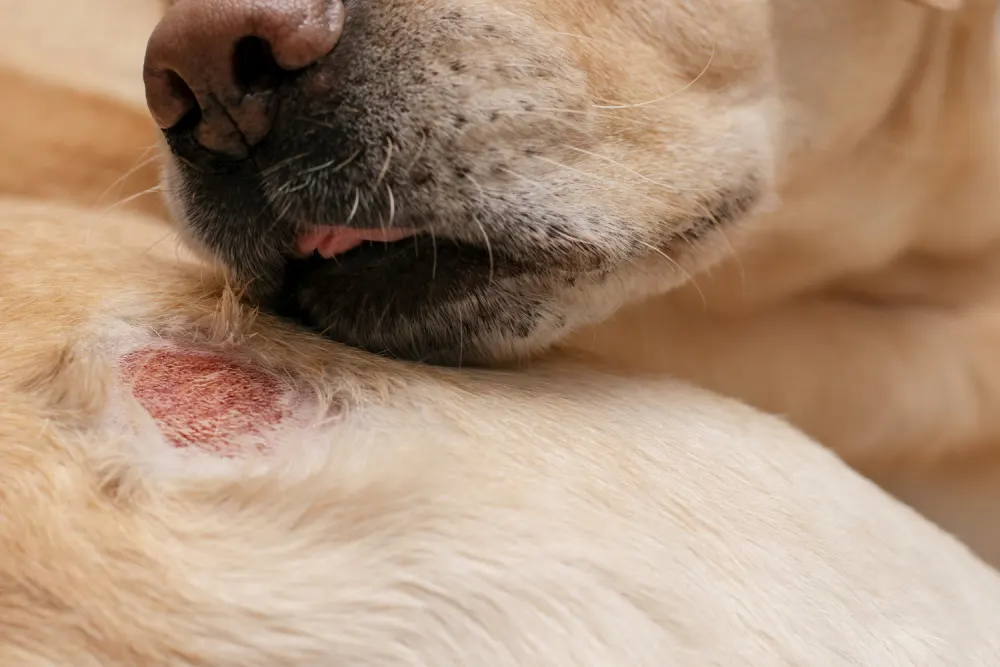
- Sores that will not heal including wounds or ulcerations on the skin that persist despite treatment
- Bleeding from a lump or from a body orifice without an obvious cause
- Unusual odor from a skin growth that has become ulcerated or infected
General Health Symptoms
Internal tumors may not produce any visible lump but can cause body-wide symptoms that reflect the tumor’s effect on organ function, metabolism, or immune activity.
Weight loss occurring despite a normal or even increased appetite can indicate a metabolic burden from tumor activity. Unexplained progressive weight loss in an otherwise well-fed dog is always worth investigating.
Appetite loss developing gradually or suddenly in a dog that previously had a healthy appetite can reflect gastrointestinal involvement, pain, or the systemic effects of malignancy.
Lethargy beyond what is normal for the dog’s age or the environmental temperature, particularly when it is progressive and accompanied by other signs.
Breathing difficulty when thoracic tumors, pleural effusion from tumor activity, or metastatic spread to the lungs is present.
Limping in a dog with no history of injury, particularly in large breeds, warrants bone evaluation to rule out osteosarcoma.
Understanding the full range of cancer in dogs symptoms helps pet parents recognise that tumors can announce themselves in many different ways, and that non-specific signs of illness in older dogs always deserve thorough investigation.
Related Videos


Causes of Tumors in Dogs
Genetic Predisposition
Genetics plays a significant role in tumor development in dogs, which is why certain breeds carry substantially higher rates of specific cancers.
Golden Retrievers and Flat-Coated Retrievers have among the highest rates of cancer of any dog breed, with hemangiosarcoma and lymphoma being particularly prevalent. Boxers are one of the breeds most frequently affected by mast cell tumors. Rottweilers and German Shepherd Dogs have elevated rates of bone cancer. Great Danes, Irish Wolfhounds, and other giant breeds are disproportionately affected by osteosarcoma.
These breed-specific patterns reflect heritable genetic vulnerabilities in tumor suppressor genes, DNA repair mechanisms, and cell cycle regulatory pathways that accumulate over generations within a breed’s gene pool.
Environmental and Lifestyle Causes
Beyond genetics, several environmental and lifestyle factors contribute to tumor development in dogs.
Radiation exposure including ultraviolet radiation from sun exposure is associated with certain skin tumors, particularly squamous cell carcinoma in dogs with minimal pigmentation and sparse coat coverage in sun-exposed areas.
Chemical and toxin exposure to certain household chemicals, pesticides, herbicides, and industrial compounds has been associated with elevated cancer rates in dogs in some studies, reflecting the carcinogenic potential of certain substances when exposure is prolonged.
Viral factors play a role in certain tumor types. Papillomavirus is directly associated with papilloma development in dogs.
Hormonal influences are well established in the development of mammary tumors in female dogs. Intact females have a significantly higher rate of mammary tumors compared to females spayed before their first or second heat cycle. The hormonal environment created by cycling reproductive hormones promotes the development of mammary gland neoplasia over time.
Age is the single most consistent risk factor for tumor development across all breeds. As dogs age, cells undergo more replication cycles and accumulate more replication errors. The body’s surveillance mechanisms that normally detect and destroy abnormal cells also become less efficient with age.
How Tumors in Dogs Are Diagnosed
Veterinary Examination
The first step in evaluating a suspected tumor is a thorough physical examination. The veterinarian will palpate any visible or reported lump, assessing its size, texture, whether it is moveable or fixed to underlying tissue, its location relative to deeper structures, and any associated changes in the surrounding skin or tissue. The examination also covers the lymph nodes draining the affected area, as lymph node enlargement can indicate local spread of a malignant tumor.
Diagnostic Tests for Dog Tumors
Fine needle aspiration (FNA) is typically the first specific diagnostic test performed on a palpable lump. A fine needle is inserted into the mass and cells are collected for microscopic examination. This quick, minimally invasive procedure can often distinguish between benign and malignant tumors and identify the general cell type involved, guiding whether further investigation or immediate surgical removal is warranted.
Biopsy provides a more definitive tissue diagnosis by collecting a larger sample that preserves the architectural structure of the tissue. Incisional biopsies take a portion of the mass, while excisional biopsies remove the entire mass. The tissue is examined by a pathologist who provides a definitive tumor classification, grade, and assessment of surgical margins.
Imaging including X-rays, ultrasound, and CT scans is used to assess the extent of the tumor, evaluate for metastasis to the lungs or abdominal organs, and plan surgical approaches. CT scanning provides the most detailed pre-surgical mapping and is increasingly used in veterinary oncology for complex tumor cases.
Blood tests assess organ function, look for paraneoplastic effects of tumors on systemic health, and establish a baseline for monitoring during treatment.
Specific types of tumors have their own diagnostic considerations. Nerve sheath tumors and tumors affecting the paws require specific imaging and assessment approaches given their location and the structures they involve.
Treatment Options for Tumors in Dogs
Surgical Removal
Surgery is the primary treatment for most solid tumors in dogs and offers the best chance of cure when the tumor is localised and has not spread. The goal of tumor surgery is complete excision with clear surgical margins, meaning a border of normal tissue surrounds the removed tumor on all sides. Clear margins significantly reduce the risk of local recurrence.
The technical demands of achieving clear margins vary considerably depending on the tumor type and location. High-grade mast cell tumors require wide surgical margins. Tumors in anatomically constrained locations such as the face, digits, or around joints may make achieving adequate margins technically challenging and may require specialist surgical expertise.
Related Products



Additional Treatments
Chemotherapy is used for tumors with high metastatic potential, for tumors that cannot be fully removed surgically, and as an adjunct to surgery when the risk of microscopic residual disease is significant. Chemotherapy protocols in veterinary medicine are generally designed to maintain quality of life alongside controlling tumor growth, rather than the more aggressive approaches used in human oncology.
Radiation therapy is used for tumors that are not amenable to complete surgical removal due to their location, for tumors with incomplete surgical margins, and for certain tumor types that are known to be radiation-sensitive. It requires specialist facilities and is typically delivered over multiple treatment sessions.
Targeted therapy including immunotherapy approaches and tyrosine kinase inhibitors are increasingly available in veterinary oncology for specific tumor types, offering additional options for dogs with tumors that respond to these newer treatment modalities.
Supportive and Palliative Care
For dogs where curative treatment is not pursued or is not possible, supportive and palliative care focuses on maintaining the best possible quality of life for as long as possible. This includes appropriate pain management, which is critically important and often underutilised in canine cancer care, dietary adjustments to support body condition, and careful monitoring of tumor progression to guide ongoing care decisions.
Prognosis for Dogs with Tumors
The prognosis for dogs with tumors varies enormously depending on the tumor type, the grade, whether metastasis has occurred, the dog’s age and overall health, and how early diagnosis and treatment began.
For benign tumors that are surgically removed completely, the prognosis is generally excellent. Recurrence after complete excision of a benign tumor is uncommon, and the dog’s long-term health is not typically affected.
For malignant tumors, the prognosis ranges from very good for certain low-grade, localised malignancies that are completely removed to very poor for highly aggressive, metastatic cancers like hemangiosarcoma or high-grade osteosarcoma.
The single most consistent factor across almost all tumor types is the impact of early detection. A tumor identified and treated when it is small, localised, and before it has spread to lymph nodes or distant organs gives the treating veterinarian far more options and produces meaningfully better outcomes than the same tumor found at an advanced stage.
Can Tumors in Dogs Be Prevented?
Complete prevention of all tumors is not possible, but several consistent practices reduce risk and support early detection.
Regular veterinary checkups including thorough physical examination of the entire body surface are the most important preventive measure. Many skin and subcutaneous tumors are identified during routine examinations before the pet parent has noticed them.
Spaying female dogs before their first or second heat cycle significantly reduces the risk of mammary tumors, which is one of the most impactful preventable tumor types in intact females.
A healthy diet that supports appropriate body weight and avoids chronic inflammatory states supports the immune system’s capacity to detect and destroy abnormal cells before they develop into clinically significant tumors.
Minimising exposure to known carcinogens including tobacco smoke, certain pesticides, and other identified environmental toxins reduces the accumulation of carcinogenic insults to DNA over a dog’s lifetime.
Monitoring known lumps that are being watched rather than immediately removed is an important part of prevention. Any lump that grows, changes in texture, becomes ulcerated, or is accompanied by new symptoms should be re-evaluated without delay.