
Most dogs scratch their ears occasionally, and it is easy to put this down to a passing irritation or a passing fly. But when a dog is scratching persistently, shaking their head frequently, and you notice dark, crumbly debris in the ear canal, ear mites are one of the first things worth considering. Ear mites in dogs are extremely common, particularly in rescued dogs, strays, and dogs in multi-pet homes, and while they cause real discomfort, they respond well to the right treatment. The key is identifying them early and completing the full treatment course.
What Are Ear Mites in Dogs?
Ear mites in dogs are tiny parasites called Otodectes cynotis. They are barely visible to the naked eye and live primarily in the ear canal, feeding on the skin debris, oils, and wax present there. Their presence triggers intense irritation in the ear, which leads to the characteristic scratching, head shaking, and dark discharge that most pet parents recognise.
Ear mites are not a sign of poor hygiene or neglect. They spread easily through direct contact between animals, and any dog can acquire them, from a walk in the park, a visit to a groomer, or simply living alongside an infected animal. This is especially relevant in India, where community dogs and rescued strays are frequently encountered, and where multi-pet households are common.
How Ear Mites Spread Between Animals
Ear mites spread primarily through close physical contact with an infected animal. They can transfer between dogs, from cats to dogs and vice versa, and in multi-pet households, once one animal is infected, others are at risk of exposure. The mites do not survive for long off a host animal, so environmental contamination is less significant than direct contact. However, shared bedding, grooming tools, and sleeping areas should still be cleaned when treating an infected animal.
Rescues and community dogs that have lived alongside other animals without access to regular veterinary care are among those most likely to carry ear mites, sometimes for extended periods before the condition is identified and treated.
Symptoms of Ear Mites in Dogs
The symptoms of ear mites in dogs are primarily related to the intense irritation the parasites cause inside the ear canal. Here is what to watch for:
- Persistent, intense scratching at one or both ears
- Frequent head shaking that does not seem to provide relief
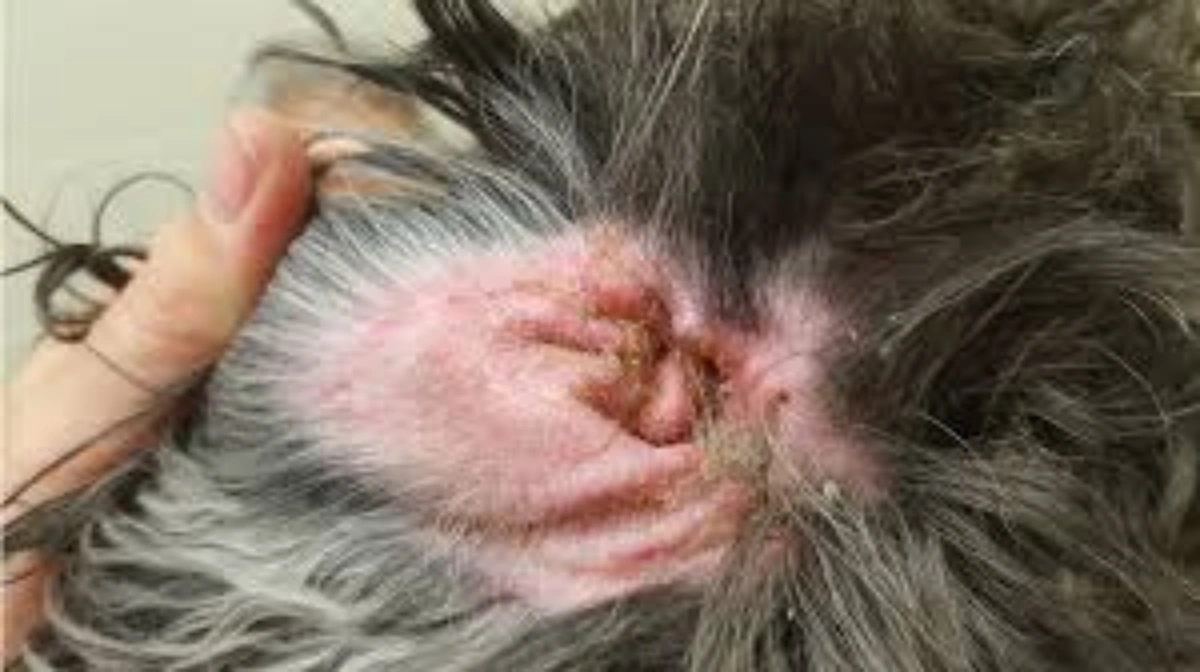
- Dark brown or black debris in the ear canal that resembles coffee grounds
- A mild to moderate odour from the affected ear
- Redness and inflammation of the outer ear and canal
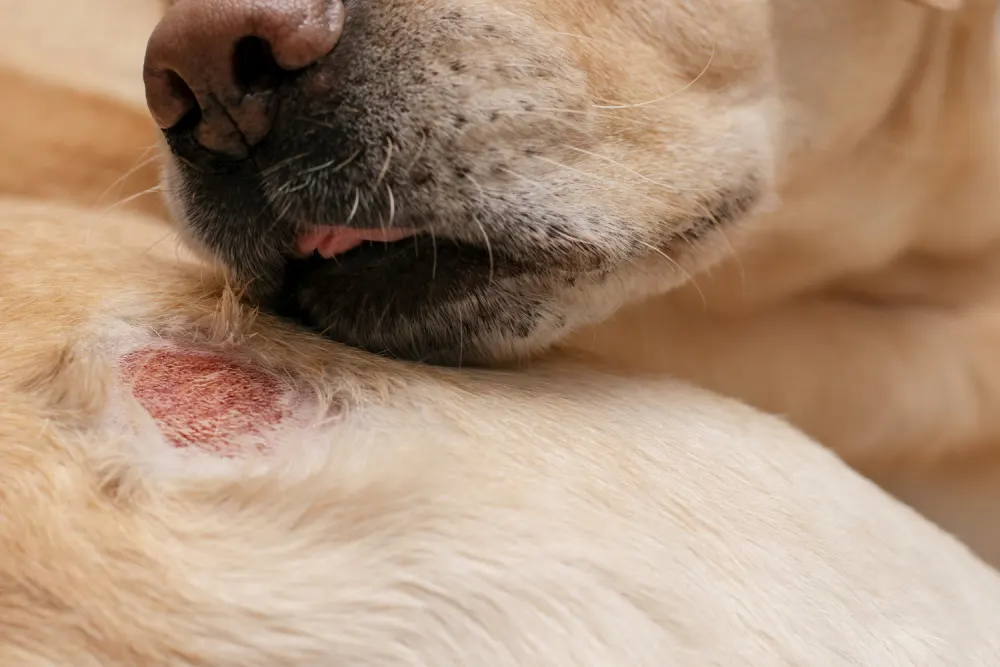
- Skin irritation, scratches, or small wounds behind the ear from repeated scratching
- In severe cases, crusting around the ear opening and the base of the ear flap
The combination of intense itching and the characteristic dark crumbly discharge is the most typical presentation. Both ears are often affected, though one may be worse than the other.
What the Discharge Looks Like
The dark discharge associated with ear mites in dogs has a distinctive appearance that helps distinguish it from a straightforward bacterial or yeast infection. It is typically dark brown to black, dry, and crumbly in texture, often compared to coffee grounds or dried soil. It accumulates in the ear canal and around the ear opening. This debris consists of a mixture of ear wax, skin cells, mite waste products, and dried blood from the irritated canal lining. Seeing this type of discharge in a dog that is also scratching intensively is a strong clinical indicator of ear mites.
Causes and Risk Factors for Ear Mites in Dogs
Ear mites in dogs develop from exposure to an infected animal. Several factors increase the likelihood of a dog acquiring ear mites:
- Contact with other infected animals: Dogs that play with or live alongside infected dogs or cats are at direct risk of mite transfer through close contact.
- Rescue and stray background: Dogs that have spent time on the street or in high-density shelter environments are more likely to have been exposed to ear mites without receiving treatment. Many rescue dogs arrive with established ear mite infestations.
- Multi-pet households: Homes with multiple dogs and cats provide easy transmission pathways once one animal is infected.
- Weakened immunity: Dogs with compromised immune systems from illness, malnutrition, or stress may be less able to resist or recover from mite infestations without treatment.
- Humidity and climate: India’s warm, humid climate supports the survival and spread of various external parasites, including ear mites, particularly during the monsoon season.
Related Videos



Diagnosis: How Vets Confirm Ear Mites in Dogs
Diagnosing ear mites in dogs is relatively straightforward and can usually be done during a standard veterinary examination:
- Otoscopic examination: The vet will examine the ear canal using an otoscope. Ear mites are sometimes visible as tiny white moving specks against the dark background of the discharge, though they are very small and not always easy to see without magnification.
- Microscopic examination: A sample of the ear discharge is collected using a swab and examined under a microscope. This is the most reliable way to confirm the presence of mites, eggs, or mite debris and to distinguish ear mites from a bacterial or yeast infection.
- Clinical presentation: The combination of intense bilateral itching and the characteristic coffee-ground discharge in a young or recently acquired dog is strongly suggestive of ear mites even before microscopy confirms it.
It is worth confirming the diagnosis before beginning treatment because the management of ear mites is different from the management of bacterial or yeast infections, and treating the wrong condition wastes time and delays relief for the dog.
Treatment for Ear Mites in Dogs
Treatment for ear mites in dogs is effective when completed correctly. The key principle is to treat for the full recommended duration, not just until the obvious symptoms improve, because mite eggs are not killed by most treatments and the full life cycle must be addressed.
- Topical ear preparations: Veterinary-prescribed ear drops containing antiparasitic ingredients are the most common treatment. These are applied directly into the ear canal on a prescribed schedule, typically daily for several weeks depending on the specific product used.
- Systemic antiparasitics: Some products applied to the skin, such as spot-on preparations, are effective against ear mites in addition to other parasites. These can be convenient for dogs that are difficult to treat with ear drops and provide broader parasite coverage at the same time.
- Ear cleaning before treatment: Gently removing the accumulated dark discharge from the ear before applying medication allows the treatment to reach the ear canal lining more effectively. Your vet will advise on the appropriate cleaning product and technique.
- Treating all pets in the household: Because ear mites spread easily between animals, all dogs and cats in the same household should be treated simultaneously, even if they are not showing symptoms. Treating only the symptomatic animal while others carry the mites will result in reinfection.
Home Care and Cleaning
Alongside veterinary treatment, gentle ear care at home supports recovery:
- Use only a vet-approved ear cleaning solution to gently loosen and remove the dark discharge before applying medication. Do not use cotton buds deep inside the ear canal, a cotton ball or soft cloth at the ear opening is sufficient.
- Apply all prescribed medication at the correct times and continue for the full duration recommended, even if symptoms improve within the first week.
- Wash your dog’s bedding thoroughly and clean any shared sleeping areas to reduce environmental mite load.
- Prevent your dog from scratching at the ears with an Elizabethan collar if needed, as ongoing scratching can cause wounds and secondary infections around the ear.
- Monitor the ears daily for any sign that the discharge is increasing or the itching is worsening rather than improving, and contact your vet if this occurs.
Related Products

Prognosis and Recovery
The prognosis for ear mites in dogs is excellent. With appropriate treatment completed in full, most dogs recover completely and the mites are eradicated. Itching and discharge typically begin to reduce within the first one to two weeks of treatment, though the full course must be completed to prevent reinfestation from surviving eggs.
Recovery is also faster and more comfortable when the underlying ear irritation is well managed alongside the antiparasitic treatment. Dogs that have secondary bacterial or yeast infections from the prolonged scratching and irritation may need additional ear treatment alongside the mite-specific therapy.
Complications if Left Untreated
While ear mites are very treatable, leaving them untreated over an extended period can lead to complications:
- Secondary bacterial or yeast infections of the ear canal due to the ongoing irritation and disrupted skin barrier
- Ear hematoma from repeated, vigorous head shaking and scratching, where blood vessels in the ear flap rupture
- Chronic ear canal changes from prolonged inflammation, which can make future infections more likely
- Skin wounds and secondary infections behind the ear from continuous scratching
These complications are avoidable with timely treatment. If you notice signs of ear mites, getting the ears checked and treated early is always the most straightforward path.
When to See a Vet
Contact your vet if your dog shows:
- Persistent scratching at one or both ears for more than a few days
- Dark, crumbly discharge visible in the ear canal or around the ear opening
- Any visible swelling of the ear flap
- A wound or raw area behind the ear from scratching
- Symptoms in multiple pets in the household simultaneously
Prevention Tips
Completely preventing ear mite exposure is not always possible, particularly in India where dogs frequently encounter community animals and rescues. However, these steps reduce the risk:
- Include ear mite coverage in your dog’s regular antiparasitic routine. Discuss with your vet whether your current parasite prevention products include protection against ear mites.
- Check your dog’s ears weekly as part of your grooming routine. Early identification means earlier, simpler treatment.
- When a new pet is introduced to the household, have them examined and treated for ear mites before allowing close contact with existing pets.
- Keep bedding and shared sleeping areas clean, particularly in multi-pet households.
- Have recently rescued dogs assessed for ear mites as part of their initial veterinary check-up, even if they are not yet showing obvious symptoms.