When a dog has persistent loose motions, loses weight despite eating, or seems to lack energy without an obvious reason, it can be frustrating for everyone involved. SIBO in dogs, small intestinal bacterial overgrowth, is one condition that often sits behind these ongoing digestive problems without being immediately recognised. It is not a dramatic emergency, but it does have a real impact on your dog’s quality of life and nutritional health. The good news is that with the right diagnosis and a consistent management plan, most dogs with SIBO improve significantly.
What is SIBO in Dogs?
The digestive tract naturally contains bacteria, and under normal circumstances these bacteria are distributed in a controlled way throughout the gut. The large intestine has the highest concentration, while the small intestine, where most nutrient absorption takes place, is meant to have relatively few bacteria.
SIBO in dogs refers to a condition where bacteria multiply excessively in the small intestine, disrupting normal digestion and absorption. Think of the gut as a balanced ecosystem. When the bacterial population in the small intestine becomes too large or contains the wrong types of bacteria, the system stops working as it should. Nutrients are not absorbed properly, the intestinal lining can become irritated, and symptoms of chronic digestive upset follow.
Why SIBO in Dogs Matters
SIBO is not simply a stomach problem that comes and goes. When bacteria overpopulate the small intestine over a sustained period, they compete with the dog for nutrients, damage the gut lining, and interfere with the absorption of vital vitamins and minerals. This is why dogs with untreated SIBO often lose weight despite eating normal amounts and develop secondary problems such as vitamin B12 deficiency, poor coat condition, and progressive weakness.
In rescue dogs and dogs with a history of poor nutrition or repeated infections, SIBO may have been developing quietly for some time before it is identified. Recognising the pattern of symptoms is the first step toward getting the right help.
Symptoms of SIBO in Dogs
The symptoms of SIBO in dogs are primarily digestive but can also affect general condition and appearance over time. They tend to be ongoing and recurring rather than sudden and severe:
- Chronic or intermittent diarrhoea, often loose and frequent, that does not resolve with basic dietary management
- Gradual weight loss or failure to maintain a healthy body weight despite a reasonable appetite
- Excessive gas and audible gurgling sounds from the abdomen
- Bloating or a slightly distended abdomen after meals
- Reduced appetite or variable interest in food
- Dull, dry, or poorly conditioned coat that does not reflect the diet being offered
- Lethargy or reduced energy compared to the dog’s normal baseline
- Occasional vomiting, particularly in dogs with more severe or long-standing cases
One thing worth noting is that the symptoms of SIBO in dogs often come and go. A dog may seem to improve for a period and then deteriorate again, which can make it easy to attribute the problem to something else. If these symptoms keep returning over weeks or months, a veterinary investigation specifically looking at gut health and absorption is worthwhile.
Related Videos


Causes of Excessive Bacteria in the Small Intestine
There is rarely a single cause behind SIBO in dogs. In most cases, it develops as a result of an underlying condition or circumstance that disrupts the normal balance of the gut:
- Exocrine pancreatic insufficiency (EPI): This is one of the most common underlying causes of SIBO in dogs. When the pancreas does not produce enough digestive enzymes, undigested food accumulates in the small intestine and provides an ideal environment for bacterial overgrowth. EPI and SIBO frequently occur together.
- Chronic intestinal disease: Conditions such as inflammatory bowel disease can damage the intestinal lining and disrupt the normal mechanisms that keep bacterial populations in check.
- Weakened immune function: Dogs with compromised immunity, whether due to illness, stress, or nutritional deficiency, are less able to regulate the bacterial environment in the gut.
- Prolonged antibiotic use: While antibiotics are sometimes necessary, long-term or repeated courses can disrupt the gut microbiome and allow certain bacteria to overpopulate in ways that lead to SIBO.
- Dietary history: Dogs with a history of poor-quality, inconsistent, or inadequate nutrition, particularly common in rescued street dogs in India, may have compromised gut health that predisposes them to bacterial imbalance.
- Motility disorders: If food moves too slowly through the small intestine, bacteria have more time and substrate to multiply. Conditions affecting gut motility can therefore contribute to SIBO.
- Anatomical abnormalities: In some dogs, structural issues in the intestine such as previous surgery, strictures, or blind loops can create areas where bacteria accumulate more readily.
In many Indian rescue dogs, SIBO may develop from a combination of prior nutritional deprivation, repeated infections, and a history of intermittent or inconsistent treatment. Understanding this context helps explain why some dogs take longer to stabilise than others.
How Vets Diagnose SIBO in Dogs
Diagnosing SIBO in dogs is one of the more nuanced aspects of veterinary gastroenterology. There is no single definitive test that confirms the condition in routine clinical practice, and the diagnosis is often made through a combination of findings and response to treatment.
- Physical examination: Your vet will assess body condition, coat quality, abdominal feel, and general health. A dog that is losing weight or has a poor coat despite eating suggests a problem with absorption rather than intake.
- Blood tests: Low serum cobalamin, which is vitamin B12, is a useful indicator of small intestinal malabsorption and is commonly associated with SIBO in dogs. Folate levels may also be checked, as elevated folate alongside low B12 can support a SIBO diagnosis. Broader blood work assesses organ function and rules out other systemic causes.
- Stool examination: A faecal test rules out parasites, which share many symptoms with SIBO and are very common in Indian dogs. Stool culture may also be performed in some cases.
- Trypsin-like immunoreactivity (TLI) test: This blood test checks for exocrine pancreatic insufficiency, which is a major underlying cause of SIBO. It is often recommended as part of the investigative panel for dogs with chronic digestive symptoms.
- Response to treatment: In many cases, a clinical diagnosis is supported by how well the dog responds to a targeted course of antibiotics and dietary management. Significant improvement after treatment provides strong evidence that SIBO was the issue.
| Test | What It Checks | Relevance to SIBO |
|---|---|---|
| Serum cobalamin (B12) | Vitamin B12 absorption in small intestine | Low levels suggest malabsorption linked to SIBO |
| Serum folate | Folate levels in blood | Elevated folate alongside low B12 supports SIBO |
| TLI test | Pancreatic enzyme production | Rules out EPI as an underlying cause |
| Faecal examination | Parasites and stool culture | Eliminates parasitic causes of chronic diarrhoea |
| Response to antibiotics | Clinical response to targeted treatment | Improvement supports SIBO diagnosis |
Treatment for SIBO in Dogs
Treatment for SIBO in dogs is usually multi-pronged and requires some patience. Improvement is often gradual, and in some dogs the condition can recur if the underlying cause is not also addressed.
- Antibiotics: A targeted course of antibiotics is the primary approach to reducing bacterial overgrowth in the small intestine. The choice of antibiotic and the duration of treatment are determined by your vet based on your dog’s specific situation. It is important to complete the full prescribed course.
- Probiotics: After a course of antibiotics, probiotics help restore a healthy and balanced gut microbiome. Your vet can recommend an appropriate veterinary-grade probiotic product. These are used alongside, not instead of, antibiotic treatment.
- Vitamin B12 supplementation: Dogs with low cobalamin levels benefit from B12 supplementation, often administered initially by injection for better absorption and then maintained orally. This helps address the nutritional deficiency caused by malabsorption and supports recovery of the gut lining.
- Treating the underlying cause: If EPI is identified, enzyme replacement therapy is required alongside SIBO treatment. If inflammatory bowel disease is the driver, appropriate long-term management of that condition is necessary to prevent SIBO from recurring.
- Dietary management: A highly digestible, low-fibre diet supports gut recovery during treatment. Your vet will advise on whether a specific commercial diet or a home-prepared option such as plain boiled rice and boiled chicken is appropriate.
It is worth being patient with the process. Some dogs improve noticeably within one to two weeks of starting treatment, while others with longer-standing cases or underlying conditions take more time. Stick with the plan your vet has outlined and attend all follow-up appointments so progress can be monitored.
Home Care and Diet Tips for Dogs with SIBO
Alongside veterinary treatment, there is a great deal you can do at home to support your dog’s recovery:
- Feed small, frequent meals rather than one or two large portions. This reduces the digestive load on the small intestine at any one time.
- Stick to a consistent, easily digestible diet throughout the treatment period. Plain boiled rice with boiled chicken or a vet-recommended recovery food works well for most dogs.
- Avoid introducing new foods, treats, or supplements during active treatment without checking with your vet first.
- Ensure clean, fresh water is available at all times. Chronic diarrhoea can lead to mild dehydration that compounds the dog’s general weakness.
- Keep feeding areas clean to avoid reintroducing environmental bacteria through food bowls or water sources.
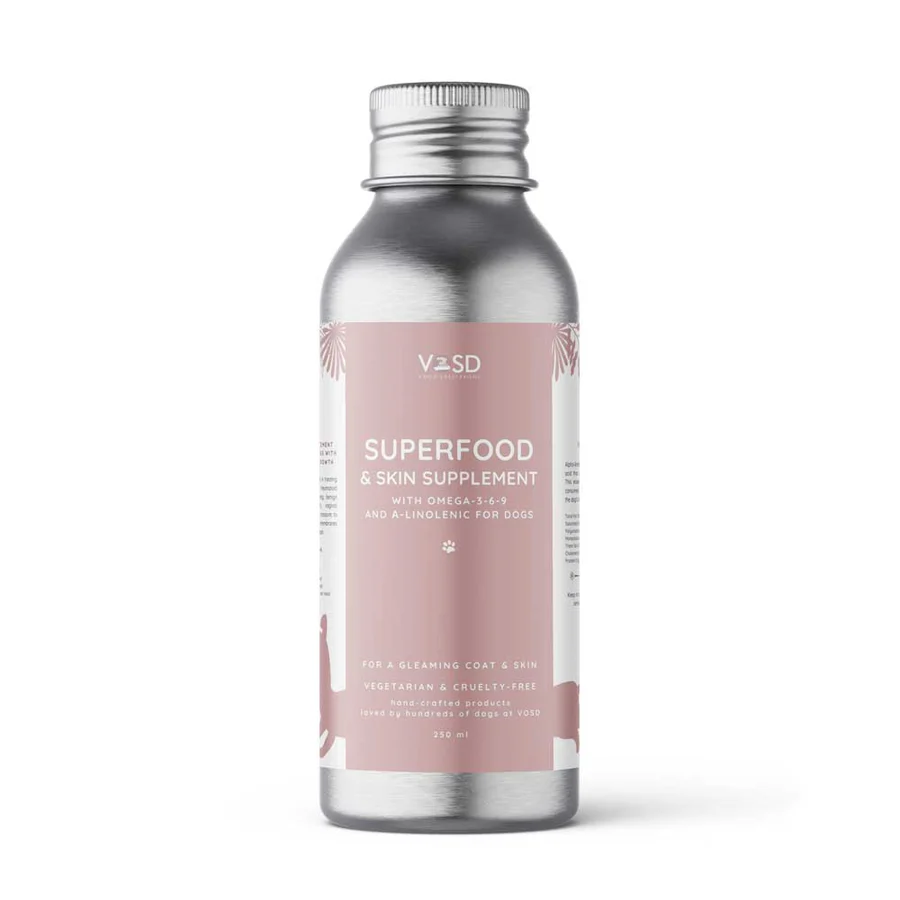
Supporting your dog’s skin and coat during recovery from SIBO is also worthwhile, as nutritional deficiencies often show up in coat condition first. VOSD Superfood Skin Supplement with Omega provides essential fatty acids that support skin and coat health from within, which can be helpful as your dog’s nutritional absorption improves. Always confirm with your vet before adding any supplement to the routine of a dog under active treatment for SIBO.
Related Products
Recovery and Long-Term Outlook
Many dogs with SIBO respond well to treatment and go on to live comfortably with good digestive health. For dogs where the underlying cause, such as EPI, is identified and appropriately managed, the long-term outlook is generally positive with consistent care.
Some dogs with chronic intestinal disease or recurrent infections may experience relapses of SIBO. These cases require ongoing monitoring and a longer-term management approach rather than a one-off treatment. The important thing is not to be discouraged by a relapse, it does not mean the treatment has failed, but rather that the underlying condition needs continued attention.
Regular follow-up with your vet, monitoring of body weight and coat condition at home, and maintaining a consistent diet all contribute to better long-term outcomes for dogs with SIBO.
When Should You Seek Veterinary Help?
If your dog has been experiencing any of the following for more than two to three weeks, a veterinary assessment specifically investigating digestive health and absorption is appropriate:
- Persistent or recurring loose stools that have not responded to basic dietary management or deworming
- Gradual weight loss despite a normal or increased appetite
- A noticeably dull coat or dry skin in a dog that is otherwise eating adequately
- Consistent low energy or lethargy without another identified cause
- Repeated courses of treatment for digestive symptoms that keep returning
If your dog is showing these signs, consult a vet early, it makes recovery much easier than waiting until the condition has progressed further.