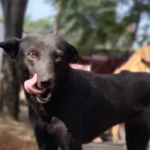

Some drooling is completely normal. A Mastiff drooling at the sight of food, or any dog salivating during a car ride, is not cause for concern.
But when drooling becomes sudden, continuous, or significantly more than usual, it is no longer just a breed trait or an excited response to dinner. It is a symptom. And the condition driving it can range from a painful mouth to a life-threatening emergency.
Excessive drooling, clinically called ptyalism or hypersalivation, occurs either because the body is producing more saliva than normal or because the dog cannot swallow it properly. Both mechanisms matter, and distinguishing between them is part of what guides the veterinary investigation.
The key principle is this: drooling that is new, sudden, or accompanied by any other sign of illness should never be dismissed or monitored at home without veterinary guidance.
When Is Drooling Normal Versus Abnormal?
Normal drooling occurs in predictable, short-lived circumstances. Anticipation of food, excitement, physical exertion, and breed-related anatomy in dogs with loose, heavy jowls, such as Basset Hounds, Bloodhounds, Saint Bernards, and Mastiffs, all produce drooling that is entirely expected and poses no health concern.
Abnormal drooling looks different. It is persistent rather than situational. It may begin suddenly without an obvious trigger. It often comes with other signs: pawing at the mouth, reluctance to eat, vomiting, behavioural change, or visible distress. And in many cases, the volume of saliva is markedly greater than anything the dog has produced before.
When drooling does not stop, when it starts without explanation, or when it appears alongside any other symptom, it warrants a veterinary assessment. Context and change from baseline are the most reliable indicators that something is wrong.
Symptoms Associated with Excessive Drooling in Dogs
Excessive drooling itself is a symptom, not a diagnosis. The accompanying signs are often what point toward the underlying cause and determine the urgency of the situation.
Common Clinical Signs
- Constant drooling or saliva dripping continuously from the mouth
- Bad breath that is new or significantly worse than before
- Difficulty swallowing or repeated swallowing attempts
- Pawing at the mouth, rubbing the face, or appearing uncomfortable around the jaw
- Signs of nausea, including lip licking, restlessness, or a hunched posture
- Loss of appetite or reluctance to eat
- Facial swelling or visible pain when the mouth or jaw is touched
- Vomiting or retching alongside drooling
Drooling that appears alongside systemic signs such as vomiting, lethargy, collapse, or sudden behavioural change elevates the concern significantly. This combination suggests the cause extends beyond the mouth and requires urgent attention.
Causes of Excessive Drooling in Dogs
The causes span a wide spectrum, from common and manageable to rare and immediately dangerous. Identifying which category is relevant is the priority.
Dental Disease and Oral Problems (Most Common)
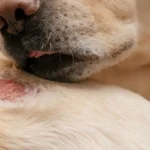
Dental disease is the most frequent cause of excessive drooling in dogs. Gum infection, tooth root abscesses, oral ulcers, and the pain associated with conditions such as stomatitis in dogs all stimulate excessive saliva production as the body responds to pain and inflammation in the mouth.
A dog with a painful mouth drools because eating, swallowing, and even resting with the mouth closed becomes uncomfortable. The saliva accumulates and spills over because swallowing it requires the same oral mechanics that are causing pain. Dental disease-related drooling is typically accompanied by bad breath, reluctance to eat, and visible gum or tooth changes on examination.
Nausea and Gastrointestinal Disorders
Nausea is a powerful stimulus for salivation. When the body anticipates vomiting, saliva production increases significantly, which is why dogs with gastritis, pancreatitis, intestinal blockage, or other gastrointestinal conditions often drool heavily before or alongside vomiting.
Bloat, more formally known as gastric dilatation and volvulus, is a particularly serious gastrointestinal cause of sudden, heavy drooling. Bloating in dogs is a life-threatening emergency where the stomach fills with gas and may twist on itself, producing rapid deterioration alongside drooling, unproductive retching, and abdominal distension. If these signs appear together, immediate emergency veterinary care is required.
Foreign Objects or Mouth Injuries
A stick lodged between the teeth, a bone fragment embedded in the gum, a cut on the tongue, or a burn from hot food can all trigger localised pain and drooling. The drooling in these cases is often accompanied by obvious oral discomfort: pawing at the mouth, reluctance to open the jaw, or visible blood in the saliva.
Foreign bodies in the mouth or throat can also partially obstruct swallowing, causing saliva to pool and overflow. Any dog that begins drooling suddenly while chewing or shortly after eating should have its mouth examined promptly.
Toxins and Poisoning (Emergency Cause)
Sudden, profuse drooling with no obvious oral cause is a recognised sign of toxic exposure. Certain plants, household chemicals, insecticides, toads, and medications can all trigger hypersalivation as part of a systemic toxic response. The drooling may be accompanied by vomiting, muscle tremors, dilated pupils, weakness, or collapse, depending on the substance involved.
If toxic exposure is suspected, do not wait for symptoms to worsen. This is a veterinary emergency. Bring any information about the potential substance with you, including packaging if available.
Heatstroke and Overheating
During overheating, dogs rely heavily on panting and saliva evaporation as their primary cooling mechanism. As core temperature rises, saliva production increases dramatically. Excessive drooling in a dog that has been exposed to high temperatures, confined in a hot space, or overexerted in warm weather is a warning sign of heatstroke.
This situation demands immediate action: move the dog to a cool environment, apply cool (not cold) water to the body, and seek emergency veterinary care without delay. Heatstroke can cause irreversible organ damage within minutes.
Stress, Anxiety, or Motion Sickness
Emotional arousal, including fear, anxiety, and the disorientation of travel, can trigger drooling in dogs through the autonomic nervous system response to stress. Dogs that drool heavily in the car, at the vet, during thunderstorms, or in other predictable stress scenarios are typically experiencing motion sickness or anxiety rather than a medical condition.
This form of drooling resolves when the trigger is removed and does not typically require medical investigation unless it is severe or accompanied by other symptoms.
Neurological or Infectious Diseases
Certain neurological conditions, including seizure disorders, facial nerve dysfunction, and diseases affecting the muscles of swallowing, can impair a dog’s ability to manage saliva normally, causing it to pool and drip. Rabies in dogs is the most serious infectious cause of hypersalivation and should be considered in any unvaccinated dog showing drooling alongside behavioural change, aggression, or paralysis, though it is now rare in vaccinated populations.
Related Videos

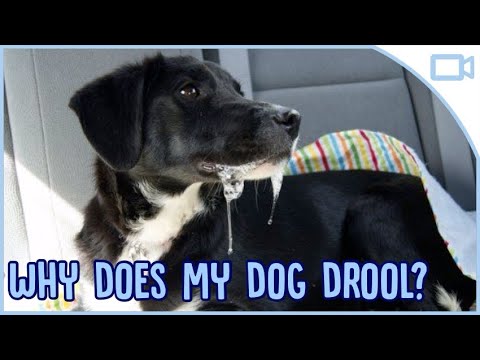


How Veterinarians Diagnose Excessive Drooling
The diagnostic approach is guided by the suspected cause. There is no single test for drooling. The history, clinical signs, and physical examination together determine which investigations are needed.
Oral and Physical Examination
The veterinarian examines the entire mouth, including the teeth, gums, tongue, palate, and throat, looking for dental disease, oral wounds, foreign bodies, ulceration, or masses. The lymph nodes, jaw, and neck are also assessed for swelling or pain.
A thorough physical examination beyond the mouth assesses for signs of systemic illness, including abdominal pain, neurological changes, and overall condition.
Blood Tests and Imaging
When systemic disease is suspected, blood tests, including a complete blood count and biochemistry panel, assess organ function, infection markers, and metabolic status. Abdominal X-rays or ultrasound are used when gastrointestinal causes, such as obstruction or bloat, are being investigated.
Toxicity Evaluation (If Suspected)
When toxic exposure is possible, the priority is stabilisation and decontamination rather than an extended diagnostic workup. The substance involved, the quantity, the time of exposure, and the dog’s current clinical status all inform the emergency management approach.
Treatment for Excessive Drooling in Dogs
Treatment is entirely determined by the underlying cause. There is no treatment for drooling itself in isolation.
Dental and Oral Treatment
When dental disease, oral infection, or oral ulceration is the cause, professional dental cleaning, extractions of affected teeth, wound management, and appropriate antibiotics address both the source and the symptom. Drooling typically resolves once the oral pain and infection are controlled.
Medications for Nausea or Infection
Anti-nausea medications reduce the gastrointestinal stimulus driving saliva production. Antibiotics address bacterial infection. Pain relief reduces the oral discomfort that is sustaining the drooling. The specific medications depend on the confirmed diagnosis.
Emergency Treatment (Toxins, Heatstroke, and Blockage)
These situations require immediate veterinary intervention: intravenous fluid support, decontamination for toxin exposure, active cooling for heatstroke, and surgical intervention for gastrointestinal obstruction or bloat. Time directly affects the outcome in all of these scenarios.
Related Products

Prognosis and Complications
When the underlying cause is identified and treated promptly, the prognosis for excessive drooling is generally good. Dental disease resolved through professional treatment, nausea managed with appropriate medication, and anxiety addressed through behavioural support all produce reliable improvement.
Severe causes left untreated carry a far more serious outlook. An untreated oral infection can progress to an abscess and bone involvement. Heatstroke managed late causes irreversible organ damage. Gastrointestinal obstruction, untreated, becomes fatal. The drooling in these cases is a visible warning that demands a response.
Preventing Excessive Drooling in Dogs
Maintain Dental Hygiene
Regular brushing and professional dental cleanings reduce the oral disease that is the most common driver of pathological drooling. This is the most directly preventable cause in the list.
Avoid Toxic Substances
Keep household chemicals, certain plants, human medications, and toxic foods such as grapes, onions, and xylitol out of reach. Familiarise yourself with the most common canine toxins so that accidental exposure can be recognised and reported immediately.
Monitor Diet and Digestion
Feed appropriate portion sizes, avoid sudden dietary changes, and monitor for signs of gastrointestinal discomfort. Dogs prone to bloat should not exercise vigorously immediately before or after meals.
Reduce Stress and Anxiety
For dogs that drool predictably in response to travel or known triggers, management strategies including gradual desensitisation, appropriate veterinary-approved anxiety support, and environmental modifications can significantly reduce the frequency and severity of stress-related drooling.
When to See a Veterinarian
Contact your veterinarian immediately if your dog shows any of the following:
- Sudden, unexplained onset of excessive drooling
- Drooling alongside vomiting, lethargy, weakness, or collapse
- Any suspicion of toxic substance ingestion
- Drooling combined with an inability or difficulty swallowing
- Heavy drooling after heat or exertion alongside panting and distress
- Drooling that does not resolve and has no obvious benign explanation
Excessive drooling tells you something is wrong. It does not tell you what. That distinction belongs to a veterinary examination, and the sooner it happens, the wider the range of options available for your dog.