It can be deeply frustrating when your dog seems to be eating reasonably well but keeps losing weight, has recurring loose stools, or never quite seems to thrive. When the usual explanations have been ruled out and the pattern continues, vitamin B12 deficiency in dogs is something worth discussing with your vet. It is a condition that frequently sits behind chronic digestive issues without being immediately obvious, and identifying it can be the turning point for a dog that has been struggling for some time.
What is Vitamin B12 Malabsorption in Dogs?
Vitamin B12, also known as cobalamin, is an essential nutrient that plays a vital role in energy production, normal nerve function, and the health of the cells lining the digestive tract. Dogs obtain B12 from their food, but for it to be used by the body, it must first be absorbed correctly through the small intestine.
Vitamin B12 deficiency in dogs occurs when the body cannot absorb this nutrient properly, even when it is present in the diet. Think of it this way, the food is there, but the system that processes and distributes a key part of it is not working as it should. The result is that the dog becomes deficient despite eating, which explains why weight loss and digestive symptoms persist even when the diet appears adequate.
Common Symptoms of Vitamin B12 Deficiency in Dogs
The symptoms of vitamin B12 deficiency in dogs tend to develop gradually and can be subtle in the early stages. This is one reason the condition often goes undetected for longer than it should. Here is what to watch for:
- Gradual or persistent weight loss despite maintaining a reasonable appetite
- Chronic or recurring diarrhoea that does not fully resolve with standard treatment
- Reduced appetite or inconsistent interest in food
- Lethargy and reduced energy that does not match the dog’s age or activity level
- A dull, dry, or poorly conditioned coat that does not reflect the diet being offered
- Slow recovery from illness or repeated episodes of digestive upset
- In more advanced cases, neurological signs such as weakness, unsteady gait, or reduced responsiveness
In many long-term rescue cases, vitamin B12 deficiency has been present for months before the dog receives proper assessment. These dogs often have a history of untreated gut infections, heavy parasite burdens, or nutritional gaps that impair absorption over time. Once B12 supplementation is started, the improvement can be quite striking even within the first few weeks.
When Should You Investigate for B12 Deficiency?
Consider discussing B12 testing with your vet if your dog has:
- Had chronic or intermittent diarrhoea for more than a few weeks without a clear resolved cause
- Lost weight progressively despite adequate food intake
- Been diagnosed with a chronic gut condition such as inflammatory bowel disease or exocrine pancreatic insufficiency
- A history of poor early nutrition, such as a recently rescued stray or previously malnourished dog
- Been through multiple courses of treatment for digestive symptoms without sustained improvement
- A young dog or puppy that is not developing or gaining weight as expected
Causes of Vitamin B12 Deficiency in Dogs
Vitamin B12 deficiency in dogs is almost always caused by a problem with absorption rather than a lack of B12 in the diet. Several conditions interfere with the gut’s ability to absorb cobalamin effectively:
- Inflammatory bowel disease: Chronic inflammation of the small intestinal lining damages the cells responsible for absorbing nutrients including B12. IBD is one of the most common underlying causes of cobalamin deficiency in adult dogs.
- Exocrine pancreatic insufficiency: The pancreas produces enzymes that are essential for digesting food and preparing nutrients for absorption. When these enzymes are insufficient, vitamin B12 cannot be processed and absorbed normally. EPI and cobalamin deficiency frequently occur together.
- Small intestinal bacterial overgrowth: When bacteria proliferate excessively in the small intestine, they compete with the dog for available B12 and disrupt the normal absorption environment. This connection between SIBO and B12 deficiency is well established.
- Chronic intestinal infections: Bacterial or parasitic infections that persist over a long period damage the gut lining and impair absorption of multiple nutrients, with B12 among the most commonly affected.
- Genetic or breed-related causes: Certain breeds including Border Collies, Beagles, and Giant Schnauzers have an inherited defect in the mechanism that allows B12 to be absorbed. In these cases, deficiency develops regardless of the diet or gut health and typically presents in puppyhood.
- Chronic poor nutrition: In dogs that have had inadequate diets over extended periods, the combination of low dietary B12 and a compromised gut from malnutrition can contribute to deficiency. This is relevant for many rescued street dogs in India with an unknown or difficult prior history.
The Role of Gut Health and the Pancreas in B12 Absorption
Understanding why the gut and pancreas matter so much for vitamin B12 absorption helps make sense of why treating the underlying condition is as important as supplementing the vitamin itself.
The process of absorbing B12 from food is more complex than most nutrients. It requires a specific protein produced in the stomach to bind to the B12 molecule, and then specialised receptors in the lower small intestine to actually take it up into the body. If the intestinal lining is damaged by inflammation, infection, or bacterial overgrowth, those receptors do not function properly. If the pancreas is not producing adequate digestive enzymes, the food is not broken down sufficiently for absorption to occur normally in the first place.
This is why simply feeding more B12-rich food rarely solves the problem. The deficiency needs to be corrected through supplementation that bypasses the damaged absorption pathway, while the underlying gut or pancreatic condition is treated separately.
Related Videos


How is Vitamin B12 Deficiency Diagnosed?
Diagnosing vitamin B12 deficiency in dogs is relatively straightforward once it is suspected. Your vet will recommend:
- Serum cobalamin test: A simple blood test measures the level of B12 in the bloodstream. Low levels confirm deficiency. This test is the most direct way to identify the condition.
- Folate levels: Folate is often measured alongside B12. The combination of low B12 and elevated folate is particularly suggestive of small intestinal bacterial overgrowth. Low levels of both can point to broader malabsorption.
- TLI test: If exocrine pancreatic insufficiency is suspected as the underlying cause, a trypsin-like immunoreactivity blood test confirms or rules this out.
- Stool examination: A faecal test checks for parasites, which are a contributing factor in many Indian dogs with chronic digestive symptoms and associated B12 deficiency.
- Further investigation: Depending on the findings, the vet may recommend an ultrasound, intestinal biopsies, or other testing to identify the specific underlying gut condition driving the deficiency.
| Test | What It Checks | Why It Matters |
|---|---|---|
| Serum cobalamin | B12 level in blood | Directly confirms deficiency |
| Serum folate | Folate level in blood | Helps identify SIBO or broader malabsorption |
| TLI test | Pancreatic enzyme function | Identifies or rules out EPI as a cause |
| Faecal examination | Parasites and gut bacteria | Identifies treatable contributing causes |
Treatment: How to Correct Vitamin B12 Deficiency in Dogs
Treatment for vitamin B12 deficiency in dogs involves two parallel actions: correcting the deficiency itself through supplementation and addressing the underlying condition that caused poor absorption.
B12 injections: Cobalamin injections are the standard first-line treatment because they deliver B12 directly into the bloodstream, completely bypassing the damaged absorption pathway in the gut. A typical protocol involves injections weekly for several weeks, then gradually reducing in frequency as levels stabilise. Many dogs show noticeable improvement in energy and stool consistency within the first two to four weeks of starting injections.
Oral supplementation: In some cases where the deficiency is mild or once injection therapy has been completed, oral B12 supplements may be used for maintenance. The effectiveness of oral supplementation depends on how significantly the absorption pathway is compromised. Your vet will advise on whether oral maintenance is appropriate for your dog.
Treating the underlying cause: Supplementing B12 alone without addressing the underlying gut or pancreatic condition is only a partial solution. If IBD, EPI, SIBO, or parasites are driving the poor absorption, those conditions need their own treatment plan running alongside B12 therapy. Failure to treat the root cause means deficiency is likely to recur.
Home Care and Supportive Diet During Recovery
Alongside veterinary treatment, dietary support at home helps the gut recover and maintains the nutritional gains made through supplementation:
- Feed a consistent, highly digestible diet as recommended by your vet. A simple home-cooked option of plain boiled rice with boiled chicken works well during recovery periods, as it is gentle on the gut and easy to absorb.
- Avoid frequent food changes or the introduction of new ingredients while treatment is ongoing, as this disrupts the gut further.
- Feed smaller, more frequent meals to reduce the digestive load at any one time and improve the efficiency of absorption.
- Follow the full prescribed course of any deworming or gut treatment your vet recommends alongside the B12 therapy.
- Keep feeding bowls clean and provide fresh water daily to reduce the reintroduction of bacteria or contaminants.
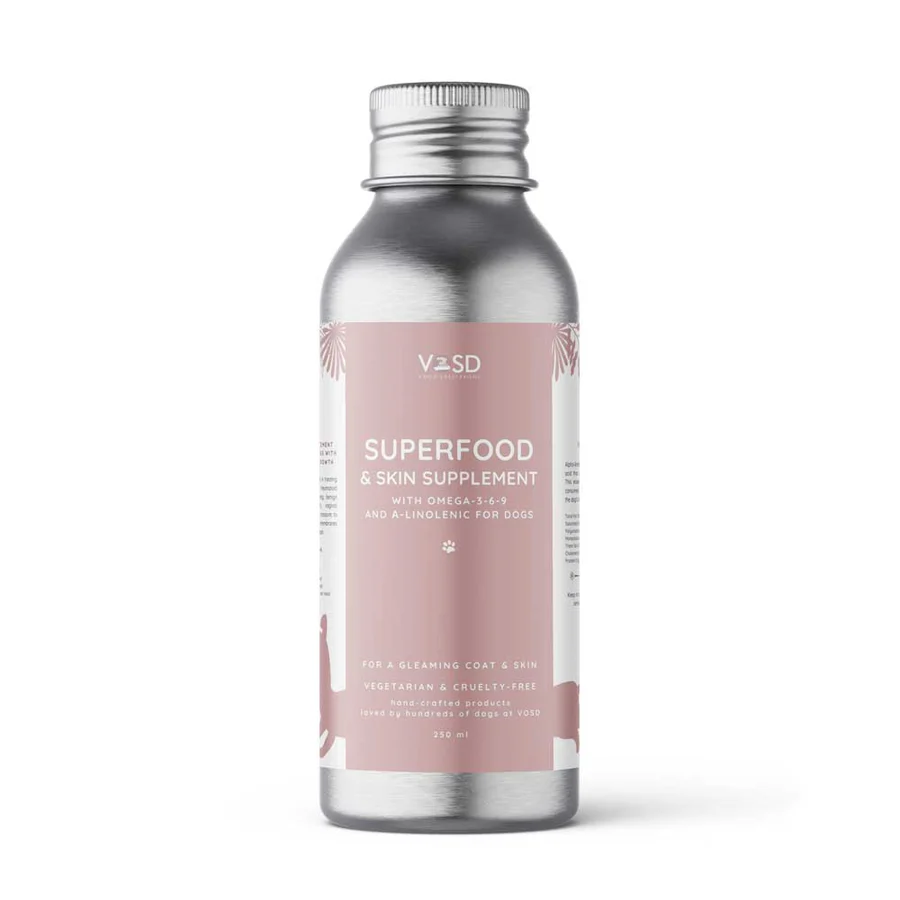
Supporting skin and coat health during recovery from vitamin B12 deficiency is also worthwhile, as nutritional deficiencies frequently manifest in coat condition. VOSD Superfood Skin Supplement with Omega provides essential fatty acids that support healthy skin and coat recovery as part of a broader nutritional wellness plan. Always check with your vet before adding any supplement for a dog currently under treatment for a nutritional or digestive condition.
Related Products
Prognosis: Can Dogs Recover Fully from B12 Deficiency?
The prognosis for vitamin B12 deficiency in dogs is generally very positive once the condition is identified and treatment begins. Most dogs show significant improvement in energy, stool consistency, and body condition within four to eight weeks of starting B12 supplementation alongside appropriate treatment of the underlying cause.
For dogs with a manageable underlying condition such as SIBO or a treatable parasitic infection, full recovery is achievable. For those with chronic conditions like IBD or EPI, ongoing management of the underlying disease is necessary, and periodic B12 monitoring may be recommended to ensure levels remain adequate. These dogs can still live well with consistent care and regular vet follow-up.
Preventing Vitamin B12 Deficiency in Dogs
Not every case can be prevented, but these steps reduce the risk and support early identification:
- Address any chronic digestive symptoms, including persistent loose stools or weight loss, without allowing them to continue untreated for extended periods
- Follow a regular deworming schedule, particularly important for Indian dogs with outdoor access or a rescue background
- Feed a consistent, nutritionally balanced diet that supports gut health over time
- Schedule regular veterinary check-ups for dogs with known digestive conditions, ensuring B12 levels are monitored as part of routine blood work
- Have newly rescued dogs with a history of malnutrition or chronic illness assessed for nutritional deficiencies as part of their initial health evaluation