
A dog that sneezes occasionally or has a little nasal discharge is easy to dismiss as having a mild cold or seasonal irritation. Most of the time, that assessment is correct. But occasionally, what looks like a minor nasal issue is the surface presentation of a fungal infection working its way through the nasal cavity, destroying tissue, and carrying the potential to spread to organs far beyond the nose.
Aspergillosis is one of those conditions that rewards early identification and punishes delay. The difference between a dog diagnosed at the nasal stage and one that reaches systemic spread is the difference between a manageable condition and a life-threatening one. Knowing what to look for and when to act is what determines which side of that line a dog falls on.
What This Infection Really Is
Aspergillus is not an exotic or unusual organism. It is a common environmental fungus found in soil, dust, decomposing plant material, and compost. Its spores are present in the air that every dog breathes every day. In the vast majority of dogs, those spores are inhaled and cleared by the immune system without ever establishing an infection.
Aspergillosis develops when the normal defence fails. A dog with a compromised immune system, a damaged nasal mucosal barrier, or an underlying condition that reduces its ability to clear inhaled spores becomes vulnerable to the fungus establishing itself in the nasal cavity. Once established, the fungus does not behave like a passing visitor. It colonises the tissue, destroys it systematically, and in some dogs moves beyond the nasal cavity entirely.
The infection is not transmitted from dog to dog. It is acquired from the environment. This means exposure cannot be prevented, but understanding the risk factors that allow the infection to establish itself helps owners of vulnerable dogs maintain appropriate vigilance.
Early Signals That Should Not Be Ignored
The early signs of nasal aspergillosis are deceptively similar to those of common upper respiratory conditions, which is part of why the diagnosis is frequently delayed.
- Persistent nasal discharge that is typically unilateral, meaning from one nostril, is one of the most characteristic early features. The discharge may be mucoid initially and progress to purulent or blood-tinged over time
- Frequent sneezing, often with force, as the dog’s body attempts to clear the irritation in the nasal cavity
- Nosebleeds, which occur as the fungal infection erodes the blood vessels within the nasal mucosa
- Pawing at the nose or rubbing the face against surfaces, reflecting the discomfort and pain associated with nasal inflammation and tissue destruction
- Facial pain or swelling, particularly over the bridge of the nose, as the infection advances into the nasal bone and surrounding structures
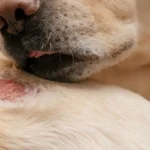
- Depigmentation or ulceration of the nostril, a visible external sign that the infection has reached the nasal planum
The pattern of unilateral discharge, nosebleeds, and progressive nasal pain in a dog that does not respond to standard treatment for bacterial infection should prompt consideration of fungal disease as the underlying cause.
Where This Infection Comes From in Real Life
Dogs acquire aspergillosis through inhalation of fungal spores from their immediate environment.
- Soil and garden environments are the primary source, particularly where soil is disturbed, composted organic matter is present, or decaying plant material has accumulated
- Dusty or poorly ventilated indoor environments can concentrate airborne spores, particularly during renovation, construction, or in buildings with damp conditions favouring fungal growth
- Compost heaps and mulched garden beds carry high concentrations of Aspergillus spores
- Damp or mouldy bedding, food storage areas, and kennels represent indoor exposure risks that are often overlooked
Dogs with long snouts, such as Retrievers and German Shepherds, are considered to be at higher risk for nasal aspergillosis, likely because their longer nasal passages provide greater surface area for spore deposition and fungal colonisation. Immunocompromised dogs of any breed are at elevated risk for the more serious disseminated form.
Related Videos


How Aspergillosis Takes Hold
Understanding the mechanism by which Aspergillus spores progress from environmental exposure to established infection explains why this condition is so difficult to clear and why it causes the specific pattern of damage it does.
When spores are inhaled, they settle on the moist mucosal surface of the nasal cavity. In a dog with normal immune function, the mucociliary clearance system and the local immune cells in the nasal mucosa identify and neutralise the spores before they can germinate.
In a susceptible dog, the spores germinate and form hyphae, the thread-like structures through which fungi grow and invade tissue. The hyphae penetrate the nasal mucosa, triggering an intense inflammatory response. However, unlike bacteria that can be killed by standard antibiotics and immune mechanisms, Aspergillus has evolved mechanisms to partially evade the immune response, allowing it to persist despite the body’s attempts to clear it.
As the infection progresses, the fungal hyphae destroy the delicate turbinate bones within the nasal cavity, replace healthy mucosa with fungal plaques, and erode blood vessels, producing the nosebleeds characteristic of advanced disease. The nasal cavity, once filled with the complex scroll-like turbinate bones that warm and filter incoming air, becomes an open, destroyed cavity packed with necrotic debris and fungal material.
Different Forms of Aspergillosis
Not all Aspergillus infections behave the same way, and the form a dog develops has profound implications for prognosis and treatment.
Nasal aspergillosis is the most common form in dogs. The infection is confined to the nasal cavity and sinuses. It is destructive and painful; when diagnosed at this stage, is potentially manageable with appropriate treatment. Most dogs with nasal aspergillosis do not have underlying immunosuppression, and the infection appears to establish itself in genetically susceptible individuals or those with minor local immune defects.
Sino-orbital aspergillosis represents extension of the nasal infection into the orbit, the bony cavity containing the eye. This form causes additional orbital signs, including eye displacement, pain on opening the mouth, and changes in the appearance of the eye. It is more complex to treat than nasal disease alone.
Disseminated aspergillosis is the most serious form and carries a very poor prognosis. In this form, the fungus spreads through the bloodstream from the initial site of infection to multiple organ systems, including the bones, spine, kidneys, eyes, and central nervous system. It is seen primarily in immunocompromised dogs, particularly German Shepherds, and often occurs without the prominent nasal signs that characterise the localised form. Dogs with disseminated disease frequently present with lameness from bone or spinal involvement, weight loss, fever, and systemic illness rather than an obvious nasal problem.
What Happens When It Spreads Beyond the Nose
In disseminated aspergillosis, the clinical picture changes dramatically as different organ systems are affected.
- Spinal involvement produces back pain, weakness in the hindlimbs, and in severe cases, paralysis as fungal lesions develop within the vertebrae
- Bone involvement causes lameness, swelling, and pain at affected sites, mimicking orthopaedic disease
- Renal involvement produces signs of kidney dysfunction, including increased thirst, reduced appetite, and weight loss
- Ocular involvement can cause uveitis and vision changes as fungal lesions develop within the eye
- Neurological signs, including seizures and altered mentation, occur when the central nervous system is affected
The breadth of this presentation means disseminated aspergillosis is frequently misdiagnosed as other conditions, and the diagnosis is often reached only after other causes have been excluded.
How Vets Confirm a Fungal Infection
Diagnosing aspergillosis, particularly the nasal form, requires a combination of approaches because no single test is definitively conclusive in all cases.
- Advanced imaging, including CT scanning of the nasal cavity, is the most informative initial investigation. CT reveals the characteristic destruction of the turbinate bones, the presence of fungal plaques, and the extent of sinus involvement in a way that plain radiographs cannot
- Rhinoscopy, the direct visualisation of the nasal cavity using a small endoscope, allows the veterinarian to see the characteristic fungal plaques and collect tissue samples for laboratory analysis
- Biopsy and histopathology of affected tissue confirms the presence of fungal hyphae
- Fungal culture attempts to grow the organism from collected material to confirm the species and guide treatment
- Serology testing for antibodies against Aspergillus can support the diagnosis, though results require interpretation in the context of the full clinical picture
- Blood tests assess the systemic impact of the infection and screen for organ involvement in suspected disseminated cases
The combination of clinical signs, imaging findings, and rhinoscopic appearance often provides sufficient confidence for diagnosis even before culture results are available, given that treatment cannot be delayed in progressive cases.
Treatment: Why This Is Not a Simple Infection to Cure
Aspergillosis treatment is prolonged, complex, and requires veterinary expertise rather than standard antimicrobial protocols.
Topical antifungal infusion for nasal aspergillosis involves instilling antifungal medication directly into the nasal cavity and sinuses under general anaesthesia, after careful preparation of the nasal passages to remove fungal debris. This procedure may need to be repeated. The most commonly used agent is clotrimazole, which is delivered in contact with the nasal mucosa and the surfaces of the sinuses for a sustained period.
Systemic oral antifungal therapy with drugs such as itraconazole or voriconazole is prescribed alongside or following topical treatment. These medications must be continued for an extended period, often several months, to prevent recurrence. They require regular monitoring for side effects, including liver toxicity.
The general overview of infections in dogs provides useful context for understanding how fungal infections differ from bacterial and viral diseases in their response to treatment and their demands on the immune system.
When the infection has reached the lungs, fungal pneumonia represents one of the more serious potential complications of disseminated fungal disease, requiring intensive systemic treatment and close monitoring of respiratory function throughout the treatment period.
Aspergillus is also capable of establishing infections in the urinary tract in some dogs, and urinary fungal infection illustrates how the same organism can affect different body systems with different clinical presentations depending on where it establishes itself.
What Recovery Looks Like and Why It Is Unpredictable
The prognosis for aspergillosis depends almost entirely on the form of the disease.
Dogs with nasal aspergillosis treated with topical antifungal infusion and oral antifungal medication have a reasonable chance of achieving resolution or long-term remission, though recurrence is possible, and some dogs require repeated treatment cycles. The nasal cavity may not fully return to normal anatomically, given the turbinate destruction that often occurs before treatment, but most dogs can maintain a good quality of life with appropriate management.
The prognosis for disseminated aspergillosis is significantly worse. Even with aggressive systemic antifungal treatment, the outcome for dogs with widespread organ involvement is often poor, and the treatment itself carries significant side effect risks. Many dogs with disseminated disease do not survive despite treatment.
This stark difference in outcome between the two forms underscores why early diagnosis at the nasal stage, before any systemic spread has occurred, is so critical to a dog’s chance of a meaningful recovery.
Fungal vs Bacterial vs Viral Infections: Key Differences
| Feature | Fungal (Aspergillosis) | Bacterial | Viral |
|---|---|---|---|
| Cause | Aspergillus spores | Bacteria | Virus |
| Transmission | Environmental, not contagious | Variable | Often contagious |
| Response to antibiotics | None | Yes | No |
| Treatment | Antifungal (topical + systemic) | Antibiotics | Supportive care |
| Treatment duration | Weeks to months | Days to weeks | Days to weeks |
| Risk of organ spread | Yes (disseminated form) | Sometimes | Sometimes |
| Tissue destruction | Significant | Variable | Variable |
When This Infection Becomes an Emergency
The following signs indicate that aspergillosis has progressed beyond a manageable early stage and requires immediate veterinary attention.
- Significant nosebleed that does not stop within a few minutes
- Rapid facial swelling or visible distortion of the nasal bridge
- Signs of neurological involvement, including disorientation, seizures, or sudden weakness
- Sudden onset of hindlimb weakness or inability to walk normally in a dog with known or suspected fungal disease
- Fever with systemic collapse in any dog with respiratory or nasal signs
When to See a Vet Without Waiting
Any dog with nasal discharge from one nostril that persists beyond two weeks, does not respond to standard treatment for rhinitis, is accompanied by nosebleeds, or is associated with facial pain or swelling should be assessed for fungal infection.
The combination of unilateral discharge, nosebleeds, and progressive facial signs is sufficiently characteristic of nasal aspergillosis that investigation should not be delayed in favour of further trials of antibiotic treatment. Every week of untreated disease is another week of turbinate bone destruction that cannot be recovered.