Malassezia Dermatitis in Dogs
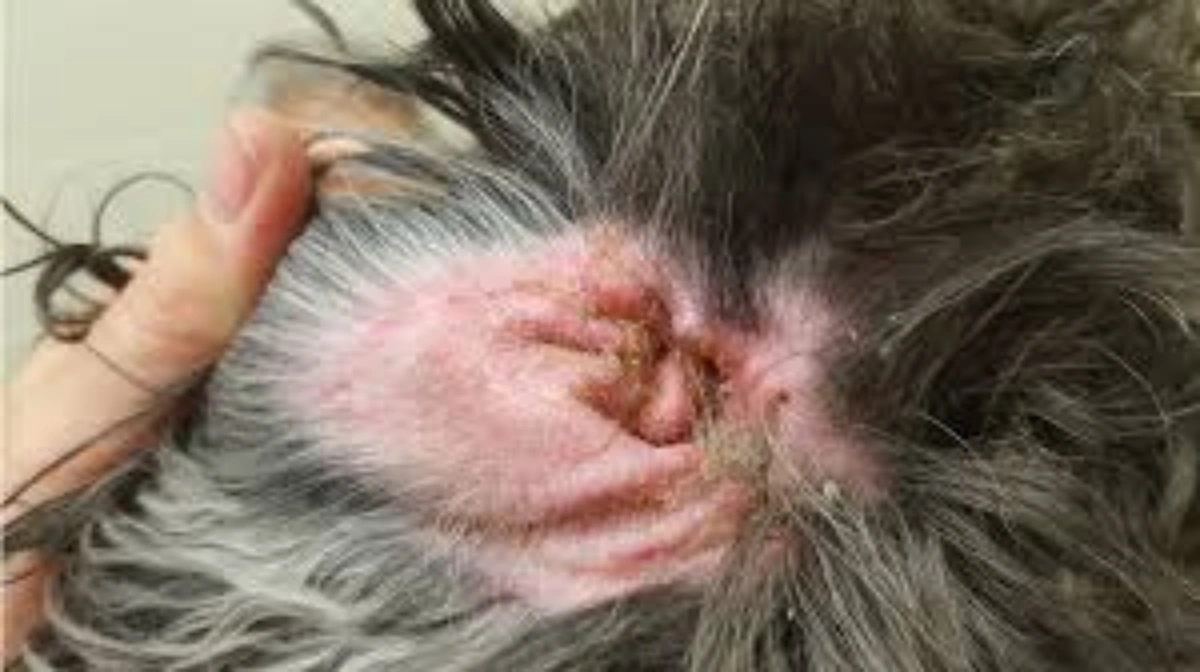
Malassezia Dermatitis is a condition in dogs caused by the overgrowth of Malassezia pachydermatis, a yeast naturally present on the skin and ears of canines. While it typically exists as a normal inhabitant in these areas, an abnormal proliferation of the yeast can lead to dermatitis, characterized by inflammation of the skin. The precise reasons for the development of this disease remain unclear, but it has been associated with factors such as allergies, seborrhea, and potentially congenital and hormonal influences.
Although Malassezia dermatitis can affect any dog breed, certain breeds are more predisposed to this condition. These include poodles, basset hounds, West Highland white terriers, cocker spaniels, and dachshunds.
Symptoms and Types
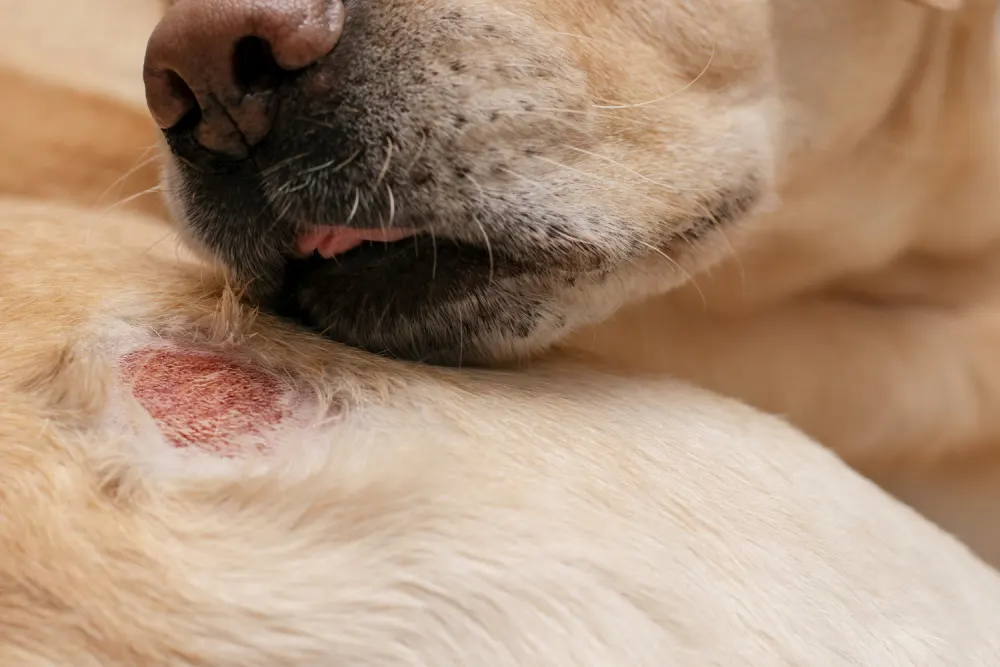
- Skin irritation
- Hair loss (alopecia)
- Greasy skin
- Scaly skin
- Redness in affected areas
- Malodorous discharge from lesions
- Dark patches of skin (hyperpigmentation) and thickening of the epidermis (observed in chronic cases)
Causes
- Elevated humidity and temperature, which can escalate the occurrence of cases.
- Other contributing factors may involve concurrent infections, as well as allergies to food and fleas, which can predispose dogs to this hypersensitivity disease.
- Genetic factors are also suspected, particularly in the early onset of the condition in predisposed breeds of dogs.
Diagnosis
To diagnose Malassezia Dermatitis in your dog, provide your veterinarian with a comprehensive history of your dog’s health, detailing the onset and characteristics of the symptoms. The veterinarian will conduct a thorough physical examination and run tests such as a biochemistry profile, urinalysis, and complete blood count, with results typically appearing normal unless there is a concurrent illness.
More specific diagnostic measures involve culturing the causative organism and obtaining a small skin tissue sample for a skin cytology test. During this test, your veterinarian will use a sterilized cotton swab to collect material from the affected area, staining it with Diff-Quik stain on a glass slide. After staining, the slide is examined under a microscope to reveal the presence of yeast, aiding in the identification of the causative organism.
Treatment
Treatment for Malassezia Dermatitis involves the use of various therapeutic agents aimed at reducing the proliferation of yeast and bacteria. Your veterinarian will prescribe medications for topical application on the skin and may recommend medicated shampoos to eliminate scales and alleviate foul odors. Concurrent bacterial infections will be addressed with antibiotics and antibacterial shampoos.
Living and Management
For effective management of Malassezia Dermatitis, regular visits to your dog’s veterinarian are essential to assess disease progression and treatment efficacy. During these appointments, your veterinarian will conduct thorough examinations and perform skin cytology tests to ensure a reduction in the number of causative organisms.
Skin irritation and unpleasant odors typically diminish within a week of treatment initiation; however, recurrence of the disease is common if underlying conditions are not adequately addressed. Adhere strictly to the treatment guidelines and apply topical medications as prescribed. Refrain from using any shampoo or altering the treatment regimen without consulting your veterinarian.
Given the likelihood of recurrence, vigilance is crucial. Monitor your dog closely for any signs of relapse and promptly contact your veterinarian if you suspect a recurrence of symptoms.
Related Videos