

When a puppy seems weaker than expected, tires easily, or experiences unexplained episodes of shaking or collapse, the cause is not always immediately obvious. Glycogen storage disease in dogs is a rare inherited condition that can produce exactly these signs, and while it is not commonly encountered, knowing about it can make a real difference to how quickly the right diagnosis is reached. With appropriate management, many dogs with glycogen storage disease can be supported through a reasonable quality of life.
What is Glycogen Storage Disease in Dogs?
Glycogen is the form in which the body stores glucose, the primary fuel source for energy. When the body needs energy, enzymes convert stored glycogen back into glucose that cells can use. Glycogen storage disease in dogs, often abbreviated to GSD, occurs when a genetic defect means that one or more of the enzymes involved in this process is absent or does not function correctly.
Think of glycogen like money stored in a bank. The dog eats food, converts it to glycogen, and stores it for later use. Glycogen storage disease is like having a lock on the vault that cannot be opened when needed, the energy is there, but the body cannot access it properly. The consequences depend on which enzyme is affected and how severely, but they typically involve abnormal blood glucose levels, accumulation of glycogen in organs, and impaired energy availability for muscles and the brain.
Types of Glycogen Storage Disease in Dogs
Several distinct types of glycogen storage disease in dogs have been identified, each involving a different enzyme deficiency and affecting different organs or systems:
| Type | Enzyme Deficiency | Primary Organs Affected | Key Clinical Features |
|---|---|---|---|
| Type Ia (von Gierke-like) | Glucose-6-phosphatase | Liver, kidneys | Severe hypoglycaemia, enlarged liver, poor growth |
| Type II (Pompe disease) | Acid alpha-glucosidase | Muscles, heart | Muscle weakness, exercise intolerance, cardiac involvement |
| Type III | Debranching enzyme | Liver, muscles | Hypoglycaemia, muscle weakness, liver enlargement |
| Type VII | Phosphofructokinase | Red blood cells, muscles | Exercise intolerance, haemolytic anaemia, muscle cramps |
In dogs, the most commonly documented forms are Type Ia in Maltese dogs and Type VII in English Springer Spaniels and American Cocker Spaniels. However, glycogen storage disease can theoretically occur in any breed as a result of a spontaneous genetic mutation.
Symptoms of Glycogen Storage Disease in Dogs
The symptoms of glycogen storage disease in dogs reflect the inability to maintain normal blood glucose levels and the accumulation of glycogen in affected organs. They typically appear early in life, often in puppyhood or young adulthood. Here is what to watch for:
- Episodes of weakness, stumbling, or collapse, particularly after exercise or prolonged gaps between meals
- Trembling or shivering without an obvious external cause, which may signal low blood sugar
- Seizures, disorientation, or unusual behaviour during or after a hypoglycaemic episode
- Consistently poor growth and failure to thrive compared to littermates
- A visibly enlarged abdomen due to glycogen accumulation in the liver
- Exercise intolerance, tiring far more quickly than would be expected for the dog’s age
- Muscle wasting or weakness that is progressive rather than related to injury
- Pale or yellowish gums in types affecting red blood cells
These signs can be subtle in the early stages and are easy to attribute to other causes. A puppy that seems less lively than its littermates, tires on short walks, and has episodes of shakiness deserves veterinary investigation rather than a wait-and-see approach.
When Should You Be Concerned?
Contact your vet promptly if a puppy or young dog shows:
- Repeated episodes of weakness, shaking, or disorientation, particularly before meals or after exertion
- A collapse or seizure in a puppy with no prior history of epilepsy
- Consistently poor weight gain or growth compared to normal expectations for the age and breed
- A visibly rounded or enlarged abdomen in a young dog that is not overweight
- Progressive muscle weakness that worsens rather than improves over time
Causes and Risk Factors
Glycogen storage disease in dogs is caused by an inherited genetic mutation. It is an autosomal recessive condition in most documented cases, meaning a dog must inherit a defective gene from both parents to be affected. Dogs that inherit only one defective copy are carriers, they do not show signs of the disease themselves but can pass the gene on to offspring.
This is not a condition that can be caused by diet, environment, or anything a pet parent does or does not do. It is determined at the moment of conception by the genetic makeup of both parents. Finding glycogen storage disease in a dog reflects the genetics of the breeding line, not the care the dog has received.
Certain breeds have documented higher prevalence of specific types, as noted above. In mixed-breed and indie dogs in India, glycogen storage disease is rarely documented, though this may partly reflect limited genetic testing availability rather than genuine rarity.
Related Videos


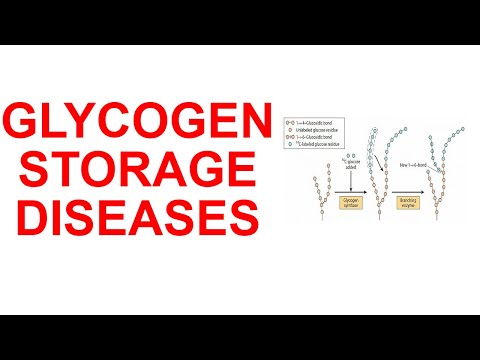
Diagnosis: How Glycogen Storage Disease is Confirmed
Diagnosing glycogen storage disease in dogs requires a systematic approach, as several common conditions can produce similar symptoms:
- Blood glucose monitoring: Checking blood glucose during or shortly after an episode of weakness or collapse is a critical first step. A confirmed very low blood sugar reading during an episode significantly narrows the differential diagnosis and points toward a metabolic cause.
- Liver function tests and blood work: Elevated liver enzymes, abnormal liver size on palpation or imaging, and changes in red blood cell morphology may all point toward a glycogen storage disorder.
- Ultrasound: Abdominal ultrasound can assess liver size and texture, revealing the characteristic glycogen accumulation that appears as an abnormally bright or enlarged liver.
- Liver or muscle biopsy: Tissue biopsy with microscopic examination and special staining to identify glycogen accumulation is one of the more definitive diagnostic approaches available in routine clinical practice.
- Genetic testing: For breeds with known mutations, DNA testing can confirm the specific type of glycogen storage disease. This is available through specialist veterinary diagnostic laboratories and may require referral.
Diagnosis may require more than one veterinary visit and potentially a referral to a specialist or a veterinary teaching hospital for access to specific tests. Your vet will guide the process and explain what each test is looking for.
Treatment and Management of Glycogen Storage Disease in Dogs
There is no curative treatment for glycogen storage disease in dogs. Management focuses on maintaining stable blood glucose levels, minimising the frequency and severity of hypoglycaemic episodes, and supporting the overall health of the affected organs.
- Frequent small meals: This is the cornerstone of management for types causing hypoglycaemia. Feeding every three to four hours throughout the day and providing a small meal just before bedtime reduces the duration of fasting periods during which blood glucose can drop. Consistency in feeding times is important.
- Dietary composition: A diet with a moderate to high proportion of complex carbohydrates that release glucose slowly and steadily helps maintain more stable blood sugar levels between meals. Your vet or a veterinary nutritionist can advise on the most appropriate diet for your dog’s specific type of glycogen storage disease.
- Emergency glucose management: For dogs at risk of hypoglycaemic episodes, having corn syrup, glucose gel, or a similar fast-acting glucose source available at home is important. Your vet will advise on when and how to use these safely if an episode occurs.
- Supportive medications: In some cases, medications to help stabilise blood glucose or support liver function may be prescribed alongside dietary management.
- Exercise management: For types affecting muscle function and exercise tolerance, activity should be kept gentle and consistent rather than intense or irregular, to avoid triggering episodes of weakness or collapse.
Diet and Feeding Management
Practical feeding management for a dog with glycogen storage disease requires some adjustment to the normal routine but becomes manageable with consistency:
- Divide the daily food allowance into four to six small meals rather than one or two large ones
- For home-prepared meals, plain boiled chicken with white rice or a vet-recommended commercial diet is a practical starting point keep ingredients consistent and avoid oily or spiced additions
- Never allow extended fasting periods, even overnight, a small late-night meal and an early morning meal help bridge the overnight gap
- Keep a fast-acting glucose source accessible at all times and learn to recognise the early signs of an episode so you can intervene quickly
- Any dietary changes should be discussed with your vet first, as some changes can worsen the condition in specific types of glycogen storage disease
Related Products

Prognosis and Quality of Life
The prognosis for glycogen storage disease in dogs varies significantly depending on the type and severity. Some types are compatible with a reasonable quality of life for an extended period when well managed. Others, particularly those involving cardiac or severe neurological involvement, have a more limited outlook.
Dogs with well-managed hypoglycaemia-predominant disease, fed consistently and monitored carefully, can live comfortably for several years. The focus of care is maintaining stable blood glucose, preventing episodes, and preserving muscle strength and organ function for as long as possible.
Quality of life should always be the central consideration. A dog that is alert, eating with interest, and engaged with their environment is doing well even if they need significant management. Honest conversations with your vet about what is achievable for your dog’s specific type are the most important part of long-term planning.
Practical Care Tips for Indian Pet Parents
Managing a dog with glycogen storage disease in India comes with some practical realities:
- Genetic testing for specific GSD types may require samples to be sent to international reference laboratories. Your vet can advise on whether this is accessible and appropriate for your dog’s situation.
- Maintaining a consistent feeding schedule requires commitment from everyone in the household. Explaining the importance of timing to family members prevents accidental gaps in feeding.
- Keep glucose gel or corn syrup in a clearly accessible location and ensure all family members know how to use it if your dog has an episode when you are not present.
- Regular veterinary monitoring, including periodic blood glucose checks and liver function assessment, allows early identification of any deterioration and adjustment of the management plan.















