An aortic blood clot in dogs, known medically as aortic thromboembolism (ATE) or aortic thrombosis (AT), is a serious condition in which a blood clot forms within or travels to lodge in the aorta, the body’s largest artery, and partially or completely blocks blood flow to the tissues it supplies. The most common clinical signs of aortic thromboembolism are sudden paralysis and pain, usually in the rear legs, although weakness and lameness may be seen. While this condition is more frequently seen in cats, it does occur in dogs, and when it does, it demands prompt and informed veterinary care. Understanding what an aortic blood clot is, what causes it, and what to watch for is an important part of being a prepared and attentive pet parent.
What Is an Aortic Blood Clot in Dogs?
The aorta is the main artery of the body. It exits from the left ventricle of the heart and carries oxygenated blood to virtually every organ and tissue in the body, including the kidneys, intestines, spinal cord, and hind limbs. Aortic thromboembolism results when a blood clot is dislodged and travels through the aorta, becoming lodged in a distant location. This clot causes severely reduced blood flow to the tissues receiving blood from that section of the aorta, leading to decreased oxygen in those tissues.
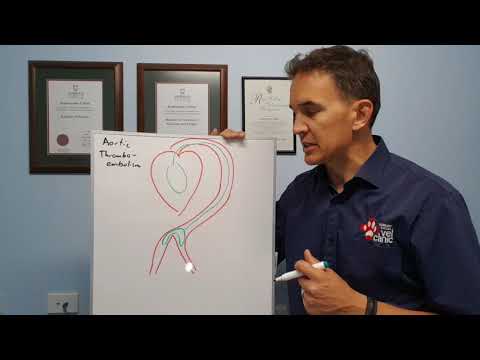
Blood clots often get lodged toward the end of the aorta where it divides into three vessels. This decreases or eliminates the flow of blood to the legs, which can cause lameness, pain, and paralysis in the back legs. When a clot lodges at this junction, it is sometimes called a saddle thrombus because of where it sits, straddling the branching point of the aorta.
An important distinction in dogs: in dogs, aortic thrombosis often has a more chronic or insidious onset of clinical signs related to pelvic limb dysfunction, ranging from weeks to months, unlike the sudden, acute presentation more commonly seen in cats. This means the condition in dogs can sometimes be underdiagnosed because gradual hind limb weakness may initially be attributed to orthopaedic or neurological causes.
How a Blood Clot Affects a Dog’s Circulation
When a clot obstructs the aorta, the tissues served by the blocked segment are deprived of oxygenated blood. Without adequate oxygen, muscle and nerve tissue begin to suffer. The result is pulselessness (no femoral pulse), pallor (pale or purple foot pads), and initially extreme pain. The gastrocnemius muscles tend to be very firm.
The degree of impact depends on the size of the clot and how completely it blocks blood flow. A clot that only partially obstructs the aorta may allow some reduced blood flow to reach the hind limbs, producing weakness rather than complete paralysis. A clot that fully occludes the aorta at the hind limb junction produces sudden, complete loss of function in the rear legs.
In some dogs, particularly those with chronic, slower-forming thrombi, collateral blood vessels may partially compensate for the reduced flow, which is why some affected dogs remain ambulatory despite significant aortic narrowing.
Symptoms of an Aortic Blood Clot in Dogs
The symptoms of an aortic blood clot in dogs can appear suddenly or develop gradually over days to weeks. Recognising these signs and acting quickly is critically important:
- Sudden weakness, paralysis, or dragging of one or both hind legs
- Severe pain in the hind limbs, often causing vocalisation or distress
- Cold paws or hind limbs compared to the rest of the body
- Absence or weakness of femoral pulses (felt in the groin area)
- Pale, purple, or bluish-tinged paw pads
- Rapid or laboured breathing
- Collapse or extreme lethargy
- Difficulty urinating due to hind limb and abdominal muscle involvement
- Gradual, progressive reduction in hind limb strength or coordination over weeks (in chronic cases)
If your dog shows sudden hind limb weakness or paralysis combined with pain and cold extremities, this is a veterinary emergency and requires immediate assessment. Do not wait to see if the symptoms resolve on their own.
Related Videos


Causes of Aortic Blood Clots in Dogs
Aortic blood clots in dogs rarely arise without an underlying contributing condition. Aortic thromboembolism can be associated with several problems, such as endocarditis (inflammation of the valves of the heart), sepsis (a body-wide generalised infection), and hyperadrenocorticism (increased levels of steroids). Known contributing causes include:
- Heart disease: Cardiac conditions that disrupt blood flow or alter the internal environment of the heart can promote clot formation. Cardiac disease can disrupt blood flow due to venous congestion, and arrhythmias will cause abnormal intracardiac blood flow, which can precipitate thrombus formation.
- Protein-losing nephropathy or enteropathy: Loss of natural anticoagulant proteins through the kidneys or intestinal tract creates a pro-clotting state in the blood.
- Hyperadrenocorticism (Cushing’s disease): Hyperadrenocorticism is proposed to cause thrombosis due to increased levels of clotting factors in the blood, loss of antithrombin III, and an increase in plasminogen activator inhibitor.
- Immune-mediated haemolytic anaemia (IMHA): Up to 80 percent of cases with IMHA have thromboembolic disease due to a number of factors, including hypoalbuminaemia, thrombocytopenia, and use of corticosteroids.
- Hypothyroidism: Associated with atherosclerotic changes that increase the risk of thrombosis.
- Neoplasia: Tumours can trigger abnormal clotting as part of a paraneoplastic process.
- Cryptogenic (no identifiable cause): In some dogs, no concurrent conditions are found at the time of diagnosis despite thorough diagnostic testing.
Dogs More at Risk of Aortic Blood Clots
This disorder is more common in male animals than female, with possible breed predisposition in Greyhounds, Soft-coated Wheaten Terriers, and Cavalier King Charles Spaniels. Older dogs with chronic systemic illness have the highest prevalence of underlying conditions that lead to thrombosis.
Dogs with any of the underlying conditions listed above, particularly those with known protein-losing diseases, hyperadrenocorticism, or cardiac disease, should be monitored closely for early signs of hind limb changes that could indicate developing aortic thrombus.
How Veterinarians Diagnose Aortic Blood Clots in Dogs
Diagnosis requires a combination of clinical assessment and imaging:
1. Physical Examination: Careful assessment of femoral pulse strength in both hind limbs is a critical first step. Absent or weakened femoral pulses alongside hind limb weakness strongly suggest aortic obstruction. Limb temperature, paw pad colour, and muscle firmness are also assessed.
2. Abdominal Ultrasound and Doppler Imaging: Ultrasonography can be used to identify the thromboembolism in the terminal aorta, and Doppler blood flow readings of the hind limbs confirm reduced or absent flow through the affected vessels.
3. Echocardiography: Echocardiography will confirm an abnormal enlarging of the heart, which is a common cause for aortic thromboembolism. It also assesses cardiac structure, function, and the presence of any intracardiac thrombus.
4. Blood Tests: Plasma D-dimers can be measured and are usually elevated in dogs with thromboembolic disease. D-dimers form from the breakdown of a stabilised clot and are only seen with active coagulation and fibrinolysis. Coagulation profiles, creatine kinase (reflecting muscle damage), and a full biochemistry panel are all part of the standard workup.
5. Chest X-Rays: Chest X-rays commonly show an abnormal enlargement of the heart and a collection of fluid within the lungs and in the pleural cavity.
6. Urine Analysis: Urinalysis and urine protein-to-creatinine ratio assess for protein-losing nephropathy as a potential underlying cause.
Treatment Options for Aortic Blood Clots in Dogs
Most dogs with this condition require immediate intensive care and hospitalisation to prevent complete heart failure. Hospitalisation is also necessary to minimise the stress and pain associated with this disease. Treatment may include:
1. Pain Management: Effective analgesia is a priority. Dogs with aortic blood clots are in significant pain and distress, and pain control is initiated alongside all other treatments.
2. Antiplatelet and Anticoagulant Therapy: Aspirin, and a similar drug called clopidogrel, is theoretically beneficial during and after an episode of aortic thromboembolism but should be used only under the direct supervision of your veterinarian. These drugs prevent platelets from activating to clump together and form a clot. Warfarin and heparin are also used in selected cases under close monitoring.
3. Treatment of Underlying Disease: Addressing the condition that predisposed the dog to clot formation is essential to prevent recurrence. Without treating the underlying cause, further clot events are highly likely.
4. Oxygen Therapy: Dogs with breathing problems require oxygen therapy to reduce the stress of rapid breathing and to allow achieving required levels of oxygen in the blood.
5. Surgical Clot Removal: Dogs that do not respond to conventional treatment may require surgery to remove the blood clot, though this is a high-risk procedure and not suitable for all patients.
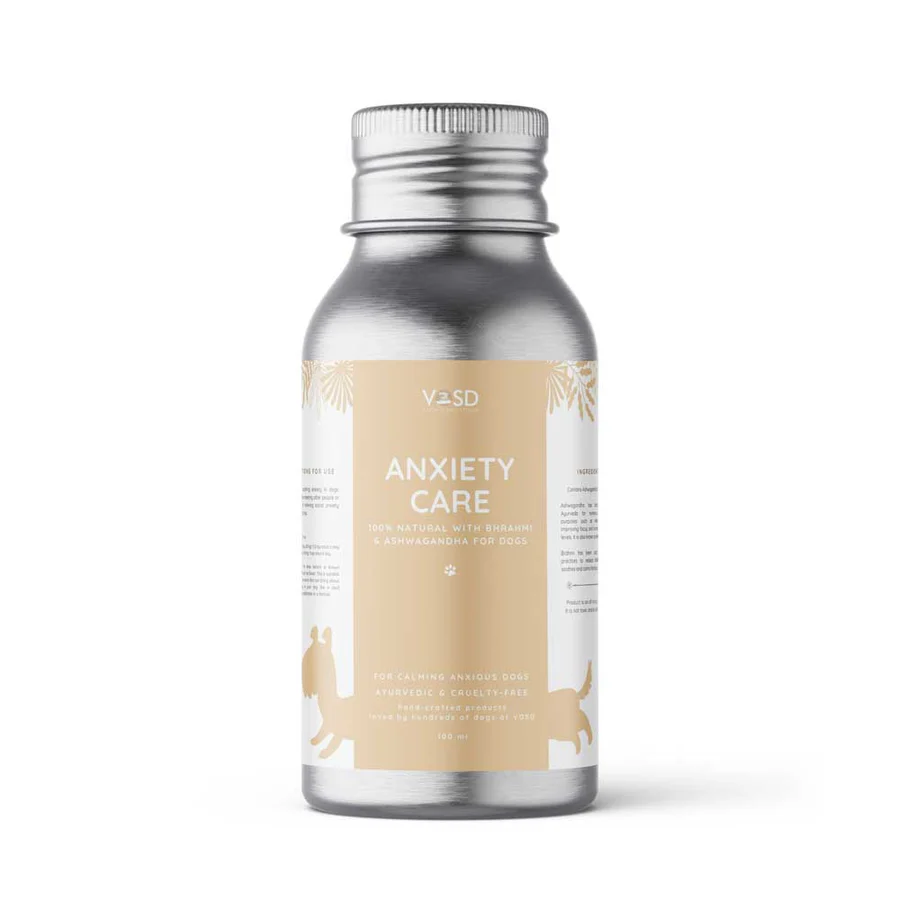
Dogs recovering from an aortic blood clot experience significant stress and anxiety from pain, restricted movement, and hospitalisation. Dogs recovering from aortic thromboembolism should be placed in a stress-free environment, away from other pets and active children. VOSD Anxiety Care is gently formulated to support dogs experiencing stress and unsettled behaviour during difficult recovery periods. Always consult your vet before introducing any supplement alongside anticoagulant medications, as interactions must be carefully assessed.
Related Products
Prognosis and Long-Term Outlook
The prognosis for an aortic blood clot in dogs is variable and depends heavily on the severity of the clot, how quickly treatment is initiated, and the nature of any underlying disease:
| Presentation | Typical Outlook |
|---|---|
| Chronic, partial obstruction with ambulatory dog | More favourable — many dogs improve with anticoagulant therapy and treatment of underlying disease |
| Acute complete obstruction with paralysis | Guarded to poor — intensive care required; euthanasia may be considered on humane grounds |
| Identified underlying disease (treatable) | Better if underlying cause is successfully managed and recurrence prevented |
| Cryptogenic (no underlying cause found) | Reasonable recovery rate with anticoagulant therapy in ambulatory dogs |
Ambulatory function improved in all dogs treated with a standard warfarin protocol in one published case series, offering genuine encouragement for dogs whose condition is identified and treated appropriately before complete limb paralysis develops.
Caring for a Dog Recovering From a Blood Clot
- Give all medications consistently and on schedule: Antiplatelet and anticoagulant medications require daily dosing without gaps. Frequent blood monitoring is necessary to ensure safe and effective drug levels.
- Monitor limb temperature and mobility daily: Check that your dog’s paws remain warm and that any recovered limb function is maintained. Report any sudden changes immediately.
- Assist with urination if needed: Many dogs find it difficult to urinate due to problems with their posture. You may need to gently press your dog’s bladder to assist in urination, under veterinary guidance.
- Keep activity gentle and controlled: Avoid situations that cause excitement or exertion during recovery. Short, calm, supported walks are generally appropriate once ambulatory function begins to return.
- Attend all follow-up appointments: Regular ultrasound monitoring tracks clot resolution and detects any recurrence early.
When Should Pet Parents Seek Veterinary Care?
Go directly to a veterinary emergency clinic if your dog shows any of the following:
- Sudden inability to use one or both hind legs
- Severe pain, crying out, or extreme restlessness
- Cold paws or hind limbs, or pale, purple, or blue paw pads
- Rapid or laboured breathing alongside hind limb weakness
- Collapse or inability to stand
An aortic blood clot in dogs is one of the more serious cardiac and vascular emergencies in veterinary medicine. Swift action significantly affects what is achievable. Do not wait and observe at home if these signs appear.
Blood Clots in Rescue Dogs: Managing Long-Term Care
In rescue settings, dogs with chronic or undiagnosed aortic thrombus occasionally present with progressive hind limb weakness that has been developing for weeks. These dogs often benefit significantly from a full diagnostic workup identifying an underlying and treatable cause. With appropriate anticoagulant therapy and management of the primary condition, many ambulatory rescue dogs with aortic thrombosis improve meaningfully and continue to live comfortable lives under structured care.