

Heart block in dogs is a serious cardiac condition in which the electrical signals that coordinate the heartbeat are disrupted, causing the heart to beat far too slowly to support normal body function. When a dog is diagnosed with complete heart block, also known as third-degree atrioventricular (AV) block, the upper and lower chambers of the heart beat independently of each other with no coordinated communication between them. This results in a significantly reduced heart rate and inadequate blood flow to the brain, muscles, and organs.
While this may sound alarming, it is important to know that heart block in dogs can be managed with veterinary care, and many dogs that receive appropriate treatment go on to live with a notably improved quality of life. Early recognition of symptoms and prompt veterinary evaluation are the most important steps any pet parent can take.
What Is Complete Heart Block in Dogs?
To understand heart block in dogs, it helps to know a little about how the heart’s electrical system works. The heart has its own internal electrical pathway that generates and transmits impulses to make the heart muscle contract in a coordinated rhythm. These impulses begin in the upper chambers of the heart (the atria) and travel through a specialised relay point called the atrioventricular (AV) node before reaching the lower chambers (the ventricles), causing them to contract and pump blood through the body.
In complete heart block, this relay point fails entirely. Electrical signals from the atria are completely blocked and never reach the ventricles. As a result, the ventricles generate their own slow, independent rhythm that is far too sluggish to maintain adequate circulation. This condition is classified as third-degree AV block, distinguishing it from first-degree and second-degree blocks where the conduction is slowed or intermittently interrupted rather than completely absent.
Heart block in dogs is a condition that requires veterinary diagnosis and management. It does not resolve on its own and can deteriorate without appropriate care.
How Complete Heart Block Affects the Body
When the heart beats too slowly, it cannot pump enough blood to meet the body’s demands. The brain, muscles, and vital organs all depend on a steady and adequate supply of oxygenated blood. With heart block in dogs, this supply is compromised in several important ways:
- Reduced blood flow to the brain causes weakness, disorientation, and fainting episodes.
- Insufficient circulation to the muscles causes exercise intolerance and rapid fatigue.
- The heart may attempt to compensate, but at the abnormally slow ventricular rate seen in complete heart block, this compensation is insufficient.
- In some cases, the reduced output can lead to fluid accumulation, breathing difficulties, or organ strain over time.
The severity of symptoms depends on how slow the ventricular rate is and how well the individual dog’s body is compensating at any given time. Some dogs show gradual onset of symptoms while others deteriorate more suddenly.
Symptoms of Complete Heart Block in Dogs
The symptoms of heart block in dogs arise directly from the heart’s inability to pump blood efficiently. Pet parents most commonly notice the following signs:
- Sudden fainting or collapse, sometimes triggered by excitement or exercise (this is called syncope)
- Unusual weakness or wobbliness, particularly in the hind legs
- Significant exercise intolerance, tiring very quickly on walks or with minimal activity
- Persistent lethargy and reduced interest in normal daily activities
- A visibly slow or irregular pulse when felt at the chest or inner thigh
- Laboured breathing or increased respiratory effort, particularly after minimal exertion
- Pale or greyish gums, which indicate reduced circulation
- Disorientation or apparent confusion following a fainting episode
Fainting in a dog, especially if it occurs more than once, is always a reason to seek veterinary evaluation promptly. While fainting can result from several different conditions, heart block in dogs is a serious possibility that must be investigated without delay when this symptom is present.
Related Videos



Causes and Risk Factors
Complete heart block in dogs can develop from a number of underlying causes. In some cases a clear cause is identified, while in others the condition arises without a specific trigger:
- Age-related degeneration: Fibrosis or degeneration of the AV node and surrounding conduction tissue is the most common cause in older dogs, occurring as part of the natural ageing process of cardiac tissue.
- Inflammatory heart disease (myocarditis): Infection or inflammation affecting the heart muscle can damage the conduction system and precipitate heart block.
- Underlying structural heart disease: Conditions affecting the heart’s anatomy, including cardiomyopathy, can interfere with normal conduction pathways.
- Congenital defects: Some dogs are born with abnormalities in their cardiac conduction system that predispose them to developing heart block.
- Medication effects: Certain medications, including some drugs used to treat heart arrhythmias, can affect AV node function.
- Idiopathic causes: In a proportion of dogs, no specific underlying cause can be identified despite thorough investigation.
Heart block in dogs is not caused by lifestyle factors or anything a pet parent has or has not done. It is a condition arising from changes within the heart’s own tissue and electrical structures.
How Veterinarians Diagnose Heart Block in Dogs
Because the symptoms of heart block overlap with those of several other cardiac and non-cardiac conditions, a specific diagnostic process is needed to confirm the diagnosis. This typically involves:
- Physical examination: The veterinarian will listen to the heart and assess heart rate, rhythm, and pulse quality. An abnormally slow and irregular heart rate during examination is a significant early indicator of heart block in dogs.
- Electrocardiogram (ECG): This is the definitive diagnostic test for heart block. An ECG records the electrical activity of the heart and clearly shows the absence of coordinated conduction between the atria and ventricles that characterises complete heart block. ECG can be performed quickly in a clinic setting.
- Echocardiography (heart ultrasound): An ultrasound examination of the heart evaluates the structure and function of the heart muscle, assesses for underlying structural disease, and helps determine the overall health of the cardiac chambers and valves.
- Blood tests: A full blood count and biochemistry panel assess general organ function, check for underlying infections or metabolic conditions, and provide important information ahead of any planned anaesthetic or surgical procedure.
- Holter monitoring: In some cases, a portable ECG device worn by the dog over 24 to 48 hours provides continuous heart rhythm recording, which can capture intermittent conduction problems that might not be present during a brief clinic visit.
Treatment Options for Heart Block in Dogs
Treatment for heart block in dogs depends on the severity of the condition, the dog’s symptoms, and their overall health status. The following approaches are used:
- Pacemaker implantation: This is the most effective long-term treatment for complete heart block in dogs. A small electronic device is surgically implanted, typically with a lead placed into the heart through a blood vessel. The pacemaker delivers regular electrical impulses to maintain a safe and appropriate heart rate. Dogs that receive pacemakers commonly show rapid and significant improvement in their activity levels, energy, and quality of life. Pacemaker implantation is available at specialist veterinary cardiology centres.
- Medical management: Certain medications can provide some short-term support for heart rate in dogs with heart block, particularly as a temporary measure while pacemaker implantation is being arranged. However, medication alone is not a reliable long-term solution for complete heart block.
- Treatment of underlying causes: Where heart block has been triggered by an identifiable condition such as infection or medication effects, treating the underlying cause may improve conduction in some cases, though this does not apply to all forms of the condition.
- Supportive care: For dogs in whom pacemaker implantation is not possible due to age, concurrent illness, or other factors, supportive care focused on maintaining comfort, limiting exertion, and monitoring for deterioration is the appropriate approach.
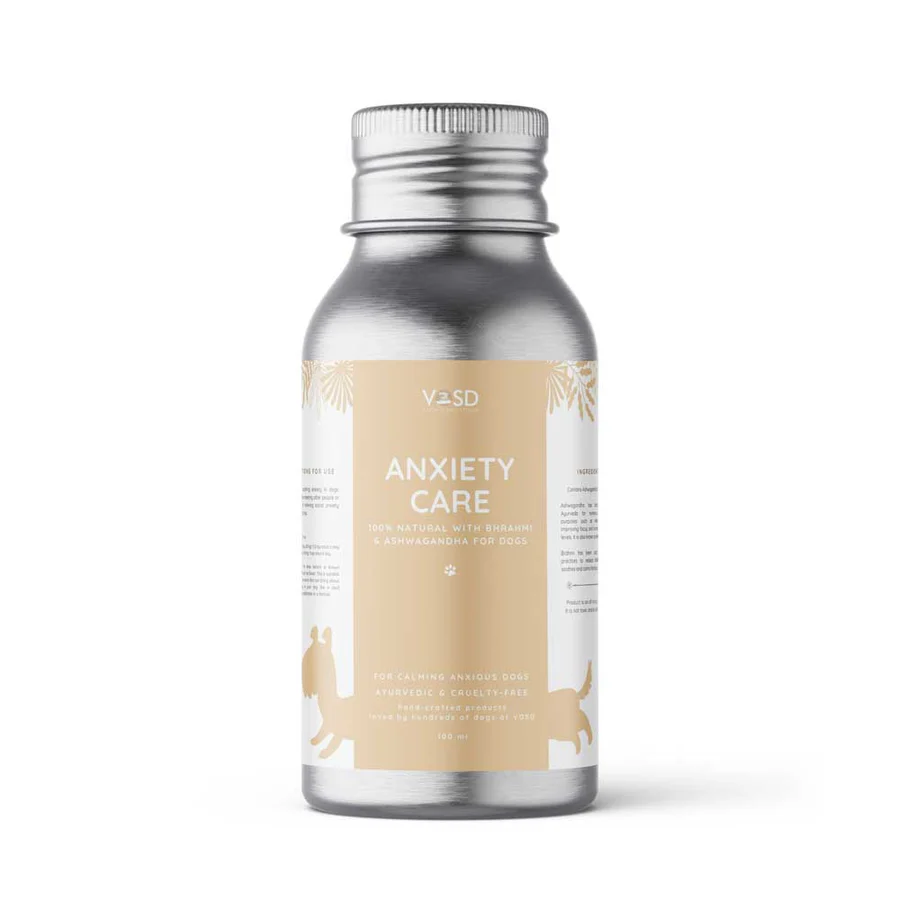
Dogs managing heart block in dogs, particularly those recovering from pacemaker surgery or adjusting to a new restricted activity routine, can experience significant anxiety and unsettled behaviour. A calm, consistent home environment is an important part of their overall care. VOSD Anxiety Care is gently formulated to support dogs experiencing stress during difficult periods. Always consult your veterinarian before introducing any supplement alongside cardiac treatment.
Related Products
Prognosis and Long-Term Care
The prognosis for heart block in dogs varies depending on the severity of the condition and whether pacemaker implantation is pursued. Dogs that receive a pacemaker and have no other significant concurrent disease often experience a dramatic improvement in symptoms and can maintain a good quality of life for an extended period. Regular follow-up appointments with a veterinary cardiologist are important to monitor pacemaker function and assess the dog’s cardiac status over time.
Dogs managed without a pacemaker, either due to mild symptoms or because surgery is not a suitable option, require careful monitoring. Any deterioration in symptoms, including more frequent fainting, increasing lethargy, or worsening breathing, should be reported to the veterinarian promptly so that the management plan can be adjusted.
Long-term care for all dogs with heart block includes activity restriction to avoid triggering episodes, consistent medication schedules where drugs have been prescribed, and regular cardiac assessments including repeat ECG and echocardiography.
When to Seek Veterinary Help
Contact your veterinarian promptly, or go directly to an emergency clinic, if your dog experiences any of the following:
- A fainting or collapse episode, even if the dog appears to recover quickly
- Sudden and significant weakness or inability to stand
- Pale, grey, or bluish gums
- Laboured breathing at rest
- A visibly slow pulse or an irregular heartbeat you can feel at the chest
A single fainting episode in a dog should never be dismissed as a minor event. Heart block in dogs can cause sudden and significant deterioration, and early veterinary assessment is essential to confirm the diagnosis and begin appropriate management before symptoms worsen.
Prevention and Monitoring
Complete heart block in dogs cannot be reliably prevented, as it most commonly arises from age-related changes to cardiac tissue that are a natural part of the ageing process. However, routine veterinary health checks in older dogs, including chest auscultation and periodic ECG monitoring where indicated, allow cardiac abnormalities to be detected at an earlier stage when management options are at their most effective.
For dogs with a known history of heart disease or those belonging to breeds with a documented predisposition to cardiac conditions, regular cardiac screening with a veterinarian or veterinary cardiologist is a sensible and valuable investment in long-term health.
Heart Block in Rescue and Community Dogs
Rescue organisations and animal welfare workers in India sometimes encounter dogs with undiagnosed heart conditions, including heart block, that have been managing symptomatic episodes such as fainting or weakness without appropriate veterinary care. In these dogs, a thorough cardiac workup upon rescue or intake can identify conditions that are genuinely manageable with treatment.
While pacemaker implantation may not always be accessible for every dog in a rescue setting, accurate diagnosis, appropriate medication, and compassionate monitoring ensure that dogs with heart block receive the care and dignity they deserve, even within the practical constraints of welfare work.
Summary
Heart block in dogs is a serious but manageable cardiac condition. Understanding what it is, recognising the symptoms, and seeking prompt veterinary evaluation are the most important steps a pet parent can take. With modern veterinary cardiology, including pacemaker technology, many dogs diagnosed with complete heart block go on to live with significantly improved comfort and activity. If your dog is experiencing fainting, unexplained weakness, or exercise intolerance, please do not wait. Heart block in dogs responds best to treatment that begins early, and a veterinary assessment is always the right first step for any dog showing signs of cardiac difficulty.















