
Sick sinus syndrome in dogs is a cardiac condition in which the sinus node, the heart’s natural electrical pacemaker, fails to function reliably. The result is a heart rhythm that may be abnormally slow, punctuated by prolonged pauses, or alternate between slow periods and bursts of rapid rhythm. Dogs with sick sinus syndrome may show no signs between episodes, making the condition difficult to detect without targeted testing. When it does produce symptoms, fainting or sudden weakness is often the most noticeable sign. The encouraging reality is that sick sinus syndrome in dogs is a well-characterised and treatable condition, and many dogs achieve an excellent quality of life with appropriate management.
What Is Sinus Node Disease in Dogs?
The sinus node is a small cluster of specialised cells located in the right atrium of the heart. It functions as the heart’s natural pacemaker, generating regular electrical impulses that initiate each heartbeat. These impulses travel through the atria, pass through the atrioventricular (AV) node, and spread through the ventricles, producing the coordinated contraction that pumps blood around the body.
In sick sinus syndrome, the sinus node becomes unreliable. It may fire too slowly (sinus bradycardia), fail to fire at all for a period (sinus arrest or sinoatrial block), or alternate between slow periods and bursts of rapid atrial rhythm (known as bradycardia-tachycardia syndrome). During the pauses, if no escape rhythm from a lower pacemaker centre emerges quickly enough, the dog experiences a brief but significant drop in cardiac output that may cause weakness or fainting.
Sick sinus syndrome is most commonly an acquired condition in dogs, reflecting progressive degeneration or fibrosis of the sinus node tissue over time. It is distinct from other causes of slow heart rate, such as high vagal tone or drug-induced bradycardia, and requires specific diagnosis and management.
How the Sinus Node Controls a Dog’s Heartbeat
Understanding how the sinus node normally functions helps explain why its dysfunction has the effects it does. Under normal circumstances, the sinus node fires between 60 and 140 times per minute in a resting dog, depending on size, age, and level of relaxation. When the dog exercises or becomes excited, the sympathetic nervous system accelerates the sinus node’s firing rate, increasing heart rate and cardiac output to match demand. When the dog rests, the vagus nerve slows the rate appropriately.
In sick sinus syndrome, this normal regulation breaks down. The sinus node either degenerates structurally, losing the specialised cells that generate reliable impulses, or becomes excessively sensitive to vagal inhibition, or both. The heart’s escape pacemakers (lower centres that can generate impulses when the sinus node fails) may also be slow to respond, which is why pauses can be prolonged enough to cause symptoms before a rescue rhythm takes over.
Symptoms of Sick Sinus Syndrome in Dogs
The clinical presentation of sick sinus syndrome in dogs is highly variable and depends on how often pauses occur and how long they last. Common signs include:
- Fainting (syncope), which may be the first and most striking sign observed by the pet parent. Episodes are often brief and the dog recovers quickly, which can lead pet parents to initially dismiss them.
- Sudden weakness or collapse during activity or even at rest
- Brief episodes of disorientation or apparent confusion, particularly immediately after a pause-related fainting event
- Exercise intolerance, tiring more quickly than expected on walks
- A noticeably slow heart rate at rest, detectable when you rest your hand on your dog’s chest
- Lethargy and reduced engagement with normal daily activities
- In dogs with the bradycardia-tachycardia form, occasional episodes of rapid, uncomfortable palpitations may alternate with the slow periods
Between episodes, many dogs with sick sinus syndrome appear entirely normal. This intermittent pattern means that a standard brief clinic ECG may capture nothing abnormal, and a Holter monitor worn over 24 hours is often needed to detect the diagnostic pauses. Any dog that experiences even a single unexplained fainting episode deserves prompt veterinary cardiac evaluation.
Related Videos





Causes of Sinus Node Disease in Dogs
Sick sinus syndrome in dogs is most commonly associated with the following:
- Age-related sinus node degeneration: Progressive fibrosis and loss of the specialised pacemaker cells within the sinus node is the most common mechanism, particularly in older dogs of predisposed breeds. This is a degenerative process that develops over years rather than appearing suddenly.
- Breed predisposition: Miniature Schnauzers are by far the most commonly affected breed, with a well-documented heritable predisposition to sick sinus syndrome. West Highland White Terriers, Cocker Spaniels, Pugs, and Dachshunds are also reported to have higher rates than the general dog population. The condition is most commonly diagnosed in middle-aged to older female Miniature Schnauzers.
- Underlying cardiac disease: Structural heart disease can affect the sinus node and surrounding atrial tissue, predisposing to sinus node dysfunction as a secondary complication.
- Infiltrative disease: Tumours or inflammatory conditions affecting the right atrium can damage the sinus node directly.
- Idiopathic causes: In some dogs, no specific underlying cause is identified despite thorough investigation. These cases are managed based on clinical severity.
Diagnosing Sick Sinus Syndrome in Dogs
Because sick sinus syndrome produces intermittent rhythm abnormalities, diagnosis requires a targeted approach:
1. Physical Examination and Auscultation: The vet will assess heart rate and rhythm, check pulse quality, and evaluate gum colour. In some dogs, an irregular rhythm, pauses, or an abnormally slow rate may be detected during auscultation, providing an early clinical clue.
2. Electrocardiogram (ECG): If the dog is showing active signs or if an abnormal rhythm is detected during auscultation, an in-clinic ECG is performed. The characteristic ECG findings of sick sinus syndrome include sinus bradycardia, sinus pauses, sinoatrial block, or the bradycardia-tachycardia pattern. However, a normal in-clinic ECG does not rule out sick sinus syndrome if the dog is between episodes.
3. Holter Monitor: A 24-hour ambulatory ECG (Holter monitor) worn by the dog during normal daily activities and sleep is the single most important diagnostic tool for sick sinus syndrome. It records the cardiac rhythm continuously, capturing pauses and rhythm changes that occur throughout the day and night, including during the types of activity or rest that typically trigger episodes. The frequency, duration, and character of pauses recorded on the Holter monitor guide the decision about whether and when treatment is needed.
4. Echocardiography: An echocardiogram assesses heart structure and function, helping to identify or exclude underlying structural cardiac disease as a contributing cause.
5. Blood Tests: Thyroid function, electrolytes, kidney function, and adrenal function are assessed to identify or exclude reversible metabolic causes of sinus node dysfunction, such as hypothyroidism or Addison’s disease.
6. Atropine Response Test: In some cases, the vet may administer atropine (a drug that blocks vagal tone) and measure whether the heart rate accelerates in response. A poor response to atropine, where the heart rate fails to increase as expected, supports a diagnosis of intrinsic sinus node disease rather than purely vagally mediated bradycardia.
Treatment Options for Sick Sinus Syndrome in Dogs
Treatment depends on the frequency and severity of symptoms and the findings on Holter monitoring:
1. Monitoring without treatment: Dogs with infrequent, brief pauses and no clinical signs may initially be monitored with periodic Holter rechecks rather than active treatment. The decision to begin treatment is guided by the frequency of pauses, their duration, and whether the dog is experiencing fainting or significant weakness.
2. Medical management: Drugs such as theophylline or terbutaline may be used to increase the heart rate and reduce the frequency of pauses in dogs with mild to moderate sick sinus syndrome. These medications have a limited and variable effectiveness compared with pacemaker therapy, but may provide useful interim management.
3. Pacemaker implantation: For dogs with frequent fainting episodes, prolonged pauses on Holter monitoring, or inadequate response to medication, permanent pacemaker implantation is the most effective and durable treatment for sick sinus syndrome. The pacemaker delivers a regular electrical impulse to the ventricles whenever the sinus node fails to fire within the programmed interval, preventing pauses and eliminating the risk of fainting. Published veterinary studies consistently report excellent clinical outcomes in dogs with sick sinus syndrome treated with pacemakers, with most dogs showing complete or near-complete resolution of fainting episodes and a return to normal activity levels.
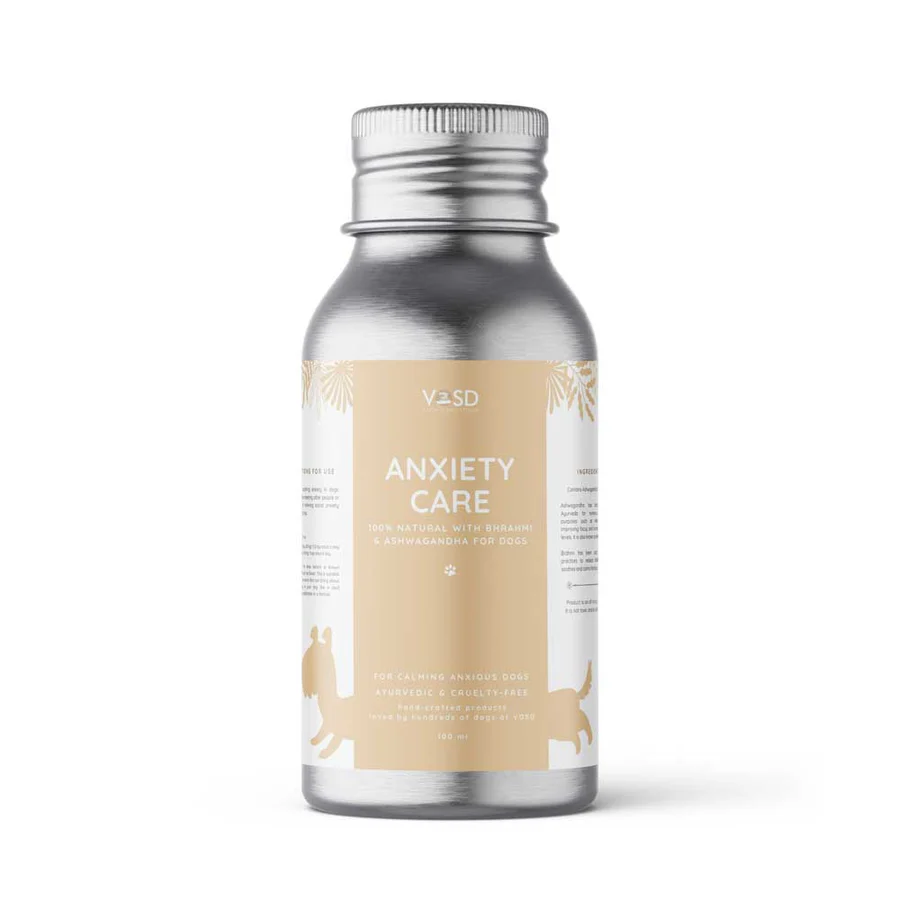
Dogs with sick sinus syndrome, particularly those experiencing repeated fainting episodes and multiple veterinary assessments, often develop anxiety around unfamiliar situations and clinic environments. Maintaining a calm, predictable home routine provides meaningful support between appointments. VOSD Anxiety Care is gently formulated to support dogs experiencing stress and unsettled behaviour. Always consult your vet before introducing any supplement alongside cardiac medications, as interactions must be carefully assessed.
Related Products
Prognosis for Dogs with Sick Sinus Syndrome
The prognosis for sick sinus syndrome in dogs is generally good to excellent, particularly when the condition is identified and treated appropriately:
- Dogs with mild sick sinus syndrome managed with monitoring and medication may remain stable for extended periods, though the condition tends to be progressive over time.
- Dogs treated with permanent pacemaker implantation typically show a dramatic improvement in quality of life. Most experience complete or near-complete resolution of fainting episodes and return to normal activity levels within weeks of the procedure. Published survival data for pacemaker-treated dogs with sick sinus syndrome are encouraging, with many dogs living for years following implantation.
- Dogs with the bradycardia-tachycardia variant may require additional anti-arrhythmic medications to manage the rapid rhythm component alongside the pacemaker.
Living with a Dog Diagnosed with Sick Sinus Syndrome
- Keep a fainting diary: Record every episode of weakness, fainting, or collapse with the date, time, what your dog was doing, how long it lasted, and how quickly they recovered. This information is invaluable for your vet when deciding on treatment.
- Avoid situations that trigger episodes: Some dogs have episodes more frequently during excitement, activity, or gastrointestinal disturbance. Identifying and avoiding triggers reduces episode frequency while treatment is being established.
- Give all medications consistently: If your dog is on medication for sick sinus syndrome or a concurrent condition, consistent dosing at the same time each day is essential.
- Attend all Holter and follow-up appointments: Periodic Holter monitoring tracks whether the frequency or severity of pauses is changing and guides the timing of pacemaker implantation when needed.
- Know your emergency plan: Discuss with your vet in advance what to do if your dog has a prolonged collapse or does not recover normally from a fainting episode.
When Should Pet Parents Seek Veterinary Attention?
Contact your veterinarian promptly, or go directly to an emergency clinic, if your dog shows any of the following:
- Any episode of fainting or collapse, regardless of how quickly the dog recovers
- Repeated episodes of brief weakness or stumbling that resolve on their own
- A prolonged collapse from which the dog does not recover within 30 to 60 seconds
- Pale, grey, or bluish gums at any time
- A noticeably and persistently slow heart rate
Sick sinus syndrome in dogs is a condition where the timing of diagnosis and the quality of monitoring genuinely affect outcomes. Dogs that receive a Holter monitor assessment after their first fainting episode and are treated appropriately before the condition becomes severe consistently achieve better results than those who are managed reactively after multiple episodes. If your dog has fainted, please seek veterinary cardiac assessment promptly.
Supporting Rescue Dogs with Heart Conditions
In rescue settings across India, older dogs, particularly Miniature Schnauzers and other small breeds, occasionally present with a history of intermittent fainting that has been occurring for weeks or months without diagnosis. When Holter monitoring confirms sick sinus syndrome, appropriate management including pacemaker evaluation can transform the dog’s quality of life. Many of these dogs go on to be successfully rehomed into families who continue their cardiac care, demonstrating that a diagnosis of sick sinus syndrome is far from a barrier to a good and comfortable life.