Heart impulse block in dogs, known medically as atrioventricular (AV) block, is a condition in which the electrical signals that travel from the upper chambers of the heart (the atria) to the lower chambers (the ventricles) are delayed or fail to get through entirely. The heart depends on precisely timed electrical signals to pump blood effectively. When this communication is disrupted, the ventricles may beat too slowly, miss beats entirely, or in the most severe form, stop receiving signals from above and beat on their own at a dangerously slow rate. Heart impulse block in dogs ranges from a mild incidental finding to a serious and immediately treatable emergency, and understanding the difference is important for every pet parent.
What Is Heart Impulse Block in Dogs?
Every normal heartbeat follows a predictable electrical sequence. The sinoatrial (SA) node fires an impulse that spreads across the atria, causing them to contract. This impulse then reaches the atrioventricular (AV) node, which acts as a controlled gateway between the upper and lower heart chambers. The AV node introduces a brief, normal delay before passing the signal down the bundle of His and into the ventricles, allowing the atria to finish contracting and the ventricles to fill before they pump.
In heart impulse block in dogs, this gateway function of the AV node is impaired. Depending on the degree of impairment, the signal may be slowed (first-degree block), intermittently fail to pass through (second-degree block), or be completely interrupted (third-degree or complete block). Each degree of block produces different clinical consequences and requires a different approach to management.
Types of Heart Impulse Block in Dogs
| Type | What Happens | Symptoms | Treatment Usually Needed? |
|---|---|---|---|
| First-Degree AV Block | Every impulse reaches the ventricles but takes longer than normal (prolonged PR interval on ECG) | Usually none; incidental finding on ECG | Rarely; treat underlying cause if identified |
| Second-Degree AV Block (Mobitz Type I) | The delay gradually lengthens until one beat is dropped, then resets. A pattern of progressive PR lengthening followed by a missed beat. | Mild weakness or fatigue in some dogs; often no visible signs | Sometimes; depends on frequency and symptoms |
| Second-Degree AV Block (Mobitz Type II) | Beats are suddenly dropped without any preceding lengthening. Unpredictable and more serious. | Weakness, fainting, exercise intolerance | Often yes; pacemaker may be required |
| Third-Degree (Complete) AV Block | No impulses from the atria reach the ventricles. The ventricles beat independently at a very slow rate (escape rhythm). | Fainting, collapse, severe weakness, very slow heart rate | Yes; pacemaker implantation is standard treatment |
Symptoms of Heart Impulse Block in Dogs
The symptoms of heart impulse block in dogs depend directly on the degree of block and how significantly the ventricular rate is affected. Pet parents should watch for:
- Weakness or sudden loss of strength during normal activity
- Fainting (syncope): a sudden, brief collapse from which the dog recovers within seconds to minutes. This is one of the most characteristic and alarming signs of significant heart impulse block in dogs.
- A noticeably slow heart rate, which you may feel when you place your hand on your dog’s chest
- Exercise intolerance, tiring quickly on walks or refusing activity that was previously manageable
- Pale, grey, or bluish-tinged gums during or immediately after a fainting episode
- Lethargy, reduced interest in food, and decreased engagement with daily activities
- Collapse or prolonged loss of consciousness in the most severe cases (third-degree block)
It is important to note that first-degree block and some forms of second-degree block may produce no visible symptoms at all. The condition is often discovered incidentally when a veterinarian listens to the heart or performs an ECG for another reason. This is one of the most important reasons why routine cardiac auscultation at annual check-ups has genuine value.
If your dog suddenly collapses, appears extremely weak, or their gums look pale or blue, do not wait. Seek veterinary care immediately.
Related Videos




Causes of Heart Impulse Block in Dogs
Heart impulse block in dogs can arise from a range of underlying conditions. Identifying the specific cause is essential because some causes are reversible, and treating them can resolve the block entirely:
- Age-related AV node degeneration: Fibrosis and calcification of the AV node is the most common cause of heart impulse block in older dogs. This is a gradual degenerative process that produces progressive worsening of conduction over time.
- Tick-borne infections: In India, tick-borne diseases including Ehrlichia and other rickettsial infections are a significant and frequently underappreciated cause of AV block in dogs. The inflammatory damage these infections cause to the myocardium and conduction tissue can produce AV block that resolves completely with appropriate antibiotic treatment when identified early. Any dog with new-onset heart impulse block in an area with tick activity should be tested for tick-borne diseases as a priority.
- Electrolyte imbalances: Severely elevated potassium (hyperkalaemia), as seen in Addison’s disease or acute kidney failure, profoundly suppresses AV conduction and can cause high-degree block that reverses when the electrolyte is corrected.
- Underlying cardiac disease: Cardiomyopathy, myocarditis, and other structural cardiac conditions can damage the AV node and surrounding conduction tissue, producing block as a secondary consequence.
- Drug effects: Certain cardiac medications, including digoxin and beta blockers at excessive doses, can worsen or precipitate AV block. This is why all cardiac medications must be given at the prescribed dose and monitored regularly.
- Congenital abnormalities: Some dogs are born with structural or conduction system abnormalities that predispose them to AV block from an early age.
- Hypothyroidism: Reduced thyroid hormone levels slow metabolic processes including cardiac conduction, and can produce bradycardia and AV block that improves with thyroid hormone supplementation.
How Vets Diagnose Heart Impulse Block in Dogs
Diagnosis of heart impulse block requires cardiac testing rather than physical examination alone:
Physical Examination and Auscultation: A slow, irregular heart rate or pauses detectable during auscultation raise the suspicion of a conduction disorder. Pulse quality and gum colour are assessed simultaneously.
Electrocardiogram (ECG): The ECG is the definitive tool for diagnosing and classifying heart impulse block in dogs. It identifies the specific pattern of the block (first, second, or third degree), which determines the urgency and type of treatment required. An ECG can be performed quickly in a veterinary clinic and provides immediate, actionable information.
Holter Monitor: For dogs with intermittent symptoms such as occasional fainting, a 24-hour Holter monitor worn at home captures the cardiac rhythm during normal daily activities and sleep. This is particularly important for second-degree block, where the abnormal rhythm may not be present during the brief window of a clinic ECG.
Blood Tests: Electrolyte levels, thyroid function, kidney function, and tick-borne disease serology (Ehrlichia, etc.) are all part of the standard workup. Identifying a reversible cause early can save a dog from requiring a pacemaker.
Echocardiography: An echocardiogram assesses heart structure and function, helping to identify or exclude underlying cardiac disease contributing to the block.
Treatment Options for Heart Impulse Block in Dogs
Treatment depends on the degree of block, whether it is producing clinical signs, and whether an underlying cause has been identified:
First-degree AV block: No direct treatment required in most cases. Monitoring with periodic ECGs is recommended. If a reversible underlying cause is identified, treating it is the priority.
Second-degree AV block (Mobitz Type I): Management depends on symptoms. Asymptomatic dogs may be monitored. If a reversible cause such as a tick-borne disease, electrolyte disturbance, or drug effect is identified, treating that cause is the first step. Symptomatic dogs may require more active intervention.
Second-degree AV block (Mobitz Type II) and third-degree block: These degrees of block are more serious and typically require active management. When a reversible underlying cause is confirmed and treated successfully, repeat ECG monitoring is used to assess whether the block resolves. For dogs with persistent high-degree block and clinical signs, permanent pacemaker implantation is the most effective and durable treatment. A pacemaker delivers regular electrical impulses to the ventricles, ensuring an adequate heart rate regardless of the AV node’s failure to transmit signals. Pacemaker-treated dogs with complete AV block consistently show marked improvement in quality of life, with most experiencing complete resolution of fainting and a return to normal activity levels.
For dogs in India, tick control is an important prevention measure that reduces the risk of tick-borne disease-related AV block. VOSD Spot-On Tick and Flea Protection with IGR provides effective, veterinarian-formulated protection against ticks and fleas, reducing the risk of the tick-borne infections that are a known cause of heart impulse block in Indian dogs. Use consistently as part of a year-round parasite prevention programme.
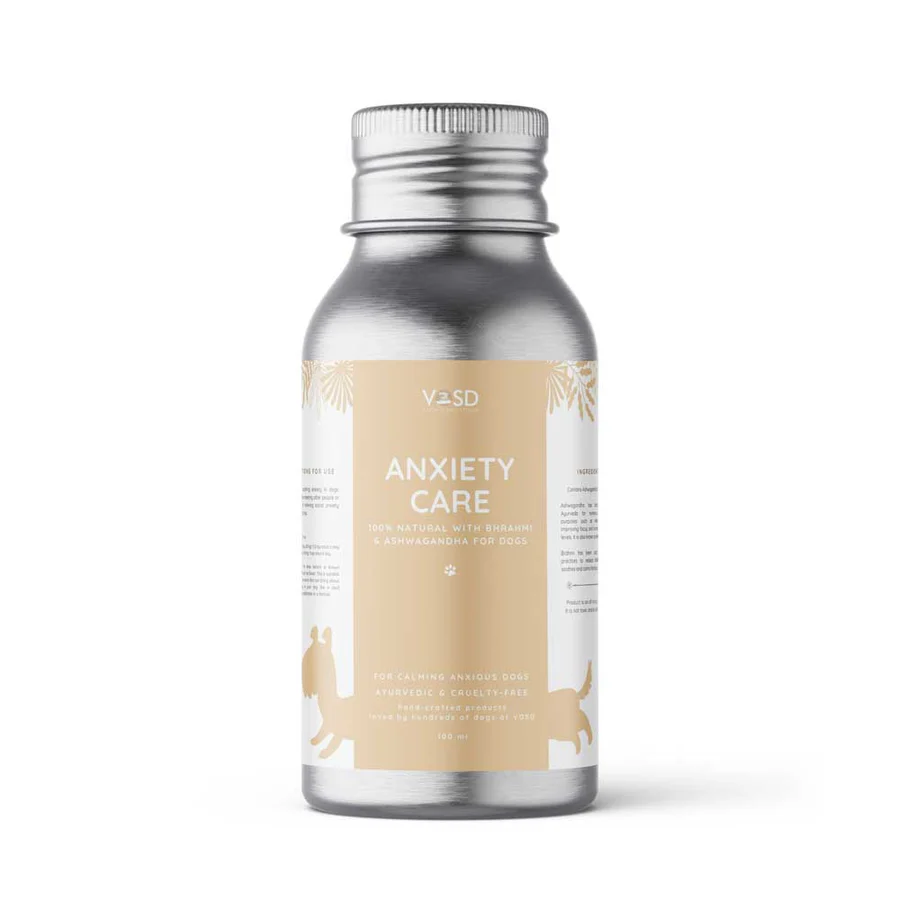
Dogs managing heart impulse block, particularly those experiencing fainting episodes and repeated veterinary assessments, often develop anxiety around unfamiliar situations and clinic environments. VOSD Anxiety Care is gently formulated to support dogs experiencing stress and unsettled behaviour during extended monitoring and treatment periods. Always consult your vet before introducing any supplement alongside cardiac medications.
Related Products

Prognosis: What to Expect
The outlook for heart impulse block in dogs depends heavily on the degree of block and whether the underlying cause is reversible:
- First-degree block: Excellent prognosis. Dogs typically live entirely normal lives with routine monitoring.
- Second-degree block from a reversible cause: Good prognosis if the underlying cause (tick-borne disease, electrolyte disturbance, drug effect) is identified and treated promptly. Many dogs recover normal AV conduction.
- Third-degree block treated with a pacemaker: Good prognosis. Most dogs show marked improvement in quality of life and activity levels. Regular pacemaker check-ups are required, but the long-term outlook is genuinely positive.
- High-degree block without treatment: Significantly increased risk of prolonged collapse and sudden cardiac death. Untreated third-degree block in a symptomatic dog is a serious condition that should not be managed with observation alone.
Living with a Dog with Heart Impulse Block
- Keep a fainting diary: Note the time, duration, what your dog was doing, and how quickly they recovered from each episode. This is among the most useful information you can bring to a veterinary appointment.
- Avoid intense exertion until the condition is characterised: Until you know the degree of block and have a management plan from your vet, avoid activities that significantly increase cardiovascular demand.
- Give all medications on schedule: Whether treating a tick-borne disease, a metabolic condition, or using cardiac drugs, consistent dosing is essential.
- Attend all ECG and follow-up appointments: Periodic rechecks confirm whether the block is stable, resolving, or progressing, and guide the timing of any escalation in treatment.
Prevention Tips
- Year-round tick prevention: Consistent use of a veterinarian-recommended tick preventive is one of the most practical steps any pet parent in India can take to reduce the risk of tick-borne disease-related heart impulse block. Check your dog for ticks after walks in grassy or wooded areas and remove them promptly.
- Early treatment of infections: Dogs with fever, lethargy, or reduced appetite following tick exposure should be assessed for tick-borne diseases promptly. Early antibiotic treatment prevents the cardiac complications that can follow untreated infection.
- Regular veterinary health checks: Annual auscultation detects heart rate abnormalities and murmurs early, increasing the likelihood of identifying AV block before symptoms develop.
- Avoid unsupervised medication: Never give your dog any heart medication, herbal product, or supplement that has not been prescribed or recommended by a veterinarian. Several drugs can precipitate or worsen AV block.
When to See a Vet Urgently
Go to a veterinary emergency clinic immediately if your dog shows any of the following:
- Sudden collapse or fainting, even if they recover quickly
- A very slow heart rate that you can feel is significantly below normal
- Pale, grey, or blue-tinged gums
- Breathing difficulty accompanying weakness or collapse
- Repeated episodes of weakness or stumbling that resolve on their own
Heart impulse block in dogs is a condition that rewards early attention. Whether the cause is as treatable as a tick-borne infection or as straightforward to manage as a pacemaker, the outcomes for dogs diagnosed and treated promptly are consistently better than those for dogs whose condition is identified late. Trust your instincts as a pet parent. If something does not seem right about your dog’s energy, heart rate, or episodes of weakness, act on it.