Most dog owners are careful about ticks. They check for fleas. They deworm regularly.
But there is one parasite that enters through something as ordinary as a mosquito bite, travels silently through the bloodstream, and takes up residence inside the heart and lungs. By the time symptoms appear, the damage is already serious.
That parasite is heartworm. And in a country like India, where mosquitoes are present almost year-round, no dog is truly outside its reach.
What This Disease Actually Is. Parasites Living Inside the Heart.
Heartworm disease is caused by Dirofilaria immitis, a parasitic roundworm that lives inside the heart, pulmonary arteries, and surrounding blood vessels of infected dogs.
Key facts about this organism:
- Adult heartworms can grow up to 30 centimetres in length
- A single infected dog can carry anywhere from one to several hundred adult worms
- The worms can live inside a dog for five to seven years without treatment
- They reproduce inside the bloodstream, releasing microscopic larvae called microfilariae that circulate in the blood and infect mosquitoes that feed on the dog
- The disease does not spread directly from dog to dog. The mosquito is the essential intermediary
This is not a parasite that causes an upset stomach or a skin reaction. It targets the cardiovascular and respiratory systems, which is what makes it so dangerous.
How Dogs Get Infected Without Realising It
The infection route is deceptively simple:
- A mosquito feeds on an infected animal and picks up microfilariae from the blood
- Inside the mosquito, the microfilariae develop into infectious larvae over approximately two weeks
- The infected mosquito bites a dog and deposits the larvae into the skin during feeding
- The larvae migrate through the tissue and enter the bloodstream
- Over the next six to seven months, the larvae travel to the heart and pulmonary arteries, where they mature into adult worms
- Adult worms begin reproducing, releasing new microfilariae into the bloodstream
- The cycle continues, with no visible signs to alert the owner
From the moment of infection to the presence of detectable adult worms is roughly six to seven months. During that entire window, the dog shows nothing unusual.
What Happens Inside the Body
Understanding the mechanism explains why heartworm damage is so severe and why some of it is irreversible even after treatment.
The step-by-step progression:
- Larvae enter through the skin and migrate toward the heart via the bloodstream
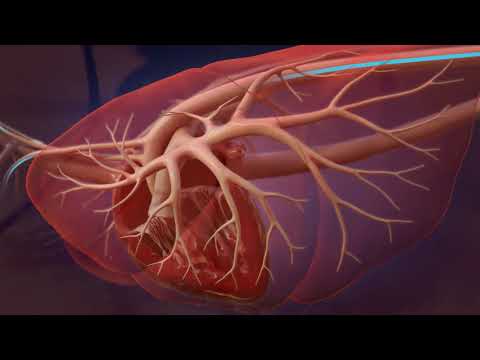
- Immature worms settle in the pulmonary arteries and right side of the heart
- As worms grow and multiply, they physically obstruct blood flow through the vessels
- The body mounts an inflammatory response to the presence of the worms, which damages the vessel walls
- Damaged vessel walls become thickened, scarred, and less elastic over time
- The right side of the heart works harder to pump blood through increasingly obstructed vessels
- This sustained pressure leads to right-sided heart enlargement and eventually heart failure
- Lungs suffer simultaneous damage from inflammation, reduced blood flow, and fluid accumulation
The damage is cumulative. Each month without treatment adds more scarring, more obstruction, and more strain on the heart.
Related Videos


Why This Disease Is Often Silent at First
This is the characteristic that makes heartworm so dangerous in everyday ownership.
In the early stages of infection:
- The dog shows absolutely no symptoms
- Energy levels, appetite, and behaviour appear completely normal
- The worms are present and growing, but their numbers are not yet large enough to cause visible disruption
- There is no cough, no fatigue, no outward sign that anything is wrong
- Owners have no reason to suspect anything unless they are following a preventive screening schedule
This silent phase can last months. During this time, every day without prevention or diagnosis is a day of uninterrupted worm development inside the cardiovascular system.
Signs That Start Appearing as Damage Progresses
As the worm burden increases and cardiovascular damage accumulates, symptoms begin to emerge. These include:
- A persistent, dry, or soft cough that does not resolve
- Fatigue or reluctance to exercise that was not previously present
- Shortness of breath during activity or at rest
- Reduced stamina on walks, the dog previously handled easily
- Mild but unexplained weight loss
- Decreased appetite over weeks
- Occasional fainting or episodes of weakness after exertion
These signs are easy to attribute to ageing, heat, or a passing illness. That is exactly why so many cases are not caught until they have reached a more advanced stage.
What Severe Disease Looks Like in Advanced Stages
In dogs with heavy worm burdens or prolonged untreated infection, the presentation becomes dramatically more serious:
- Visibly distended abdomen due to fluid accumulation from heart failure
- Severe breathing difficulty even at rest
- Prominent, bulging jugular veins in the neck
- Fainting or collapse during or after minimal activity
- Pale or bluish gums indicating poor oxygenation
- Rapid deterioration over days once advanced heart failure sets in
The most extreme presentation is called caval syndrome, where such a large mass of worms blocks the main vein returning blood to the heart. This is a surgical emergency with a very high fatality rate.
Different Stages of Heartworm Disease Severity
Heartworm disease is classified into four stages based on clinical severity:
| Stage | Description | Symptoms |
|---|---|---|
| Stage 1 | Mild disease, low worm burden | None or occasional mild cough |
| Stage 2 | Moderate disease | Cough, fatigue after moderate activity |
| Stage 3 | Severe disease | Prominent symptoms, weight loss, breathing difficulty |
| Stage 4 | Caval syndrome | Life-threatening blockage, collapse, shock |
Treatment complexity and risk increase significantly with each stage. Stage 1 dogs have a very good treatment outcome. Stage 4 requires emergency surgery with a guarded prognosis.
How Vets Confirm Heartworm Infection
Diagnosis requires blood testing. Physical examination alone cannot confirm heartworm disease.
Diagnostic methods include:
- Antigen test: Detects proteins released by adult female heartworms; highly accurate and the standard first-line test
- Microfilaria test: Identifies larvae circulating in the blood, confirming active reproduction
- Chest X-ray: Reveals enlargement of the heart and pulmonary arteries, and any fluid in the lungs
- Echocardiogram: Provides a direct view of the heart and may show worms in the chambers in heavy infections
- Complete blood count and biochemistry: Assesses overall organ health and guides treatment decisions
Annual screening with a blood antigen test is the standard recommendation for all dogs in mosquito-prone environments, which in India means virtually everywhere.
Treatment. Why Killing Worms Is Risky but Necessary.
Treatment for heartworm is effective but carries genuine risks that owners need to understand before starting.
What treatment involves:
- Stabilisation first: Dogs with significant symptoms need anti-inflammatory medication and sometimes hospitalisation before the main treatment begins
- Melarsomine injections: The primary drug used to kill adult heartworms, given as a series of deep muscle injections following a specific protocol
- Strict exercise restriction: Absolutely critical during treatment because dying worms break apart and can lodge in smaller vessels, causing blockages or inflammatory reactions. Complete rest for weeks is not optional
- Doxycycline: An antibiotic often given before and during treatment to weaken the worms by targeting a bacterial symbiont they carry called Wolbachia
- Preventive medication: Given throughout treatment to kill larvae and prevent new infection
- Follow-up antigen testing: Performed approximately six months after treatment to confirm successful worm clearance
For a detailed walkthrough of the full treatment process and what to expect at each stage, our dedicated guide on Treating Heartworms in Dogs covers it comprehensively.
Related Products



What Recovery Looks Like. And What Damage Remains.
Most dogs recover well from heartworm treatment when the disease is caught before advanced cardiac involvement.
Important recovery realities:
- Exercise restriction must be maintained strictly for six to eight weeks after the final injection
- Inflammation from dying worms can cause serious respiratory distress if the dog exerts itself during this period
- Some degree of lung and vessel scarring typically remains even after worms are cleared
- Dogs with advanced disease may have permanently reduced exercise tolerance
- Heart enlargement that developed during infection may partially resolve but often does not return fully to normal
- Regular follow-up cardiac monitoring is recommended for dogs that have had moderate to severe disease
Recovery is possible. Full restoration to pre-infection cardiac health is not always achievable.
What Happens If Heartworm Disease Is Ignored
Without treatment, heartworm disease follows a predictable and fatal trajectory:
- Worm burden increases steadily year after year
- Cardiovascular damage becomes irreversible
- Right-sided heart failure develops
- Fluid accumulates in the abdomen and chest
- The dog’s quality of life deteriorates progressively
- Death from cardiac or respiratory failure is the eventual outcome
No version of untreated heartworm disease ends well. The only variables are how quickly it progresses and how much the dog suffers along the way.
Heartworm vs Other Parasites. A Comparison That Matters.
| Feature | Heartworm | Tick-Borne Disease | Intestinal Worms |
|---|---|---|---|
| Transmission | Mosquito bite | Tick bite | Ingestion of eggs or larvae |
| Organs affected | Heart, lungs, blood vessels | Blood, multiple organs | Digestive tract |
| Silent phase | Months to years | Days to weeks | Variable |
| Reversibility | Partial, damage may persist | Usually good with treatment | Full recovery typical |
| Treatment risk | High, requires strict protocol | Moderate | Low |
| Prevention available | Yes, highly effective | Yes | Yes |
The key distinction with heartworm is the target organ and the permanence of damage. Most parasites are unpleasant. Heartworm restructures the cardiovascular system.
When This Becomes an Emergency Situation
Seek immediate emergency veterinary care if you observe:
- Sudden collapse or inability to stand
- Laboured breathing or open-mouth breathing at rest
- Pale, white, or bluish gums
- Rapid distension of the abdomen over hours
- Fainting during or after minimal movement
- Complete refusal to eat or drink alongside respiratory symptoms
These signs are consistent with caval syndrome or advanced heart failure, both of which require emergency intervention.
When You Should Not Delay Veterinary Care
These signs warrant a prompt vet visit without waiting:
- A new cough that persists for more than a week
- Noticeable drop in exercise tolerance without explanation
- Unexplained weight loss in an otherwise normally fed dog
- Breathing that appears faster or more effortful than usual
- Any dog that has never been tested for heartworm and lives in a mosquito-exposed environment
The importance of distinguishing heartworm from other cardiac conditions is covered in detail in our guide on Heart Disease in Dogs, which explains how different causes of cardiac damage present and progress.
And if you have heard that natural remedies can prevent heartworm, our piece on why natural heartworm prevention is not an option explains clearly why that belief can cost a dog its life.
Prevention Is Easier Than Treating a Disease That Lives in the Heart.
Heartworm is one of the most preventable serious diseases in veterinary medicine.
A monthly tablet or topical medication. An annual blood test. Two decisions that cost very little and protect everything.
The alternative is a disease that moves silently for months, damages organs that cannot fully repair themselves, and requires weeks of strict confinement and costly injections to address. Even then, what the worms leave behind inside the heart and lungs does not always fully heal.
Your dog cannot ask you for prevention. It cannot tell you when a mosquito bites it or when something inside its chest starts to feel wrong.
That responsibility sits entirely with you.
And it has never been easier to meet.