Most people know dogs pant to cool down. What fewer people understand is how quickly and catastrophically that cooling mechanism can fail.
Dogs do not sweat through their skin the way humans do. Panting is their primary method of releasing heat, and it has real limits. When the surrounding temperature and humidity rise beyond what panting can manage, core body temperature climbs. Proteins in cells begin to denature. Organ systems start to fail. What began as a hot afternoon becomes a life-threatening emergency within minutes.
Heatstroke in dogs is not just overheating. It is the failure of the body’s temperature regulation system, with consequences that cascade across every major organ if not reversed quickly. It kills dogs every year, and in the majority of cases, it is preventable.
What Happens in Heatstroke
When a dog’s core body temperature rises above 39.5 degrees Celsius (103 degrees Fahrenheit), the body begins to struggle with cooling. Above 41 degrees Celsius (106 degrees Fahrenheit), cellular damage begins. Enzymes that drive every metabolic process in the body are temperature-sensitive proteins. When the temperature exceeds their functional range, they stop working.
The consequences compound rapidly. Damage to the cells lining blood vessels triggers a systemic inflammatory response. The clotting system is activated inappropriately, forming small clots throughout the microvasculature while simultaneously consuming the clotting factors needed for normal wound repair. Blood flow to vital organs is disrupted. The kidneys, liver, brain, and gastrointestinal tract all sustain injury.
The gastrointestinal lining is particularly vulnerable. When it breaks down, bacteria from the gut can cross into the bloodstream, adding a septic component to the already severe picture.
This cascade can progress from excessive panting to multi-organ failure in under an hour in severe cases. Temperature is the trigger, but organ damage is the mechanism of death.
Symptoms of Heatstroke in Dogs
Symptoms of heatstroke follow a progression that reflects the underlying physiological deterioration. Recognising the earlier stages is what creates the opportunity to intervene before irreversible damage occurs.
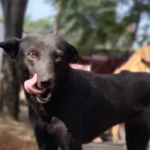
Early signs include excessive, laboured panting that does not settle with rest or shade, heavy drooling with thick or stringy saliva, restlessness, and seeking cool surfaces. The dog is clearly uncomfortable, and its breathing is working harder than normal.
Moderate progression brings visible weakness and unsteadiness. The dog may vomit or have diarrhoea. Gum colour becomes important here: bright red gums in a panting dog indicate significant vasodilation as the body desperately attempts to move heat to the skin surface. Understanding what abnormal gum colour means in context is important, and the detailed guide to red gums in dogs explains the range of colour changes and what each indicates.
Severe heatstroke produces muscle tremors or seizures, profound weakness progressing to collapse, confusion and disorientation, and ultimately unconsciousness. The gums may shift from red to pale or blue as circulation fails. At this stage, irreversible organ damage is occurring with each passing minute.
The speed of this progression depends on the temperature, humidity, the individual dog’s physical characteristics, and whether cooling has been attempted. In a hot car or during intense exercise in high heat, a dog can move from early to severe signs within fifteen to thirty minutes.
Causes of Heatstroke in Dogs
Environmental Causes
Being left in a parked car is the most dangerous and most preventable cause of heatstroke in dogs. The temperature inside a car rises with alarming speed regardless of outside conditions. On a day of 29 degrees Celsius, the interior of a car can reach 38 degrees within ten minutes and over 49 degrees within thirty minutes. Cracking windows does not meaningfully reduce this rise. No errand is short enough to justify leaving a dog in a parked car.
Hot weather exposure without shade or water causes heatstroke in dogs left outdoors in direct sun, particularly on concrete or asphalt surfaces that absorb and radiate additional heat.
Vigorous exercise in hot or humid conditions overloads the cooling system by generating internal heat faster than panting can release it. Dogs do not self-regulate exercise in heat the way humans do, and will continue playing or running until they collapse.
Poor ventilation in kennels, transport crates, or enclosed spaces traps heat and humid air, impairing the evaporative cooling that panting depends on.
Physical Risk Factors
Brachycephalic breeds, including Bulldogs, French Bulldogs, Pugs, Boxers, and Boston Terriers, face a dramatically elevated risk. Their compressed airways physically restrict airflow, making panting far less efficient as a cooling mechanism. These breeds can develop heatstroke in conditions that a healthy Labrador would manage without difficulty.
Overweight dogs generate more metabolic heat and have insulating fat that impairs heat dissipation.
Thick or dark coats absorb more solar radiation and reduce the efficiency of convective cooling.
Older dogs, puppies, and dogs with cardiovascular or respiratory disease have reduced physiological reserve and are less able to compensate for the demands of heat regulation.
Related Videos


Immediate First Aid for Heatstroke
This is the most critical section of this guide. The actions taken in the first minutes after recognising heatstroke directly determine the outcome.
Move the dog to shade or a cool indoor environment immediately. Removing the dog from the heat source is the single most important first step. Every additional minute of heat exposure worsens the damage.
Begin cooling with cool, not cold, water. Pour or sponge cool water over the dog’s entire body, focusing on the neck, armpits, groin, and paw pads where blood vessels are close to the surface. Use a garden hose on a gentle, cool setting if available.
Create airflow. Use a fan, open car windows during transport, or any available air movement. Moving air over wet fur dramatically accelerates evaporative cooling.
Apply wet towels to the neck, belly, and paws. Rewet the towels frequently. A towel that warms up against the dog’s skin provides no cooling benefit and should be replaced with a freshly wet one every few minutes.
Offer small amounts of cool water to drink if the dog is conscious and able to swallow safely. Do not force water into a dog that is confused or unable to swallow properly.
Stop active cooling when the dog reaches approximately 39.4 degrees Celsius (103 degrees Fahrenheit) if you are monitoring temperature. Continuing to cool beyond this point risks overcorrection into hypothermia.
Transport to a veterinary facility immediately. First aid buys time. It does not treat the underlying organ damage that may already have occurred. Every dog that has experienced heatstroke needs a veterinary assessment, even if they appear to have recovered.
What Not to Do
Several common instincts during a heatstroke emergency can make the situation worse.
Do not use ice or ice-cold water. This is the most serious mistake to avoid. Applying ice or very cold water causes the blood vessels in the skin to constrict, shutting down the very circulation pathway being used to move heat from the core to the surface. Internal temperature continues to rise while the skin feels cool. The dog looks like it is being cooled, while core temperature may actually be increasing.
Do not force water into an unconscious or semiconscious dog. A dog that cannot protect its airway will aspirate water into the lungs, adding respiratory failure to the existing emergency.
Do not delay the veterinary visit. Cooling a dog at home is first aid, not treatment. The internal damage of heatstroke, to the kidneys, liver, blood clotting system, and gut lining, requires clinical assessment and management that cannot be provided at home.
Do not wrap the dog in wet towels and leave them in place. Towels that are not frequently replaced trap the heat being released from the dog and can actually insulate rather than cool. Keep them cool and wet or remove them once cooling begins.
Do not cover the dog completely. The dog needs airflow across the wet skin surface. Covering with a blanket or restricting airflow defeats the evaporative cooling mechanism.
How Veterinarians Diagnose Heatstroke
Diagnosis at the clinic is rapid because treatment cannot wait for extensive investigation.
Rectal temperature confirms heatstroke and determines severity. Body temperature above 40 degrees Celsius in a dog with a history of heat exposure is consistent with heatstroke diagnosis. Some dogs present with temperature already declining if the first aid was effective.
Blood tests assess the degree of organ damage. Kidney values, liver enzymes, blood glucose, and clotting times are the priority measurements. A complete blood count reveals whether white cell counts are abnormal. Lactate measurement assesses tissue oxygen delivery.
The results guide treatment intensity and allow the team to identify which organ systems are most affected and require targeted support.
Treatment of Heatstroke in Dogs
Veterinary treatment for heatstroke is directed at controlled cooling, organ support, and management of complications.
| Goal | Method |
|---|---|
| Reduce temperature safely | Controlled cooling with monitoring |
| Restore circulation | Intravenous fluid therapy |
| Prevent organ failure | Oxygen supplementation and medications |
| Manage complications | ICU monitoring and targeted treatment |
Controlled cooling continues at the clinic with monitoring to avoid overshooting into hypothermia. Cooling is stopped once the temperature reaches the target range.
Intravenous fluid therapy restores circulating blood volume, supports blood pressure, and maintains kidney perfusion. It is a cornerstone of treatment from the moment the dog arrives at the facility.
Oxygen supplementation supports tissues that have been deprived of adequate oxygen delivery during the period of cardiovascular stress.
Medications address specific complications, including anti-nausea drugs for gastrointestinal distress, medications to support blood pressure if shock has developed, and drugs to manage seizures if they occur.
Monitoring of all vital parameters, temperature, heart rate, blood pressure, urine output, blood glucose, and clotting status continues throughout the treatment period and into recovery.
Related Products

Prognosis and Recovery
The prognosis for heatstroke is directly tied to how high the temperature reached, how long it was sustained, and how quickly cooling and treatment were initiated.
Dogs cooled quickly and presented to a veterinarian with minimal delay, where organ damage is limited, have a good prognosis. Many recover fully.
Dogs with moderate heatstroke, where some organ involvement has occurred, have a guarded prognosis. Recovery is possible with aggressive supportive care, but it depends on the degree of damage and treatment response.
Dogs with severe heatstroke, particularly those presenting unconscious, in seizure, or with evidence of disseminated intravascular coagulation, have a poor prognosis. Even with maximum intervention, mortality in severe cases is significant. Survivors may face long-term kidney or neurological consequences.
The five-minute window between first signs and first action is where outcomes are determined. Early cooling, not advanced veterinary equipment, is what saves the most lives.
Complications of Heatstroke
When heatstroke is severe or treatment is delayed, serious complications develop across multiple systems.
Brain damage is a major concern because neurons are highly sensitive to elevated temperature and oxygen deprivation. Neurological complications can include seizures, behavioural changes, and coordination problems that persist beyond the acute episode. For detailed information on how heat and oxygen deprivation affect cerebellar function specifically, the guide to degeneration of the cerebellum of the brain in dogs provides important clinical context.
Acute kidney injury results from reduced renal perfusion during the period of cardiovascular compromise. Some degree of kidney dysfunction occurs in many heatstroke cases and may require ongoing management after the acute phase.
Acute respiratory distress syndrome develops when inflammation damages the lung tissue, impairing gas exchange and causing breathing difficulty that persists beyond the initial overheating.
Disseminated intravascular coagulation is a severe clotting disorder in which the clotting cascade is activated throughout the microvasculature, consuming clotting factors and leading to both inappropriate clotting and uncontrolled bleeding simultaneously.
Gastrointestinal damage from breakdown of the intestinal lining can allow bacteria to enter the bloodstream, adding a septic component to the clinical picture.
Preventing Heatstroke in Dogs
Prevention of heatstroke is almost entirely within an owner’s control and requires consistent application of straightforward principles.
Never leave a dog in a parked car under any circumstances, at any time of year, in any weather that could become warm. The risk is never acceptable, and the consequences are too severe.
Provide constant access to shade and fresh water for any dog spending time outdoors in warm weather. Water should be changed regularly and kept out of direct sunlight.
Avoid exercising dogs during peak heat hours. In India and other regions with hot climates, this means avoiding outdoor exercise between approximately 10 am and 5 pm during summer. Early morning and evening walks reduce heat exposure significantly.
Use cooling aids, including cooling mats, paddling pools, and wet towels for dogs that spend time in warm environments.
Never muzzle a dog in hot conditions. A muzzle that prevents the mouth from opening fully prevents effective panting, removing the dog’s primary cooling mechanism.
Know your individual dog’s risk. Brachycephalic breeds, overweight dogs, elderly dogs, and dogs with cardiovascular or respiratory disease need extra protection and lower thresholds for intervention. For a comprehensive approach to keeping dogs safe through summer, the guide to summer safety tips for protecting your dog from heatstroke and sunburn covers the full range of seasonal precautions in practical detail.
Act Fast, Act Right
Heatstroke does not give owners much time. The progression from panting to collapse can happen faster than it feels possible, and the damage accumulating during that window is real and serious.
The owners whose dogs survive heatstroke are those who recognised the early signs, began cooling correctly and immediately, avoided the mistakes that make things worse, and got their dog to a veterinarian without delay.
VOSD has cared for thousands of dogs through conditions that tested every limit of canine resilience. We know what early action means for survival. We know what delay costs.
Know the signs. Know what to do. And if you are ever in doubt, act first and ask questions on the way to the clinic.