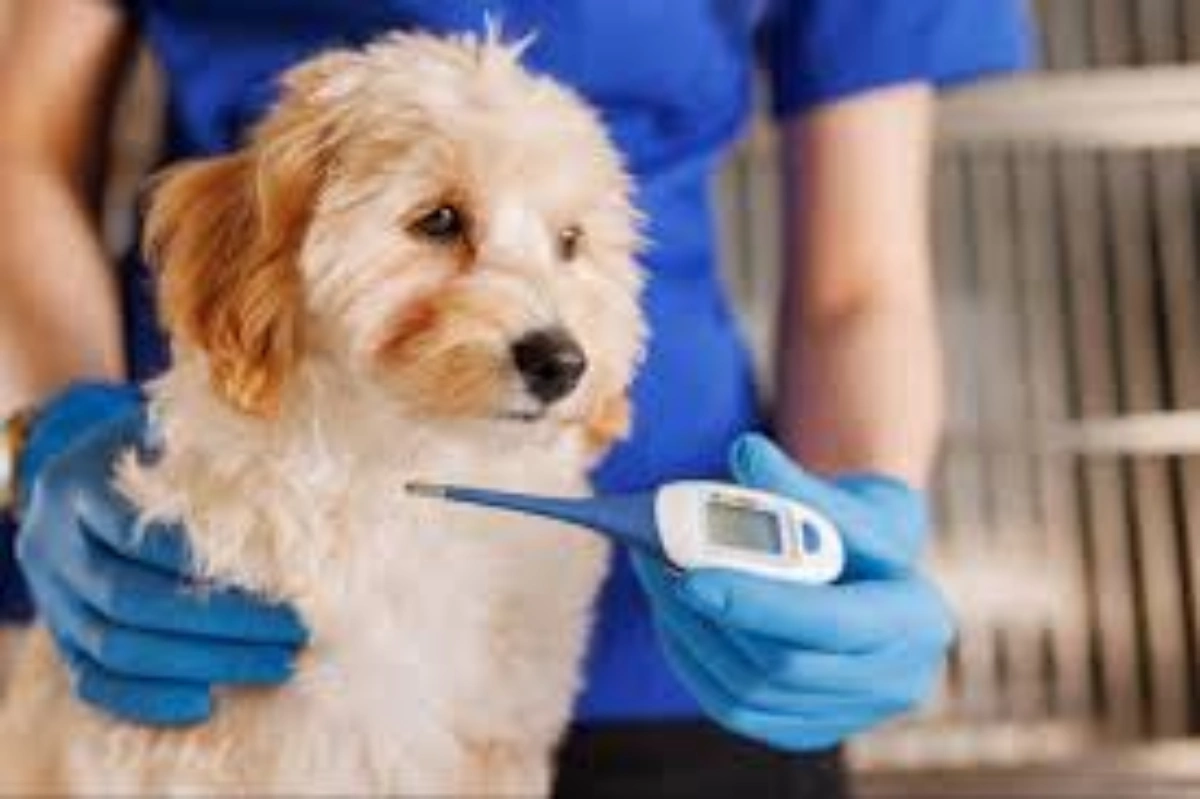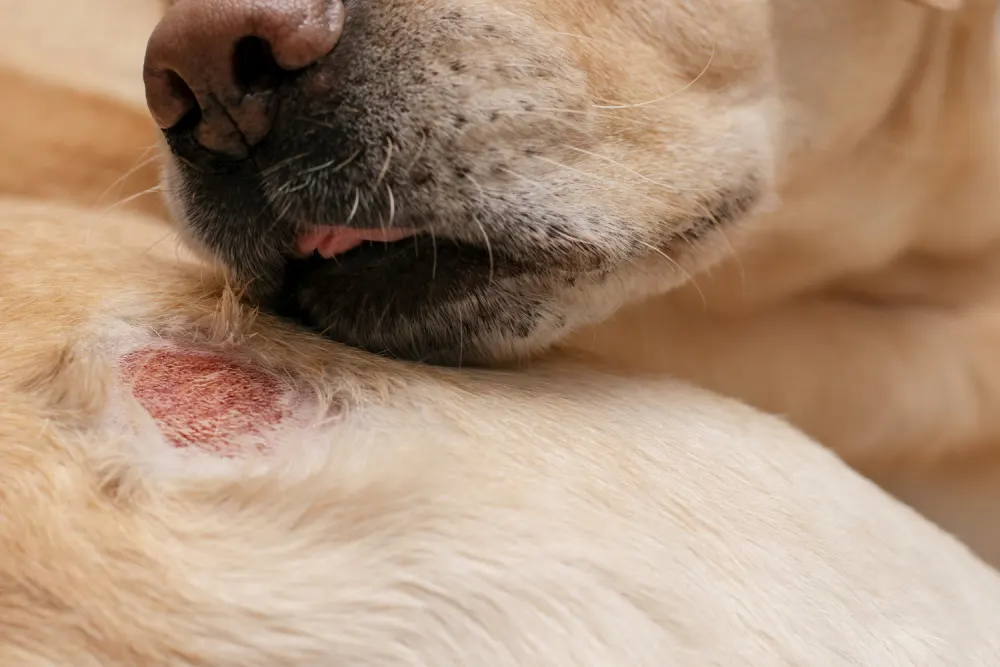
We often see dogs brought in with recurring bouts of vomiting, a mildly swollen abdomen, or simply a persistent dullness and lack of energy that does not have an obvious explanation. When blood work comes back, high cholesterol in dogs is sometimes what is responsible, either directly or as a flag pointing toward an underlying hormonal or metabolic condition that has been quietly developing. Once identified and managed, many dogs improve significantly.
What is High Cholesterol in Dogs?
Cholesterol and triglycerides are types of fat that circulate in the blood. They serve important functions, transporting fat-soluble nutrients, supporting cell membrane integrity, and providing energy. In appropriate amounts, these fats are essential. When blood fat levels remain persistently elevated above the normal range, the condition is called hyperlipidaemia.
High cholesterol in dogs is different from the way we understand it in human health. In humans, high cholesterol is closely associated with cardiovascular disease. In dogs, the heart attack risk from high cholesterol is not a significant concern. Instead, the primary risks for dogs involve the pancreas, nervous system, and eyes. Elevated fat levels can trigger pancreatitis, cause lipid deposits in the skin and eyes, and in some cases damage peripheral nerves.
Why High Cholesterol Matters for Dogs
When blood triglycerides are very high, the risk of acute pancreatitis increases significantly. Pancreatitis is a painful and potentially serious condition that is one of the most common complications of unmanaged hyperlipidaemia in dogs. Additionally, excess lipids can deposit in the tiny blood vessels of the eye, causing lipid arcus, a pale ring in the cornea that is visible to the vet during examination. In some dogs, lipid deposits accumulate in the skin as small yellow papules. Rarely, lipid deposits affecting peripheral nerves cause weakness or other neurological signs.
Symptoms of High Cholesterol in Dogs
Many dogs with high cholesterol in dogs show no obvious symptoms at all, particularly in the early stages. The condition is often identified incidentally during routine blood work or investigation for another concern. When symptoms do occur, they include:
- Vomiting, particularly after meals, which may reflect pancreatitis triggered by elevated fat levels
- Abdominal discomfort, bloating, or a reluctance to be touched around the belly
- Lethargy and reduced energy without an obvious cause
- Reduced appetite
- Visible changes in the eyes, including a white or greyish ring around the cornea or a milky or cloudy appearance to the eyes when fat levels are very high
- Small yellow lumps or nodules in the skin (xanthomas) in cases of severe hyperlipidaemia
- In cases with neurological involvement: weakness, stumbling, or other neurological signs
The absence of dramatic symptoms in early or moderate cases is why high cholesterol in dogs is frequently identified through routine testing rather than specific symptom-driven investigation. This is one reason why regular annual blood panels are valuable in middle-aged and senior dogs.
Causes of High Cholesterol in Dogs
High cholesterol in dogs can be primary (a genetic predisposition in the absence of another disease) or secondary (driven by an underlying condition). Secondary hyperlipidaemia is significantly more common.
Primary Hyperlipidaemia
Some breeds have a hereditary tendency to develop elevated blood fat levels without an underlying disease. Miniature Schnauzers are the most commonly documented example, with a specific hereditary hypertriglyceridaemia that produces significantly elevated triglyceride levels. Shetland Sheepdogs and Briards have also been reported to have higher rates of primary hyperlipidaemia. In these dogs, the elevated fat levels are managed through dietary and sometimes medical intervention rather than by treating an underlying cause.
Secondary Hyperlipidaemia
| Underlying Cause | How It Raises Blood Fat | Additional Signs to Watch For |
|---|---|---|
| Hypothyroidism | Low thyroid hormone slows fat metabolism | Weight gain, hair loss, lethargy |
| Diabetes mellitus | Insulin deficiency impairs fat clearance | Excessive thirst, frequent urination, weight loss |
| Cushing’s disease | Excess cortisol promotes fat mobilisation | Pot belly, hair loss, increased appetite and thirst |
| Pancreatitis (acute) | Fat released from inflamed pancreatic tissue | Vomiting, abdominal pain, reduced appetite |
| Obesity | Excess body fat increases circulating lipid levels | Visibly overweight, reduced exercise tolerance |
| High fat diet | Excessive dietary fat intake raises blood fat | May coincide with vomiting or pancreatitis symptoms |
Common Risk Factors in the Indian Context
Several feeding and lifestyle patterns common in Indian households contribute to high cholesterol in dogs:
- Regular feeding of oily, fried, or fatty human food including ghee-based dishes, fried snacks, and oily curries
- High-carbohydrate home diets based heavily on rice, roti, or maida without adequate protein or fat balance
- Overfeeding of dairy products including milk, cream, and paneer, which are high in saturated fat
- Limited exercise opportunities for dogs kept in flats without regular outdoor activity
- Undiagnosed hypothyroidism in middle-aged breeds commonly kept in India, including Labradors and Golden Retrievers
Related Videos




Diagnosis: How Vets Identify High Cholesterol in Dogs
Diagnosing high cholesterol in dogs requires a fasting blood test. Feeding a meal before blood collection causes a transient rise in triglycerides that is normal and does not reflect a true lipid disorder, so blood must be taken after a twelve-hour fast.
- Fasting lipid profile: Measuring total cholesterol and triglycerides after a twelve-hour fast is the primary diagnostic test. Both values are assessed, as they can be elevated independently or together.
- Full biochemistry panel: Kidney function, liver enzymes, blood glucose, and protein levels are assessed alongside the lipid values to identify any concurrent organ involvement and to investigate secondary causes.
- Thyroid hormone testing: Because hypothyroidism is one of the most common secondary causes of high cholesterol in dogs, a T4 measurement or full thyroid panel is often included in the initial investigation.
- ACTH stimulation or dexamethasone suppression test: If Cushing’s disease is suspected based on the clinical picture, specific hormonal testing is recommended.
- Ophthalmic examination: In dogs with very high triglycerides, a veterinary eye examination can detect lipid deposits in the cornea or a milky appearance to the aqueous humour within the eye.
Treatment for High Cholesterol in Dogs
Treatment for high cholesterol in dogs is guided by the cause. For secondary hyperlipidaemia, the primary goal is managing the underlying disease, after which lipid levels typically fall significantly.
1. Treating the underlying condition: Starting thyroxine supplementation for hypothyroidism, managing diabetes with insulin, treating Cushing’s disease with trilostane, or managing pancreatitis all typically produce a meaningful reduction in blood fat levels alongside the improvement in the primary condition.
2. Dietary modification: Regardless of whether the cause is primary or secondary, reducing dietary fat intake is always a component of management. A low-fat commercial diet or a vet-formulated home-prepared low-fat diet reduces the dietary fat load in the blood. The fat content of the diet should be reduced to below fifteen percent of calories from fat, and ideally lower in dogs with significantly elevated triglycerides.
3. Weight management: For obese dogs, a controlled calorie reduction programme alongside increased exercise reduces body fat stores, which in turn lowers circulating lipid levels. This requires a structured plan from your vet rather than simply feeding less, to ensure nutritional adequacy while achieving weight reduction.
4. Lipid-lowering medications: Where dietary management and treatment of underlying causes are insufficient to bring fat levels into a safe range, medications including fish oil supplementation (which reduces triglycerides at appropriate doses) or specific lipid-lowering drugs may be considered. These are used under veterinary guidance and not as a first-line approach.
Diet and Lifestyle Changes
At home, practical dietary management for a dog with high cholesterol in dogs includes:
- No fatty scraps or leftovers from human meals, including ghee-cooked food, fried snacks, or oily curries
- No dairy products including milk, cream, cheese, or paneer as regular dietary additions
- Switch to a low-fat commercial diet or a vet-approved home-prepared diet with controlled fat content
- For home-cooked meals, use lean boiled chicken (without skin), plain boiled fish, or other lean protein sources with white rice
- Introduce regular exercise appropriate to the dog’s age and health status
- Keep treats low-fat and only use vet-approved options during the management period
Related Products
Prognosis: What to Expect
The prognosis for high cholesterol in dogs is generally good when the underlying cause is identified and managed appropriately, and dietary changes are consistently maintained. Most dogs with secondary hyperlipidaemia show meaningful improvement in blood fat levels within four to eight weeks of starting treatment for the underlying condition and implementing dietary changes.
For dogs with primary hyperlipidaemia, such as Miniature Schnauzers with hereditary hypertriglyceridaemia, ongoing dietary management is a lifelong commitment. These dogs do well with consistent low-fat feeding, regular monitoring, and prompt treatment of any pancreatitis episodes that develop. Regular blood work to monitor lipid levels is an important part of long-term management for all affected dogs.
When to See a Vet
Consider getting a fasting lipid panel as part of your dog’s annual blood work if:
- Your dog is over seven years of age
- Your dog has been diagnosed with hypothyroidism, diabetes, or Cushing’s disease
- Your dog has had repeated episodes of vomiting or pancreatitis
- You have noticed visible eye changes or skin nodules
- Your dog is significantly overweight
Prevention Tips
While primary hyperlipidaemia cannot be prevented, secondary high cholesterol in dogs can often be reduced through consistent management of the following:
- Feed a balanced, complete commercial diet or a vet-formulated home diet and avoid regular additions of fatty human food
- Maintain a healthy body weight through appropriate portion control and regular exercise
- Schedule annual blood panels for middle-aged and senior dogs, including a fasting lipid profile for at-risk breeds
- Address any underlying hormonal conditions promptly when they are first identified