
High blood nitrogen in dogs is something that comes up regularly in blood test results, particularly in older dogs, rescued animals, and dogs with a history of dehydration or infection. The term refers to elevated levels of nitrogen-containing waste products, primarily urea and creatinine, in the bloodstream. These are substances that healthy kidneys filter out continuously, so when they accumulate, it tells us that the filtration process is not keeping up. High blood nitrogen in dogs is not a disease in itself but a measurable sign that something upstream is not working as it should. In many cases seen in Indian rescue settings, the cause is dehydration or an underlying infection that has been present for some time. The reassuring reality is that when the cause is identified and addressed promptly, outcomes can be significantly better than the numbers alone might suggest.
What Does High Blood Nitrogen in Dogs Mean?
When the body breaks down protein from food and from normal cell turnover, nitrogen-containing waste products are produced. The most commonly measured of these are blood urea nitrogen (BUN) and creatinine. Under normal circumstances, the kidneys filter both out of the blood continuously and excrete them in the urine. When blood levels of these substances rise above the normal range, the condition is referred to as azotemia.
Think of it as a waste disposal system that is either overwhelmed, underperforming, or blocked. High blood nitrogen in dogs tells you the waste is building up. The next question is always: why? And the answer determines the treatment.
Azotemia Versus Kidney Failure in Dogs
These two terms are often used interchangeably, but they are not the same thing. Azotemia is a laboratory finding: elevated nitrogen waste products in the blood. Kidney failure is a clinical condition in which the kidneys have lost enough function to cause significant illness. A dog can have azotemia without being in kidney failure, particularly when the cause is dehydration or a temporary reduction in blood flow to the kidneys. Equally, a dog in chronic kidney disease may have persistent mild to moderate azotemia that is managed rather than cured. Understanding this distinction helps pet parents respond to a blood test result with appropriate context rather than alarm.
Why High Blood Nitrogen Is Commonly Seen in Indian Dogs
High blood nitrogen in dogs appears with notable frequency in India, particularly in rescued dogs, community animals, and dogs presenting to clinics during the hotter months of the year. Several factors contribute to this.
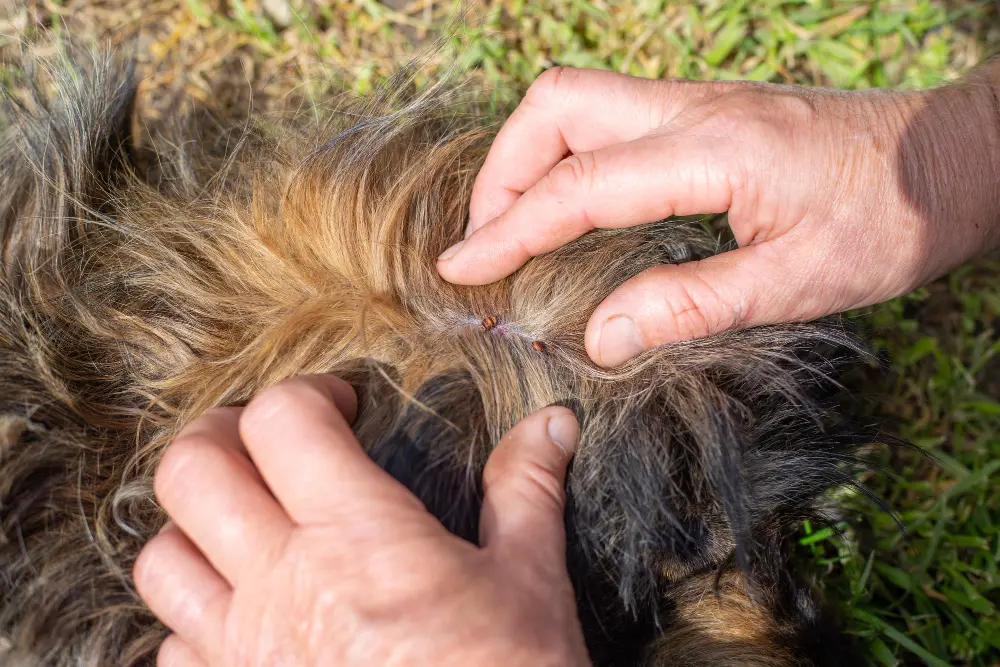
Dehydration is a significant and often underappreciated driver. Dogs without consistent access to fresh water, or those kept in warm environments without adequate shade, can become chronically mildly dehydrated. This reduces blood flow to the kidneys and impairs their ability to excrete waste efficiently. Tick-borne diseases including Ehrlichiosis and Leptospirosis, both of which are common in India, cause kidney inflammation that directly elevates blood nitrogen levels. Delayed treatment, either due to late presentation to a vet or incomplete treatment of an earlier illness, allows these conditions to cause more sustained kidney damage before they are addressed.
None of these are judgements on pet parents or rescue workers. They reflect the practical realities of dog care in India, and awareness of them is what allows earlier action in future cases.
Symptoms of High Blood Nitrogen in Dogs
The symptoms associated with high blood nitrogen in dogs reflect the accumulation of waste products that the body is struggling to clear. They can range from mild to severe depending on how elevated the levels are and how long they have been building up.
- Loss of appetite or a sudden disinterest in food that the dog previously ate willingly
- Vomiting, particularly in the mornings or after eating, as elevated urea irritates the stomach lining
- Lethargy and reduced engagement with normal activities, walks, or the household
- Increased urination in early stages as the kidneys try to compensate, or reduced urination in more advanced cases where kidney function has significantly declined
- A distinctive ammonia-like or unusually strong odour to the breath, caused by urea breaking down in the mouth
- Weight loss and visible muscle wasting over weeks or months
- Dehydration signs including dry or tacky gums, skin that does not spring back quickly when gently pinched, and sunken eyes
- Mouth ulcers or a sore-looking mouth in more advanced azotemia where urea levels are significantly elevated
Early Signs Versus Advanced Signs
| Stage | Signs Commonly Seen |
|---|---|
| Early or mild azotemia | Mildly reduced appetite, occasional vomiting, slightly increased thirst, lethargy detectable on blood test before obvious symptoms |
| Advanced or severe azotemia | Persistent vomiting, significant weight loss, strong uremic breath, mouth ulcers, marked weakness, greatly reduced or absent urination |
In many dogs we see in long-term care settings, the early signs of high blood nitrogen in dogs have been present for some time before testing is done. Regular annual blood checks for senior dogs are the most reliable way to catch elevated values before clinical symptoms appear.
Related Videos




Causes of High Blood Nitrogen in Dogs
Veterinarians classify the causes of high blood nitrogen in dogs into three broad categories based on where in the body the problem originates.
- Pre-renal causes: These are causes that reduce blood flow to the kidneys without directly damaging the kidney tissue itself. Dehydration is the most common pre-renal cause, followed by low blood pressure from shock, heart failure, or severe blood loss. If caught early and the blood flow restored through fluid therapy, pre-renal azotemia is often reversible
- Renal causes: Direct damage to the kidney tissue itself, from chronic kidney disease, acute kidney injury, glomerulonephritis, tick-borne illness, or toxin exposure. Renal azotemia reflects a loss of kidney function that may be partial and manageable or significant and progressive depending on the extent of damage
- Post-renal causes: Obstruction of urine outflow from the kidneys, such as from bladder or ureteral stones, a urethral blockage, or a mass compressing the urinary tract. In post-renal azotemia, the kidneys themselves may be intact but cannot excrete waste because the plumbing is blocked. Relieving the obstruction promptly is the priority
Common Triggers in Indian Conditions
In India, pre-renal azotemia from dehydration during hot weather is frequently seen, particularly in dogs kept outdoors or in warm indoor spaces without adequate water access. Tick-borne diseases are a major renal cause, as both Ehrlichiosis and Leptospirosis damage kidney tissue directly and can produce significant elevations in blood nitrogen levels within days of acute infection. In rescued dogs with unknown histories, a combination of chronic mild dehydration and previous untreated infection is a common presentation.
How High Blood Nitrogen in Dogs Is Diagnosed
Diagnosing high blood nitrogen in dogs begins with a blood test and is followed by further investigations to identify the cause and assess the extent of kidney involvement.
| Diagnostic Test | What It Measures | Why It Matters |
|---|---|---|
| Blood urea nitrogen (BUN) | Urea level in the bloodstream | Elevated BUN indicates impaired kidney filtration or high protein breakdown |
| Creatinine | Muscle waste product cleared by the kidneys | Rises as kidney filtration capacity falls; less affected by diet than BUN |
| SDMA | Symmetric dimethylarginine, a sensitive early kidney marker | Detects kidney dysfunction earlier than creatinine, before significant function is lost |
| Urinalysis | Urine concentration, protein, cells, bacteria | Dilute urine alongside elevated blood nitrogen suggests renal rather than pre-renal cause |
| Electrolyte panel | Sodium, potassium, bicarbonate | Imbalances indicate severity and guide fluid therapy composition |
| Ultrasound | Kidney size, structure, bladder, urinary tract | Identifies obstruction, structural damage, or masses contributing to azotemia |
| Tick disease screening | Antibodies to Ehrlichia, Leptospira, and related pathogens | Identifies treatable infectious causes of renal azotemia common in India |
Key Tests Explained Simply
BUN and creatinine are the two most commonly reported markers of high blood nitrogen in dogs. BUN reflects urea produced from protein breakdown and filtered by the kidneys. It can rise not just from kidney problems but also from a high-protein diet, dehydration, or gastrointestinal bleeding. Creatinine is more specific to kidney filtration capacity and less influenced by diet, which is why it is a more reliable standalone indicator of how well the kidneys are actually working. SDMA is a newer and more sensitive marker that can detect kidney function loss earlier than creatinine, sometimes when up to 40 per cent of kidney function has been lost rather than the 75 per cent threshold at which creatinine typically becomes elevated.
Treatment of High Blood Nitrogen in Dogs
Treatment of high blood nitrogen in dogs is directed at the underlying cause rather than the elevated values themselves. The values will normalise when the cause is addressed.
- Fluid therapy: Intravenous or subcutaneous fluid therapy is the most immediate and commonly used treatment for high blood nitrogen in dogs, particularly where dehydration or reduced kidney blood flow is a contributing factor. Restoring hydration improves kidney perfusion and allows waste products to be excreted more effectively. In pre-renal cases, fluid therapy alone can normalise blood nitrogen values within days
- Treating infections: Where tick-borne disease or bacterial infection is driving the elevated values, targeted antibiotic treatment is essential. In India, testing for Ehrlichiosis and Leptospirosis is a routine part of the workup for any dog presenting with elevated kidney values
- Relieving urinary obstruction: Post-renal azotemia caused by stones or a blockage requires the obstruction to be cleared, either through catheterisation, surgery, or other procedures, as a matter of urgency
- Long-term kidney disease management: Where chronic kidney disease is the cause, management follows the same principles as for any CKD patient: renal diet, phosphorus restriction, hydration support, blood pressure control, and regular monitoring
- Dietary adjustment: A reduced-protein, renal-supportive diet is recommended for dogs with elevated blood nitrogen from kidney disease. This reduces the production of urea and eases the filtration burden on compromised kidneys
- Anti-nausea medication: Where vomiting is a significant symptom, anti-emetic medication improves comfort and helps maintain appetite and hydration during the treatment period
Related Products

Home Care and Ongoing Management
For dogs with chronic or recurring high blood nitrogen in dogs, consistent home management significantly influences quality of life and the rate of progression. Practical steps include:
- Ensure fresh water is always available and actively encourage drinking throughout the day. In India’s warm climate, refilling water bowls multiple times daily and placing them in multiple locations makes a real difference to daily intake
- Feed the prescribed renal diet consistently and avoid giving table scraps, high-protein treats, or foods not approved by your vet, even occasionally
- Give all prescribed medications at the correct times without skipping doses, including blood pressure medications and phosphate binders where these have been recommended
- Monitor appetite, water intake, and urination daily. Any reduction in urination, return of vomiting, or significant appetite loss warrants prompt veterinary contact
- Attend all scheduled blood test monitoring appointments. Kidney values in a dog with azotemia need to be tracked every one to three months to detect any worsening that requires a management adjustment
Prognosis: What to Expect
The prognosis for high blood nitrogen in dogs varies considerably depending on the cause. Pre-renal azotemia from dehydration that is caught and treated promptly carries an excellent prognosis, with blood values often returning to normal within days of appropriate fluid therapy. Renal azotemia from tick-borne illness that is identified and treated before significant permanent damage has accumulated can also carry a good prognosis, though follow-up monitoring is essential to assess recovery.
Chronic kidney disease as a cause of persistent high blood nitrogen in dogs carries a longer-term management outlook rather than a curative one. In these dogs, the goal is slowing progression, maintaining quality of life, and keeping the dog as comfortable as possible for as long as possible. Post-renal azotemia from an obstruction that is relieved quickly carries a good prognosis if the kidneys have not been damaged by prolonged pressure.
When to See a Vet
Seek veterinary attention promptly if your dog shows any of the following:
- Vomiting more than once a day, or vomiting that prevents the dog from keeping water down
- A noticeable reduction in urination or complete inability to urinate
- Persistent lethargy lasting more than 24 to 48 hours without an obvious cause
- Refusal to eat for more than 24 hours
- Strong ammonia-like odour to the breath in a dog that has not previously had this
- Any dog known to have had tick-borne illness that has not had follow-up blood testing since recovery
Prevention and Risk Reduction
Several practical measures meaningfully reduce the risk of high blood nitrogen in dogs:
- Ensure consistent access to fresh, clean water year-round. In India’s warm climate, dehydration is a real and preventable contributor to elevated blood nitrogen in dogs
- Use tick prevention consistently throughout the year. Tick-borne diseases are a significant and avoidable cause of kidney damage and subsequent azotemia in Indian dogs
- Treat urinary and systemic infections promptly and completely to prevent ongoing kidney inflammation
- Schedule annual blood and urine checks for dogs over seven years old. Detecting mildly elevated blood nitrogen before clinical signs appear allows management to begin at a stage when more can be done
- Avoid giving human medications including ibuprofen and paracetamol, which are toxic to the canine kidney and can cause acute elevations in blood nitrogen values
Related Products


High blood nitrogen in dogs is a finding that deserves attention and a clear diagnostic response, but it is not automatically a reason for despair. The numbers reflect what is happening in the body at a point in time, and in many cases the cause is treatable or manageable. High blood nitrogen levels are something seen regularly in dogs who come in dehydrated or unwell for some time, and with the right treatment and consistent follow-up care, many of these dogs go on to live comfortable lives. Working with your vet to identify the cause, act on it promptly, and monitor progress over time is the most important thing a pet parent can do when high blood nitrogen in dogs has been found on a blood test.