A puppy that seems unusually weak, a dog with persistent loose stools, or a rescued dog whose coat never quite looks healthy despite good feeding are all situations where hookworms in dogs deserve to be part of the conversation. Hookworms are among the most common intestinal parasites affecting dogs in India, and they are particularly insidious because a significant infestation can develop before any obvious symptoms appear. The good news is that hookworms in dogs respond well to appropriate deworming treatment, and with consistent prevention, they are very manageable. Understanding what to look for and when to act puts you in the best position to protect your dog.
What Are Hookworms in Dogs?
Hookworms in dogs are small, thin intestinal parasites belonging to the Ancylostoma and Uncinaria genera. Despite their small size, typically just a few millimetres in length, they cause a disproportionately significant impact on a dog’s health by attaching to the lining of the small intestine and feeding on blood. A heavy hookworm burden can cause substantial blood loss over time, leading to anaemia, weakness, and in severe cases in puppies, life-threatening illness.
Unlike some intestinal worms that are visible to the naked eye in faeces or around the anal area, hookworms are too small to be seen without a microscope. This makes routine faecal testing an important part of identifying them, rather than relying solely on visible signs.
Why Hookworms Are Common in India
India’s warm and humid climate creates soil conditions in which hookworm larvae survive and remain infective for extended periods. The larvae thrive in moist, sandy, or loamy soil and are widely distributed in environments where dogs defecate, including parks, roadsides, open plots, and areas around stray dog habitats.
The large stray dog population across Indian cities and towns contributes to ongoing environmental contamination, as untreated dogs shed hookworm eggs in their faeces that develop into infective larvae in the soil. Dogs that walk barefoot on contaminated ground, sniff or lick soil, or spend time in areas with dense stray populations face regular exposure. In many rescue cases, particularly with puppies brought in from street environments, hookworm infection is one of the first parasitic issues we identify and address.
Symptoms of Hookworms in Dogs
The symptoms of hookworms in dogs depend on the severity of the infestation, the age of the dog, and how long the infection has been present before being identified. Adult dogs with mild infestations may show minimal signs, while puppies with the same burden can become critically ill quickly due to their smaller blood volume.
Common symptoms to watch for include:
- Diarrhoea, which may contain fresh blood or appear dark and tarry in heavier infestations
- Pale or white gums, indicating anaemia from blood loss through the intestinal lining
- Lethargy and generalised weakness, particularly noticeable in puppies
- Poor coat condition, including dullness, thinning, and lack of lustre despite adequate feeding
- Progressive weight loss or failure to gain weight in growing puppies
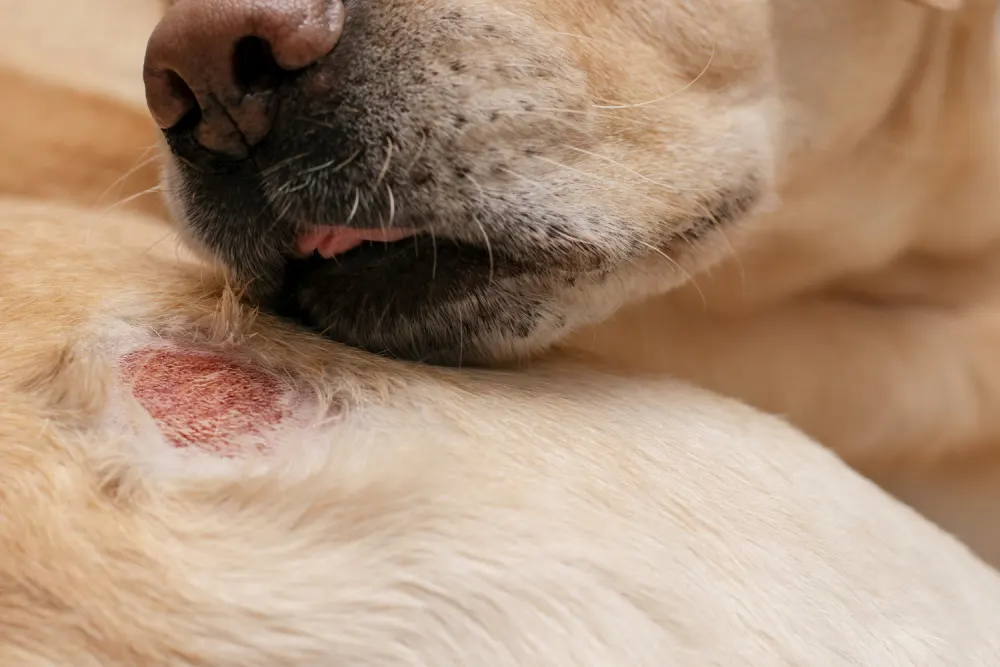
- Itching or inflammation of the paws and skin of the belly, which occurs when larvae penetrate the skin rather than being ingested
- Swollen or distended abdomen in young puppies with heavy worm burdens
- Reduced appetite or inconsistent eating patterns over days to weeks
One of the more concerning aspects of hookworms in dogs is that the anaemia they cause can become severe before a pet parent notices the pale gums or significant weakness that signal a crisis. Checking your dog’s gum colour periodically, particularly in puppies and recently rescued dogs, is a simple and valuable habit.
What Pale Gums Look Like
Healthy dog gums should be a moist, bubble-gum pink colour. Pale pink, white, or greyish gums in a dog with loose stools or low energy are a red flag for anaemia and warrant same-day veterinary attention rather than a monitored wait.
Related Videos




Causes and Transmission of Hookworms in Dogs
Understanding how hookworms in dogs are acquired helps identify where prevention is most effective.
| Transmission Route | How It Occurs | Indian Context |
|---|---|---|
| Ingestion of infective larvae | Dogs ingest third-stage hookworm larvae present in contaminated soil while sniffing, licking the ground, or grooming contaminated paws | Widely relevant across urban and semi-urban India where soil contamination from stray dogs is common in shared outdoor spaces |
| Skin penetration | Hookworm larvae actively penetrate the skin, particularly through the paws and belly when dogs lie or walk on contaminated moist soil | Dogs that rest on damp soil, walk on contaminated ground without regular paw cleaning, or lie in open areas with dense stray activity are at risk |
| Mother to puppy transmission | Larvae can be transmitted to puppies through the mother’s milk during the first few weeks of nursing, even if the mother shows no obvious symptoms | Highly relevant for litters born to stray or rescue mothers with unknown deworming histories, which are common in Indian rescue contexts |
| Ingestion of infected prey or tissue | Dogs that consume infected small animals or scavenge carcasses may ingest larvae present in the host’s tissue | More relevant for dogs with outdoor roaming access and scavenging behaviour |
Dogs at Higher Risk of Hookworm Infection
Puppies under six months old are at the greatest risk of serious illness from hookworms due to their limited blood volume and developing immune systems. Recently rescued street dogs, dogs living in damp or poorly maintained outdoor environments, dogs with no regular deworming history, and those in multi-dog households where one animal has an active infestation are all at elevated risk of hookworms in dogs.
How Vets Diagnose Hookworms in Dogs
Diagnosis of hookworms in dogs is primarily made through faecal examination, which is a straightforward and widely available test at veterinary clinics across India.
- Faecal flotation test: A stool sample is processed using a flotation solution that causes hookworm eggs to rise to the surface, where they can be identified under a microscope. This is the standard first-line test for suspected intestinal worm infections
- Repeat testing: Early infections may not yield detectable egg counts in a single sample, as egg shedding can be intermittent in light infestations. If hookworms are strongly suspected based on symptoms, your vet may recommend a repeat test after a few days
- Complete blood count: In dogs with suspected anaemia, a blood test measuring red cell count and haemoglobin levels helps assess the severity of blood loss and guides decisions about whether supportive treatment such as iron supplementation or, in severe cases, blood transfusion is needed
- Clinical assessment: Gum colour, body condition, and the dog’s overall presentation provide important supporting information alongside laboratory results, particularly in puppies where rapid deterioration can occur
Treatment of Hookworms in Dogs
Treatment of hookworms in dogs is effective and well established. The core of treatment is antiparasitic deworming medication, with supportive care added based on the severity of the infection.
- Deworming medication: Commonly used anthelmintics for hookworms in dogs include fenbendazole, pyrantel pamoate, and mebendazole. Your vet will prescribe the appropriate agent and dose based on your dog’s weight and the severity of infestation. A single dose is rarely sufficient; most protocols involve repeat dosing at two to three week intervals to catch larvae that were not yet adult worms at the time of the first treatment
- Iron supplementation: Dogs with significant anaemia secondary to hookworm infestation may require iron supplementation alongside deworming to support red blood cell recovery. Your vet will advise whether this is needed based on blood test results
- Nutritional support: Dogs recovering from hookworm anaemia benefit from a protein-rich, complete diet that supports haemoglobin regeneration and overall recovery. Nutritional supplements containing omega fatty acids and key micronutrients can support this process
- Blood transfusion: In severe cases of acute anaemia, particularly in young puppies with very low packed cell volumes, a blood transfusion may be required as a life-saving intervention before deworming medications can take effect
Completing the full deworming schedule as prescribed is essential. Stopping after a single dose when the dog appears better is one of the most common reasons for reinfection, as larvae present in the tissues at the time of treatment may mature into adult worms after the medication’s active period has passed.
Related Products

Home Care and Hygiene During Treatment
Supporting your dog’s recovery at home and reducing reinfection risk are both important parts of managing hookworms in dogs effectively:
- Remove faeces from your dog’s living and play areas promptly and consistently, as eggs in fresh stools develop into infective larvae within days in warm Indian conditions
- Wash your dog’s bedding regularly in hot water to reduce larval contamination in resting areas
- Clean paws after outdoor walks, particularly if your dog has been walking in areas known to have dense stray dog activity or damp soil
- Avoid allowing your dog to rest on bare damp soil during the treatment period, as skin penetration by environmental larvae can cause reinfection before the deworming schedule is complete
- In multi-dog households, treat all dogs simultaneously rather than only the one showing symptoms, as hookworm larvae in shared environments will reinfect treated dogs if untreated animals continue shedding eggs
Prognosis and Recovery
The prognosis for hookworms in dogs is very good when treatment is started before severe anaemia develops. Adult dogs with moderate infestations typically respond to deworming within days, with energy levels and stool consistency improving noticeably within the first week of treatment.
Puppies require closer monitoring and more frequent follow-up, as their recovery from anaemia is slower relative to their body size and energy demands. Dogs that received prompt treatment and nutritional support during recovery generally regain full health within two to four weeks. In cases where diagnosis was delayed and anaemia became severe, recovery may take longer and require more intensive support.
Prevention of Hookworms in Dogs
Prevention of hookworms in dogs is built around routine deworming and practical environmental hygiene rather than any single product or intervention:
- Regular deworming schedule: In India, where environmental contamination is high year-round, most vets recommend deworming adult dogs every three months as a routine preventive measure. Puppies require more frequent deworming starting from two weeks of age, then at four, six, and eight weeks, followed by monthly treatment until six months old
- Prompt faecal disposal: Removing your dog’s stools quickly from the home environment and outdoor areas prevents eggs from developing into infective larvae and reduces contamination of shared spaces
- Paw hygiene after walks: Wiping or rinsing paws after outdoor walks in potentially contaminated areas reduces the risk of both skin penetration and accidental ingestion of larvae during grooming
- Avoid contact with contaminated soil: Discouraging dogs from digging, eating soil, or lying on bare damp ground in areas with high stray dog activity significantly reduces larval exposure
- Treat nursing mothers: Deworming a nursing mother promptly reduces the larval burden passed to puppies through milk, making this one of the most impactful preventive steps available for litters
- Routine veterinary check-ups: Annual or biannual faecal examinations as part of routine health visits allow early identification of hookworm infestation before significant blood loss or illness develops
When to See a Vet Without Delay
Contact your vet promptly if your dog shows any of the following:
- Pale, white, or greyish gums alongside weakness or lethargy
- Black, tarry stools or bloody diarrhoea
- Sudden collapse or extreme weakness, particularly in puppies
- Failure to improve within a few days of starting deworming treatment
- Rapid weight loss or a visibly distended abdomen in a young puppy
Hookworms in dogs are among the most common and manageable parasitic conditions seen in Indian dogs, but they deserve consistent attention rather than a passive approach. Routine deworming, prompt attention to early symptoms, and basic environmental hygiene go a long way towards keeping your dog free of hookworm infestation and its complications. Most dogs treated appropriately for hookworms in dogs recover fully and remain healthy with a consistent prevention routine in place. Early action and regular preventive care are always more effective than waiting for symptoms to become severe.