

Most dog parents think about food only when something goes wrong. The coat starts looking dull. The energy drops. The stomach gets upset. The itching never really stops. And then the question comes: is it something he ate?
The answer, almost always, is yes. But not in the way most people think. It is not about one bad meal. It is about hundreds of average meals that quietly failed your dog over months and years. Food is not just fuel. It is the foundation of every system in your dog’s body, including immunity, skin, joints, digestion, hormones, and lifespan. Get it right, and you add years of vitality. Get it wrong, and you spend those years at the vet.
At VOSD – The Voice of Stray Dogs, India’s largest no-kill dog sanctuary and referral hospital near Bengaluru, we see the consequences of poor nutrition every single day. This guide exists so your dog never becomes that story.
Decoding What “Best Dog Food” Really Means
There is no single best dog food for every dog. Not one brand. Not one formula. Not one diet. The “best food” for your dog is the food that matches his age, breed, size, activity level, health history, and digestive sensitivity. A six-month-old Labrador puppy has completely different needs from a seven-year-old Indie with a thyroid condition. Feeding them the same food because the packaging says “all life stages” is a compromise, not a solution.
What balanced nutrition actually means is this: the right ratio of protein for muscle, healthy fats for energy and skin, complex carbohydrates for sustained fuel, calcium and phosphorus for bone density, and vital micronutrients for immunity and coat health. When all of these are present in the right proportion for your specific dog, the result is not just survival. It is genuine health.
Signs Your Dog’s Current Diet Is Not Working
Dogs cannot tell you when something is wrong with their food. But their bodies will. Watch for these signs, because each one is a message:
Dull, dry, or flaking coat. Healthy skin and coat depend on omega fatty acids. When these are missing, the coat is the first place it shows.
Chronic itching or skin irritation. Often blamed on allergies, this is frequently a food sensitivity or a deficiency in essential fatty acids and zinc.
Loose stools or frequent digestive upset. Poor-quality fillers or low digestibility overwork the gut and disrupt the microbiome.
Low energy or sudden weight gain. Excess carbohydrates with insufficient protein lead to fat storage and lethargy, particularly in less active or older dogs.
Frequent illness or slow recovery. Nutrition is the backbone of immune function. A dog fed a nutrient-poor diet will get sick more often and take longer to heal.
From Bowl to Body, How Food Affects Every System
Food does not just sit in the stomach. It triggers a cascade that touches every organ and system in your dog’s body. Digestion breaks down food, and nutrients are absorbed into the bloodstream. From there, they reach every organ, including the skin, joints, brain, and immune tissue.
The gut microbiome, the community of bacteria in your dog’s intestines, plays a critical role. A healthy microbiome supports nutrient absorption, regulates inflammation, and communicates directly with the immune system. When the gut is disrupted by poor-quality food, the entire chain breaks down.
The result is not just digestive upset. It is weakened immunity. It is chronic skin inflammation. It is joint pain amplified by systemic inflammation. Good food protects this entire chain. Poor food quietly corrodes it.
Related Videos


Different Diet Paths, What Options Do You Actually Have?
Understanding the landscape of dog food choices is essential:
Commercial dry kibble is the most convenient option. Quality varies enormously. Look for named protein sources listed first and minimal artificial preservatives.
Homemade cooked food gives you full control. The challenge is ensuring complete nutritional balance without supplementation guidance. Homemade food done casually can leave critical gaps.
Raw feeding (BARF) involves raw meat, bones, and vegetables. It has genuine benefits but carries real risks, bacterial contamination, nutritional imbalance, and bone-related injuries, without expert supervision.
Mixed feeding combines commercial food with fresh whole foods. This is often a practical middle path that improves nutritional variety.
The right path depends on your dog, your lifestyle, and whether you have veterinary guidance.
How to Build a Balanced Diet for Your Dog
Whether you feed commercial food, homemade meals, or a combination, these are the non-negotiables of a balanced dog diet.
Protein should form the foundation (25-30% for adults) from high-quality animal sources. Protein supports muscle maintenance and immune antibody synthesis.
Healthy fats should make up around 10-15%, sourced from fish oil, chicken fat, or flaxseed. Fats support brain function and skin health.
Complex carbohydrates from rice, oats, or sweet potato provide sustained energy and digestive fibre.
Calcium and phosphorus in the correct ratio (roughly 1.2:1) are essential for bone strength. For natural sources, read more on calcium-rich foods for dogs from VOSD’s detailed guide.
Micronutrients, including zinc, Vitamin A, and B-complex vitamins, support everything from immune function to nerve health.
Correcting the Diet, What Treatment Really Looks Like
If your dog’s current diet is not working, the solution is never sudden. Abrupt food changes cause digestive distress. A proper transition takes seven to fourteen days, gradually increasing the proportion of new food.
Elimination diets are used when food allergies are suspected. This involves feeding a single novel protein and carbohydrate source for six to eight weeks to identify the trigger.
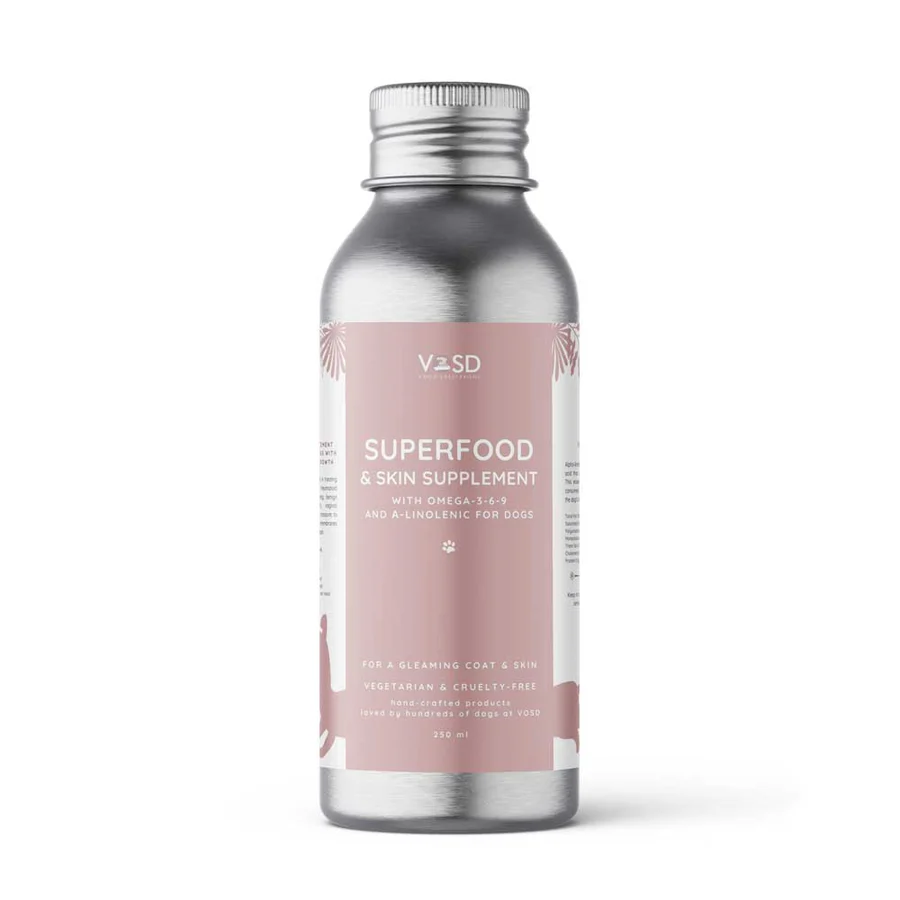
Supplements like omega fatty acids, probiotics, and joint supplements may be needed during the correction phase.
For a detailed guide on what to avoid, read VOSD’s article on mistakes while switching dog food, which covers the most common errors that undo good intentions.
Related Products
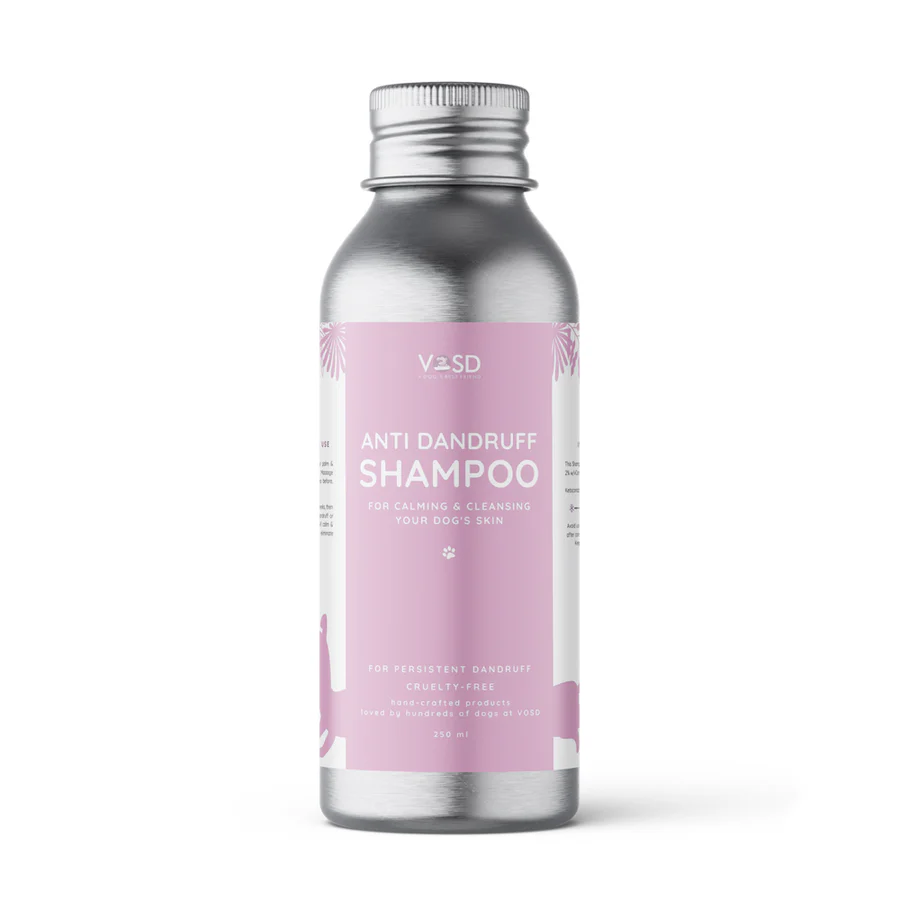
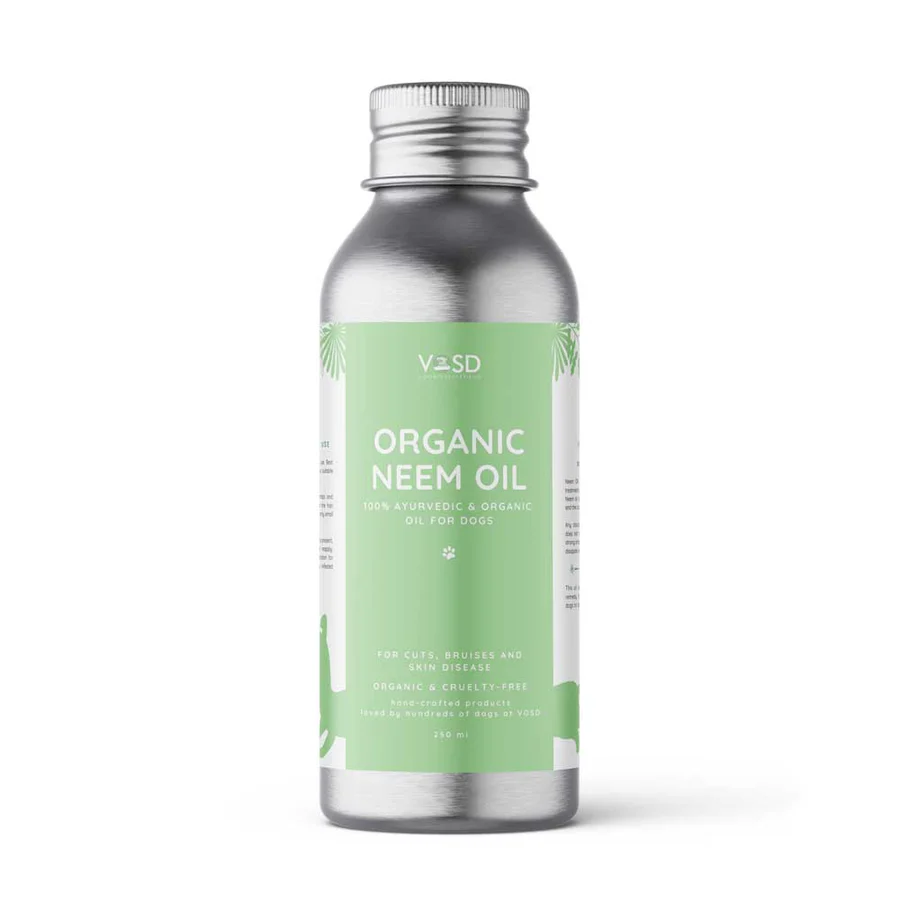
Real Food Examples You Can Safely Add Today
Some powerful nutritional additions are already in your kitchen.
Eggs, cooked, not raw, are a complete protein source.
Boiled chicken provides lean, easily digestible protein.
Pumpkin is excellent for digestive health, rich in soluble fibre.
Plain curd (unsweetened) delivers probiotics for gut health and calcium.
Rice is a safe, low-allergen carbohydrate, easy on the gut.
Cooked sweet potato provides beta-carotene, fibre, and slow-release energy.
For a complete and vet-reviewed list, refer to VOSD’s guide on healthy human foods dogs can eat, which separates what is genuinely safe from what only seems safe.
When Poor Nutrition Turns Into Disease
Chronic poor nutrition does not stay a diet problem. It becomes a medical one. Obesity, which affects many pet dogs, is a direct result of poor balance and drives diabetes, joint degeneration, and reduced immunity.
Skin diseases are often misdiagnosed. What seems like an allergy is frequently a fatty acid deficiency or a gut-driven inflammatory response to low-quality food.
Organ strain, especially on the kidneys and liver, is worsened by excessive low-quality protein, artificial additives, and dehydration from an exclusively dry-food diet.
Prevention costs a fraction of treatment. Every single time.
Red Flags That Mean You Need to Change Food Immediately
Some signs cannot wait for a gradual transition plan:
If your dog is vomiting repeatedly after meals, stop the current food and consult a vet immediately.
Blood in the stool is a medical emergency, not a diet experiment.
Rapid unexplained weight loss signals that nutrients are not being absorbed and requires immediate investigation.
Severe allergic reactions, swelling, hives, or difficulty breathing after a new food need emergency veterinary attention.
These are not signs to manage at home. They are signs to act on immediately.
How to Know It Is Time to Consult a Vet
Some diet questions go beyond what a guide can answer. Consult a vet about your dog’s nutrition if:
- Your dog is under six months, and you are unsure if his diet supports healthy development.
- Your dog is a senior (above seven years for large breeds; above ten for smaller ones).
- Your dog have any diagnosed medical condition (kidney disease, diabetes, etc.). Diet is part of the treatment.
- Your dog has been on the same food for years, but has recently started showing symptoms.
At VOSD Advance PetCare™, our veterinary specialists assess dogs holistically, including the critical role that nutrition plays. You can connect with a VOSD specialist through vosd.vet or speak with our team for remote guidance through VOSD CloudVet™.
Feeding Right Is Not Expensive, Feeding Wrong Is
Every rupee saved on poor-quality food has a cost attached to it. It shows up in the vet bill for the chronic conditions. In the supplements, needed years too early. In the years quietly lost from a life that deserved better.
Feeding your dog well is not a luxury. It is the most basic form of responsibility that dog ownership carries.
The dogs at VOSD Sanctuary receive two freshly prepared, nutritionally complete meals every single day. Not because it is easy. Because it is the right thing to do.
Your dog at home deserves the same standard. Start with a vet conversation. Start with better ingredients. Start with the knowledge that what goes into that bowl every day is either building your dog’s health or slowly depleting it.










