Calcium is one of the most tightly regulated minerals in the body, and when its levels shift significantly, the consequences are felt throughout multiple organ systems. Hyperparathyroidism in dogs is a condition where an imbalance in the hormones that regulate calcium leads to persistently elevated blood calcium levels, affecting bones, muscles, kidneys, and neurological function. It is not the most commonly diagnosed condition, but recognising its signs early gives the best chance of a good outcome with treatment.
What is Hyperparathyroidism in Dogs?
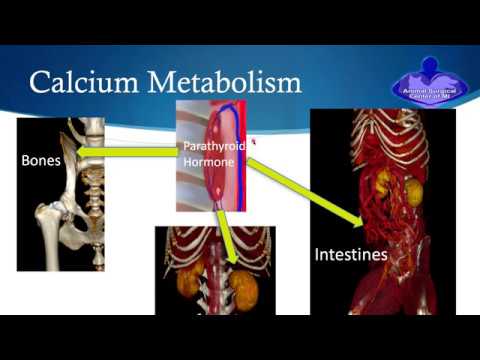
The parathyroid glands are four small glands located near the thyroid gland in the neck. Their primary function is to produce parathyroid hormone, which regulates the level of calcium in the bloodstream. When calcium drops too low, the glands release more hormone to raise it. When calcium is adequate, the glands reduce their output.
Hyperparathyroidism in dogs occurs when this regulatory system goes wrong and the parathyroid glands produce too much hormone, either because of a structural problem within the gland itself or as a response to an external trigger. The result is persistently elevated blood calcium, a condition called hypercalcaemia, which affects multiple body systems over time.
Types of Hyperparathyroidism in Dogs
There are three main types of hyperparathyroidism in dogs, each with a different underlying cause and management approach:
| Type | Cause | Common In | Key Feature |
|---|---|---|---|
| Primary hyperparathyroidism | Tumour or enlargement of the parathyroid gland itself | Older dogs; Keeshonds have a genetic predisposition | High calcium with low or normal phosphorus; usually a single benign adenoma |
| Secondary hyperparathyroidism (renal) | Chronic kidney disease causing low calcium and phosphorus imbalance | Middle-aged and older dogs with chronic kidney disease | High phosphorus alongside elevated parathyroid hormone; kidney disease is the driver |
| Secondary hyperparathyroidism (nutritional) | Diet low in calcium or with imbalanced calcium-to-phosphorus ratio | Dogs on unbalanced home-cooked or meat-only diets; young growing dogs | Weak bones, fractures; may appear without elevated blood calcium in early stages |
In India, nutritional secondary hyperparathyroidism is seen relatively commonly in puppies and young dogs fed predominantly meat-based home diets without appropriate calcium supplementation or balance. Muscle meat is naturally high in phosphorus and low in calcium, which can tip the ratio significantly in prolonged feeding without corrective dietary calcium. This is not a reflection of poor care, it is simply a nutritional imbalance that is easy to correct once identified.
Why Calcium Balance Matters for Dogs
Calcium is not simply a building block for bones. It plays critical roles in muscle contraction, nerve impulse transmission, heart rhythm regulation, and normal cell function. When calcium is persistently elevated from hyperparathyroidism in dogs, these systems are affected in characteristic ways. When it is chronically depleted, bone density declines and the risk of pathological fractures increases.
The kidneys are particularly vulnerable to prolonged elevated calcium, as the excess calcium is filtered through them and can deposit in kidney tissue over time, leading to kidney damage. This is one of the reasons that untreated or undetected hyperparathyroidism can have consequences beyond the calcium level itself.
Related Videos




Symptoms of Hyperparathyroidism in Dogs
The symptoms of hyperparathyroidism in dogs vary depending on the type and how long it has been present. Many dogs in the early stages show only subtle signs that are easy to attribute to other causes:
- Excessive thirst and frequent urination, often one of the earliest and most noticeable signs of elevated blood calcium
- Loss of appetite and weight loss
- Lethargy and reduced activity
- Vomiting and constipation, as high calcium affects gut motility
- Muscle weakness, particularly in the hind limbs
- In nutritional secondary hyperparathyroidism: bowed limbs, pathological fractures from minimal trauma, reluctance to bear weight, and a characteristic “paper bone” brittleness in severe cases
- Tremors, twitching, or seizures in advanced or acute cases where calcium dysregulation has reached a critical level
- Kidney stones detected incidentally during imaging
The presentation in young dogs with nutritional hyperparathyroidism can be striking, a puppy that suddenly fractures a bone during normal play, or develops bowed legs, is showing the consequences of chronically inadequate calcium relative to phosphorus intake.
Causes of Hyperparathyroidism in Dogs
The cause depends on the type:
- Primary hyperparathyroidism: Usually caused by a benign adenoma, a small, non-cancerous tumour, on one of the parathyroid glands. The tumour autonomously produces excess parathyroid hormone regardless of blood calcium levels. Carcinoma of the parathyroid gland is possible but uncommon.
- Renal secondary hyperparathyroidism: As the kidneys fail, they become unable to produce active vitamin D and unable to excrete phosphorus effectively. This drives a cascade that ultimately stimulates the parathyroid glands to compensate, leading to elevated parathyroid hormone in an attempt to maintain calcium balance in the face of advancing kidney disease.
- Nutritional secondary hyperparathyroidism: Diets predominantly based on muscle meat without adequate calcium supplementation provide a large amount of phosphorus with minimal calcium. To maintain blood calcium levels, the parathyroid glands respond by increasing hormone output, which draws calcium from the bones. Over time, bone density declines significantly. This is most commonly seen in puppies and young dogs fed home-prepared meat-only diets without balance.
Dogs at Higher Risk of Hyperparathyroidism
Several factors are associated with increased risk:
- Older dogs are more likely to develop primary hyperparathyroidism from parathyroid adenomas
- Keeshonds have a documented genetic predisposition to primary hyperparathyroidism
- Dogs with established chronic kidney disease are at risk of renal secondary hyperparathyroidism as kidney function declines
- Puppies and growing dogs fed unbalanced meat-heavy home-cooked diets are at risk of nutritional secondary hyperparathyroidism
- Any dog fed a long-term diet that is significantly imbalanced in calcium and phosphorus
How is Hyperparathyroidism Diagnosed?
Diagnosis involves blood testing as the primary tool, supported by imaging where needed:
- Blood calcium and phosphorus levels: Elevated calcium alongside low or normal phosphorus in an otherwise well dog with no history of cancer strongly suggests primary hyperparathyroidism. Elevated phosphorus alongside elevated parathyroid hormone in a dog with known kidney disease points toward renal secondary disease.
- Parathyroid hormone assay: A specific blood test measuring parathyroid hormone levels confirms whether the parathyroid glands are overactive. This test is available through veterinary diagnostic laboratories.
- Ultrasound of the neck: In primary hyperparathyroidism, ultrasound of the neck region can often identify the enlarged parathyroid gland or adenoma. Not all affected glands are visible, but when detected this guides surgical planning.
- Kidney function tests: Assessing the kidneys is important in all cases of hyperparathyroidism in dogs, both to identify renal secondary disease and to evaluate whether the elevated calcium has caused any kidney damage in primary cases.
- X-rays: In cases of nutritional secondary hyperparathyroidism in young dogs, X-rays reveal the characteristic reduced bone density, thin cortices, and in some cases pathological fractures.
Treatment for Hyperparathyroidism in Dogs
Treatment depends on the type and severity:
1. Primary hyperparathyroidism: Surgical removal of the affected parathyroid gland is the standard and most effective treatment. After surgery, calcium levels typically drop, sometimes significantly, and monitoring for post-operative hypocalcaemia is an important part of the immediate recovery period. Most dogs recover well after successful parathyroid surgery and do not require lifelong medication if the entire adenoma is removed.
2. Renal secondary hyperparathyroidism: Treatment focuses on managing the underlying kidney disease, controlling phosphorus levels through dietary restriction and phosphate binders, and supplementing with active vitamin D where appropriate. This is a management rather than curative approach, as the hyperparathyroidism is a consequence of the irreversible kidney disease.
3. Nutritional secondary hyperparathyroidism: Dietary correction is both the treatment and the cure. Switching from an unbalanced meat-only diet to a properly balanced diet with an appropriate calcium-to-phosphorus ratio allows bone remineralisation over weeks to months. In dogs with fractures, strict rest and supportive care during healing are required. Most young dogs recover well once the dietary imbalance is corrected, particularly if identified before severe bone damage has occurred.
Related Products

Prognosis and Recovery
The prognosis for hyperparathyroidism in dogs is generally positive when the condition is identified and treated appropriately. Dogs with primary hyperparathyroidism that undergo successful surgical removal of the adenoma often return to normal calcium levels and remain well without recurrence. Post-operative monitoring for hypocalcaemia in the first few days is important.
Dogs with nutritional secondary hyperparathyroidism respond well to dietary correction, particularly younger animals whose bones are still capable of remineralisation. Older dogs with more established bone changes may take longer to recover full structural integrity.
Renal secondary hyperparathyroidism is managed long-term alongside the underlying kidney disease, with the goal of slowing progression and maintaining quality of life rather than achieving full resolution.
The Role of Diet in Prevention
For nutritional secondary hyperparathyroidism specifically, diet is both the cause and the solution. Several common feeding practices in India inadvertently create calcium-phosphorus imbalances:
- Feeding predominantly chicken or mutton without bone or supplemental calcium creates a high phosphorus, low calcium ratio
- Feeding rice as the primary carbohydrate alongside meat without other nutritional balance
- Assuming that milk provides sufficient calcium, while milk does contain calcium, the amounts typically offered to dogs are insufficient to balance the phosphorus in a meat-based diet, and many adult dogs are lactose intolerant anyway
A properly formulated home-cooked diet that includes bone or appropriate calcium supplementation, or a nutritionally complete commercial diet, avoids these imbalances. If you are unsure whether your dog’s current diet provides adequate calcium, your vet or a veterinary nutritionist can review the diet and advise on any corrections needed.