
Hypoxemia in Dogs
Hypoxemia in dogs signifies a critical state where arterial blood fails to receive adequate oxygenation, potentially resulting in irreversible brain damage even after brief oxygen deprivation periods. Insufficient oxygen supply can trigger organ anemia, escalating into arrhythmia and ultimately heart failure. Swift treatment is imperative to address this severe condition promptly.
Symptoms and Types
- Coughing
- Breathing difficulties
- Shortness of breath
- Rapid breathing (tachypnea)
- Open-mouthed breathing
- Rapid heartbeat (tachycardia)
- Pain
- Gagging
- Inability to tolerate exercise (exercise intolerance)
- Discoloration of skin and mucous membranes
- Collapse
Causes
- High altitude
- Trauma
- Pneumonia
- Pulmonary lining diseases
- Anesthesia
- Heart conditions
- Pulmonary disorders
- Lung or heart ailments in older animals
Diagnosis
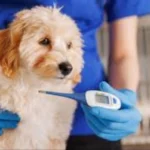
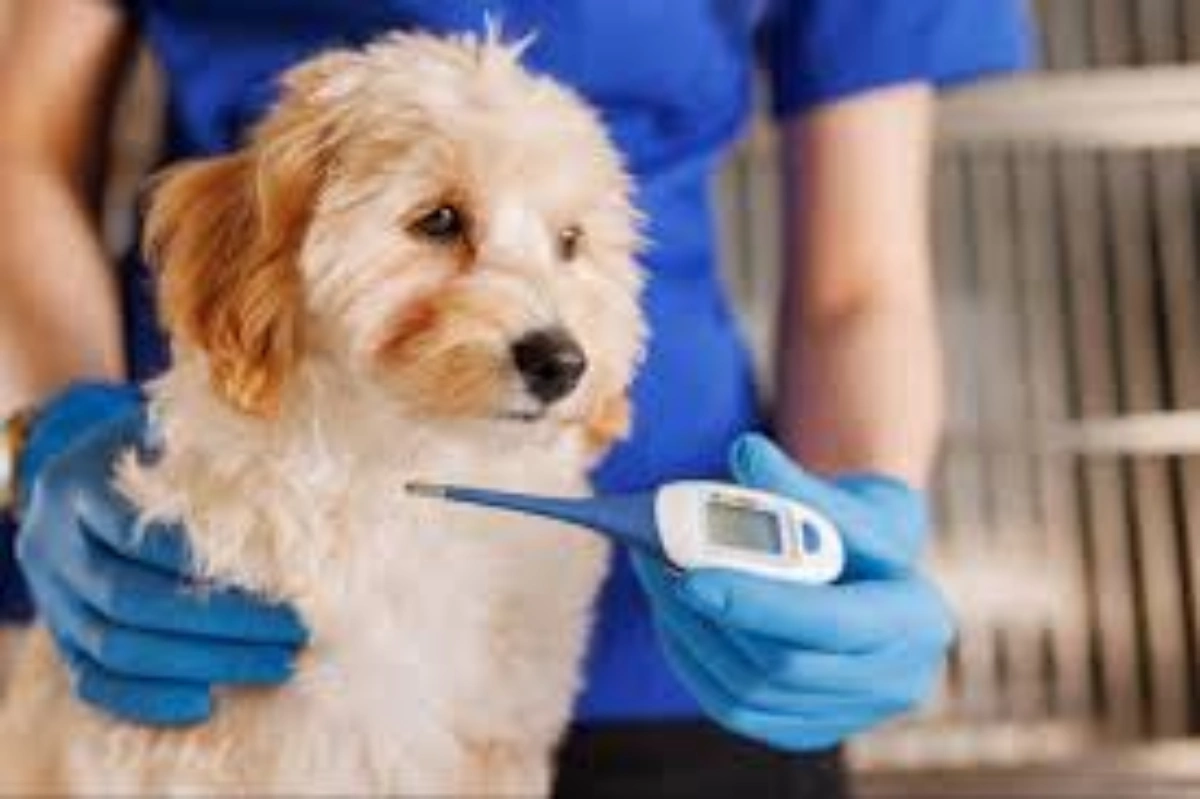
Your veterinarian will observe signs such as rapid breathing, excessive agitation, and signs of distress in your dog. Providing a detailed history of your dog’s health, including symptom onset and any potential triggering events, will assist the veterinarian in understanding the scope of the condition. The more comprehensive the information, the better equipped the veterinarian will be to identify which organs are affected by oxygen deprivation. Examination will include checking for elevated body temperature and assessing for any head injuries.
Blood samples will be drawn from specific areas, and blood gas analyzers may be employed for efficient measurement. Additionally, X-rays and echocardiograms may be utilized to eliminate lung and heart diseases as potential causes of blood oxygen deficiency. If the underlying cause remains unclear after these examinations, the veterinarian may consider performing an endoscopy or lung biopsy.
Treatment
Treatment strategy hinges on identifying the root cause of the oxygen deficiency. Oxygen therapy will be initiated to support the cardiovascular system, with a secure face mask utilized to administer oxygen to your dog’s heart and lungs. It’s important to note that the efficacy of this treatment may vary.
For issues related to low cardiac output, intravenous medications will be prescribed to enhance muscle function. In cases of cardiac failure, a regimen may include diuretics, oxygen supplementation, and medications to bolster muscle action.
In instances of hemorrhage, injury, or infection-induced shock, hospitalization becomes necessary for IV insertion and fluid administration to restore proper oxygen levels. This approach facilitates the delivery of oxygen to appropriate levels.
Living and Management
Hypoxemia poses a significant threat to life, so it’s crucial to closely monitor your dog’s behavior post-treatment. Keep an eye out for symptoms such as diminished breathing capacity and any signs of tissue paleness, which may indicate inadequate oxygen diffusion to the tissues. Regular follow-up appointments with the veterinarian are necessary to monitor arterial blood gas levels and ensure ongoing management of the condition.
Related Videos