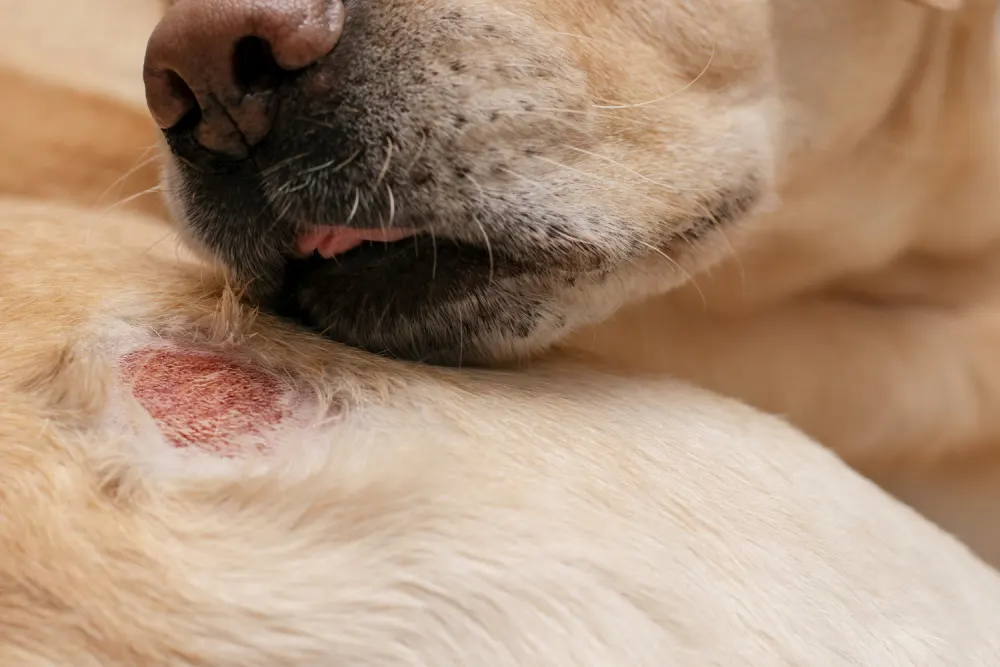
Lumps on dogs are one of the most common concerns pet parents bring to their veterinarian and rightly so. While many lumps are completely harmless, some can indicate infections, cysts, or tumours that require prompt attention. The good news is that with regular observation and timely veterinary care, most dogs with lumps can be kept comfortable and healthy. This guide will help you understand what to look for, what causes lumps in dogs, and what your vet may recommend.
Understanding Lumps, Bumps, and Cysts in Dogs
A lump, bump, or cyst on a dog is simply an abnormal growth or swelling under or on the surface of the skin. Not all lumps are dangerous. In fact, many dogs especially older ones develop soft, painless lumps that remain harmless throughout their lives.
However, it is important to understand the difference between common types of lumps. A lipoma is a benign fatty lump that sits just under the skin and is soft to the touch. A sebaceous cyst is a blocked oil gland that forms a small, round, fluid-filled sac. An abscess is a painful pocket of infection, often caused by a bite wound or foreign object. A tumour can be either benign or malignant and requires veterinary testing to identify. Only a veterinarian can confirm which type of lump your dog has.
Common Types of Lumps and Cysts in Dogs
Understanding the most common types of lumps on dogs can help you have a more informed conversation with your vet:
- Lipoma: A soft, moveable fatty lump most common in middle-aged and older dogs. Lipomas are usually benign and grow slowly. They are among the most frequently seen lumps in dogs.
- Sebaceous cyst: A small, raised lump caused by a blocked skin gland. These cysts may occasionally rupture and release a white or grey waxy material.
- Abscess: A firm or soft swelling filled with pus, often warm and painful. Abscesses typically develop after an injury or infection and require veterinary treatment.
- Warts (papillomas): Caused by a viral infection, these small rough growths are more common in puppies and older dogs with weaker immune systems.
- Mast cell tumour: One of the most common skin tumours in dogs, mast cell tumours can look like ordinary lumps but may be malignant. They require prompt veterinary evaluation and testing.
- Histiocytoma: A small, button-like lump that often appears in young dogs and frequently resolves on its own, though veterinary confirmation is still recommended.
It is never safe to assume a lump is harmless based on appearance alone. Only veterinary testing such as a fine needle aspiration or biopsy can confirm the nature of any lump.
Symptoms Pet Parents May Notice
Lumps on dogs can present in many different ways. Here are signs to watch for during your regular grooming or petting routine:
- A soft or firm swelling under or on the skin
- A lump that has grown noticeably in size over days or weeks
- Redness, warmth, or discharge around the lump
- Your dog scratching, licking, or biting at a particular spot
- Pain or sensitivity when the area is touched
- Changes in the shape, colour, or texture of the lump
- A lump that bleeds or oozes without any injury
- Multiple new lumps appearing over a short period
Some lumps on dogs remain unchanged for years, while others grow rapidly within weeks. Either way, any new lump should be brought to your veterinarian’s attention so it can be properly assessed.
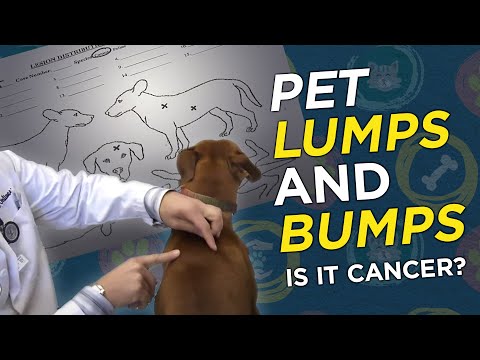
Related Videos

Causes and Risk Factors
Lumps and cysts in dogs can develop for a variety of reasons. In many cases, no single cause can be identified. Common contributing factors include:
- Age: Older dogs are significantly more prone to developing fatty lumps, cysts, and skin growths. This is a natural part of ageing and not a reflection of poor care.
- Blocked oil glands: The skin’s sebaceous glands can become clogged, leading to cyst formation.
- Infection or injury: Wounds from bites, thorns, or foreign objects can develop into abscesses if bacteria enter the tissue.
- Chronic inflammation: Long-term skin inflammation or allergies may increase the likelihood of abnormal growths developing over time.
- Genetic predisposition: Certain breeds such as Labrador Retrievers, Dobermanns, and Boxers appear to be more prone to specific types of lumps.
- Hormonal imbalances: Hormonal changes can occasionally trigger the development of certain skin growths.
Finding a lump on your dog does not mean you have done anything wrong. These growths arise from biological processes largely outside your control as a pet parent.
How Veterinarians Diagnose Lumps in Dogs
Diagnosing a lump on a dog involves several steps depending on what the vet observes during the examination:
- Physical Examination: The vet will assess the lump’s size, location, texture, and mobility. They will also note whether it appears painful and how long it has been present.
- Fine Needle Aspiration (FNA): This is the most common first step in dog lump diagnosis. A thin needle is inserted into the lump to collect a small sample of cells, which is then examined under a microscope. FNA is quick, minimally invasive, and often provides useful information without requiring surgery.
- Cytology: The cell sample from the FNA is studied to identify the type of cells present and whether any appear abnormal or cancerous.
- Ultrasound or Imaging: If the lump is deep or the vet suspects internal involvement, an ultrasound or X-ray may be recommended to get a clearer picture of what is happening beneath the surface.
- Biopsy: In cases where FNA results are inconclusive, a larger tissue sample may be surgically removed and sent to a laboratory for detailed analysis. A dog skin lump biopsy provides the most definitive diagnosis.
These tests together allow the vet to distinguish between a harmless lipoma, an infected cyst, and a potentially malignant tumour each of which requires a very different treatment approach.
Treatment Options for Lumps, Bumps, and Cysts
Treatment depends entirely on the type of lump identified. Here are the most common approaches:
- Monitoring: For confirmed benign lipomas that are small, not causing discomfort, and not growing rapidly, the vet may recommend a watch-and-wait approach with regular re-checks.
- Draining or flushing: Some sebaceous cysts can be gently drained by a veterinarian. However, cysts that are repeatedly refilling may need to be surgically removed to prevent recurrence.
- Antibiotics: Abscesses are treated with antibiotics and, in many cases, drainage of the infected pocket. Your vet may also clean and dress the wound depending on its severity.
- Surgical removal: Lumps that are growing rapidly, causing pain, restricting movement, or confirmed as malignant are typically removed surgically. Dog tumour surgery is often the most effective treatment when a growth is caught early.
- Cancer treatment: If a mast cell tumour or other malignant growth is confirmed, the vet may recommend surgery followed by chemotherapy or radiation depending on the grade and spread of the tumour.
In all cases, the goal of treatment is to protect your dog’s comfort, mobility, and quality of life. Your vet will always weigh the risks of treatment against your dog’s overall health and age before making a recommendation.
Prognosis and Long-Term Outlook
The prognosis for lumps on dogs varies depending on the type of growth. Most benign lumps such as lipomas and sebaceous cysts have an excellent outlook and cause no lasting harm. Dogs can live comfortably with multiple benign lumps for many years.
For malignant tumours, the prognosis depends on the type of cancer, how early it was detectved, and whether it has spread to other tissues. Early diagnosis and treatment generally lead to better outcomes. Regular veterinary monitoring is essential for any dog with a known lump, whether benign or otherwise.
Caring for a Dog with Lumps or Skin Growths
There is a great deal you can do at home to support your dog’s skin health and monitor any existing lumps:
- Check lumps regularly: Once a week, gently feel around the lump and note any changes in size, texture, or your dog’s reaction to being touched there.
- Never squeeze or puncture a lump: This can introduce infection, cause unnecessary pain, or rupture a cyst in a way that leads to complications.
- Keep the skin around lumps clean: Gently clean the area with a mild product to prevent secondary skin infections from developing.
- Support overall skin health: A healthy skin barrier is less prone to cyst formation and infections. Good nutrition, hydration, and appropriate skin care all play a role.
- Attend all scheduled vet visits: Regular check-ups allow your vet to track any changes over time and act early if a lump begins behaving differently.
- Keep a simple lump diary: Note the date you first noticed the lump, its approximate size, and any changes. This information is very helpful for your vet.
Rescue dogs often arrive with untreated lumps that have been present for months. A thorough skin and lump assessment should be part of every new dog’s first veterinary visit.
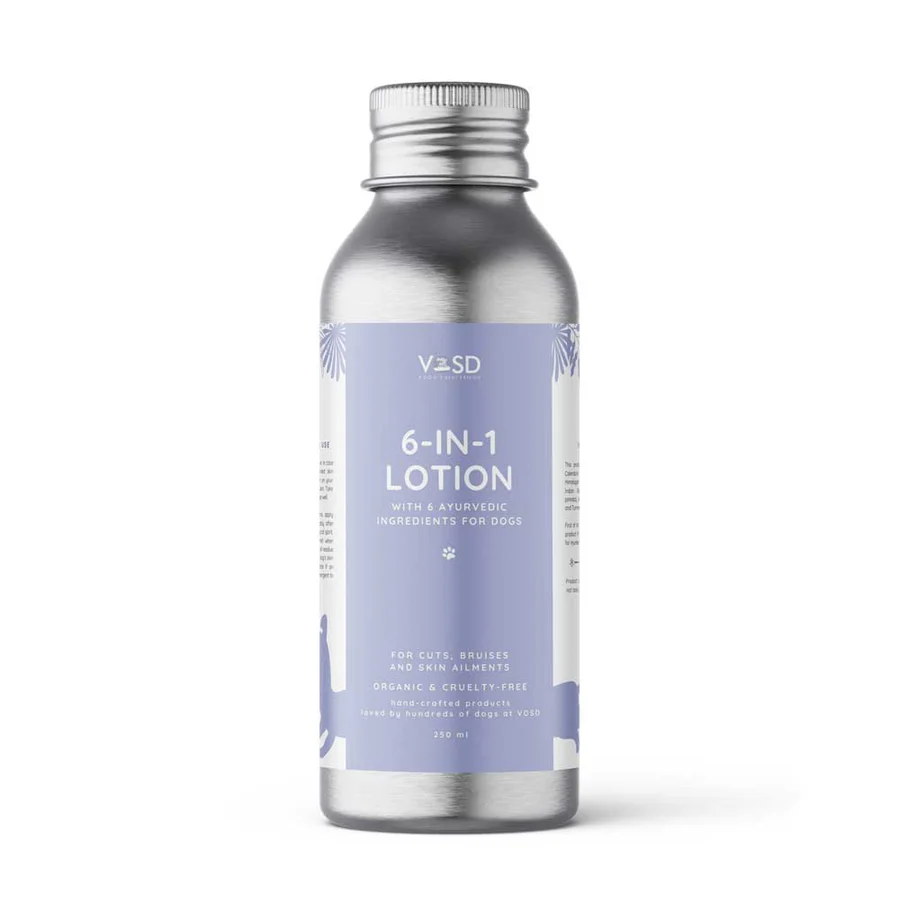
Supporting your dog’s skin from the outside can help reduce irritation around existing lumps and keep surrounding tissue healthy. VOSD Organic Neem Oil is a gentle, natural option for topical skin care, while VOSD Organic 6-in-1 Dog Body Lotion with Calendula helps soothe and protect sensitive skin. For dogs who need support from within, VOSD Superfood Skin Supplement with Omega provides essential fatty acids that support healthy skin at the cellular level. Always consult your vet before starting any new supplement or topical product.
Related Products


When Should You See a Vet for a Lump?
As a general rule, any new lump on your dog should be examined by a veterinarian, even if it appears small and harmless. You should seek veterinary attention promptly if:
- The lump grows noticeably within a few days or weeks
- It bleeds, oozes, or crusts over
- Your dog appears to be in pain when the area is touched
- The lump changes colour or becomes ulcerated
- Multiple new lumps appear in a short period of time
- Your dog loses appetite, energy, or shows other signs of illness alongside the lump
Lumps on dogs are very common, but that does not mean they should be ignored. Early veterinary evaluation is always the safest course of action and gives your dog the best chance of a comfortable outcome.